A fountain drink looks harmless because it comes out cold, fizzy, and familiar. We see the logo, hear the ice drop, watch the bubbles rise, and assume the machine behind the counter has been cleaned properly. That trust can collapse fast when a repair technician opens a soda fountain machine and finds expired syrup boxes, dirty nozzles, stale carbonation, sticky buildup, and parts that look like they have been ignored for months.
That is why soda fountain machine cleaning deserves more attention than another viral “gross restaurant” moment. The real story is bigger than one Coca-Cola dispenser, one TikTok video, or one careless restaurant. It is about how easily a public-facing drink station can look normal on the outside while the hidden parts collect syrup residue, moisture, biofilm, mold, bacteria, and old product behind the scenes.
Why Soda Fountain Machine Cleaning Matters More Than Customers Realize
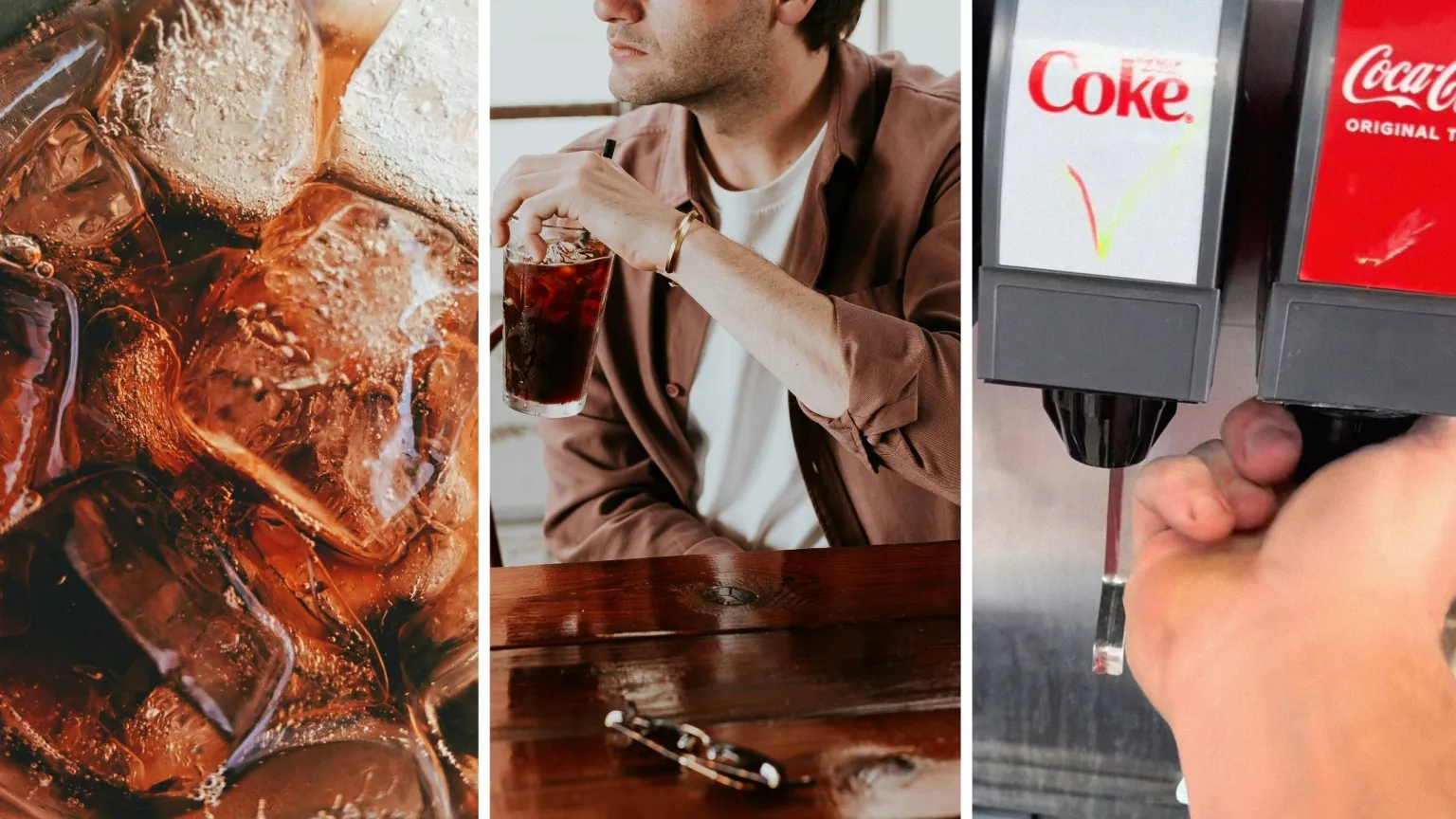
We tend to judge a restaurant by what we can see. Clean tables, polished counters, fresh ice, bright menu boards, and busy employees create a feeling of order. A soda fountain machine benefits from that same illusion because the customer usually sees only the cup, ice chute, nozzle area, and drink stream. The hidden risk sits inside the small removable parts, syrup connectors, tubing, drip tray, ice bin, and areas where sugar, water, and touch points meet all day.
A fountain drink machine is not just a metal box that pours soda. It is a compact system that mixes water, syrup, carbonation, ice, drainage, and customer handling in one place. Sugar feeds buildup. Moisture helps residue cling. Touch points create contamination chances. When the nozzles are not removed, washed, brushed, sanitized, and dried, the machine can become a quiet hygiene problem that still serves drinks with a smile.
The Viral Coca-Cola Machine Was a Warning Sign
The viral repair video caught attention because it showed what many customers never get to see. A technician arrived for a routine service call after a restaurant reported an off taste from its Coca-Cola fountain machine. Instead of finding a single issue, he reportedly found expired syrup boxes, dirty equipment and nozzles, and no carbon dioxide. That combination would affect taste, carbonation, smell, and customer trust all at once.
The most disturbing part was not just that the product had expired. It was the suggestion that the restaurant had been warned before. The technician said he had previously supplied new nozzles and told the staff to clean them nightly, or at least every few days. Months later, the condition of the parts suggested that the advice had not become a reliable cleaning routine. That is the exact gap where food-safety problems grow, because a machine can keep dispensing drinks long after its cleaning schedule has fallen apart.
Expired Syrup Can Make Fountain Drinks Taste Wrong
Expired syrup does not automatically mean a fountain drink is dangerous, but it can tell customers a lot about the restaurant’s standards. Bag-in-box syrup is supposed to be monitored, rotated, and replaced before quality drops. When every syrup box is months past its date, it suggests the staff may not be checking inventory closely. That matters because the same team responsible for checking product dates may also be responsible for cleaning the nozzles, drip tray, connectors, and ice-related parts.
Bad taste is often the first clue. A fountain drink may taste flat, sour, weak, stale, metallic, too sweet, or oddly watered down. Sometimes that comes from problems with syrup ratios. Sometimes it comes from a lack of carbon dioxide. Sometimes it comes from old syrup, dirty nozzles, or water-line issues. A customer may blame the brand, but the real issue can be poor maintenance at the restaurant level.
Dirty Nozzles Are the Part Customers Should Worry About First
The nozzle is where the drink becomes real. Water, syrup, and carbonation pass through that final point before landing in the cup. It is also one of the easiest places for residue to collect because soda syrup is sticky, colorful, and sugar-rich. If employees do not remove and clean nozzles daily, that residue can dry, thicken, darken, and attract more buildup.
The nozzle area also comes into close contact with customers, cups, ice splashes, hands, and the open air. In self-serve setups, people may accidentally touch the dispenser with cup rims, fingers, lids, or reusable bottles. In staff-operated setups, the same nozzle may be used hundreds of times during a shift. We should treat dirty nozzles as a major red flag because they are visible enough to inspect, removable enough to clean, and important enough that neglect says something about the whole machine.
Biofilm Is the Hidden Problem Behind the Gross Photos
The word “biofilm” sounds technical, but the idea is simple. Biofilm is a slimy community of microorganisms that can stick to surfaces, especially in damp environments. Soda fountains create conditions where buildup can become stubborn if cleaning is inadequate. Plastic tubing, wet surfaces, syrup residue, drains, and water lines can all become places where microorganisms settle and stay.
This is where the story becomes more serious than a picture of a dirty nozzle. A part can look unpleasant on the outside, but internal buildup can be harder to see and harder to remove. Routine cleaning matters because waiting until something smells or tastes off, or looks disgusting, means the restaurant has already let the problem mature. We do not want a drink machine cleaned only after customers complain.
Soda Fountains Can Carry Bacteria When Maintenance Fails
A soda fountain is not automatically unsafe just because it serves fountain drinks. Many restaurants clean their machines properly every day. The risk rises when nozzles are ignored, syrup connectors are left sticky, ice bins are poorly handled, filters are not checked, and employees treat the machine as someone else’s job. That kind of neglect can turn a normal foodservice tool into a sanitation problem.
Coliform bacteria findings in soda fountain studies are especially unsettling because coliforms are used as indicators of possible contamination. Their presence does not always mean that a drink will make someone sick, but it does indicate that something has gone wrong in the system. Customers should not panic over every fountain drink, but they should understand why regular cleaning, flushing, sanitizing, and inspection matter.
The Ice Bin Can Be Just as Important as the Soda Nozzle
Many customers focus on the SodaStream and forget the ice. That is a mistake. Ice is food, and the ice bin can become contaminated by dirty hands, scoops, splashback, uncovered storage, drains, and equipment not cleaned on schedule. A perfect soda nozzle cannot save a drink if the ice bin is neglected.
Ice also hides problems well. It looks clean because it is clear or white, but appearance does not prove sanitation. The bin, chute, lever, scoop, and drain all need attention. When employees rush closing duties, ice-bin cleaning can become one of the first jobs skipped because it feels less urgent than wiping counters or washing dishes. That shortcut can affect every cold drink served the next day.
Carbon Dioxide Problems Can Reveal Poor Maintenance
No carbon dioxide means the soda will taste flat. That alone may not sound like a health risk, but it reveals a bigger operational issue. A restaurant that runs out of CO2 and keeps serving drinks may not be paying close attention to its beverage system. Customers may receive stale, poorly mixed, bad-tasting drinks long before anyone stops to inspect the machine.
Carbonation also affects the way customers detect trouble. A flat soda can taste wrong enough to trigger complaints, which may lead to a service call. That complaint may uncover other problems, including expired syrup or dirty parts. In that sense, a bad-tasting soda can serve as a warning sign of a deeper cleaning failure.
Daily Cleaning Should Not Be Optional
A responsible soda fountain cleaning routine starts with daily attention. Employees should wash their hands, remove nozzles and diffusers, wash and brush them, sanitize them properly, and let them air dry on a sanitary surface. They should wipe the dispensing area, clean underneath valves, wash the drip tray, clean visible surfaces, and check the ice area. This is not fancy maintenance. It is a basic foodservice discipline.
The problem is that daily cleaning only works when it is assigned, documented, trained, and checked. A manager cannot simply say “clean the soda machine” and hope the job happens correctly. Staff need a closing checklist, the right brushes, the right sanitizer, clean towels, and enough time to do the task. If a restaurant treats soda fountain cleaning like optional side work, the machine will eventually show it.
Weekly and Monthly Cleaning Catch What Daily Wiping Misses
Daily cleaning handles the most obvious buildup, but it does not replace deeper maintenance. Weekly cleaning should address syrup connectors and other parts that collect sticky residue. Monthly cleaning should go deeper into the ice bin, drains, filters, internal components, and areas that are easy to ignore during a busy shift. A clean-looking dispenser can still have hidden buildup if deeper tasks never happen.
The strongest restaurants build cleaning into a cycle. Daily tasks protect the drink zone. Weekly tasks protect connectors and syrup contact points. Monthly tasks protect the internal system. Service calls handle pressure, ratio, carbonation, mechanical problems, and worn parts. When one part of that cycle fails, the entire drink program weakens.
Customers Can Spot Some Warning Signs Before They Fill the Cup
Customers cannot inspect syrup lines or internal tubing, but they can notice basic warning signs. A sour smell near the machine is a bad sign. Sticky nozzles, dark residue, cloudy buildup, fruit flies, overflowing drip trays, dirty ice chutes, stained cup rests, and splashed syrup around the valves all suggest weak cleaning. A drink that tastes flat, stale, sour, or oddly chemical should not be ignored.
We should also pay attention to the restaurant’s general cleanliness. If tables are sticky, bathrooms are neglected, floors are dirty, and trash areas smell bad, the soda machine may not be getting careful treatment either. That does not prove contamination, but it gives customers a practical way to judge risk. Clean foodservice usually shows up in small details.
Restaurants Need Accountability, Not Just Viral Shame
Viral videos can embarrass one restaurant, but they do not fix the larger problem. Soda fountain cleaning needs accountability inside the business. Managers should assign tasks by name, properly train employees, keep supplies stocked, document daily cleaning, inspect nozzles at closing, and schedule deep cleanings. The goal is not to make employees afraid of the machine. The goal is to make the process routine enough that neglect becomes obvious.
Restaurants also need to stop treating beverage stations as low-risk areas. Fountain drinks may feel simple compared with raw chicken, seafood, or dairy, but the machine still handles consumable products. It still touches water, ice, syrup, and customer-facing surfaces. A beverage station can damage trust quickly because customers assume the easiest item on the menu should also be one of the cleanest.