Inflation no longer looks like the emergency it was during the worst stretch of the price surge, but American households know the pain did not disappear. The problem is simple. Prices rose fast, stayed high, and then kept climbing from a much larger base.
That is why many families feel confused when they hear that inflation has cooled. Cooling inflation does not mean cheaper groceries, lower rent, or a sudden return to affordable car insurance. It only means prices are rising more slowly than before, and that difference matters deeply when paychecks are already stretched.
For the average American, inflation now works less like a headline shock and more like a slow leak. It shows up in smaller grocery carts, fewer restaurant meals, delayed vacations, tighter retirement contributions, and credit card balances that feel harder to defeat. We can see the real damage most clearly by looking at the household budget, not just the national inflation rate.
Inflation Is Lower Than Its Peak, but Prices Are Still Climbing

The most frustrating part of inflation is that the public often hears one number, then lives a very different number. A national inflation rate can look manageable on paper, but households do not buy an average basket of goods in a spreadsheet. They pay rent, fill gas tanks, buy groceries, cover insurance, and decide which bills can wait until the next paycheck.
That is why inflation still feels heavy even after the worst spike has passed. A family that absorbed years of higher grocery, housing, and transportation costs does not reset its budget when the inflation rate falls. The old price level is gone, and the new one becomes the starting point for all future increases.
We should think of inflation like a staircase, not a hill. Prices climbed sharply during the worst period, then continued to rise at a slower pace. The pace may be less dramatic now, but households are standing on a much higher step than they were before.
The Average American Budget Is Most Vulnerable in Housing and Transportation
Housing and transportation are the two budget categories that make inflation feel unavoidable. People can cancel streaming services or skip concerts, but they still need a place to live and a way to get to work. These two expenses are also large enough to crush the flexibility in a monthly budget.
Average annual household expenditures reached $78,535 in 2024, which equals about $6,545 per month. Housing alone averaged $26,266 per year, or roughly $2,189 per month, and transportation averaged$13,318 per year, or about $1,110 per month.
That means more than half of the average household budget can be tied up before groceries, health care, debt payments, clothing, school costs, child care, and savings even enter the conversation. When inflation hits these categories, households do not simply feel annoyed. They lose room to breathe.
Groceries Still Feel Expensive Because the Baseline Changed

Many Americans look at grocery inflation and wonder why the official numbers do not match the shock they feel at checkout. The answer is that grocery inflation can slow without reversing the earlier damage. A small increase on top of years of sharp increases still leaves families paying much more than they remember.
Food prices remain one of the clearest indicators of how inflation changes everyday behaviour. Families compare brands more carefully, buy fewer convenience items, skip impulse purchases, and build meals around what is on sale. The grocery trip becomes a math exercise instead of a routine errand.
This is where inflation becomes emotional. People do not just notice that beef, produce, snacks, beverages, and restaurant meals cost more. They notice that the same grocery budget buys less comfort, less variety, and fewer small treats than it used to.
Restaurants Became the first luxury, and many families cut
Eating out used to be a casual convenience for many households. It helped busy parents, workers with long commutes, students, couples, and single adults save time and enjoy a small break from routine. Inflation turned that ordinary habit into a decision that often needs justification.
Restaurant prices carry more than the cost of food. Diners also pay for labour, rent, utilities, delivery platforms, packaging, card fees, and rising supplier costs. When those expenses climb, menu prices rise, portions shrink, and customers begin to question whether the experience is still worth it.
That is why many households now treat restaurant spending as planned rather than casual. A family that once ordered takeout twice a week may cut back to once a month. That single change can save money, but it also shows how inflation quietly reduces the small pleasures that once made daily life feel easier.
Energy Costs Keep Pressure on Gas, Utilities, and Commuting
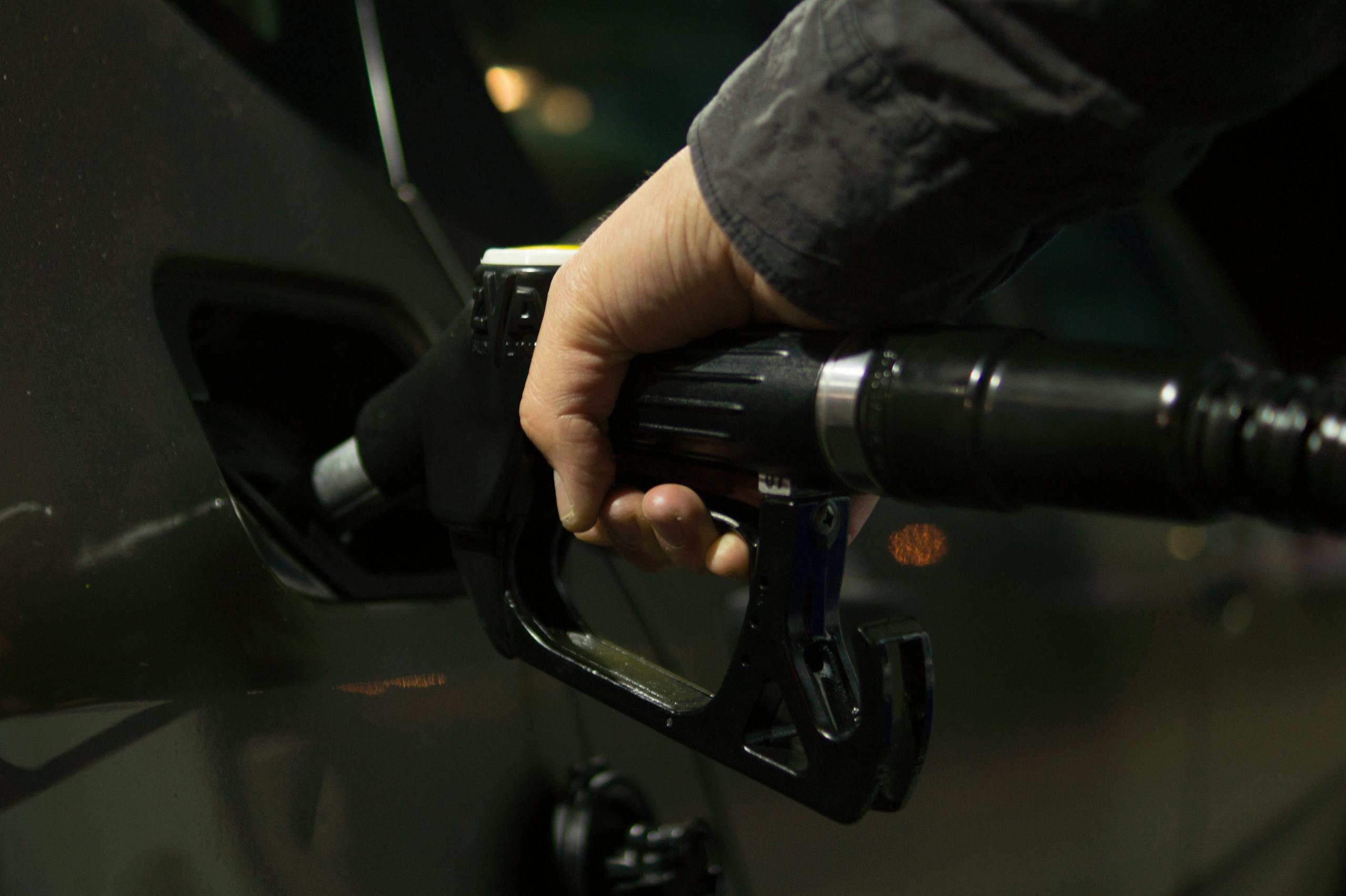
Energy inflation hits households from several directions at once. Gasoline affects drivers immediately, electricity affects utility bills, and fuel costs ripple through delivery, food production, travel, and goods transportation. Even people who do not drive much can still pay for energy inflation through higher prices elsewhere.
Gas prices are especially painful because they punish routine movement. A worker who must commute cannot simply stop buying gas without changing jobs, moving, carpooling, or using public transit. For many Americans, those choices are not convenient, safe, available, or realistic.
Utilities create another kind of pressure because families can cut only so much. People can adjust the thermostat, turn off lights, and reduce usage, but they still need heat, cooling, refrigeration, laundry, cooking, and hot water. Inflation turns basic comfort into another monthly calculation.
Wage Growth Has Not Fully Restored Household Confidence
A paycheck can rise and still feel weaker if prices rise faster. That is the wage problem many Americans face now. Nominal pay may look better than it did a few years ago, but real purchasing power depends on what that paycheck can actually buy.
This gap explains why many workers feel financially stuck even in a labour market that continues to add jobs. More employment does not automatically solve the cost-of-living problem if rent, food, transportation, debt, insurance, and utilities consume the raise before it reaches savings.
For families, the question is not whether income increased on paper. The question is whether the increase changed their life. If the answer is no, inflation continues to shape choices, stress levels, and long-term planning.
Credit Cards Are Becoming the Backup Plan. Too Many Households Cannot afford
Inflation often begins as a cash-flow problem and turns into a debt problem. A household first absorbs higher prices by cutting back. Then it drains savings. After that, the credit card becomes the bridge between income and reality.
That bridge is expensive. Credit card interest rates remain high, and carrying a balance can turn one month of grocery pressure into many months of repayment. This is where inflation becomes dangerous because households are no longer paying only higher prices. They are paying interest on the higher prices they could not cover in cash.
The emotional trap is brutal. Credit cards can preserve normal life for a while, but they can also hide the true cost of inflation until the minimum payments stack up. A budget that looked tight can quickly become trapped.
Inflation Has Turned Emergency Savings Into a Battleground

Emergency savings used to be framed as a simple financial goal. Build three to six months of expenses, keep it separate, and use it only when life goes sideways. Inflation has made that advice harder to follow because ordinary life now feels like an emergency.
Many Americans are trying to save and pay down debt at the same time. That creates a frustrating cycle. If they save too little, one car repair or medical bill can push them into debt. If they focus only on debt, they remain exposed to the next surprise expense.
The result is a quiet form of financial exhaustion. People are not always reckless. Many are simply trying to protect themselves from a cost structure that continues to outpace their budgets.
Housing Inflation Is Forcing Harder Life Decisions
Housing inflation changes more than a monthly payment. It affects where people live, how far they commute, whether they can start a family, whether adult children move out, whether retirees downsize, and whether renters can ever become homeowners. Few categories reshape life choices as deeply as shelter costs.
Higher mortgage rates add another layer of pain. Even when home prices cool in some areas, elevated borrowing costs can keep monthly payments out of reach. Renters face their own trap because rising rent makes saving for a down payment harder.
This is why housing inflation feels like a locked door for many Americans. The pressure is not limited to people shopping for homes. It affects renters, current homeowners, young adults, growing families, and older households trying to control fixed costs.
Transportation Costs Are Squeezing Workers Who Need Mobility
Transportation inflation hits working Americans with special force because transportation is often tied directly to income. People need access to cars, gas, insurance, maintenance, rideshares, public transit, or delivery to earn money, care for family, and handle daily responsibilities.
Car ownership has become harder to manage because several costs can rise at once. A driver may face higher loan payments, more expensive insurance, pricier repairs, costly tyres, and higher fuel costs. Even one of those increases can sting. All of them together can wreck the budget.
This is why inflation can feel unfair to people who are doing everything right. A reliable car is not a luxury in much of America. It is the price of staying employed, and inflation has made it harder to bear.
Retirement Savings Often Get Sacrificed First

When a household is squeezed, retirement savings often become the silent casualty. People may not stop saving because they no longer care about the future. They stop because the present has become too expensive.
This tradeoff is costly because retirement savings depend heavily on time. A few missed months may not look dramatic at first, but repeated pauses can reduce future growth. Younger workers lose compoundingyears, and older workers lose precious catch-up time.
Inflation, therefore, creates a double burden. It makes today harder, then quietly weakens tomorrow. That is why retirement contributions should be treated as a warning signal in any household inflation checkup.
Vacations, Entertainment, and Small Joys Are Being Repriced

Inflation not only attacks survival expenses. It also changes how people experience joy. Vacations, movies, sports, concerts, amusement parks, streaming bundles, restaurant nights, and weekend trips all become easier to cut when essentials become more expensive.
This does not mean entertainment is shallow or unnecessary. Rest matters. Family memories matter. Social connection matters. The problem is that inflation pushes households to defend only the basics, then frames everything else as irresponsible.
The cultural effect is bigger than one cancelled trip. When millions of people downgrade leisure at the same time, businesses, families, and communities feel it. Inflation can make life financially narrower even for people who remain employed.
How to Compare Your Budget With the Average American
The best way to compare your inflation impact is not to ask whether your bills went up. Almost everyone’s bills went up. The sharper question is which category took the biggest share of your flexibility.
Start with housing, transportation, food, utilities, insurance, debt payments, and savings. If one of those categories grew faster than your income, that is your personal inflation pressure point. If several grew at once, your budget may feel tight even if your income is technically higher.
A household with low rent but high car costs experiences inflation differently from a household with no car payment but rising rent. A retiree on a fixed income feels inflation differently from a young worker with wage growth but student debt. The national inflation rate matters, but the personal inflation rate decides how life feels.
Practical Moves That Help When Inflation Will Not Let Up
The goal is not to pretend couponing can solve a national affordability problem. It cannot. Still, households can protect themselves by attacking the categories that cause the most recurring damage.
Food planning helps because groceries repeat every week. Meal planning, store-brand swaps, bulk buying for items that actually get used, and limiting delivery fees can make a visible difference. The key is to reduce waste, not joy.
Debt strategy matters even more. High-interest credit card debt should be treated like a budget fire because it grows while households are already under pressure. A balance transfer, debt avalanche method, credit counselling, or negotiated payment plan can help some borrowers regain control.
Housing and transportation require bigger decisions. Refinancing may not help when rates are high, but negotiating rent, taking on a roommate, moving closer to work, carpooling, shopping for insurance, or delaying a vehicle upgrade can reduce pressure. None of these choices is easy, but inflation rewards households that confront the highest costs first.
The Real Inflation Question Is No Longer Whether Prices Rose
The real question now is how much of the average American lifestyle has to shrink to absorb the new cost of living. A household may still pay the bills, but that does not mean it feels financially healthy. Survival and stability are not the same thing.
Inflation has changed what many Americans consider normal. Eating out less, delaying travel, working side gigs, using credit cards for essentials, lowering utility use, and saving less for retirement are no longer rare emergency behaviours. For many families, they have become a routine budget defence.
We should measure inflation not only by the official rate, but by the choices it forces. If a paycheck buys less comfort, less security, and fewer future options than it used to, inflation is still doing damage. That is the comparison that matters most.