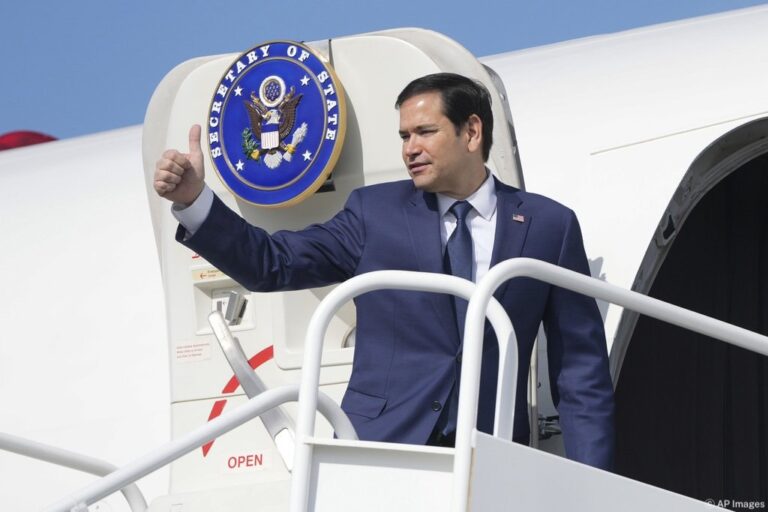
A planned meeting between a senior official in New York City Mayor Zohran Mamdani’s administration and Iran’s ambassador to the United Nations was canceled after the U.S. State Department intervened, raising new questions about how far City Hall should venture into sensitive international diplomacy.
Ana María Archila, commissioner of the Mayor’s Office for International Affairs, had been scheduled to meet Amir-Saeid Iravani, Iran’s permanent representative to the United Nations, on July 7 at 2 United Nations Plaza. Two other senior officials in Archila’s office were also expected to attend, according to reporting based on a calendar invitation and sources familiar with the proposed meeting.
The meeting never happened.
After learning about the planned engagement, State Department officials reportedly contacted the Mamdani administration and explained what federal officials considered acceptable conduct for city representatives dealing with foreign diplomats. The appointment was then canceled.
Mamdani Says He Was Not Told About the Meeting
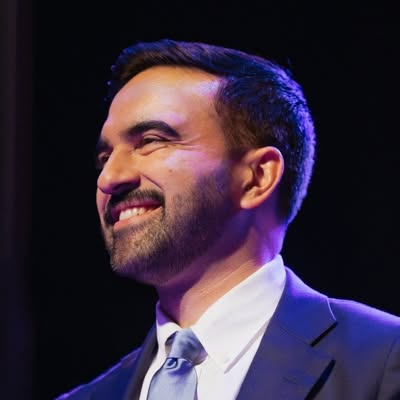
Mayor Mamdani said he did not know about the planned meeting until his office received a media inquiry.
Speaking to reporters on July 10, Mamdani emphasized that the meeting had neither occurred nor would occur. He described the situation as an error by the commissioner’s office and said his administration was developing a new process for handling future meeting requests.
Mamdani also said the request came to the international affairs office rather than being initiated by city officials. Reports indicated that representatives connected to Iran’s U.N. mission had requested the meeting.
“The commissioner recognizes that this was made in error,” Mamdani told reporters, adding that City Hall was working on new procedures.
A spokesperson for the Mayor’s Office for International Affairs offered an even firmer response, saying: “This meeting did not and will not take place.” Iran’s mission to the United Nations declined to respond or did not respond to requests for comment from several news organizations.
City Journal reported that Archila had not informed Mamdani before scheduling the discussion and was directed to cancel it. That account was attributed to an unnamed source familiar with her office and has not been independently confirmed through a public City Hall document.
Why a City Diplomatic Meeting Drew Federal Attention
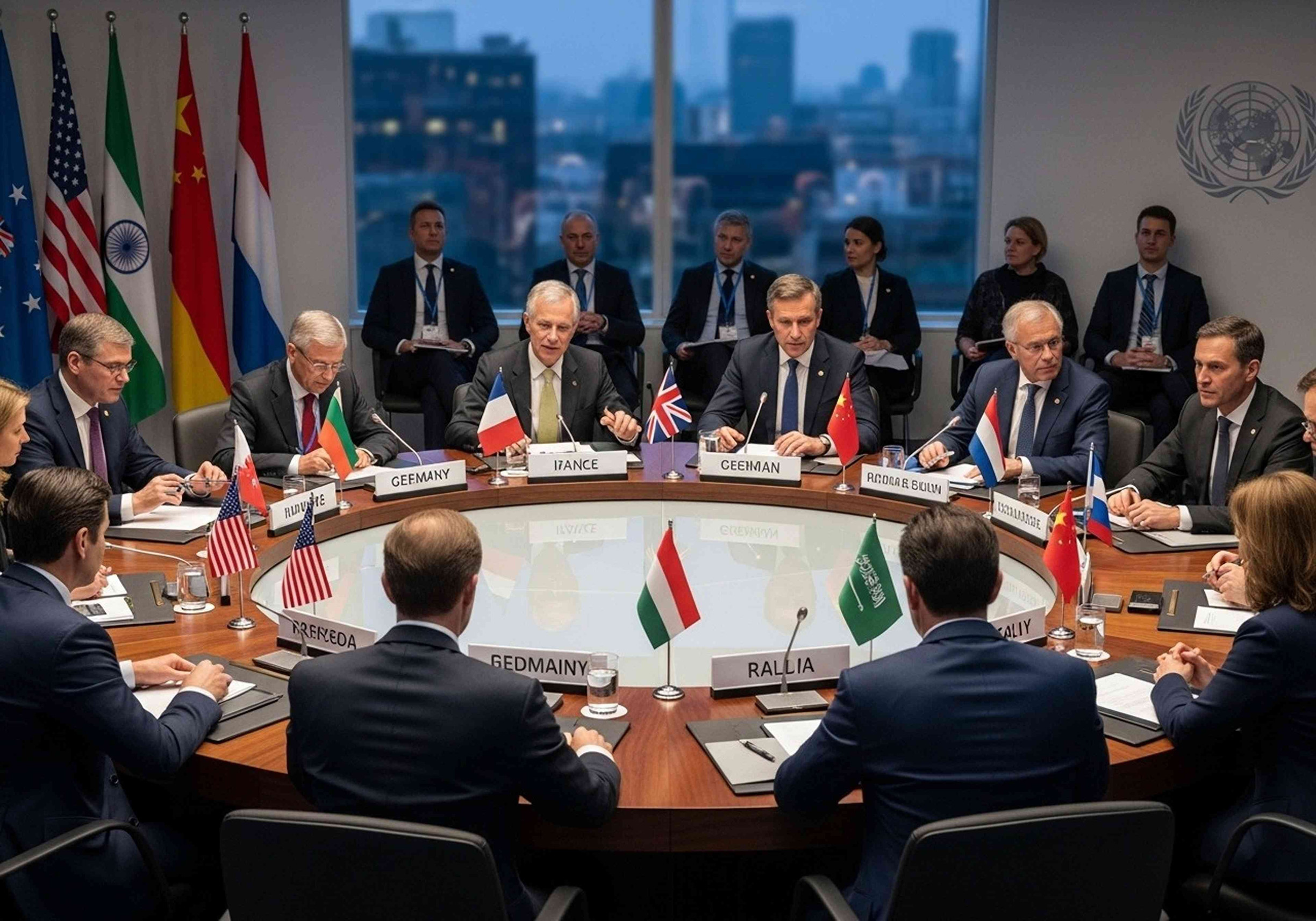
New York City occupies an unusual position in global affairs because it hosts the United Nations headquarters, 193 permanent missions, more than 100 consulates and what city officials describe as the world’s largest diplomatic community.
That gives the mayor’s international-affairs office regular contact with foreign governments. Its official responsibilities include connecting diplomats with city agencies, responding to requests from the United Nations and the State Department, managing diplomatic incidents, and helping foreign missions operate within the city.
Those duties, however, are different from setting American foreign policy, which remains the responsibility of the federal government.
The proposed meeting in Iran attracted particular scrutiny because it emerged during a renewed military confrontation between Washington and Tehran. U.S. forces had recently carried out additional strikes against Iranian targets after attacks on commercial vessels in the Strait of Hormuz, further weakening an already fragile ceasefire.
In that environment, even a city-level discussion could have created confusion about whether New York officials were attempting to conduct diplomacy separately from Washington.
The State Department had not been informed in advance, according to officials cited by City Journal. Fox News also reported that a U.S. official familiar with the situation confirmed the meeting had been scheduled.
Archila’s Appointment Faces New Scrutiny
Mamdani appointed Archila as international-affairs commissioner in February 2026. Before joining the administration, she was a longtime progressive organizer, served as co-director of the New York Working Families Party, and ran unsuccessfully for lieutenant governor in 2022.
Her appointment placed an experienced political activist in charge of an office that frequently handles delicate relationships with foreign missions, consulates, and federal agencies.
The canceled Iran meeting has therefore become more than a dispute over one appointment on a calendar. It has opened a broader debate over the boundaries separating municipal outreach, political activism, and official American diplomacy.
It also marks another instance in which the Mamdani administration’s international contacts have drawn federal attention. A planned meeting with Colombian President Gustavo Petro was reportedly abandoned in June after the State Department declined to facilitate Petro’s entry into the United States.
No evidence has emerged that Archila’s meeting with Iravani actually took place, produced any agreement or altered U.S. policy. The confirmed outcome is far simpler: the meeting was proposed, federal officials intervened, City Hall canceled it, and Mamdani promised tighter procedures.
For New Yorkers, the remaining question is how the mayor’s international affairs office will maintain relationships with the city’s enormous diplomatic community without encroaching on foreign-policy territory controlled by Washington.
A planned meeting between a senior official in New York City Mayor Zohran Mamdani’s administration and Iran’s ambassador to the United Nations was canceled after the U.S. State Department intervened, raising new questions about how far City Hall should venture into sensitive international diplomacy.
Ana María Archila, commissioner of the Mayor’s Office for International Affairs, had been scheduled to meet Amir-Saeid Iravani, Iran’s permanent representative to the United Nations, on July 7 at 2 United Nations Plaza. Two other senior officials in Archila’s office were also expected to attend, according to reporting based on a calendar invitation and sources familiar with the proposed meeting.
The meeting never happened.
After learning about the planned engagement, State Department officials reportedly contacted the Mamdani administration and explained what federal officials considered acceptable conduct for city representatives dealing with foreign diplomats. The appointment was then canceled.
Mamdani Says He Was Not Told About the Meeting
Mayor Mamdani said he did not know about the planned meeting until his office received a media inquiry.
Speaking to reporters on July 10, Mamdani emphasized that the meeting had neither occurred nor would occur. He described the situation as an error by the commissioner’s office and said his administration was developing a new process for handling future meeting requests.
Mamdani also said the request came to the international affairs office rather than being initiated by city officials. Reports indicated that representatives connected to Iran’s U.N. mission had requested the meeting.
“The commissioner recognizes that this was made in error,” Mamdani told reporters, adding that City Hall was working on new procedures.
A spokesperson for the Mayor’s Office for International Affairs offered an even firmer response, saying: “This meeting did not and will not take place.” Iran’s mission to the United Nations declined to respond or did not respond to requests for comment from several news organizations.
City Journal reported that Archila had not informed Mamdani before scheduling the discussion and was directed to cancel it. That account was attributed to an unnamed source familiar with her office and has not been independently confirmed through a public City Hall document.
Why a City Diplomatic Meeting Drew Federal Attention
New York City occupies an unusual position in global affairs because it hosts the United Nations headquarters, 193 permanent missions, more than 100 consulates and what city officials describe as the world’s largest diplomatic community.
That gives the mayor’s international-affairs office regular contact with foreign governments. Its official responsibilities include connecting diplomats with city agencies, responding to requests from the United Nations and the State Department, managing diplomatic incidents, and helping foreign missions operate within the city.
Those duties, however, are different from setting American foreign policy, which remains the responsibility of the federal government.
The proposed meeting in Iran attracted particular scrutiny because it emerged during a renewed military confrontation between Washington and Tehran. U.S. forces had recently carried out additional strikes against Iranian targets after attacks on commercial vessels in the Strait of Hormuz, further weakening an already fragile ceasefire.
In that environment, even a city-level discussion could have created confusion about whether New York officials were attempting to conduct diplomacy separately from Washington.
The State Department had not been informed in advance, according to officials cited by City Journal. Fox News also reported that a U.S. official familiar with the situation confirmed the meeting had been scheduled.
Archila’s Appointment Faces New Scrutiny
Mamdani appointed Archila as international-affairs commissioner in February 2026. Before joining the administration, she was a longtime progressive organizer, served as co-director of the New York Working Families Party, and ran unsuccessfully for lieutenant governor in 2022.
Her appointment placed an experienced political activist in charge of an office that frequently handles delicate relationships with foreign missions, consulates, and federal agencies.
The canceled Iran meeting has therefore become more than a dispute over one appointment on a calendar. It has opened a broader debate over the boundaries separating municipal outreach, political activism, and official American diplomacy.
It also marks another instance in which the Mamdani administration’s international contacts have drawn federal attention. A planned meeting with Colombian President Gustavo Petro was reportedly abandoned in June after the State Department declined to facilitate Petro’s entry into the United States.
No evidence has emerged that Archila’s meeting with Iravani actually took place, produced any agreement or altered U.S. policy. The confirmed outcome is far simpler: the meeting was proposed, federal officials intervened, City Hall canceled it, and Mamdani promised tighter procedures.
For New Yorkers, the remaining question is how the mayor’s international affairs office will maintain relationships with the city’s enormous diplomatic community without encroaching on foreign-policy territory controlled by Washington.