The family dinner table already had enough problems. Bills were high, kids needed rides, groceries cost too much, and somebody always forgot to move the laundry.
Now another guest keeps showing up uninvited. Politics sits between the mashed potatoes and the phone chargers, waiting for one comment to turn the room cold.
It shows up in group chats, school meetings, church conversations, neighborhood cookouts, and holiday dinners, where everyone is trying to act normal.
Ordinary families are not asking for a national debate every morning. They are trying to raise kids, pay rent, care for aging parents, and make it through the week without every issue becoming a loyalty test.
Culture Wars Exhausting Families Through Dinner Table Tension

A simple meal can turn awkward fast when one person brings up elections, schools, gender, race, religion, immigration, or the latest viral outrage. Nobody planned a debate, but suddenly the room feels like a cable news panel with casserole.
Many families are tired because they cannot relax around people they love. They watch their words, change subjects quickly, or stay quiet to avoid another blowup. Home starts feeling less like a shelter and more like neutral territory.
Parents Are Tired of Every School Issue Becoming Political
School used to mean homework, sports practice, lunch money, and parent-teacher conferences. Now, many parents feel pulled into heated arguments over books, bathrooms, flags, curriculum, discipline, history lessons, and what teachers should be allowed to say.
The pressure grows because families already worry about grades, safety, bullying, and mental health. When adults are also fighting over the public school’s direction, parents can feel trapped between wanting calm and fearing silence will be judged as weakness.
Kids Are Absorbing Adult Anger Too Early
Children may not understand every political phrase, but they notice tone. They hear arguments in the car, see parents tense up over news alerts, and watch adults react to school issues with fear or fury.
That emotional weather follows them. A child who should be thinking about soccer practice or math homework may start worrying about whether their family is “on the wrong side” of something. Culture wars make childhood feel louder than it needs to be.
Social Media Keeps Dragging Family Arguments Back to Life

A disagreement that once ended at Thanksgiving can now live forever online. One post, one meme, one angry comment, or one shared video can reopen old wounds before breakfast.
Families are exhausted because social media removes the cooling-off period. A cousin posts something sharp, an uncle replies, a sibling screenshots it, and suddenly everyone knows. The fight travels faster than forgiveness.
News Fatigue Is Making Everyone More Irritable
Many Americans feel trapped between wanting to stay informed and wanting to protect their peace of mind. The headlines keep arriving with alarm, conflict, blame, and fresh outrage. Even people who do not follow politics closely can feel pulled into the noise.
That tension matters because many adults say the future feels stressful. When the country feels unstable, ordinary family problems feel heavier too. A late bill, a rude coworker, or a messy kitchen can hit harder when the mind is already overloaded.
Relatives Are Avoiding Each Other to Keep the Peace
Some families no longer fight loudly. They just stop calling. They skip gatherings, mute group chats, shorten visits, or avoid certain relatives because the emotional cost feels too high.
Avoidance can protect peace for a while, but it can also create loneliness. People miss birthdays, weddings, graduations, and ordinary Sundays because nobody wants another argument. The family stays technically connected, but the warmth starts leaking out.
Trust Problems Are Splitting the Same Household

One person believes in one outlet. Another trusts a different commentator. Someone else thinks every source is lying. Before long, relatives are not only disagreeing about opinions, they are disagreeing about reality itself.
That is draining because families cannot solve problems if they cannot agree on basic facts. Low trust in the media makes every conversation harder. Even a simple discussion can turn into “Where did you hear that?” and then the fight begins.
Faith, Values, and Identity Are Becoming Family Fault Lines
Families can handle many differences when respect stays intact. The trouble starts when culture-war arguments make every belief feel like a personal attack. A disagreement about religion, gender roles, parenting, race, patriotism, or sexuality can quickly become a fight over character.
That is why these conflicts cut deeper than ordinary political debates. People are not just defending policies. They are defending who they are, how they were raised, and what they want their children to believe.
Money Stress Makes the Fighting Feel Worse
Most families are not debating culture issues from a place of calm abundance. They are doing it amid rising rent, medical bills, grocery prices, student loan payments, childcare costs, and retirement anxiety in the background.
When money is tight, patience gets thin. A political argument that might have been brushed off in better times can feel unbearable when the car needs repairs, and the credit card balance is climbing. Culture wars pour gasoline on families already standing near a fire.
Politics Is Turning Holidays and Group Chats Into Emotional Minefields
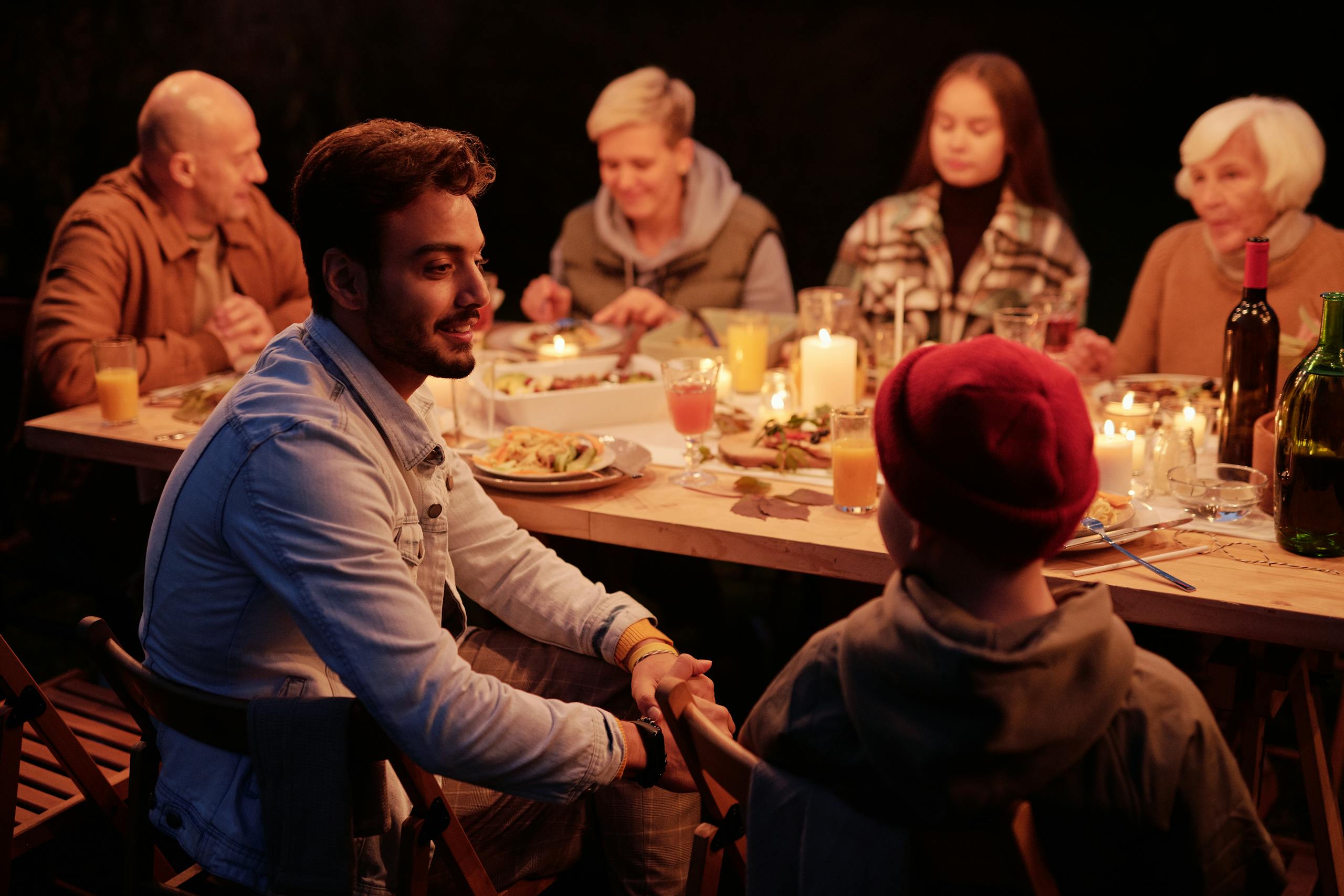
Holidays should feel like a break from daily pressure. Instead, many families arrive with invisible rules about what not to mention, who not to sit beside, and which topic will ruin dessert.
Even outside the holidays, group chats can feel risky. A joke lands badly. A news link starts a fight. Someone leaves the chat, and someone else takes it personally. It is no surprise that many people avoid family political conversations just to keep relationships from cracking further.
Conclusion
Culture wars do not exhaust families only because people disagree. Families have always disagreed. The real fatigue comes from feeling like every dinner, school event, holiday, news story, and online post could become a test of loyalty.
It is not just about Washington, cable news, or viral clips. It is about parents trying to keep peace, kids absorbing tension, relatives drifting apart, and ordinary people losing emotional room for each other.
Families do not need to agree on everything to survive this moment. They need more patience, better boundaries, quieter rooms, and the courage to protect love from becoming another battlefield.