Trust rarely disappears in one dramatic scene. It usually leaks out slowly, through small comments, strange silences, broken promises, and moments that leave people wondering what was really meant.
In America’s busy social world, people are already tired. They are juggling work, bills, family stress, group chats, awkward office politics, and friendships that often live half online. Nobody has endless energy to decode mixed signals.
The way someone talks, listens, apologizes, keeps secrets, and handles conflict can either make people feel safe or quietly put them on alert.
Some habits do not look cruel at first. They look casual, funny, harmless, or even charming. Then, over time, people begin to notice that something about the person makes it difficult to trust them.
Social Habits That Make Every Conversation Feel Risky

Some people make every conversation feel like a trap. They listen closely, but not with care. They listen like collectors gathering material for later jokes, arguments, or gossip.
That habit makes others edit themselves. Friends stop sharing personal details, coworkers stay guarded, and relatives keep answers short. Real connection depends on trust in others, and people lose that trust when every private sentence feels unsafe.
Gossiping Like It Is Just Entertainment
Gossip can feel bonding at first. Two people share a secret, laugh about someone’s mistake, or trade stories that make them feel closer for a moment. The problem is that gossip always reveals more about the speaker than the target.
If someone casually exposes other people’s private lives, listeners naturally wonder what happens when they leave the room. A person who treats secrets like currency may be fun at lunch, but they rarely feel safe in real friendship.
Constantly Changing the Story
Everyone forgets details sometimes. Stress, time, and emotion can blur memory. But when someone keeps changing key facts, shifting blame, or rewriting events to look better, people start paying attention.
That habit makes trust shaky because others cannot tell which version is real. One day, the person says they had no choice. The next day, they claim they never said it. Eventually, the story becomes less important than the pattern.
Making Promises They Never Plan to Keep

Some people say yes because they want to seem generous, helpful, or loyal in the moment. They promise to show up, pay back money, make a call, help with a move, or keep a deadline. Then they disappear when follow-through becomes inconvenient.
Broken promises teach people to lower expectations. After enough disappointment, even kind words start sounding like background noise. Reliability may not be flashy, but it is one of the strongest foundations of trust.
Oversharing Too Fast to Create Instant Intimacy
Oversharing can feel flattering at first. Someone reveals private trauma, relationship drama, family secrets, or workplace conflict within minutes of meeting. It can make the listener feel chosen.
Yet fast intimacy can also feel unstable. Healthy relationships need time, rhythm, and emotional balance. Strong, healthy support systems grow through trust, not pressure. When someone rushes closeness too quickly, people may wonder what boundary will be crossed next.
Acting Kind in Public and Cruel in Private
A person can be charming in a crowd and cutting behind closed doors. They smile at strangers, praise themselves as caring, and show warmth when people are watching. Then they become dismissive, rude, or controlling when there is no audience.
That split makes people uneasy. The public’s kindness starts to feel like theater. Trust grows when someone’s character stays steady, not when their behavior changes depending on who might applaud.
Turning Every Apology Into a Defense
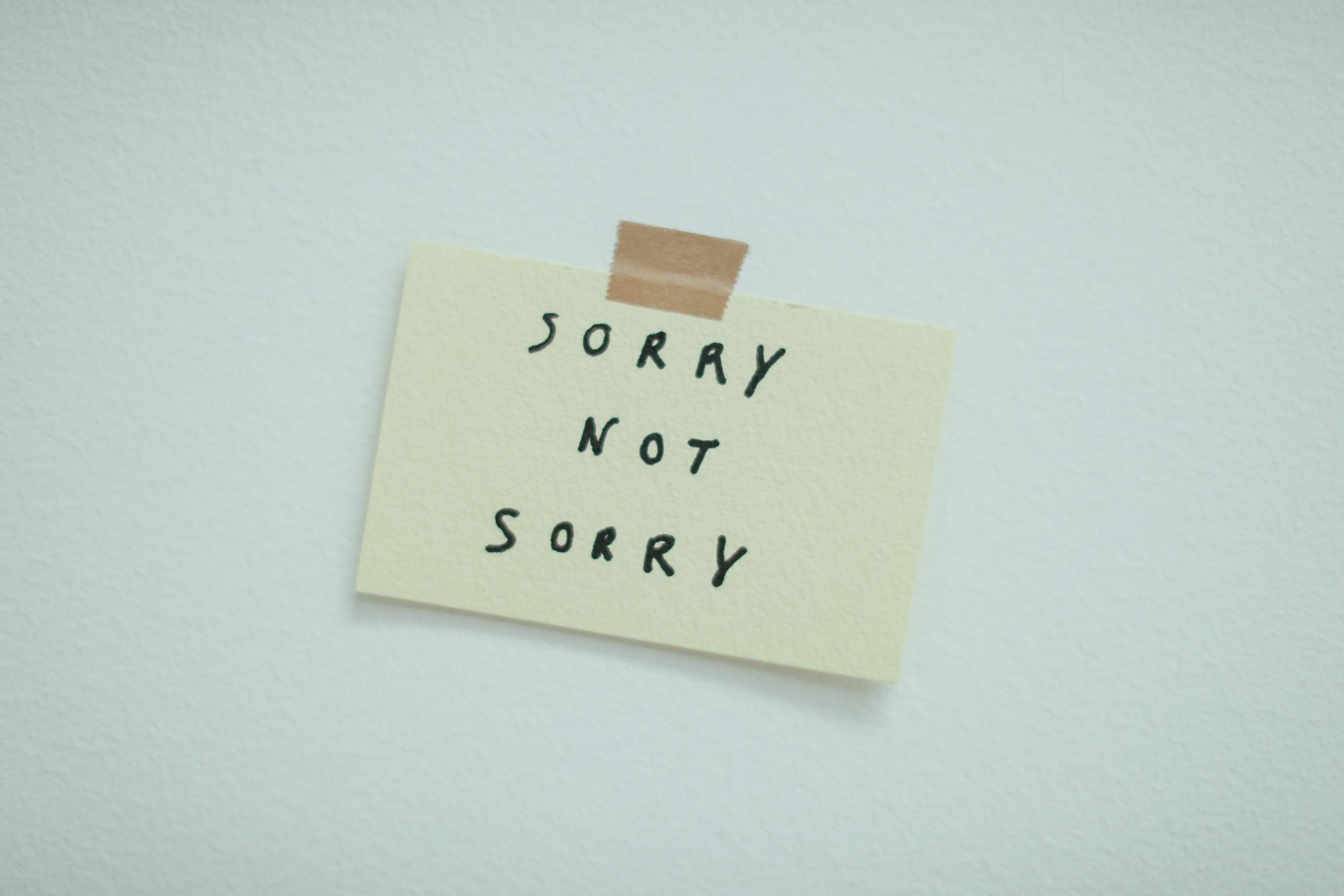
A real apology makes room for the hurt person. A fake apology makes room for excuses. Some people say sorry, then immediately explain why they were tired, misunderstood, provoked, stressed, or technically not wrong.
That habit tells people the apology is not about repair. It is about escaping consequences. Over time, others stop bringing up problems because they know every conversation will become a courtroom.
Using Silence as Punishment
Silence can be healthy when someone needs space to calm down. It becomes harmful when it is used to control, punish, or make others beg for basic communication.
The silent treatment creates anxiety because nobody knows what rule was broken or how long the punishment will last. Strong relationships need room for pause, but they also need honest repair. Human beings are wired for connection, and social connection matters more than pride during conflict.
Being Different Online Than in Real Life
Some people present one version of themselves online and another in person. Online, they may sound compassionate, wise, loyal, or fearless. Offline, they may avoid responsibility, treat people poorly, or act nothing like their public image.
That mismatch can make trust collapse. People do not expect perfection, but they do expect some connection between image and behavior. When the gap gets too wide, the person starts feeling like a brand instead of a human being.
Treating People as Useful Until They Are Not

This habit is easy to miss at first because it often comes wrapped in charm. Someone calls when they need a favor, advice, money, support, a ride, a contact, or emotional rescue. When they are fine, they vanish.
People eventually notice when the relationship only moves in one direction. Digital tools can make this worse because digital communication patterns make it easy to appear connected without showing real care. Trust fades when someone only reaches out when they need access, not connection.
Key Takeaway
The most damaging social habits are not always loud. Many are small enough to explain away at first: one broken promise, one strange apology, one private detail repeated, one silence used like a weapon.
Over time, people stop trusting the person who makes them feel unsafe, confused, used, or emotionally manipulated. Trust is built through consistency, honesty, discretion, and care when nobody is watching.
The easiest way to become more trustworthy is not complicated. Keep your word. Protect private information. Tell the truth. Apologize without performing. Treat people well, even when they cannot offer you anything in return. That is the kind of social behavior people remember.