That jar of homemade jam or giant bag of rice might seem like the perfect food pantry donation, but it could create more work than you realize.
Donating food is one of the simplest ways to help families struggling with grocery bills. However, even generous donations can become a headache when they arrive in damaged packaging, unsuitable containers, or hard-to-distribute quantities.
The good news? Making your donations more useful doesn’t require spending more money. Sometimes, choosing a different package makes all the difference.
Opened Food and Badly Damaged Packages
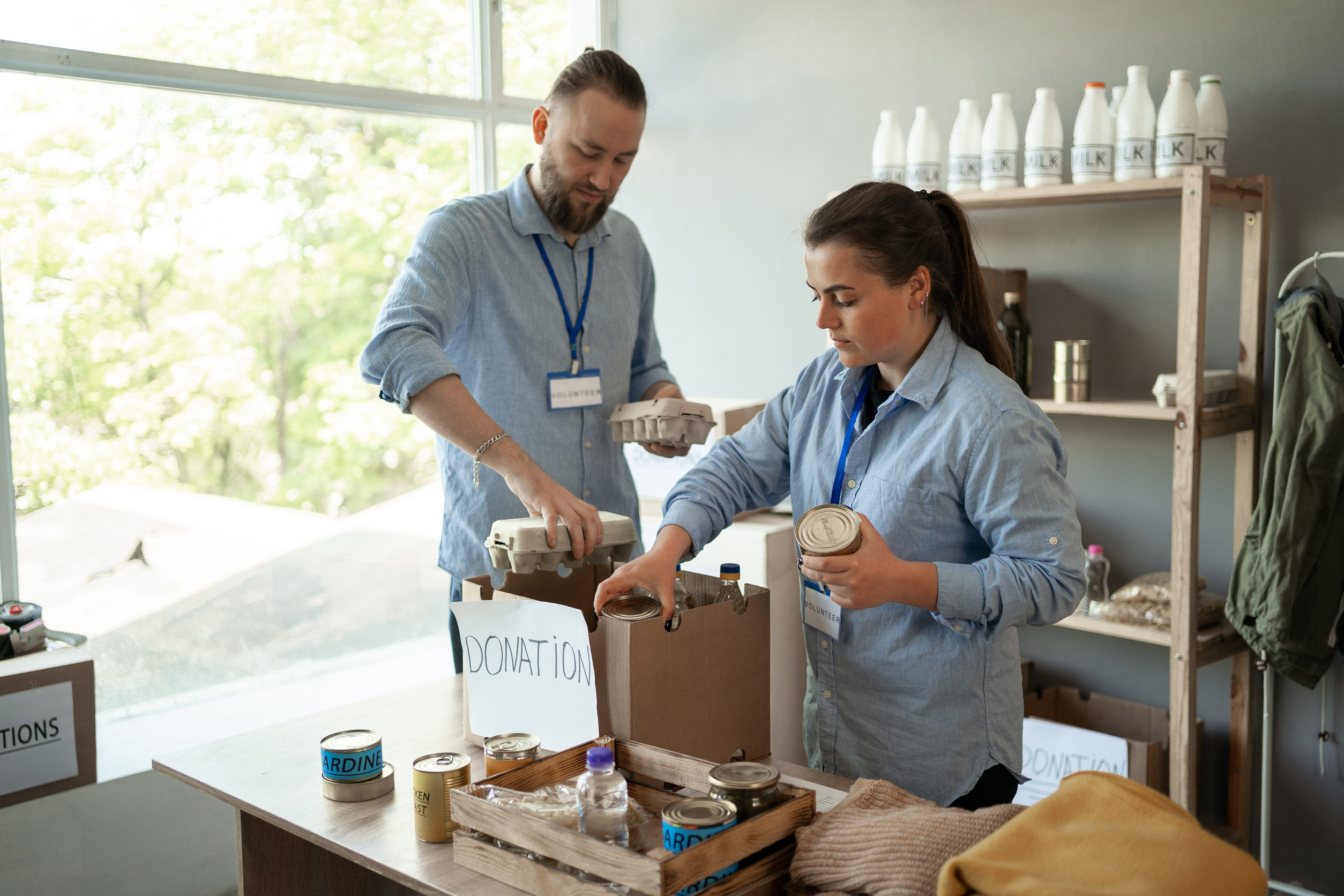
That half-used jar of peanut butter might still look perfectly fine in your kitchen. Unfortunately, a food pantry cannot simply take your word for it.
Organizations such as the Community FoodBank of New Jersey do not accept opened food. Broken seals, leaking cans, and torn inner packages can make products unsuitable for distribution.
Here’s something worth knowing: a slightly dented can isn’t automatically unsafe. The USDA distinguishes minor dents from serious damage, especially around a can’s seams.
What to donate instead: Choose unopened canned beans, tuna, chicken, oatmeal, or cereal in intact packaging.
A simple rule works beautifully here: donate groceries you’d feel comfortable buying from a store shelf.
Homemade Meals and Home-Canned Foods

Grandma’s famous vegetable soup might deserve a standing ovation at Sunday dinner. That doesn’t necessarily mean it belongs in a food pantry donation box.
Many organizations cannot accept homemade casseroles, preserves, or home-canned vegetables because they cannot verify ingredients, preparation methods, or storage conditions.
The Chester County Food Bank specifically excludes homemade food from its donations.
This doesn’t mean homemade cooking is inherently bad. It simply means food pantries must follow rules that help them distribute food responsibly.
What to donate instead: Pick commercially canned soup, chili, stew, vegetables, or factory-sealed peanut butter.
These products have clear labels and packaging, making them easier for pantry workers to sort and distribute.
Refrigerated and Frozen Foods Without Permission
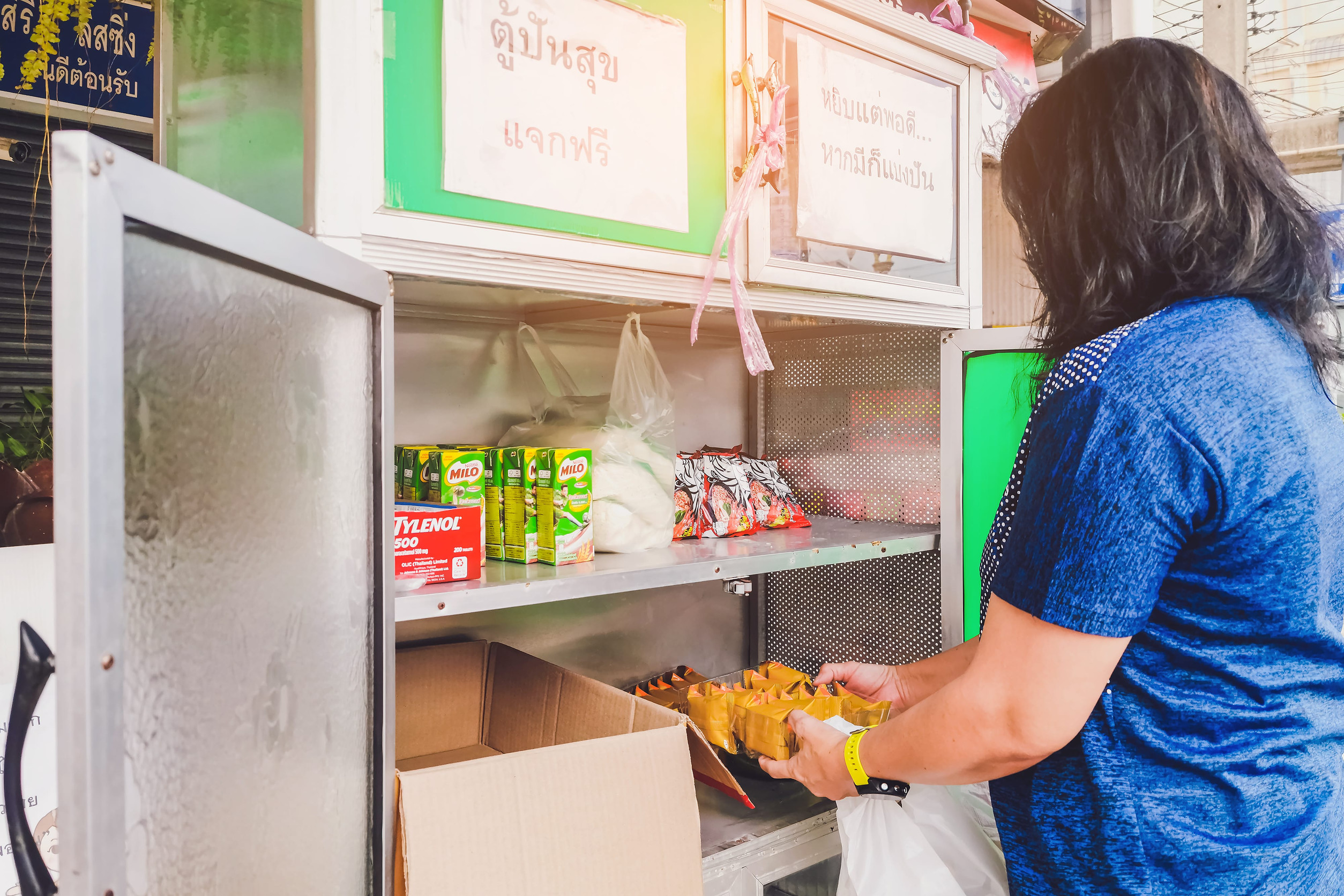
Picture someone dropping off frozen chicken at a community collection bin on a warm afternoon. The intention might be wonderful, but the donation creates an immediate storage problem.
Unlike grocery stores, not every food pantry or donation site has refrigeration.
For example, Redwood Empire Food Bank accepts perishable donations at its distribution center but doesn’t allow them in community collection barrels.
That distinction matters. Fresh produce, meat, and dairy aren’t universally unwanted. They simply need an organization equipped to receive them.
What to donate instead: Consider shelf-stable milk, canned chicken, tuna, vegetables, or fruit.
Want to donate fresh groceries? Call first and ask whether the pantry accepts them and where to deliver them.
Giant Packages That Are Difficult to Divide
Who doesn’t love a warehouse-club bargain? A massive sack of rice might appear incredibly generous, especially when you’re trying to make every donation dollar count.
But bigger isn’t always better.
Some pantries distribute groceries directly to individuals or smaller households. An enormous package may be difficult to divide without suitable facilities.
Boston University’s food pantry specifically asks donors to avoid family-size and bulk-size products. Its suggested donations include one-pound bags of rice and smaller packages of lentils.
Meanwhile, larger food banks with specialized facilities may welcome bulk donations.
What to donate instead: Choose smaller, factory-sealed packages of rice, lentils, pasta, or everyday canned goods when the receiving pantry requests them.
And resist the temptation to divide a giant bag into smaller bags yourself. Some organizations cannot accept food repackaged at home.
Glass Jars That Could Break During Handling
Glass jars can make pantry staples look appealing, but they’re not always welcome in donation boxes.
Imagine volunteers sorting hundreds of groceries when one glass container breaks. Suddenly, there’s a cleanup problem, and nearby food may be affected.
The Food Bank of Contra Costa and Solano specifically excludes glass containers from its food drives.
However, this rule isn’t universal. Some organizations accept glass jars, including certain pasta sauces.
What to donate instead: Look for peanut butter and jelly in plastic jars, canned tomatoes, or canned fruit.
Before buying a cart full of groceries, check the pantry’s packaging requirements. A tiny adjustment can save volunteers considerable trouble.
How to Make Every Food Donation Count
You don’t need a huge budget or a complicated shopping strategy to make a meaningful contribution.
Start with the receiving pantry’s current wish list. Common requests include canned proteins, beans, oatmeal, cereal, pasta, and shelf-stable milk. Some organizations particularly appreciate easy-open cans.
Don’t automatically throw out groceries just because their best-by date has passed, either. The FDA explains that these dates generally indicate quality rather than an automatic safety cutoff. Individual pantries may still have stricter acceptance rules.
If you’re unsure what to purchase, consider giving money instead. Food banks can use donations to purchase needed groceries and support transportation and distribution.
The biggest takeaway? A thoughtful donation isn’t necessarily the biggest bag or most expensive item. It’s the food a pantry can actually accept, handle, and share with the people who need it.
A quick look at the wish list before shopping could make your next act of generosity even more useful.