Growing older can bring a certain freedom, and for some women, it starts with letting go of everyone else’s expectations. The clothes they wear, the relationships they choose, and how they spend their time no longer need lengthy explanations.
A 2024 AARP Research analysis involving 20,854 women found that 75% of women aged 50 and older measured their beauty by their own sense of self, compared with 65% of younger women. While turning 60 doesn’t magically erase insecurity, the findings suggest that growing older can bring greater self-acceptance.
From embracing gray hair to choosing independence, here are nine things some women over 60 are becoming more comfortable doing on their own terms.
Looking their age without trying to appear younger
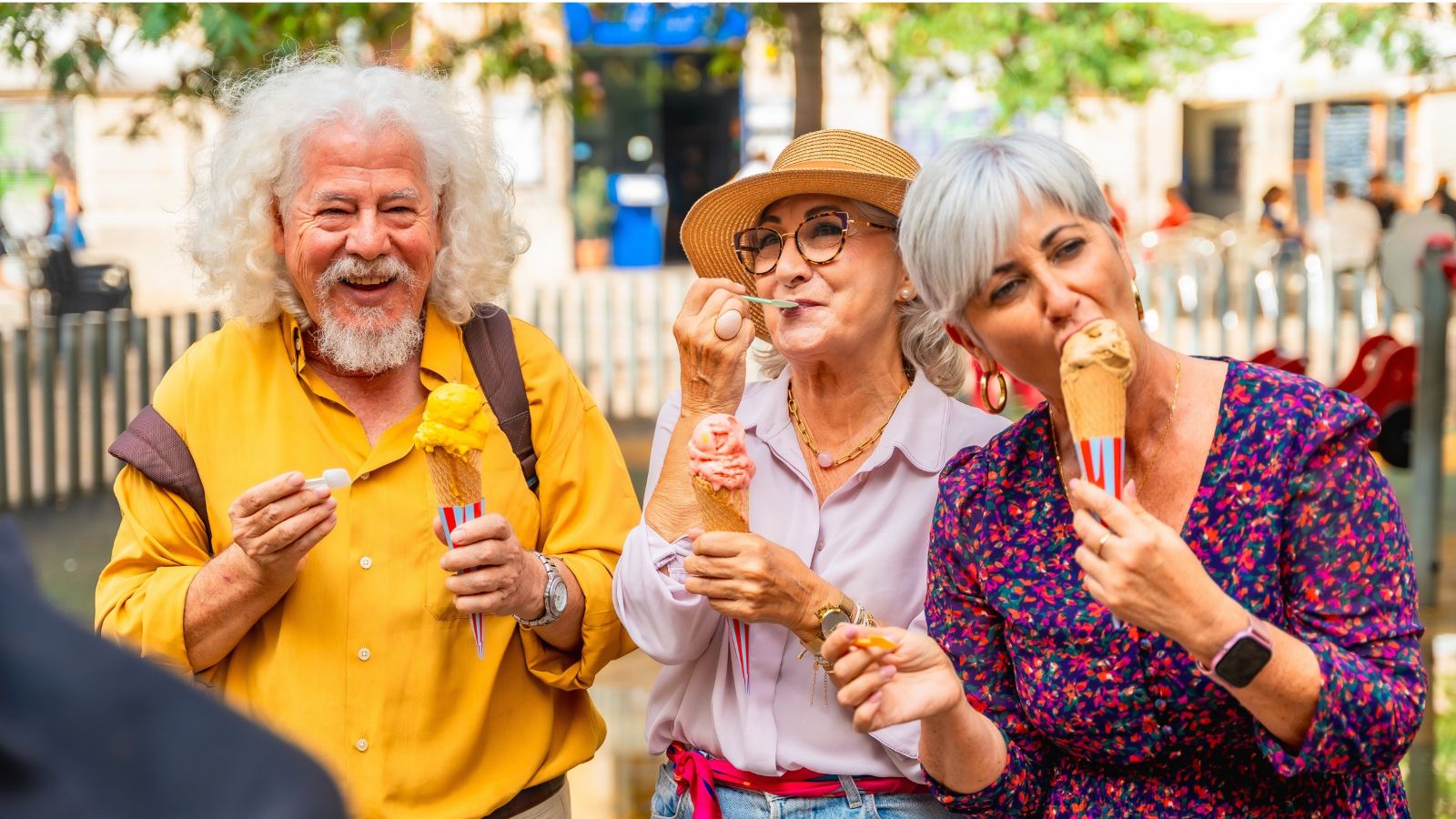
For years, women have faced endless reminders to fight wrinkles, conceal gray hair, and chase youth. But growing older doesn’t have to mean constantly trying to turn back the clock.
AARP’s 2024 research found that 75% of women 50-plus relied on their own sense of beauty rather than comparing themselves with others.
That doesn’t mean every older woman abandons beauty products or cosmetic treatments. Some become more comfortable deciding what makes them feel beautiful.
After decades of changing beauty standards, choosing authenticity can feel more rewarding than chasing approval.
Wearing whatever makes them happy
Who decided that bright colors, bold accessories, or adventurous hairstyles belong exclusively to younger women?
For some women, growing older means finally opening the closet without worrying whether an outfit is age-appropriate.
AARP found that 70% of women aged 50 and older felt free to dress however they wanted, compared with 61% of women aged 18 to 49.
Novelist Anne Bernays offered a delightful example in an NPR interview. At 85, she described dyeing her white hair bright blue after becoming a great-grandmother.
Her choice wasn’t a universal statement about aging. It was personal expression, and sometimes that’s reason enough.
Having a body that doesn’t match youthful beauty standards
The mirror can become an unforgiving critic when every wrinkle, curve, and physical change feels like something that needs correcting.
Yet some women find their relationship with their appearance softens over time.
According to AARP, 51% of women 50-plus reported becoming kinder to themselves about body image as they aged, compared with 39% of younger women.
Another 36% said they celebrated their bodies as they grew older.
These findings don’t suggest that insecurity disappears completely. They show that self-acceptance can develop gradually, replacing some of the criticism women once directed toward themselves.
Being single without searching for a partner
Society often treats being single as a temporary condition, something that needs fixing with the right relationship.
But not every woman wants romance to become the centerpiece of her later years.
A Pew Research Center analysis found that 51% of American women aged 65 and older were living without a spouse or unmarried partner in 2023.
Separately, Pew’s 2022 survey found that only 16% of single adults 65-plus were actively seeking dates or relationships.
Those figures don’t explain every woman’s personal circumstances. Still, they challenge the assumption that everyone wants a romantic partner.
For some women, independence isn’t a waiting room. It’s a meaningful choice.
Making their own choices about intimacy
Older women’s romantic and intimate lives are often surrounded by contradictory expectations. Some people assume intimacy disappears with age, while others treat an active romantic life as essential.
Real experiences are far more varied.
A University of Michigan survey of 1,206 women aged 50 to 80 found that 52% of those who weren’t sexually active were satisfied with their level of sexual activity.
Among sexually active respondents, 74% reported satisfaction.
Neither choice determines a woman’s worth or happiness. Whether she wants companionship, romance, physical intimacy, or none of these, her preferences deserve respect without demanding an explanation.
Saying no to endless caregiving responsibilities
For generations, many women have been expected to organize family life, care for relatives, and remain available whenever someone needs assistance.
Those responsibilities can be meaningful, but they also require time and personal sacrifice.
The 2025 AARP and National Alliance for Caregiving report estimated that 63 million American adults provided family care, with women making up about three in five caregivers.
These figures cover caregivers of different ages, not specifically women over 60.
Still, they help explain why setting boundaries matters. Asking relatives to share responsibilities or protecting personal time doesn’t mean someone cares less.
Sometimes, saying no to one request makes room for something equally important.
Continuing to work beyond traditional retirement expectations
A woman’s experience and professional ambitions don’t automatically disappear when she reaches her sixties.
Yet older female workers can encounter assumptions about their abilities, appearance, and retirement plans.
The Equal Employment Opportunity Commission reported receiving more than 15,000 charges alleging both age and sex discrimination from women between fiscal years 2020 and 2023.
Those charges represent allegations, not confirmed violations in every case.
Federal employment protections recognize that age alone shouldn’t determine someone’s professional opportunities.
For women who want to continue working, their experience and ambitions deserve consideration. Retirement should not be treated as an automatic birthday obligation.
Starting something new without feeling embarrassed
A stubborn idea persists that people should finish learning life’s important lessons when they’re young.
But curiosity doesn’t come with an expiration date.
The National Institute on Aging recognizes that older adults can still learn new skills, even when unfamiliar abilities take more time to acquire.
That leaves plenty of room for a woman in her sixties to pursue photography, learn technology, attend classes, or explore a creative interest.
Being a beginner can feel uncomfortable at any age, especially when everyone else appears more experienced.
But starting from scratch isn’t embarrassing. The first attempt doesn’t have to be impressive to be worthwhile.
Making time for hobbies simply because they enjoy them
Not everything a woman does needs to serve her family, advance her career, or satisfy someone else’s expectations.
Sometimes, an afternoon belongs entirely to her.
In September 2026, NPR reported on a Colorado women’s softball team whose players ranged from 60 to 92 years old.
Their participation demonstrates how recreation and personal interests can remain meaningful parts of later life.
Of course, not everyone wants to play softball. Others may prefer reading, crafting, gardening, or spending quiet time with friends.
The activity itself isn’t the point. What matters is having the freedom to enjoy something without needing to justify its value.
The takeaway
Growing older doesn’t automatically turn every woman into someone who stops caring about other people’s opinions. Confidence, independence, and personal freedom develop differently for everyone.
Still, research and individual experiences suggest that some women become more comfortable choosing what matters to them as the years pass.
They may dress more boldly, embrace their appearance, protect their time, or discover interests they once postponed.
Perhaps the greatest freedom isn’t reaching an age when everyone finally approves of your choices. It’s realizing that their approval was never required in the first place.