American Jewish scholar and political scientist Norman Finkelstein has once again drawn international attention after remarks criticizing Israel’s conduct during the Gaza war circulated widely online. In a statement shared across social media platforms, Finkelstein was quoted as saying, “Israel kills children as a hobby,” while arguing that the issue extends beyond any single political leader and reflects broader questions about Israeli society.
The statement has fueled intense debate, with supporters describing Finkelstein as a long-time critic of Israeli government policies and opponents accusing him of making sweeping claims about an entire population. The controversy highlights the deep divisions surrounding the Israel-Gaza conflict, civilian casualties, and questions of accountability.
Finkelstein, whose academic work has focused heavily on the Israeli-Palestinian conflict, has spent decades criticizing Israeli military operations and U.S. foreign policy in the Middle East. He is the son of Holocaust survivors and has frequently discussed how his family history shaped his views on human rights and international law.
A Scholar Known for Challenging Israeli Policies

Norman Finkelstein became a prominent figure in political discussions because of his outspoken criticism of Israeli government actions, particularly regarding military operations in Gaza and the treatment of Palestinians in the occupied territories.
His supporters argue that his criticism comes from a human rights perspective and that he applies international legal standards to government actions. Over the years, he has accused Israeli leaders of using excessive force and has repeatedly called for greater attention to Palestinian civilian suffering.
However, his critics argue that some of his statements are overly broad and risk placing collective blame on Israeli citizens rather than focusing on specific government decisions, military strategies, or political leaders.
The latest remarks reflect one of the most sensitive debates in modern international politics: whether criticism of Israel’s government should be separated from criticism of Israeli society as a whole.
The Human Cost of the Israel-Gaza War
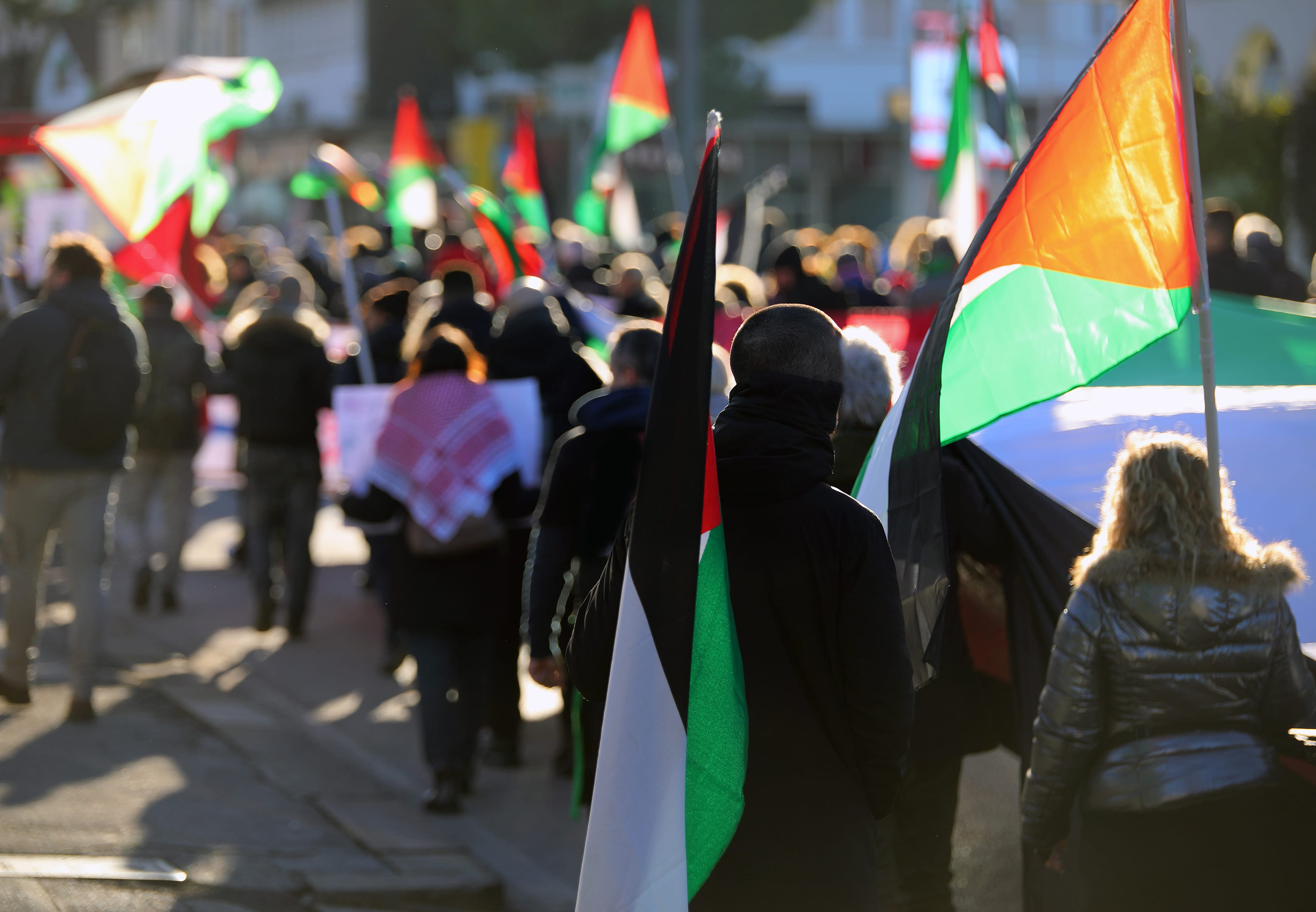
The background to Finkelstein’s comments is the ongoing debate over civilian deaths during the Israel-Gaza war. Since the conflict escalated following the October 7, 2023 attack by Hamas on Israel, thousands of Palestinians and Israelis have been killed.
International organizations, governments, and human rights groups have repeatedly raised concerns about the impact of military operations on civilians, especially children. Gaza’s dense population and limited safe areas have made civilian protection one of the central challenges of the conflict.
Israeli officials have stated that their military operations are aimed at defeating Hamas, which they classify as a terrorist organization responsible for attacks against Israeli civilians. Israel has argued that Hamas operates within civilian areas, making military operations more difficult.
Palestinian officials and many international critics have argued that Israel’s response has caused unacceptable civilian suffering and have called for stronger protections for noncombatants.
The disagreement over responsibility remains one of the biggest obstacles to reaching political solutions.
Why Finkelstein’s Words Triggered Strong Reactions
The phrase “Israel kills children as a hobby” has become the most controversial part of the statement attributed to Finkelstein. Supporters interpret it as a forceful expression of anger over civilian deaths, while critics say the wording is inflammatory and unfairly characterizes millions of Israelis.
Political debates over the Israel-Palestine conflict often become highly emotional because they involve questions of history, identity, security, and trauma on both sides.
Many Israelis point to decades of attacks against Israeli civilians, including the October 7 Hamas attack that killed about 1,200 people and resulted in the capture of hostages. Palestinians and their supporters point to decades of occupation, displacement, and military restrictions affecting Palestinian communities.
The conflict has created competing narratives, with both Israelis and Palestinians emphasizing their own experiences of loss and insecurity.
Finkelstein’s comments have therefore become part of a much larger argument about whether criticism should focus on governments and military decisions or whether wider social attitudes also play a role.
A Debate That Extends Beyond One Person
The controversy surrounding Finkelstein’s remarks reflects a broader global conversation about war, civilian protection, and political responsibility.
Critics of Israeli policies argue that governments must be held accountable for military actions and their consequences. Supporters of Israel argue that the country faces serious security threats and that criticism must recognize the role of armed groups targeting Israeli civilians.
At the same time, many observers warn against generalizing about entire populations. They argue that societies are made up of diverse individuals with different political beliefs, including Israelis who oppose government policies and Palestinians with different views about their leadership.
The challenge for international discussions is balancing criticism of state actions with avoiding language that can unfairly target ordinary people.
As the war continues to shape global politics, statements from figures like Norman Finkelstein will likely remain part of a wider debate about justice, responsibility, and the human cost of conflict.
The controversy is not only about one scholar’s words. It represents a deeper struggle over how the world understands war, accountability, and the protection of civilians caught in the middle