Donald Trump’s name does not appear in a new presidential history project featuring three former presidents, yet the lessons explored inside the essays touch some of America’s biggest debates about power, leadership and democracy.
George W. Bush writes about George Washington, Barack Obama examines Abraham Lincoln, and Bill Clinton studies Theodore Roosevelt in a project designed to explore the meaning of presidential leadership.
The essays avoid direct political arguments, but their themes return to questions Americans continue to debate today, including the limits of power, loyalty to institutions and the responsibility of those who lead.
The project, called In Pursuit, brings together former presidents, historians, military leaders, legal figures and public voices to examine the choices that shaped America’s first 250 years.
It arrives as the United States prepares to celebrate its 250th anniversary, creating a moment to reflect on both the country’s achievements and its unresolved challenges.
Rather than presenting presidents as perfect heroes, the project explores leaders as complicated figures who made difficult decisions during moments of national pressure.
A History Project Arrives at a Defining American Moment
The United States will celebrate 250 years since the Declaration of Independence in 2026, making the anniversary a major moment of national reflection.
For many Americans, the milestone is not only about celebrating the past but also considering what lessons can guide the future.
In Pursuit examines that question by looking at presidents and first ladies through essays written by influential figures from different backgrounds.
The project covers 43 presidents and 30 first ladies, creating one of the most ambitious public discussions of American leadership in recent years.
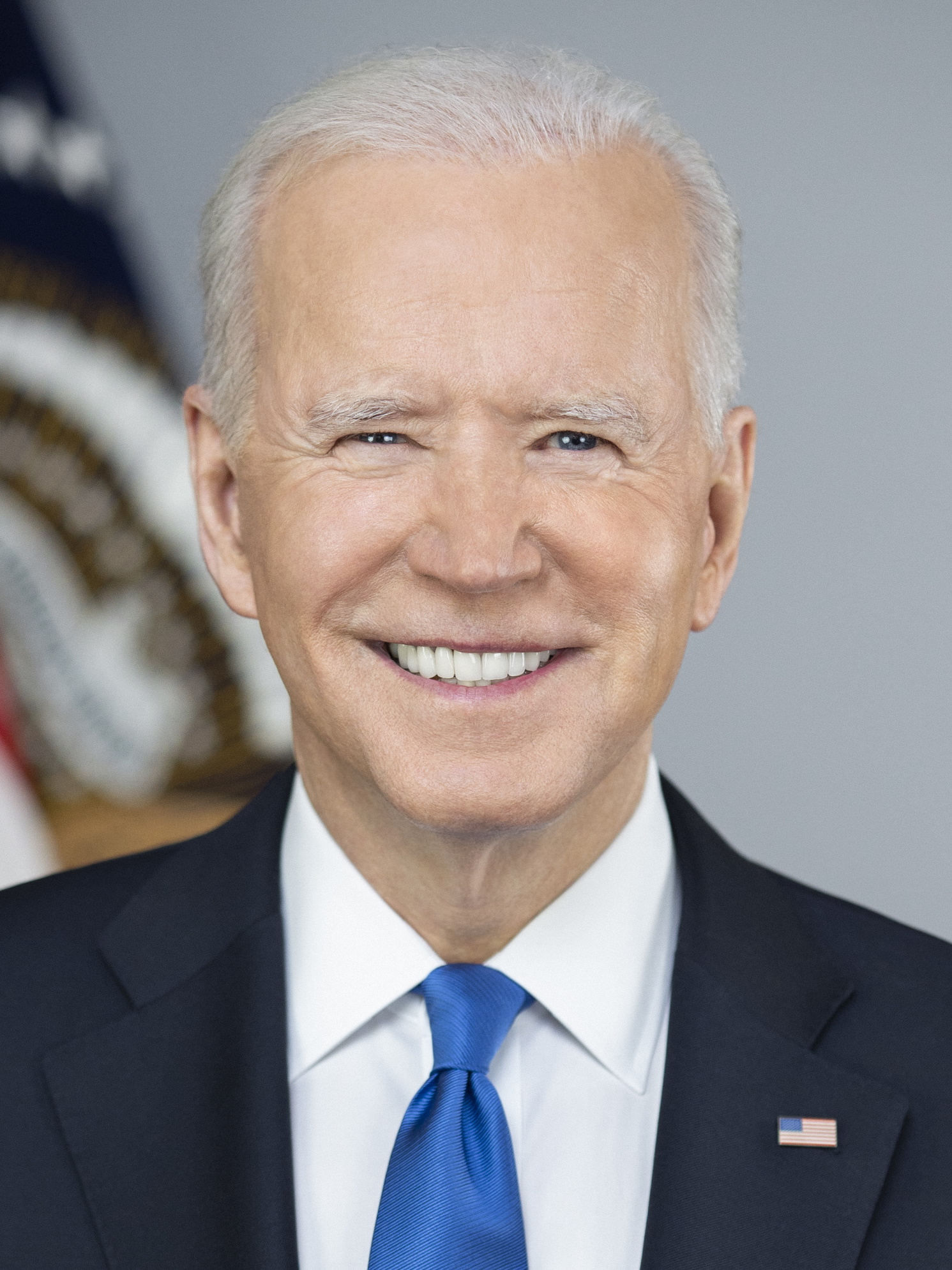
Donald Trump and Joe Biden were not included because organizers believed their presidencies were still too recent for meaningful historical evaluation.
Historians often wait before judging presidents because time can reveal consequences that are difficult to see during political conflicts.
George Washington’s Greatest Victory Was Giving Power Away
George W. Bush’s essay focuses on a surprising part of George Washington’s legacy.
Instead of concentrating on Washington’s military victories or his role in creating the presidency, Bush highlights the moment Washington decided to surrender power.
After leading American forces to victory during the Revolutionary War, Washington had the popularity and influence to demand a greater role in government.
Instead, he returned control of the military to civilian leaders and went back to private life.
At a time when victorious generals often became rulers, Washington created a different model of leadership.
He showed that power could be used as a responsibility rather than treated as personal property.
Washington’s decision became so unusual that historians compared him to Lucius Quinctius Cincinnatus, a Roman leader who received extraordinary authority during a crisis before returning to ordinary life.
The comparison represented an ideal of civic responsibility and humility.
Years later, Washington strengthened that tradition by refusing to seek a third presidential term.
The Constitution did not require him to leave office, but he believed the presidency should not become a permanent position.
His decision influenced American politics for more than a century until Franklin D. Roosevelt won four elections during the Great Depression and World War II.
Lincoln’s Legacy Shows the Challenge of Balancing Freedom and Responsibility
Barack Obama focuses his essay on Abraham Lincoln, another president whose leadership was shaped by crisis.
Lincoln is often remembered for the Civil War, the Emancipation Proclamation, and the preservation of the Union.
Obama explores another part of Lincoln’s legacy: the relationship between individual freedom and the common good.
Lincoln believed government could help create opportunities that individuals could not always build alone.
His presidency raised questions that remain relevant today about the balance between personal liberty and national responsibility.
Lincoln’s leadership was defined by impossible choices.
He entered office as the nation was breaking apart and faced the challenge of preserving the Union while confronting slavery.
His decisions were shaped by political realities, moral questions, and the pressure of war.
Lincoln’s importance comes from his willingness to confront America’s contradictions rather than ignore them. His story remains a reminder that leadership often requires difficult choices without simple answers.
Grant’s Story Reveals Why Loyalty Has Limits
Retired Gen. Stanley McChrystal examines Ulysses S. Grant through the theme of constitutional loyalty.
Grant is remembered as the Union general who helped defeat the Confederacy and later became president during the difficult years after the Civil War.
McChrystal focuses on Grant’s belief that public servants must serve the Constitution rather than personal interests.
Grant’s career developed during a period when military leaders faced intense political pressure.
His story demonstrates why democratic institutions depend on officials who understand the difference between loyalty to a leader and loyalty to the law.
A government becomes fragile when personal allegiance becomes more important than constitutional responsibility.
The lesson from Grant remains powerful because institutions must survive beyond any individual leader.
Theodore Roosevelt Reveals the Promise and Problems of Reform
Bill Clinton’s essay examines Theodore Roosevelt, a president who transformed the role of the White House.
Roosevelt entered office during a period when powerful corporations controlled large parts of the American economy.
He believed government had a responsibility to protect citizens when private interests became too powerful.
His Square Deal philosophy focused on fairness between businesses, workers and consumers.
Roosevelt challenged monopolies, supported consumer protections and used the presidency as a platform for reform.
He also changed how Americans viewed presidential influence by popularizing the idea of the presidential bully pulpit.
However, Roosevelt’s legacy remains complicated because his achievements existed alongside racial views and policies that reflected the attitudes of his era.
The Project Examines Leaders as They Really Were
One of the strongest parts of In Pursuit is its refusal to present presidents as perfect figures.
The essays explore achievements while also acknowledging mistakes, failures, and contradictions.
The project argues that understanding history requires examining both success and disappointment.
Presidents such as Millard Fillmore and Franklin Pierce receive attention because their stories reveal difficult moments in American history.
Their presidencies show how decisions made during periods of uncertainty can shape the nation for generations.
History is not only a record of victories.
It is also a collection of warnings and lessons.
The Battle Over Historical Memory Adds Another Layer
The person behind In Pursuit also connects the project to a larger conversation about history.
Colleen Shogan, the former Archivist of the United States, helped organize the initiative before being removed from her position in 2025.
The Archivist leads the National Archives and Records Administration, which preserves important documents including the Declaration of Independence, the Constitution and presidential records.
Shogan said she was removed from the position without a public explanation.
The decision created debate about the independence of institutions responsible for preserving national records.
It also raised a larger question about who controls the way a nation remembers itself.
Historical documents allow citizens to examine government decisions and understand how leaders shaped the country.
Why Americans Are Still Turning Toward History
The response to In Pursuit suggests that interest in history remains strong.
The project has received more than one million views through its essay platform, along with significant attention through podcasts and videos.
The numbers suggest that many Americans are not rejecting history but searching for deeper explanations beyond daily political arguments.
The contributors represent different backgrounds, including former presidents, historians, military leaders, legal figures, and journalists.
The goal is not to create complete agreement.
It is to encourage a wider conversation about leadership and responsibility.
The Presidency Remains a Test of Character
The presidents explored in In Pursuit lived in different centuries and faced different challenges.
Washington created traditions for a new nation, Lincoln guided America through its greatest internal crisis, Grant defended constitutional responsibility, and Roosevelt reshaped the relationship between government and society.
Yet their stories return to the same question.
How should power be used?
Trump does not appear in these essays, but the questions surrounding presidential authority, institutional strength and democratic responsibility remain larger than any individual.
The lessons of American history show that power is not measured only by what leaders can accomplish.
It is also measured by whether they understand the importance of limits.
As America approaches 250 years, the greatest challenge may not be remembering its history.
It may be learning from it.