For more than forty years, Pecan Park Flea & Farmers Market served as the heartbeat of Jacksonville’s Northside. Stretching over 20 acres with more than 750 vendor stalls, it wasn’t merely a market; it was a cultural landmark, a weekend ritual, and a communal gathering spot. Families, collectors, and bargain hunters alike made pilgrimages to 614 Pecan Park Road every Saturday and Sunday, weaving this sprawling open-air venue into the fabric of the city’s identity. From fresh produce to rare antiques, from handmade crafts to household goods, Pecan Park offered a microcosm of North Florida’s entrepreneurial spirit and vibrant community life.
The announcement of its closure on September 27, 2026, following the property’s $8.55 million sale, has sent waves of nostalgia and frustration through the community. The Butler family-linked partnership behind the acquisition plans to transform the site into an automobile dealership, signaling the end of a landmark that shaped generations. For many locals, the market was more than a place to shop; it was where childhood memories were made, livelihoods were built, and friendships were forged.
Richard Evans, a long-time neighbor, voiced the sentiment of countless residents when he said, “I feel like we’re losing so much tradition in our community. Pecan Park has been a weekend anchor for families for decades. It means a lot to people who’ve been around a long time.” Such reflections underscore the market’s impact not just economically but socially, as a cornerstone of Northside culture.
The Unique Appeal of Pecan Park
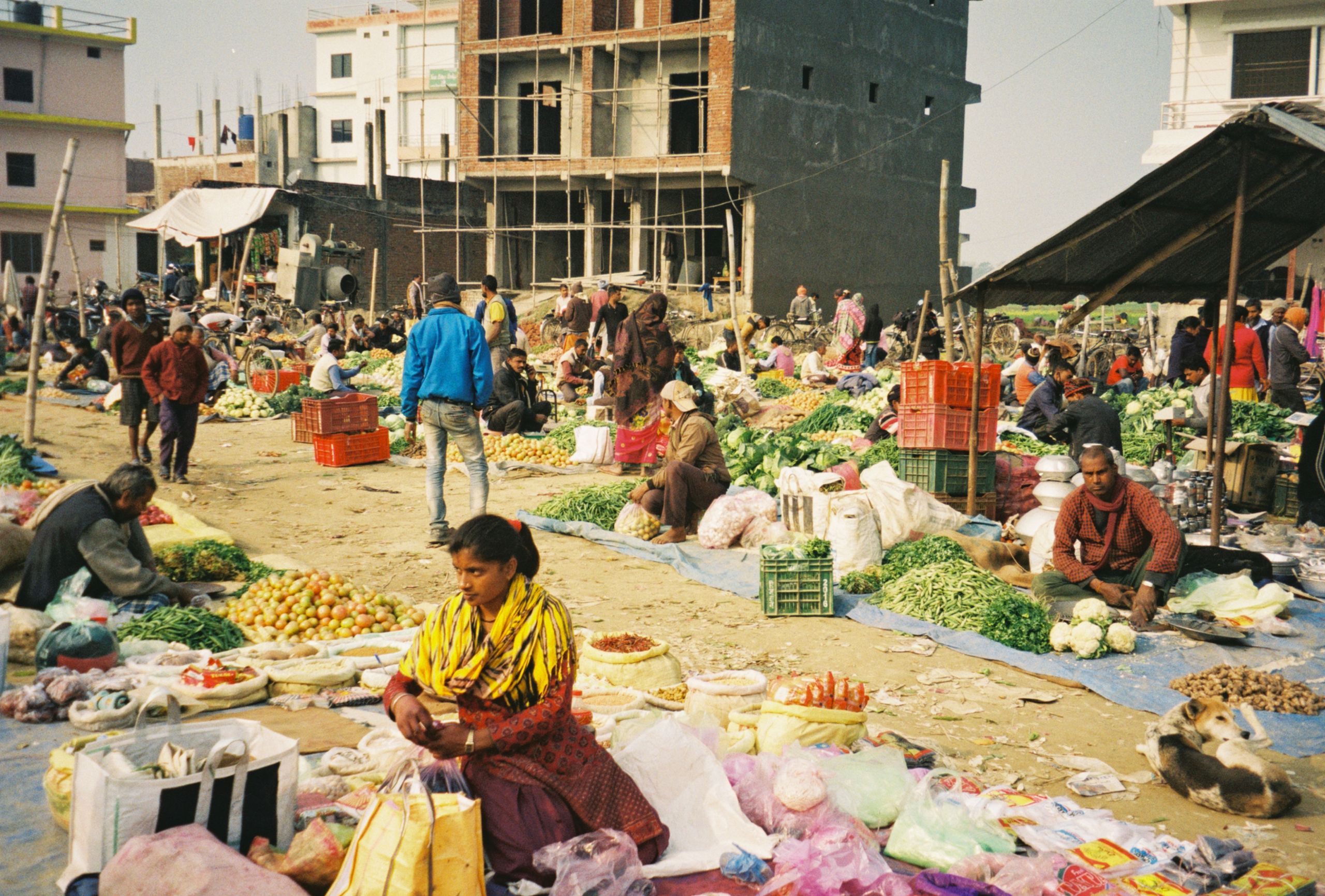
Pecan Park Flea & Farmers Market wasn’t merely the largest flea market in North Florida; it was a living, breathing ecosystem of commerce, community, and discovery. Vendors cultivated long-standing relationships with regular customers, and many small business owners built careers booth by booth, testing products, learning consumer habits, and nurturing entrepreneurial growth. Unlike chain stores or shopping centers, the market offered unpredictability and delight. A visitor could stumble upon antique jewelry, vintage collectibles, or artisanal preserves in one aisle and savor freshly baked treats or organic produce in the next.
Families cherished the market as a weekend ritual. Parents introduced their children to the excitement of haggling, exploring, and uncovering treasures hidden among the stalls. Tourists and out-of-town collectors treated the market as a destination, drawn by its vast scale and eclectic offerings. Accessibility was a key feature: free admission, ample parking, and a central Northside location allowed residents across Jacksonville to make Pecan Park a regular stop, reinforcing its role as a social equalizer and community hub.
The market also played an important cultural role. From the 1980s onward, it evolved into a venue where diverse communities intersected. Vendors came from a variety of backgrounds, showcasing foods, crafts, and products that reflected Jacksonville’s rich multicultural fabric. It became a stage for local artistry, a place where culinary traditions thrived, and a forum for entrepreneurial experimentation.
Closure Timeline and Vendor Transition
The closure plan was carefully outlined to allow vendors to wind down their operations.
- Final Public Operating Day: Saturday, September 27, 2026, marking the last day the market welcomed shoppers.
- Vendor Access Period: Vendors may continue accessing their stalls through the end of October to clear inventory and remove equipment.
- Permanent Closure: Post-October 2026, the property will be closed entirely to vendors and the public, with access restricted under the new ownership.
Vendors were notified via letters posted on their booths, which expressed gratitude for their role in the market’s history and outlined the transition timeline. Social media posts reflected sentiments of closure, with longtime customers sharing memories of family traditions, rare finds, and the market’s sense of community. The widespread response illustrates that Pecan Park’s significance extended far beyond commerce; it was an enduring symbol of Jacksonville’s social cohesion.
Economic and Social Impact
The economic impact of Pecan Park’s closure is substantial. Vendors, many of whom relied on the market as their primary source of income, face the challenge of relocating or adjusting business models. For small entrepreneurs, flea markets like Pecan Park offer opportunities that traditional retail spaces cannot: affordable stall rents, direct customer engagement, and exposure to a diverse clientele. Many artisans and food vendors launched their careers in these aisles, and the loss of such a venue represents both a financial and an operational disruption.
Socially, the market’s closure resonates with families who used Pecan Park as a weekend tradition. It was a space where neighbors connected, children learned about trade and negotiation, and visitors discovered a sense of belonging within Jacksonville’s Northside. The market also functioned as a hub for intergenerational exchange: grandparents, parents, and children shared experiences that became family lore, passed down over decades. Losing this space removes not just a commercial entity, but a touchstone of community identity.
The cultural loss reflects a broader urban trend. In Jacksonville, public spaces that accommodate family-oriented entertainment, community engagement, and small-scale entrepreneurship are increasingly being replaced by commercial redevelopment projects. Residents’ online critiques of the new car dealership plan highlight concerns about prioritizing profit over community value. This debate underscores ongoing tensions between economic development and the preservation of cultural landmarks.
Location and Accessibility
Strategically situated at 614 Pecan Park Road, the market’s Northside location offered easy access from I-95 at Exit 366. Its layout, a sprawling, open-air campus with over 750 vendor stalls , provided space for exploration and discovery. Free parking and unrestricted entry further reinforced its accessibility, ensuring that families, collectors, and tourists could participate without logistical barriers.
The market’s accessibility contributed to its popularity and regional influence. Shoppers from surrounding Duval County neighborhoods, as well as tourists seeking a weekend destination, were drawn to Pecan Park for both its scale and variety. Its presence exemplified how location, infrastructure, and inclusive design can amplify a market’s cultural and economic impact.
Future Plans for the Property
The new owners plan to redevelop the 20-acre site into an automobile dealership. While this project may generate commercial revenue and employment, it has sparked criticism from the community. Many residents argue that Jacksonville already has a sufficient number of car dealerships and that repurposing the land for recreational, family-oriented, or community-driven purposes would better serve Northside residents.
This reaction is emblematic of broader urban planning debates: how to balance commercial gain with community need, and how to ensure that long-standing cultural landmarks are not erased without viable alternatives. Online forums and social media posts reflect a sense of loss and frustration, with community members lamenting the disappearance of a space that fostered collective memory, creativity, and small-scale entrepreneurship.
Community Response and Reflections
The market’s closure has sparked discussion across social media, local news outlets, and community forums. Residents have expressed grief over the loss of a communal space, while vendors contemplate new locations and business strategies. The narrative surrounding Pecan Park highlights a broader urban reality: cultural landmarks are vulnerable to market pressures, and communities often struggle to preserve spaces that foster social cohesion.
For families who grew up visiting Pecan Park, the market’s final days are a bittersweet farewell. Parents are passing down stories of their own childhood visits, while vendors recount decades of entrepreneurial resilience and personal growth. The market leaves behind a legacy of shared experiences, innovation, and a model for how open-air markets can anchor a community for generations.