Buying secondhand furniture can be a smart way to furnish a home without paying full retail prices. Thrift stores, estate sales, online marketplaces, and neighborhood resale groups often have pieces that are still useful and attractive.
However, a low price does not automatically make an item a good purchase. A sofa may have hidden damage, a cabinet may have missing hardware, and an attractive vintage piece may require more repairs than expected.
Before handing over your money, take time to examine what you are buying. These eight checks can help you avoid costly surprises.
Examine the Furniture for Structural Damage
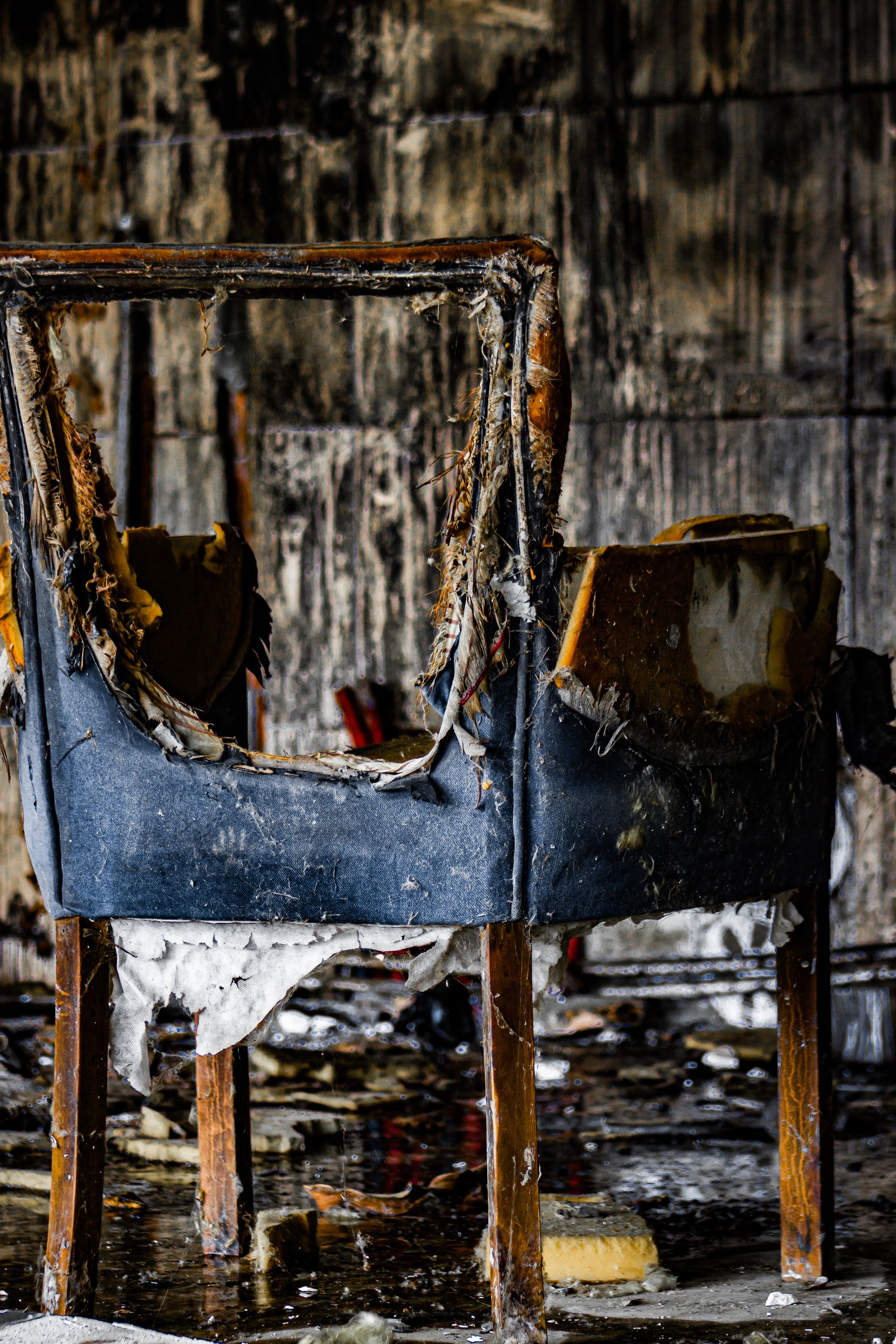
Start by checking whether the furniture is stable and properly assembled. A dining chair should not wobble excessively, and a table should not lean when placed on a level surface.
For larger pieces, inspect the legs, joints, frames, and supporting sections. Look for cracks, loose connections, missing screws, and signs of an improvised repair.
If you are considering a sofa, sit on different sections and check whether the cushions and frame feel consistent. A piece that looks attractive in photographs may feel very different when you actually use it.
Look Carefully for Signs of Insects
Used furniture can sometimes carry unwanted visitors, particularly upholstered items and pieces with hidden crevices.
Consumer Reports recommends inspecting furniture carefully for signs of bedbugs, including small cracks and spaces where insects may hide. Check seams, folds, joints, and the undersides of furniture.
Do not rely only on what the seller says. Use a flashlight to examine hard-to-see areas, and walk away if you notice suspicious evidence that cannot be satisfactorily explained.
Related Post: 7 Things You Should Never Do During a Thunderstorm — Even Inside Your Home, You Could Still Be at Risk
Check for Mold, Moisture and Unusual Odors
A secondhand cabinet or sofa may look perfectly fine but still carry an unpleasant smell from its previous environment.
Check the underside, back panels, drawers, and enclosed compartments for signs of moisture damage. Look for discoloration, peeling surfaces, swollen wood, or visible mold.
Also watch for strong smoke or chemical odors. Consumer Reports advises buyers to smell furniture and investigate unusual odors rather than ignoring them.
Some smells may be difficult to remove, even after cleaning. If the item has a persistent odor or visible damage, consider whether it is worth the trouble.
Open Every Drawer and Door
For cabinets, dressers, wardrobes, and desks, don’t judge the item by its exterior alone.
Open and close every drawer to see whether it moves smoothly. Check that the handles are secure and the tracks aren’t badly damaged. Cabinet doors should close properly without hanging unevenly.
Look inside for broken shelves, missing fittings, stains, and previous repairs. If the furniture comes with removable shelves or accessories, confirm that all the necessary pieces are included.
Replacing a small handle may be inexpensive, but repairing several damaged drawers can become a much bigger project.
Confirm the Measurements Before Paying
One of the easiest mistakes is buying furniture without measuring the space it will go in.
A wardrobe may fit inside a bedroom but fail to pass through the doorway. A dining table might occupy too much room once chairs are pulled out, while a sofa may block access to another part of the living room.
Measure the furniture’s height, width, and depth. Then measure doorways, staircases, hallways, and the intended placement area.
If possible, ask the seller for exact dimensions before arranging collection. This is especially important when purchasing through online marketplaces.
Ask About the Furniture’s History
A seller may know more about an item’s condition than the photographs reveal.
Ask how old the furniture is, how long it has been used, whether it has been repaired, and whether any parts have been replaced.
For wooden furniture, find out whether the original finish has been altered. For upholstered pieces, ask about spills, tears, smoke exposure, and previous cleaning.
You may not receive every answer, but asking specific questions can help you decide whether the asking price reflects the item’s actual condition.
Related Post: 7 Things You Should Never Do With Your Fireplace This Fall
Check Whether the Product Has Been Recalled
Not every secondhand product is automatically safe to use simply because it is available for sale.
The UK’s Office for Product Safety and Standards advises consumers to check whether used products have been recalled. It also recommends checking for missing instructions and modifications that may affect a product’s safety.
This is particularly important when purchasing furniture with electrical components, moving parts, or specialized fittings.
If the seller cannot identify the manufacturer or model of an item that requires safety information, take time to investigate before purchasing.
Calculate the Total Cost Before Negotiating

A secondhand item may appear inexpensive until transportation, cleaning, replacement parts, and repairs are added.
For example, a bargain wardrobe may require new handles, replacement hinges and a delivery service. A sofa may need professional cleaning or upholstery work before it can be used.
Add these expenses to the asking price, then compare the total with the cost of buying a similar item elsewhere.
Do not be afraid to negotiate, especially when there are visible defects. However, avoid purchasing something simply because the seller has reduced the price.
Final Thought
Secondhand furniture can help homeowners save money, discover unique designs, and give useful items another life. The key is knowing what to inspect before committing.
Take photographs, ask questions, measure carefully, and examine the item in person whenever possible. A good secondhand purchase should offer genuine value, not become an expensive repair project after it reaches your home.