A sudden power outage can interrupt more than television or internet access. It can disrupt lighting, food preparation, communication, household routines, and certain appliances.
Although some outages last only a short time, others can continue for hours or even days following severe weather or damage to electricity infrastructure.
The Federal Emergency Management Agency recommends preparing household emergency supplies in advance rather than waiting for an emergency. Its guidance includes keeping essential items together in portable containers so they can be accessed when needed.
Here are eight useful items every household should consider keeping ready.
Reliable Flashlights
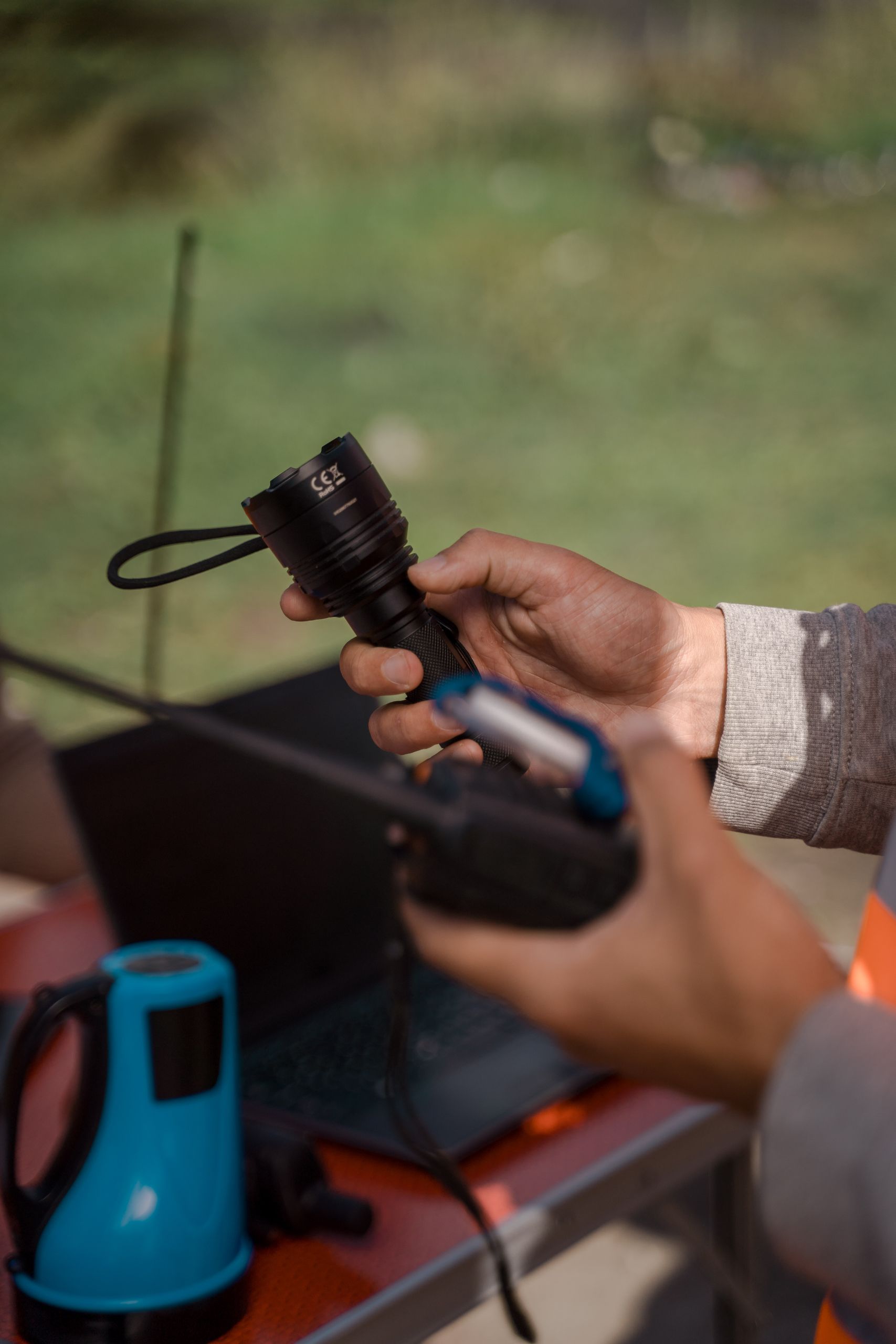
When electricity goes out at night, a reliable flashlight can make it easier to move around the house without relying on candles or searching for a phone’s light.
Keep at least one flashlight in an accessible location, preferably somewhere every household member knows. A second flashlight can be kept in another commonly used area.
Check that the device works and that its batteries are not exhausted. Rechargeable models are another option, provided they are charged before an outage occurs.
A small flashlight can also be kept near the entrance of the home for easy access.
Extra Batteries
Flashlights, radios, and some emergency devices depend on batteries. Without a power source, the equipment is much less useful.
Keep spare batteries that match the devices in your household. Store them in their original packaging or another suitable container, away from moisture and excessive heat.
Check battery condition periodically and replace any that have expired or become damaged.
It is also worth writing down the battery sizes used by your household devices so that replacements can be purchased before they are needed.
A Battery-Powered or Hand-Crank Radio
A radio can provide access to important announcements when internet services or television are unavailable.
FEMA recommends including a battery-powered or hand-crank radio in a basic emergency supplies kit. Some models can also receive weather alerts, making them particularly useful during severe weather events.
Before purchasing one, check which radio frequencies and alert features are supported in your area.
Keep the radio with its batteries or charging accessories, and test it occasionally to make sure it still works.
Related Post: 7 Things You Should Never Do During a Thunderstorm — Even Inside Your Home, You Could Still Be at Risk
A Fully Charged Power Bank
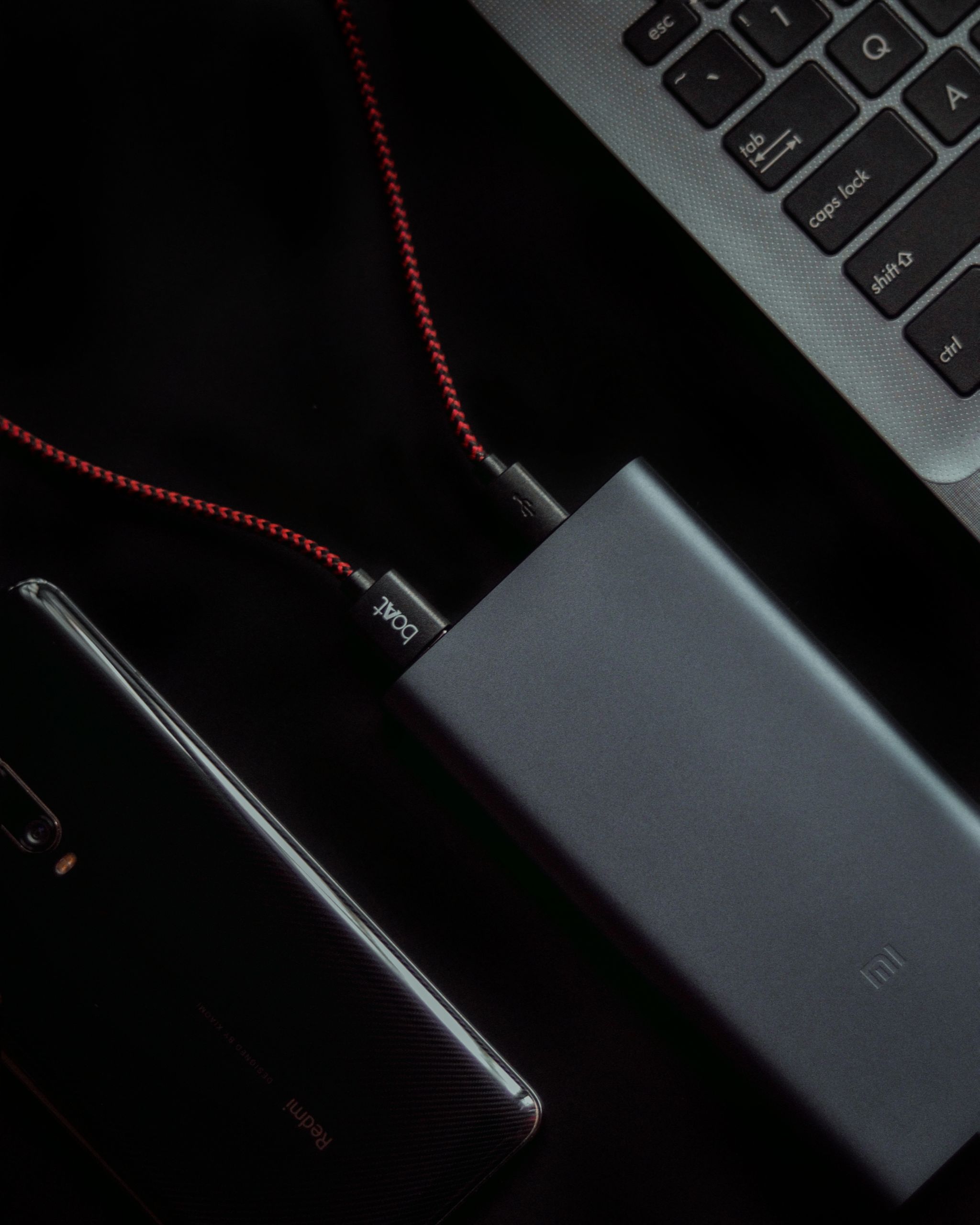
Mobile phones are important for communication, accessing information, and contacting family members during an outage.
A portable power bank can provide backup charging when wall outlets are unavailable. Choose a capacity that suits your household’s devices and consider keeping more than one if several people depend on their phones.
Remember that power banks also need to be charged before an emergency. Check their charge levels periodically and keep the appropriate cables alongside them.
A solar charging option may also be worth considering, although its usefulness depends on available sunlight and the device’s charging capacity.
Drinking Water and Easy-to-Prepare Food
An extended outage can disrupt normal shopping and food-prep routines. Keeping some basic supplies at home can make the situation easier to manage.
FEMA recommends storing water and nonperishable food in a household emergency kit. Its general guidance suggests one gallon of water per person per day for at least three days, with additional supplies based on household needs.
Useful pantry choices include canned goods, crackers, shelf-stable snacks, and other foods that do not require refrigeration.
Remember to include a manual can opener if you keep canned food. Check expiration dates and rotate supplies so older products are used before they become unsuitable.
Related Post: 7 Things You Should Never Do With Your Fireplace This Fall
A Manual Can Opener and Basic Household Tools
An electric can opener won’t work without electricity. A manual version provides a simple alternative for opening canned food.
Other useful tools include a wrench, pliers, a basic multipurpose tool, and a small pair of scissors.
FEMA’s emergency preparedness guidance also recommends keeping appropriate tools available for household situations, including equipment that may be needed to turn off utilities.
Store tools together in a designated container so they can be located easily. Keep potentially dangerous equipment away from children’s reach.
Copies of Important Household Documents
An emergency can sometimes require people to leave their homes quickly or arrange temporary accommodation.
Keeping copies of important documents together can make it easier to access essential information when needed.
Consider storing copies of identification documents, insurance information, property records, emergency contact details, and other important household paperwork in a waterproof container.
Digital copies can also be kept in a secure location, but avoid relying on a single device that may be unavailable or run out of power.
Make sure family members know where the documents are stored and how to access them when necessary.
Games, Books and Other Offline Activities

An extended power outage can leave children and adults looking for ways to spend time without television, gaming consoles, or internet access.
Board games, playing cards, puzzles, coloring materials and books can provide simple alternatives.
Families with children may want to keep a small activity bag with a few familiar games and creative materials. Adults can also include books, notebooks, or other hobbies that do not require electricity.
These items may seem less important than flashlights or batteries, but they can help maintain a sense of normal routine while everyone waits for electricity to return.
Keep Your Supplies Organized
Buying emergency supplies is only the first step. They should be stored somewhere accessible, protected from moisture, and known to everyone in the household.
FEMA recommends placing emergency supplies in portable containers, such as plastic bins or duffel bags. The agency also advises households to review their kits periodically and replace supplies when necessary.
A simple checklist attached to the storage container can help you remember what needs checking. Regularly review batteries, food dates, water supplies, charging equipment, and contact information.
Households should also consider their local weather conditions and any additional needs that may affect their preparations.
Final Thought
A power outage is easier to manage when essential supplies are already available. Keeping flashlights, batteries, communication equipment, food, water, and offline activities in one organized place can save time when the power suddenly goes out.
You don’t need to buy everything at once. Start with the basics, add items according to your household’s needs, and review the collection regularly. A little preparation can make an unexpected interruption much easier to handle.