The potatoes are ready. The roast is resting. Then you lift a spoonful of gravy and find floury lumps or a sauce that runs straight off the spoon.
Neither result automatically means starting over.
For a basic flour-thickened gravy, success depends on a few manageable steps: dispersing the flour, adding liquid carefully, and giving the sauce enough time to thicken.
These seven mistakes explain what can go wrong and how to get dinner back on track. The guidance focuses on gravy made with a roux, the cooked mixture of flour and fat used to thicken the liquid.
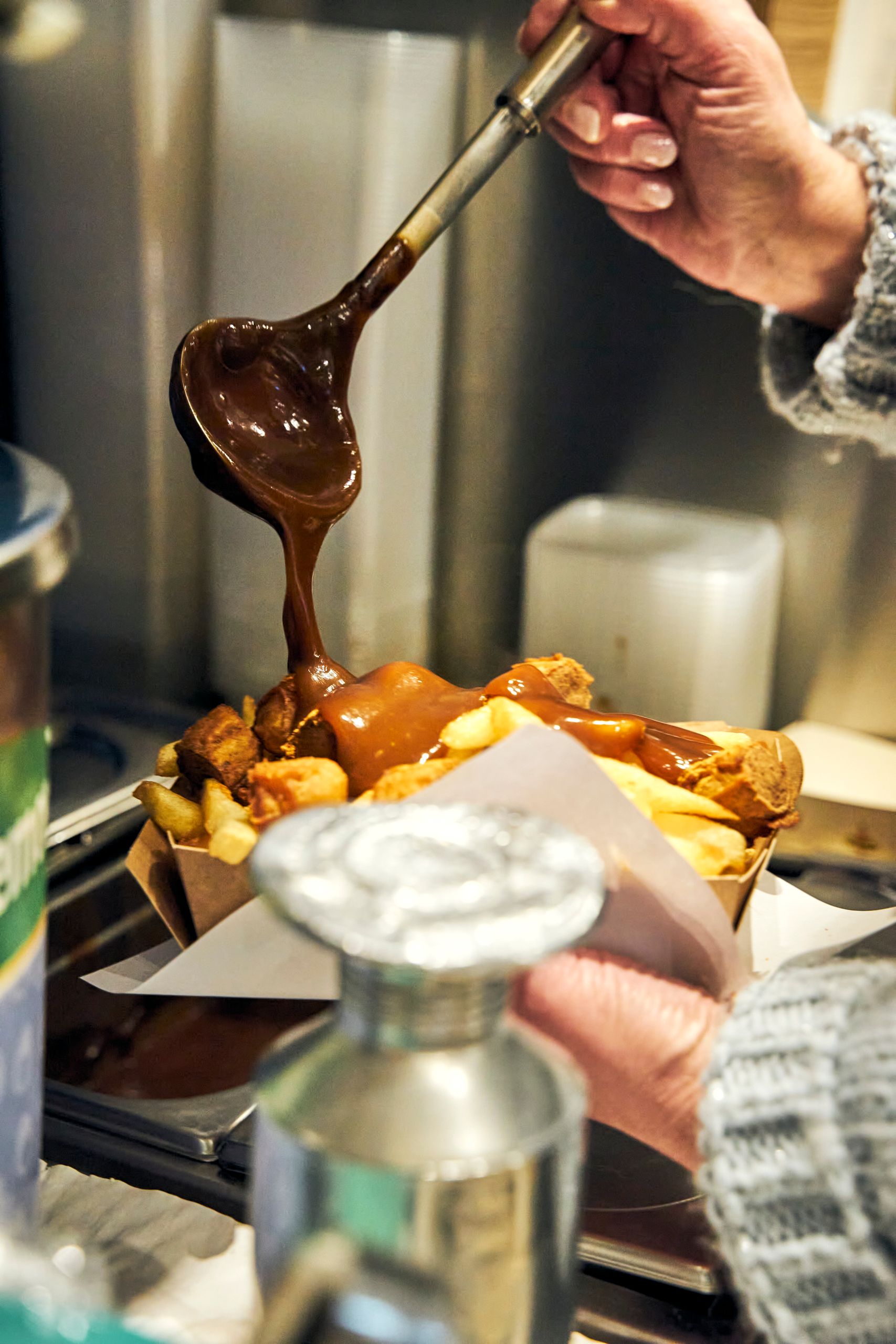
Starting Without Measuring the Flour and Liquid
A generous pour of stock can turn a promising gravy watery if there is not enough flour to thicken it.
Measure both before cooking. A recipe gives you a starting point, rather than leaving you to judge the proportions while you’re focused on everything else.
J. Kenji López-Alt’s turkey gravy recipe at Serious Eats uses about one tablespoon of flour per cup of liquid, followed by simmering to reach the desired consistency. That is a useful reference for this style of gravy, not a rule for every sauce.
If your finished gravy is slightly thin, simmer it uncovered to evaporate some water. If you need to preserve the volume, add a properly prepared thickener instead.
Leaving Dry Flour in the Roux
Thoroughly combine flour with the fat before the stock arrives.
A roux helps keep flour particles dispersed. Dry pockets create an uneven starting point, while insufficient cooking can leave an uncooked-flour flavor.
Stir the flour into the melted butter or another suitable fat until the mixture is smooth and has no dry patches. Cook while stirring until the raw flour smell fades and the roux is pale golden for a conventional gravy.
Do not rush this step, but do not assume darker is always better. Follow the recipe’s intended color rather than browning the mixture as much as possible.
Pouring in All the Stock at Once
A pan of roux can be hard to manage when a large amount of stock is added all at once.
Instead, add a small amount while whisking. Work that addition into a smooth mixture, then continue adding stock in stages.
The mixture may initially become thick. Keep incorporating the liquid gradually rather than adding it all at once.
Slow addition and thorough whisking are central to preventing clumps in López-Alt’s gravy method.
The goal is not to make pouring complicated. It is to resolve any small lumps while the mixture is still easy to control.
Whisking Only the Middle of the Pan
A few circles through the center do not necessarily incorporate everything around the edges.
Whisk across the base and into the corners, especially during the early additions of stock. Check that no thick paste remains against the sides.
If the mixture becomes difficult to handle, slow the pouring and focus on smoothing it before continuing.
Once all the stock is incorporated, bring the gravy to a boil, reduce to a simmer, and stir as it cooks. Gradual liquid additions work best with consistent mixing, not occasional attention.
Related: 8 Highly Protein-Rich Vegetables You Need to Include in Your Diet
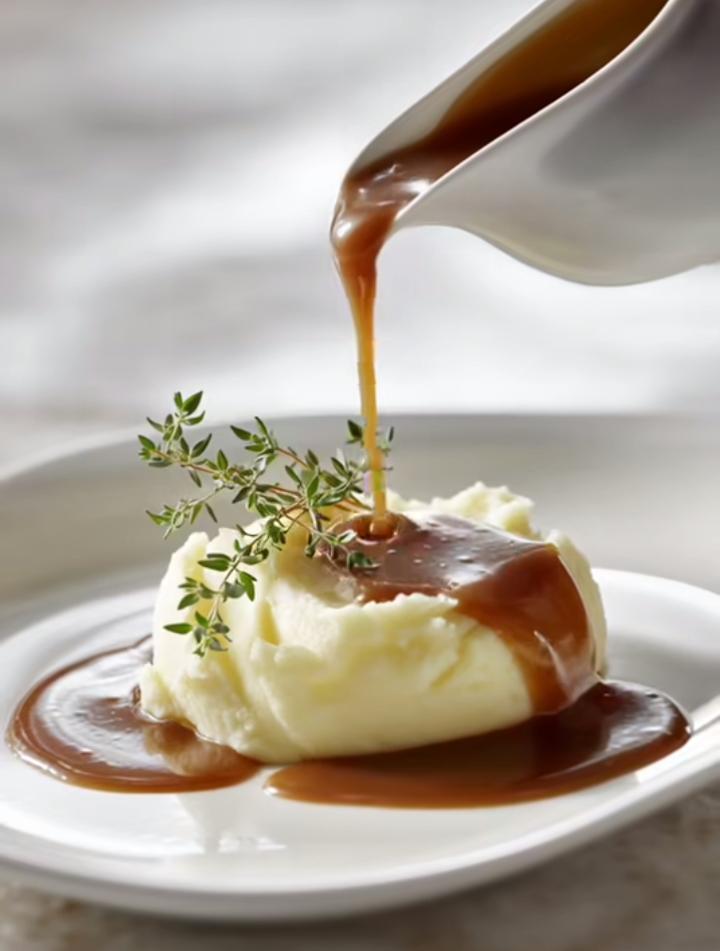
Calling It Watery Before It Has Simmered
Freshly combined stock and roux have not necessarily reached their final consistency.
As the mixture heats, flour’s starch granules absorb liquid and swell, thickening the sauce. A few minutes of simmering can make a noticeable difference.
Give the gravy time before deciding it needs more flour.
Check it regularly and stop reducing when it reaches the consistency you want. Taste before making a final salt adjustment: evaporation concentrates seasoning as it thickens the liquid.
Patience here keeps a thin sauce from becoming overly thick from unnecessary additions.
Sprinkling Dry Flour Into Finished Gravy
When gravy looks watery, a quick spoonful of flour can seem like an obvious rescue.
Unfortunately, ordinary dry flour added directly to hot gravy can form stubborn clumps.
Serious Eats’ gravy troubleshooting guide recommends first making a smooth paste of softened butter and flour, then whisking it into the gravy in small additions. Continue cooking so the added flour can thicken the sauce and lose its raw taste.
The key distinction is preparation: don’t add loose flour and expect the whisk to fix everything afterward.
Add a little prepared thickener, allow it to work, and reassess before adding more.
Overcorrecting Instead of Making Small Adjustments
Thin gravy invites more thickener. Thick gravy invites more stock. Keep correcting in large amounts, and you can chase the right consistency around the saucepan.
Make modest adjustments instead.
If the gravy is too thick, whisk in additional stock a little at a time. If it is lumpy, pass it through a fine-mesh strainer into a clean pan.
In The Kitchn’s comparison of gravy-rescue methods, straining produced smooth gravy but also removed some thickener. Check the consistency afterward rather than assuming smoothness means the job is finished.
A Smoother Finish Starts With a Steady Method
Measure first, combine the roux thoroughly, add stock gradually, and let the gravy simmer. If something goes wrong, identify whether the problem is lumps, excess liquid, or excessive thickness before choosing the fix.
The most useful ingredient is control, not speed. Small additions are easier to manage than a pan full of emergency corrections.
When the next batch needs adjusting, could a pause and a few careful whisk strokes save you from starting over?