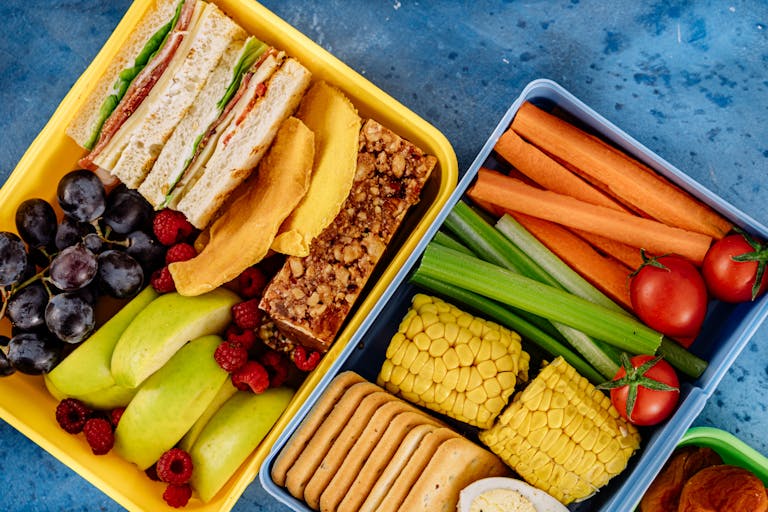
One or two pieces at a time: that’s the Emily Post Institute’s advice for cutting food. Courtesy can be that small.
The Institute describes meals as social occasions shaped by consideration. These ten habits are worth reconsidering with that aim: less distraction, more room for the food, the conversation, and the people you came to enjoy. Treat these as conventions to draw on, allowing for individual needs and the kind of meal you’re sharing.
Giving your phone the best of your attention

The person beside you deserves the attention you brought to the table, so let the conversation carry you through the meal. Emily Post’s guidance on dinner-table texting asks diners to focus on their companions, even when checking a message would be quiet enough that no one else hears; keep the screen from becoming the evening’s competing conversation.
Urgent circumstances are an exception in its table-manners guide. Explain your need to stay reachable, and step away for a call.
Speaking before finishing a mouthful
Give yourself a moment to finish the bite. Emily Post recommends swallowing before speaking and using a small hand gesture to acknowledge a question while you finish. Allow for individual eating needs; this courtesy should never become a character judgment.
Reaching across someone else’s place
The bread can travel without crossing another person’s dinner with your arm. The Institute advises asking for food or condiments to be passed, keeping the request simple and leaving another guest’s place setting undisturbed.
For family-style dishes, its passing convention is to the right. Use that shared direction to keep dishes moving together, then politely ask for bread or condiments without reaching across someone else’s place setting.
Seasoning before you taste
Give the dish a chance to introduce itself. Emily Post’s advice recommends tasting before adding salt, pepper, or other seasonings.
Rachel Wendt’s Reserve article, republished by TIME in 2016, explicitly allows seasoning afterward. Try the food as served, then adjust it to your taste without treating the moment as a verdict on the cook. time.com
Picking teeth or grooming beside the meal
Keep personal grooming away from the table. The Institute recommends stepping away to groom, so excuse yourself to the restroom for teeth-picking or hair-brushing. Return when you’re done, and let your companions enjoy their food and conversation while you take care of yourself.
Racing through dinner or rushing someone else
Give the evening room to unfold. Emily Post advises fast eaters to slow down and explicitly says slower diners shouldn’t be rushed. Find a comfortable group rhythm while letting people eat at different speeds; nobody’s plate needs to become a stopwatch.
Cutting the whole meal before eating
Cut a bite or two, then carry on with dinner. Emily Post recommends cutting only a small amount at a time. Treat this as a conventional formal dining practice while keeping any eating accommodation you need; the rule should serve the guest, too.
Letting conversation harden into an argument
A lively table can disagree without becoming a battleground. In her 2015 Vanity Fair interview, Lizzie Post advised hosts to redirect divisive conversation by inviting everyone into another topic. Offer a subject the whole table can join without publicly rebuking one person. Help the group reconnect; serious subjects don’t need to be banned from dinner.
Related: 12 Things Every Family Should Talk About Before the Holidays
Stepping away without a word
Offer a quiet excuse before leaving the table. Wendt’s Reserve advice, republished by TIME, recommends a brief explanation and says a lengthy one is unnecessary. Keep private details private, and let your companions know you’ll return.
Leaving without thanking the host
Lizzie Post told Vanity Fair to thank hosts on departure and keep follow-ups private, favoring next-day notes for newer hosting relationships.
Emily Post’s thank-you FAQs allow an email for a casual meal, while recommending handwritten thanks for dinner parties. Choose the follow-up that fits the occasion, and let it add to the thanks you already offered face to face. Let your appreciation name the meal, the company or the care that went into bringing everyone together.
Let the food have its moment, and give the people sharing it yours.