America knows what a robbery looks like when it happens at a gas station. There is a camera angle, a police report, a shaken cashier, and a clear villain. But plenty of theft in America does not come with a ski mask. It comes through fake invoices, scam texts, unpaid wages, inflated bills, dirty contracts, hidden fees, and digital tricks that make people feel foolish after they have already been robbed.
That is what makes financial crime so infuriating. It can look polite from the outside. A fake investment pitch may sound professional. A wage violation may be hidden within a payroll system. A government billing scheme may arrive in the form of paperwork. The money still disappears, but the crime often looks cleaner than the damage it leaves behind.
Consumer Scams That Turn Trust Into a Trap

Consumer scams hit Americans where they live: phones, inboxes, social media feeds, fake shopping sites, dating apps, and text messages that sound just urgent enough to make someone click. The scammer does not need a weapon. They need timing, pressure, and a believable story.
The losses are staggering. Americans reported losing more than $12.5 billion to fraud in 2024, a 25% increase from the year before, based on reported fraud losses. That number is not just a statistic. It is rent money, retirement money, grocery money, emergency savings, and the shame many victims carry because they trusted the wrong message.
Internet Crime That Steals Without Entering the House
A burglar has to break a window. An online criminal only has to get someone to open the wrong link. That is why cyber-enabled crime feels so personal and so slippery. The danger can come through a work email, a fake invoice, a romance scam, a crypto pitch, a job offer, or a text pretending to be from a delivery company.
The scale keeps growing. In 2024, suspected internet crime generated 859,532 complaints and reported losses exceeding $16 billion. Those losses show how digital crime has become part of ordinary American life. People do not have to be careless to get targeted. They only have to be busy, distracted, hopeful, lonely, rushed, or human.
Wage Theft That Makes Work Pay Less Than Promised
Wage theft does not always look like a dramatic crime. Sometimes it looks like unpaid overtime, missing tips, off-the-clock work, illegal deductions, or a paycheck that never quite matches the hours worked. For workers living close to the edge, that missing money can mean late rent, skipped groceries, or another credit card charge they cannot afford.
The money involved is real. More than $259 million in back wages was recovered for nearly 177,000 employees in fiscal year 2025. That recovery matters, but it also reveals how often workers can be shortchanged before anyone steps in. A stolen hour may not make headlines, but enough stolen hours can wreck a household.
Tax Evasion That Leaves Everyone Else Paying More
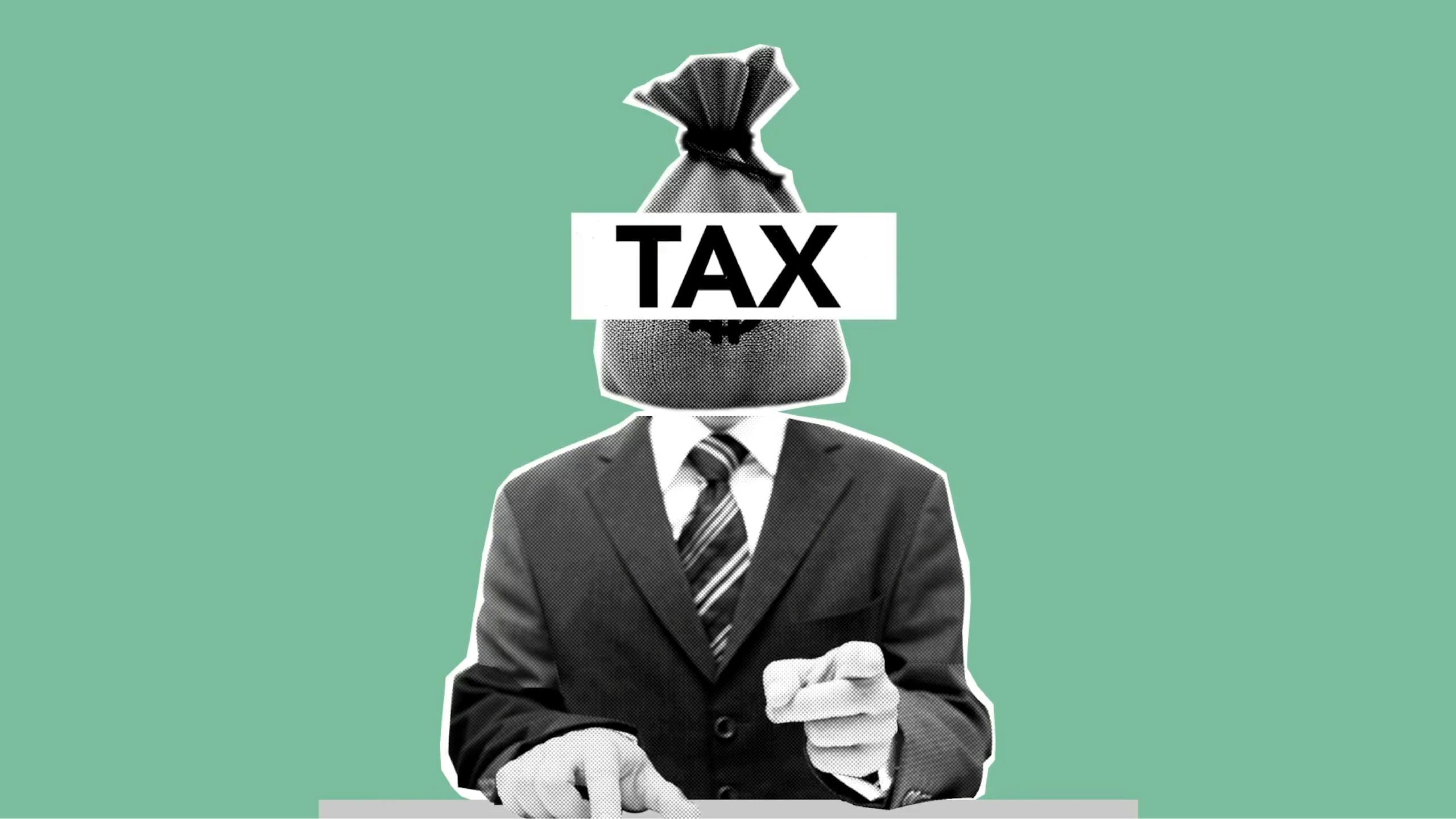
Tax evasion is often dressed up in softer language. People call it clever accounting, hidden income, cash work, inflated deductions, or “knowing the loopholes.” But when taxes owed go unpaid, the cost does not vanish. It shifts onto honest taxpayers, public services, and future budgets.
The gap is enormous. The projected gross tax gap for tax year 2022 was $696 billion, based on the annual tax gap. That does not mean every unpaid dollar is criminal, but it shows how much money is missing from the system before late payments and enforcement. The quiet unfairness is what bothers people most: one person cheats, and everyone else is told to cover the difference.
False Claims That Drain Public Programs
False claims against government programs can feel especially enraging because the money often comes from taxpayers and is meant for real public needs. It may involve inflated health care bills, fake services, misleading grant claims, contractor overbilling, or programs that pay for something that never truly happened.
The public pays twice when this happens. First, money goes out the door for false or exaggerated claims. Then trust gets damaged, and honest people face more scrutiny when they actually need help. These crimes may look like paperwork, but they can drain programs meant for patients, veterans, students, older adults, and vulnerable families.
Investment Fraud That Sells Hope and Steals the Future
Investment fraud works because it does not always feel like greed. Sometimes it feels like hope. A retiree wants security. A young worker wants a shortcut to a down payment. A parent wants to fund a child’s college education. A small business owner wants one break after years of grinding.
That hope can be exploited through fake crypto platforms, Ponzi schemes, insider promises, private deals, and polished pitches that sound smarter than they are. The pain often arrives late. By the time victims realize the “opportunity” was a trap, the money may be gone, the person who sold the dream may be unreachable, and the shame can feel almost as heavy as the loss.
Elder Financial Exploitation That Targets Trust

Few crimes feel more disgusting than stealing from older Americans. It can happen through romance scams, tech-support tricks, fake relatives in distress, abusive caregivers, greedy family members, or financial pressure from someone the victim trusted. The crime may happen quietly, inside a home, a bank account, or a relationship.
This kind of exploitation steals more than money. It can steal dignity, independence, medical security, and the confidence to trust anyone again. Older victims may stay silent because they feel embarrassed, confused, loyal to the person exploiting them, or afraid their family will decide they can no longer manage their own affairs.
Data Privacy Abuse That Turns Personal Life Into a Product
Data privacy abuse can feel invisible until the damage lands. A company mishandles information. A breach exposes records. A shady actor sells details. A scammer uses stolen data to sound believable. Suddenly, a person’s name, address, health details, financial data, or login information becomes part of someone else’s scheme.
This is why data crimes feel so modern and so intimate. The stolen thing is not always cash at first. It may be identity, privacy, access, or control. Then the financial damage follows. People can change a debit card, but they cannot easily change years of personal information already floating around in the wrong hands.
Environmental Fraud That Makes Communities Pay
Environmental violations may sound less personal than stolen wages or scam calls, but communities often feel the cost. False reporting, permit games, illegal dumping, hidden emissions, or failed monitoring can expose neighborhoods to risks they never agreed to take. The crime may happen on paper, but the consequences can land in the air, water, soil, and health.
The deeper issue is trust. Most people cannot personally inspect a factory discharge, test a waterway, or audit a company’s environmental records. They rely on businesses to follow rules and on regulators to catch them when they do not. When that trust breaks, communities are left wondering what else has been hidden in plain sight.
Insurance Fraud That Raises Costs for Everyone

Insurance fraud sounds distant until premiums go up. A staged accident, inflated claim, fake injury, false damage report, or dishonest billing scheme does not just hurt an insurance company. It can raise costs across the system and make honest customers pay more.
The anger comes from the ripple effect. Most families already feel squeezed by car insurance, health insurance, homeowners coverage, deductibles, and repairs. Fraud adds another layer of suspicion, paperwork, and price pressure. It turns protection into a more expensive product for everyone who plays by the rules.
Conclusion
Financial crimes quietly drain Americans because they rarely look like the crime stories people recognize. No one kicks down a door. No one grabs a purse on camera. Instead, the harm moves through apps, contracts, accounts, payroll systems, billing codes, tax forms, investment pitches, and corporate records.
That is why these crimes deserve more attention. They can steal retirements, wages, public money, personal data, trust, and peace of mind. A crime committed with a keyboard, invoice, or spreadsheet can still leave real people broke, embarrassed, angry, and exhausted. America should stop treating clean-looking theft as less serious simply because the weapon was paperwork.