For many homeowners, the mortgage is no longer the only bill that feels like a trap. Property taxes keep climbing, home values keep rising, and families who thought they had finally earned stability are watching local bills eat deeper into their budgets.
Now, several states are pushing plans to cut, cap, shrink, or even eliminate property taxes for homeowners. The promise sounds simple: let people keep more of their money and stop taxing them forever on homes they already paid for.
But the fight is not that clean. Property taxes help fund schools, police, fire departments, libraries, roads, and local services. So every plan comes with the same hard question: if homeowners pay less, who covers the gap?
A recent Pew review found that states are moving in different directions, from bigger exemptions to caps and full repeal efforts. Here are 10 states where the property tax fight is getting louder.
Florida
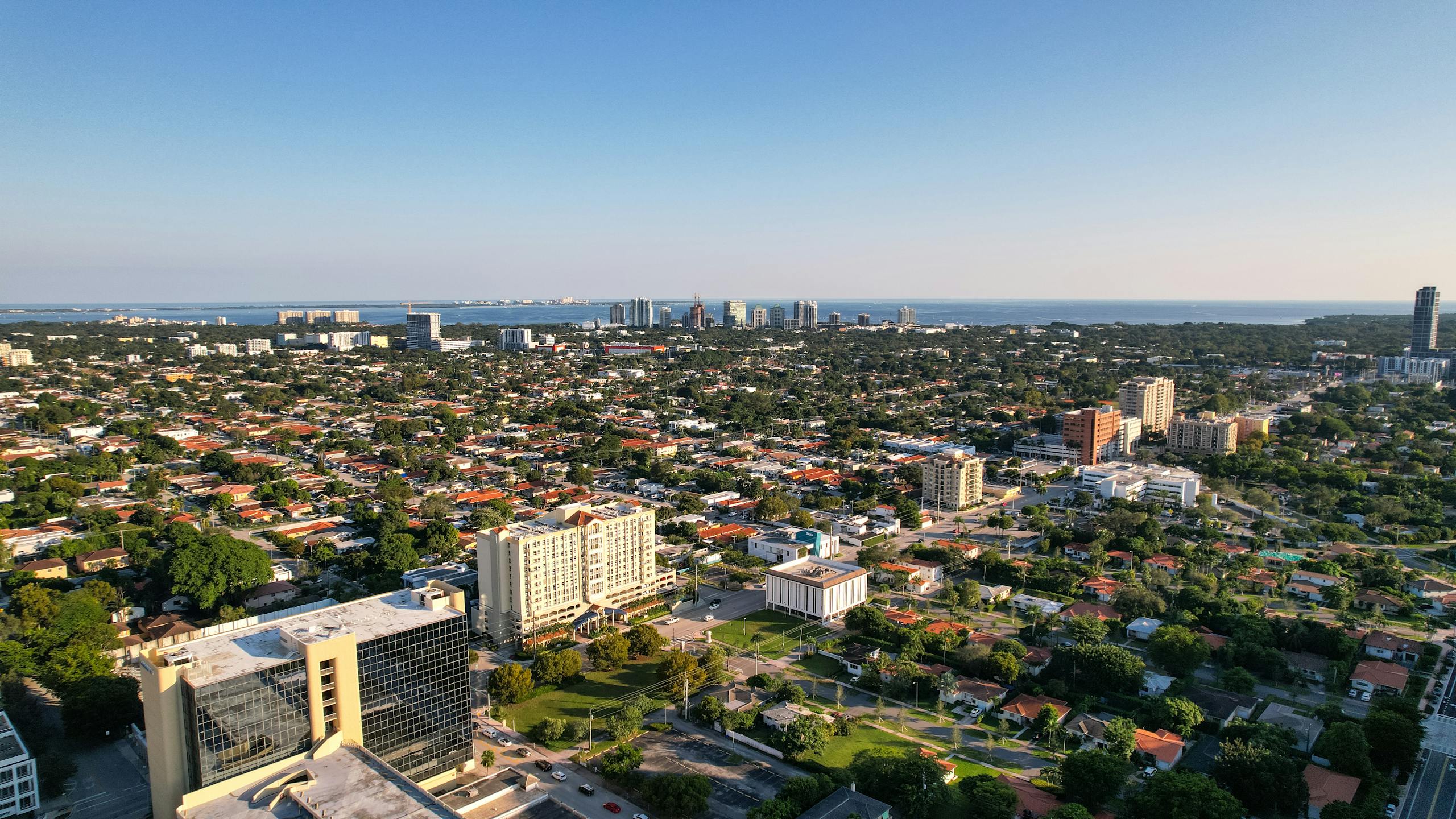
Florida has become one of the loudest states in the property tax revolt. Gov. Ron DeSantis has pushed a plan to give homeowners major relief, including a larger homestead exemption and a pathway to eliminate some property taxes on primary homes.
The official Florida release says the proposal would raise the homestead exemption and create a schedule for full elimination through state law. Supporters call it a lifeline for residents squeezed by housing costs.
The tension is obvious. Florida has no state income tax, so local governments lean heavily on property taxes. Cutting them sounds popular, but counties and cities still have to pay for emergency services, infrastructure, and public safety.
Texas
Texas has already spent huge amounts of money on property tax relief, and lawmakers are not done. State leaders have pushed bigger homestead exemptions and school tax compression, which lowers school property tax rates by using state dollars to make up the difference.
The Texas Tribune reported that lawmakers planned to allocate $51 billion for property tax cuts over two years. That is serious money, and homeowners who feel crushed by rising appraisals may welcome every dollar.
But critics warn that Texas is relying on surplus cash that may not last forever. If the state economy slows, lawmakers may face a brutal choice: keep the tax cuts, raise money elsewhere, or squeeze public services.
Indiana
Indiana has already passed property tax relief, but the bigger fight is over how far the state should go. Some lawmakers have backed sweeping repeal ideas that would dramatically reduce or end property tax collections.
The appeal is easy to understand. Homeowners hate watching their tax bills rise even when their income does not. Seniors and long-term residents often feel punished for living in places that have become more valuable.
The problem is the replacement plan. Property taxes help fund local government. If Indiana cuts too deeply, cities, towns, schools, and counties may seek revenue through sales taxes, service taxes, or other fees.
North Dakota
North Dakota has one advantage many states do not: energy money. Lawmakers have expanded property tax relief by using state resources, including earnings tied to the Legacy Fund, to help reduce the burden on homeowners.
The state has increased the primary residence credit and put limits on local property tax growth. That gives homeowners more protection while giving local governments some backfill support.
Still, even oil-backed relief carries risk. Energy revenue can rise and fall. If the long-term funding source weakens, the state may have to decide whether relief remains permanent or becomes another temporary promise.
Montana
Montana did not simply slash taxes across the board. Lawmakers moved toward targeted relief for homeowners while raising taxes on second homes, short-term rentals, and some larger commercial properties.
That approach speaks directly to local resentment in fast-growing and vacation-heavy areas. Many full-time residents feel they are being priced out while outside money pushes up home values.
But shifting the burden does not make the fight disappear. Second-home owners, landlords, businesses, and rental operators may argue they are being turned into the state’s backup wallet.
Wyoming
Wyoming approved a 25% property tax cut for up to $1 million of a home’s value. Now lawmakers have looked at going even further, including deeper cuts and proposals that could replace property taxes with higher sales and use taxes.
That is where the debate gets dangerous. Sales taxes hit people differently than property taxes. Families with lower incomes may feel the effects every time they buy basics, while wealthier homeowners may see greater benefits from property tax cuts.
Wyoming’s fight shows the central tradeoff. Killing one hated tax may create another burden somewhere else.
Ohio
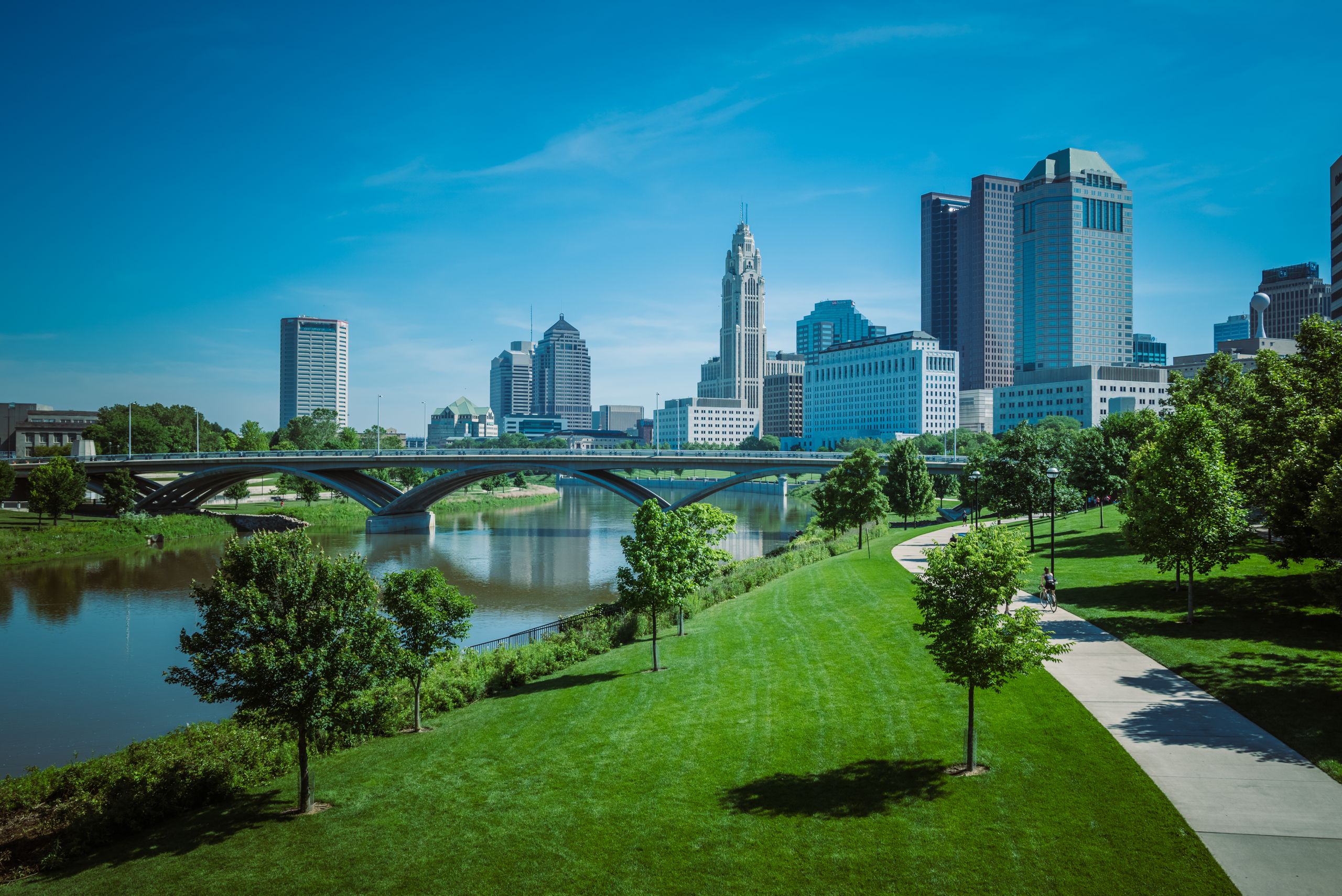
Ohio has become a major property tax battleground. Lawmakers passed relief measures and restrictions on certain local tax increases, while grassroots activists pushed a more aggressive idea: eliminate property taxes altogether.
Supporters argue homeowners should not risk losing their houses because tax bills keep rising. That message lands hard with retirees and families in areas where assessments jumped.
Opponents warn that removing property taxes without a clear replacement plan could hammer schools, firefighters, police, libraries, and local governments. Ohio’s fight is not just about bills. It is about what communities are willing to cut.
Georgia
Georgia Republicans pushed a plan to end property taxes on primary residences, though the debate later shifted toward scaled-back relief. The idea still shows how politically powerful the issue has become.
Homeowners want relief because rising assessments can feel like a punishment for staying put. Even people who do not plan to sell can see tax bills rise as neighborhood values climb.
The challenge is local funding. Georgia cities and counties depend on property tax revenue. A big cut may make voters happy at first, but the consequences could show up as higher fees, service cuts, or new tax structures.
Nebraska
Nebraska has seen petition efforts to eliminate property, income, and inheritance taxes and replace the system with a consumption-based tax. It is one of the most sweeping ideas in the country.
For frustrated homeowners, the pitch is powerful. Stop taxing property. Stop taxing income. Tax consumption instead.
But that kind of overhaul would reshape the entire state budget. Schools, counties, and local services would need a new funding model. A massive tax shift may sound clean in a slogan, but the details could decide who really wins.
Michigan
Michigan is a reminder that not every repeal push succeeds. A group seeking to abolish property taxes failed to collect enough signatures for the 2026 ballot, according to reporting from Bridge Michigan.
That failure does not mean the pressure is gone. Michigan homeowners still complain about tax bills, assessments, and the cost of staying in a home long-term.
The state’s lesson is simple. Property tax anger is real, but turning that anger into law takes organization, signatures, money, and a replacement plan voters can trust.
Property tax relief sounds like an easy political win until the bill for local government shows up somewhere else. Homeowners want breathing room, but schools, fire departments, roads, and public safety still need funding. If states cut the tax people hate most, should lawmakers replace the money honestly or admit which services may shrink?