A new air conditioning rule in Vancouver has turned a familiar summer fight into a legal risk for landlords. What once looked like a private dispute over window hoses, electrical outlets, tenancy agreements, and building rules can now trigger a $1,000 fine if a landlord blocks a tenant from using a portable cooling device without a valid reason.
The change is bigger than one city’s rental policy. It shows how extreme heat is reshaping the meaning of safe housing, especially for renters living in older buildings that were not designed for hotter summers. We are no longer talking only about comfort. We are discussing whether a home can remain livable as temperatures rise.
Vancouver’s new rule does not require landlords to provide air conditioners to tenants. Instead, it limits their ability to say no when a tenant wants to use a portable unit in a rental home that does not already have central cooling or another cooling system.
The New $1,000 Air Conditioning Fine Explained

Vancouver City Council approved changes to its License By-law that prohibit landlords from preventing tenants from using portable air conditioners when no cooling system is already provided in the rental unit. If a landlord refuses to comply, city enforcement can include an order to comply or a municipal ticket carrying a $1,000 fine per offense.
That detail matters because the rule is not just symbolic. A tenant who is blocked from using a portable cooling device can now report the issue to the city, turning a landlord’s refusal into a possible enforcement matter.
The rule applies to long-term rental license holders. In plain language, it targets landlords operating rental housing in Vancouver, including homes, suites, apartments, and other long-term residential rental arrangements covered by the city’s licensing system.
Why Portable Air Conditioners Became a Legal Fight
For years, landlords have raised concerns about portable air conditioners. Some argued that older buildings lack sufficient electrical capacity. Others worried about water damage, poor drainage, window safety, higher utility costs, or damage caused by improper installation.
Those concerns are not imaginary. A poorly installed cooling unit can leak, strain a weak circuit, block a window, or create safety problems. But the new Vancouver approach says those risks cannot be used as a blanket excuse to ban portable cooling in every unit.
The city’s position is simple. If a rental unit has no cooling, and the building can reasonably support a portable cooling device, the tenant should not be trapped in dangerous indoor heat because of a lease clause or landlord policy.
What Landlords Can No Longer Do
Landlords can no longer rely on broad language that simply bans portable air conditioners in rentals without considering whether the unit can be safely used in one. A generic “no AC units allowed” rule now carries far more risk in Vancouver when the tenant has no other cooling option.
The bylaw also matters for strata buildings. Vancouver’s council report says the rule is intended to apply even if strata bylaws would otherwise prevent a tenant from using a portable cooling device. That makes the policy stronger than a standard landlord-tenant guideline because it reaches into a common source of rental conflict.
This does not mean every device must be allowed in every circumstance. It means landlords need a real, documented reason before denying cooling access.
The Exception Landlords Can Use

Vancouver built an exception process into the rule. A landlord may apply to the chief license inspector for an exemption if they can show they cannot reasonably comply.
That evidence cannot be casual. The documentation must come from a certified professional, such as an architect, engineer, or electrical Field Safety Representative. The landlord must show significant physical barriers that prevent the rental unit from being equipped with a portable cooling device.
This is where the law becomes sharper. A landlord cannot simply say the building is old, the wiring might be weak, or the rules have always banned AC. They need professional support for the claim.
What Tenants Should Understand Before Buying a Unit
Tenants should not read the new rule as permission to install any device in any manner. Portable cooling devices still need to be used safely. The unit should match the room, the outlet, the manufacturer’s instructions, and the building’s physical limits.
A floor-standing portable air conditioner with a hose vented through a window is often different from a heavy window-mounted unit. Tenants should keep proof of purchase, read the manual, avoid overloaded extension cords, and document communication with the landlord.
The safest approach is written notice. Even where the law supports tenant cooling rights, a clean paper trail helps prevent confusion and protects both sides if a dispute begins.
Why Extreme Heat Changed the Housing Conversation
This law did not appear in a vacuum. Extreme heat has become one of the most dangerous climate-related threats inside homes, especially for older adults, people with disabilities, infants, people with health conditions, low-income tenants, and people living alone.
The deadly 2021 heat dome in British Columbia remains in the shadow of this debate. Many of the people who died were indoors, often in homes without adequate cooling. That tragedy changed the political meaning of air conditioning.
A portable AC unit used to be seen as a convenience item. In hotter cities, it increasingly looks like basic protection.
Why Older Buildings Are at the Center of the Debate

Older rental buildings are often the hardest part of the cooling conversation. Many were built for a climate that no longer feels reliable. Some lack central air, modern insulation, efficient ventilation, or electrical systems designed around today’s cooling demand.
Landlords argue that requiring buildings to handle cooling can create pressure to make expensive upgrades. Tenants argue that paying rent for a unit that becomes dangerously hot is not acceptable.
Vancouver’s rule tries to walk a fine line between those concerns. It does not require every landlord to retrofit a building immediately, but it does prevent landlords from using outdated policies to block portable cooling when a safe option exists.
What This Means for Rental Leases
The new rule could weaken lease clauses that broadly restrict the use of portable air conditioners in Vancouver rentals. A lease term that says “no portable AC” may no longer be sufficient if the tenant’s unit lacks cooling and the landlord cannot demonstrate a real safety or building code barrier.
This is important because many rental disputes begin with paperwork signed months or years earlier. Tenants may assume the lease controls everything. Landlords may assume an old clause gives them full authority.
The new bylaw changes that balance. A city rule can override private rental language when public health and licensed rental standards are involved.
Why the Fine Could Change Landlord Behavior Fast
A $1,000 fine per offense is not just a warning. It provides a practical reason for landlords and property managers to review their rental forms, building notices, and tenant communications before the summer heat peaks.
The riskiest move now is sending tenants a blanket email ordering everyone to remove portable cooling devices without checking whether the building qualifies for an exemption. That kind of broad refusal could become expensive.
Smart landlords will likely shift from “no AC allowed” to “portable cooling may be used if installed safely and if the unit meets building requirements.” That change may sound small, but legally it is a major difference.
How Vancouver Fits a Wider Cooling Rights Trend

Vancouver is not alone. Other jurisdictions in North America have been moving toward stronger renter protections around cooling.
Oregon has a statewide portable cooling device law that generally prevents landlords from banning tenant-selected portable cooling devices, with exceptions for code violations, safety issues, damage risks, and electrical limits. Washington has also moved toward protecting renters’ ability to install portable cooling devices, including floor-standing and window-related options, under defined rules.
The trend is clear. Cities and states are beginning to treat indoor heat as a housing safety issue, not just a seasonal annoyance.
Why This Could Spread to More Cities
The logic behind Vancouver’s rule is easy for other cities to copy. It does not require every landlord to install central air. It does not remove safety standards. It does not ignore electrical concerns. It simply says tenants cannot be blocked from using portable cooling without a defensible reason.
That makes it politically easier than a full cooling mandate. It provides tenants with an immediate path to relief while offering landlords an exemption process when a building truly cannot support a device.
As summers get hotter, more cities may decide that this middle-ground approach is easier than waiting for another heat emergency.
What Landlords Should Do Now
Landlords should review every rental agreement, building policy, strata rule, and tenant notice that restrict the use of portable air conditioners. Any blanket ban should be treated as a legal red flag.
They should also identify which buildings have central cooling, which do not, and which may have real electrical or physical barriers. If a landlord believes a building cannot safely support portable cooling, they should obtain professional documentation before denying tenants permission to use it.
The worst strategy is guessing. The new rule rewards documentation and punishes broad refusal.
What Tenants Should Do If They Are Blocked
Tenants should start by asking the landlord for the reason in writing. If the landlord claims the unit cannot support a portable air conditioner, the tenant can ask whether the landlord has professional documentation or an approved exemption.
Tenants should also avoid unsafe installation. A strong tenant case becomes weaker if the device is leaking, blocking the emergency exit, overloading circuits, or installed in violation of the manufacturer’s instructions.
If the landlord still refuses without a clear basis, Vancouver tenants can report the problem through city channels. The point is not to create conflict. The point is to make sure heat safety is taken seriously before a dangerous summer day arrives.
The Key Difference Between Providing AC and Allowing AC
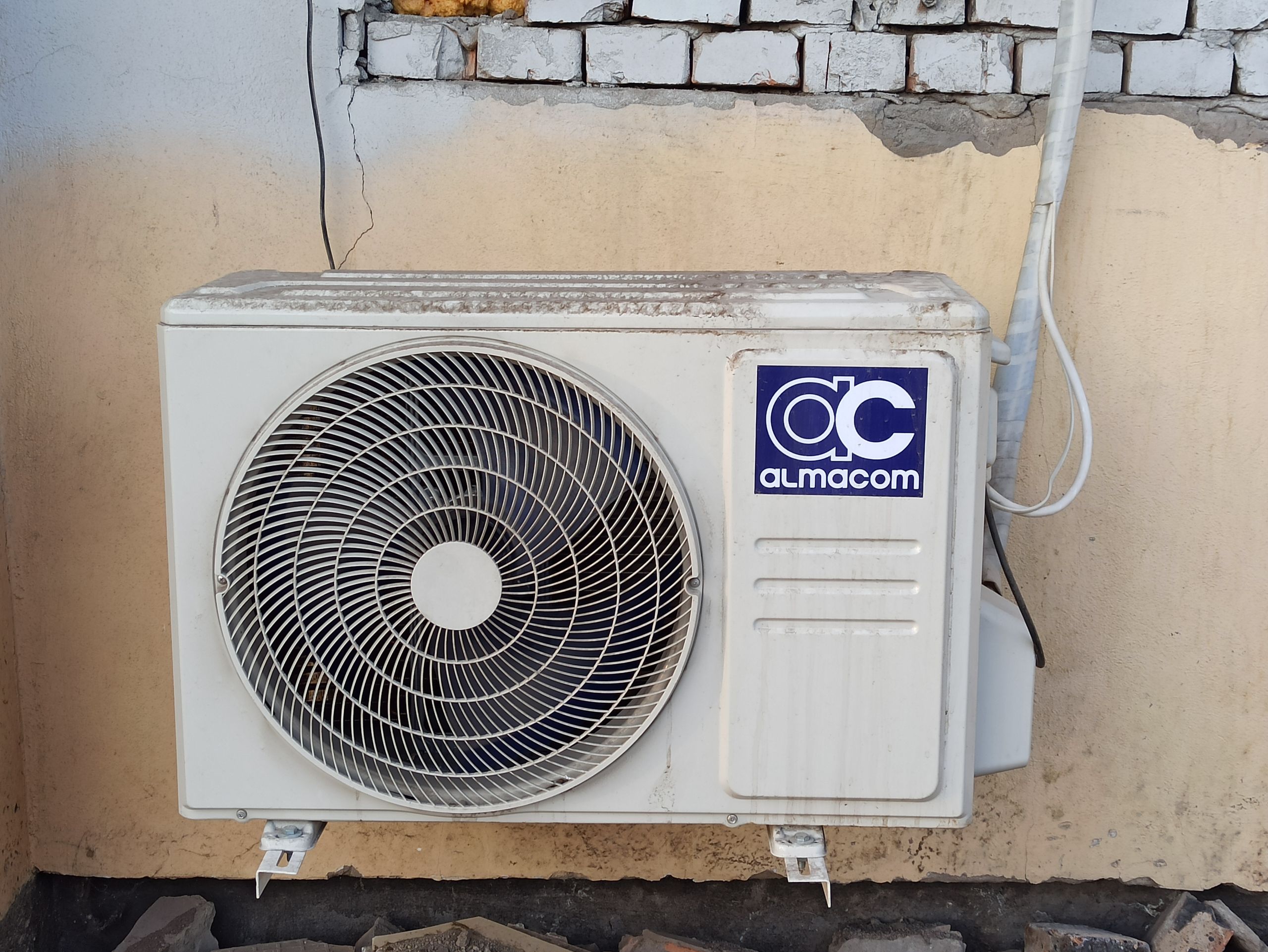
One of the most misunderstood parts of the new rule is the difference between providing air conditioning and allowing air conditioning. Vancouver’s rule does not require landlords to purchase or install portable AC units for tenants.
That means the cost of the unit may still fall on the renter unless another program, subsidy, or housing arrangement applies. The landlord’s legal duty is narrower. They must not prevent the tenant from using a portable cooling device when no cooling is otherwise provided, unless they qualify for an exception.
That distinction will matter in disputes. Tenants gain the right to use cooling. They do not automatically gain a landlord-funded AC unit.
Why This Law Feels Like a Warning Shot
The $1,000 fine is the headline, but the deeper message is stronger. Governments are beginning to draw a line between ordinary property rules and rules that can leave people trapped in dangerous indoor heat.
That should make rental housing operators pay attention. A cooling device dispute is no longer just about building preference, aesthetics, or utility bills. It can become a public health issue, a licensing issue, and now a ticketable offense.
The future of rental housing will not be judged only by whether the roof leaks or the heat works in winter. Increasingly, it will also be judged by whether the home can stay safe in summer.
Conclusion
Vancouver’s new portable air conditioning rule puts landlords on notice at the exact moment renters need clearer protection from extreme heat. The law does not erase every safety concern, and it does not force landlords to hand out AC units. But it does make one thing plain: a blanket ban on portable cooling is no longer easy to defend.
For tenants, the rule could mean a safer summer. For landlords, it means old lease language and building-wide bans need a serious review. For other cities, Vancouver’s move may become a model for the next wave of heat-related housing rules.
The message is hard to miss. As summers grow hotter, access to cooling is moving from a comfort debate to a housing rights debate.