Houseplants can make a room feel alive, expensive, calm, and beautifully styled. Yet some popular indoor plants become a headache once the glossy store display turns into real life at home. We may buy them for dramatic leaves, pretty flowers, or social media appeal, then discover they need brighter windows, cleaner water, higher humidity, stricter watering, or more space than we can provide.
Before choosing a plant, we should ask one simple question: Will this plant fit our home, our routine, and our patience? Some houseplants are not bad plants, but they are poor matches for ordinary indoor conditions. These are the popular houseplants people often regret buying, plus smarter alternatives that give us beauty without constant stress.
Fiddle Leaf Fig
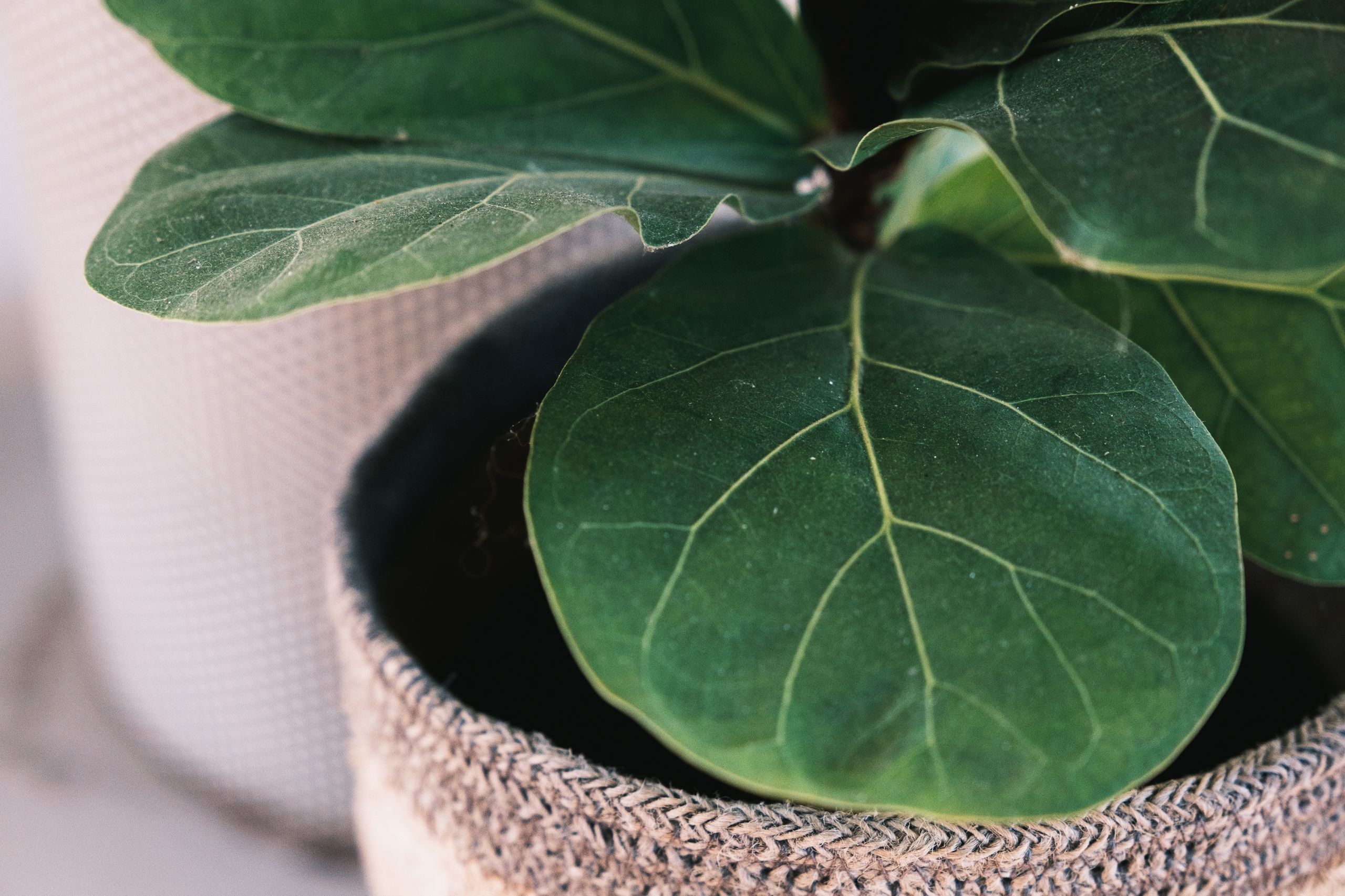
The fiddle leaf fig looks like the plant version of luxury decor. Its huge violin-shaped leaves can make a plain corner look styled and intentional. The problem is that this plant is extremely sensitive to change, and many homes do not provide it with the steady, bright light, humidity, and a consistent watering schedule it needs.
We often regret buying a fiddle leaf fig when the leaves start dropping after a move, a draft, or one missed watering mistake. Brown spots, crispy edges, and slow growth can make the plant feel more like a demanding project than a relaxing piece of greenery. A rubber plant is usually a better choice because it still gives us bold, glossy leaves with much less drama.
Calathea Ornata
Calathea ornata is stunning because of its dark leaves and pink pinstripes. It looks elegant, artistic, and expensive, making it easy to pick up at a plant shop. Yet this plant can punish us quickly if the air is too dry or the water has too many minerals.
We may notice curling leaves, crispy tips, faded patterns, or sad-looking foliage even when we think we are caring for it properly. Calatheas prefer high humidity, gentle light, and filtered water, so they can be stressful in normal homes. A prayer plant, or heartleaf philodendron, is often a calmer option for people who want patterned or trailing greenery.
Majesty Palm
Majesty palms look tropical and full at the store, but they often decline indoors. Their feathery fronds promise a resort feeling, yet they usually need more light and humidity than living rooms provide. They also attract spider mites, which can spread to nearby plants.
We may regret this purchase when the lower fronds yellow, the tips turn brown, and the plant slowly thins out. The palm may look lush at first, but it can become messy and weak within months. A parlor palm gives us a similar soft palm look and usually handles indoor life better.
Boston Fern
Boston ferns are beautiful when they are full, green, and fresh. They bring a classic, soft, cottage-style look to shelves, porches, and hanging baskets. The regret begins when they start shedding tiny leaflets everywhere and turning brown from dry air.
These ferns need consistent moisture and humidity, which can be difficult in heated or air-conditioned rooms. If they dry out too much, they can become crispy fast. A bird’s nest fern may be a better choice because it has a cleaner shape, fewer messy leaflets, and a slightly more forgiving nature.
Orchids
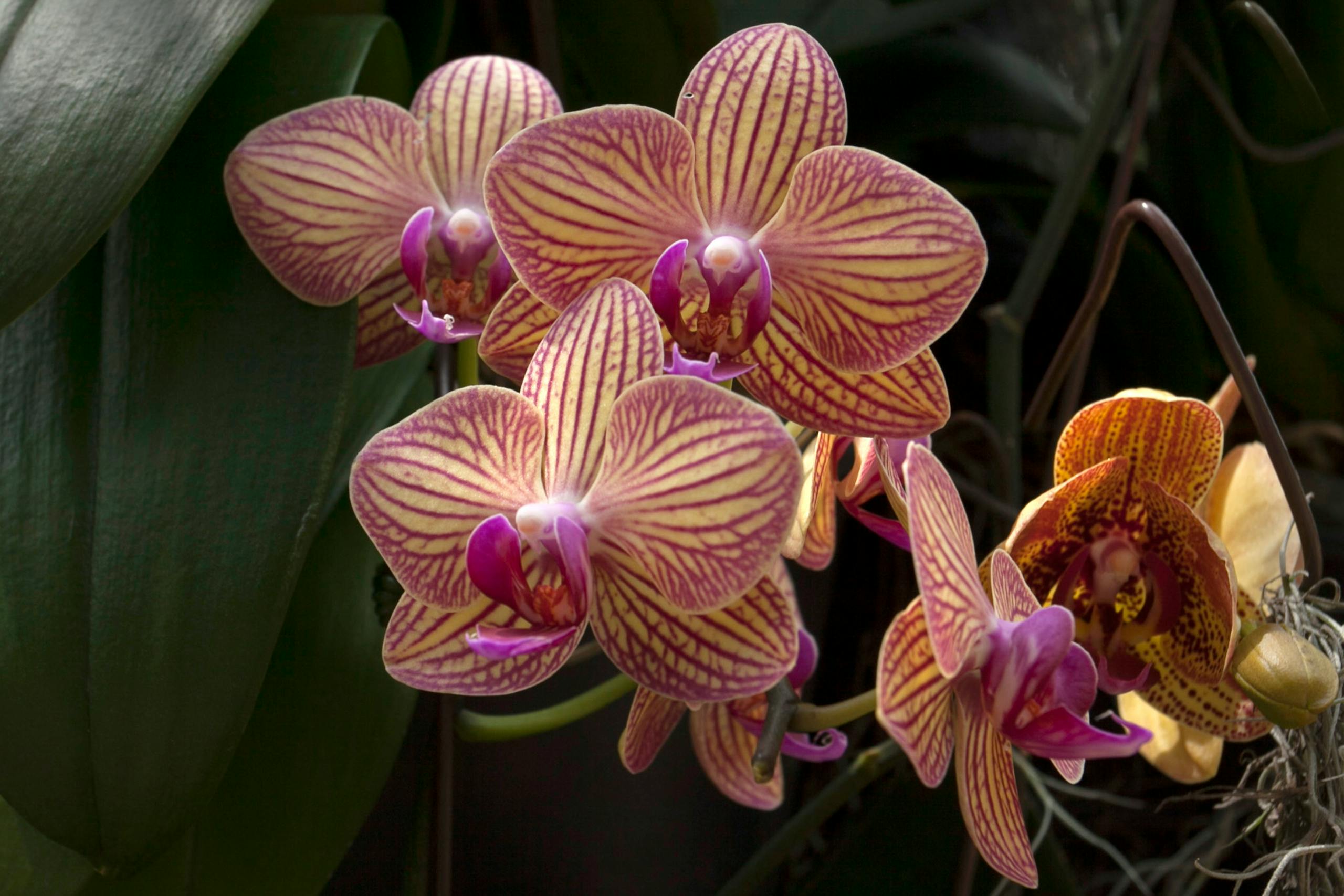
Orchids are often purchased when they are already blooming, which makes them feel like an easy win. Their flowers look elegant, expensive, and long-lasting. The regret usually starts after the flowers fade and the plant sits there looking plain and confusing.
Many people do not know how to help orchids rebloom. They need the right light, special potting medium, careful watering, and sometimes cooler night temperatures to trigger flowers again. If we want easier blooms, African violets or peace lilies may feel more rewarding.
Venus Flytrap
Venus flytraps are fascinating because they move, trap insects, and feel almost like pets. Many people buy them out of curiosity. Yet they are not simple houseplants, and they often die quickly indoors.
They need distilled water, strong light, nutrient-poor growing media, and a period of dormancy. Tap water and playful trap-triggering can weaken them. If we want a fun plant that is easier to keep alive, a pothos, spider plant, or small snake plant is much more forgiving.
Banana Plant
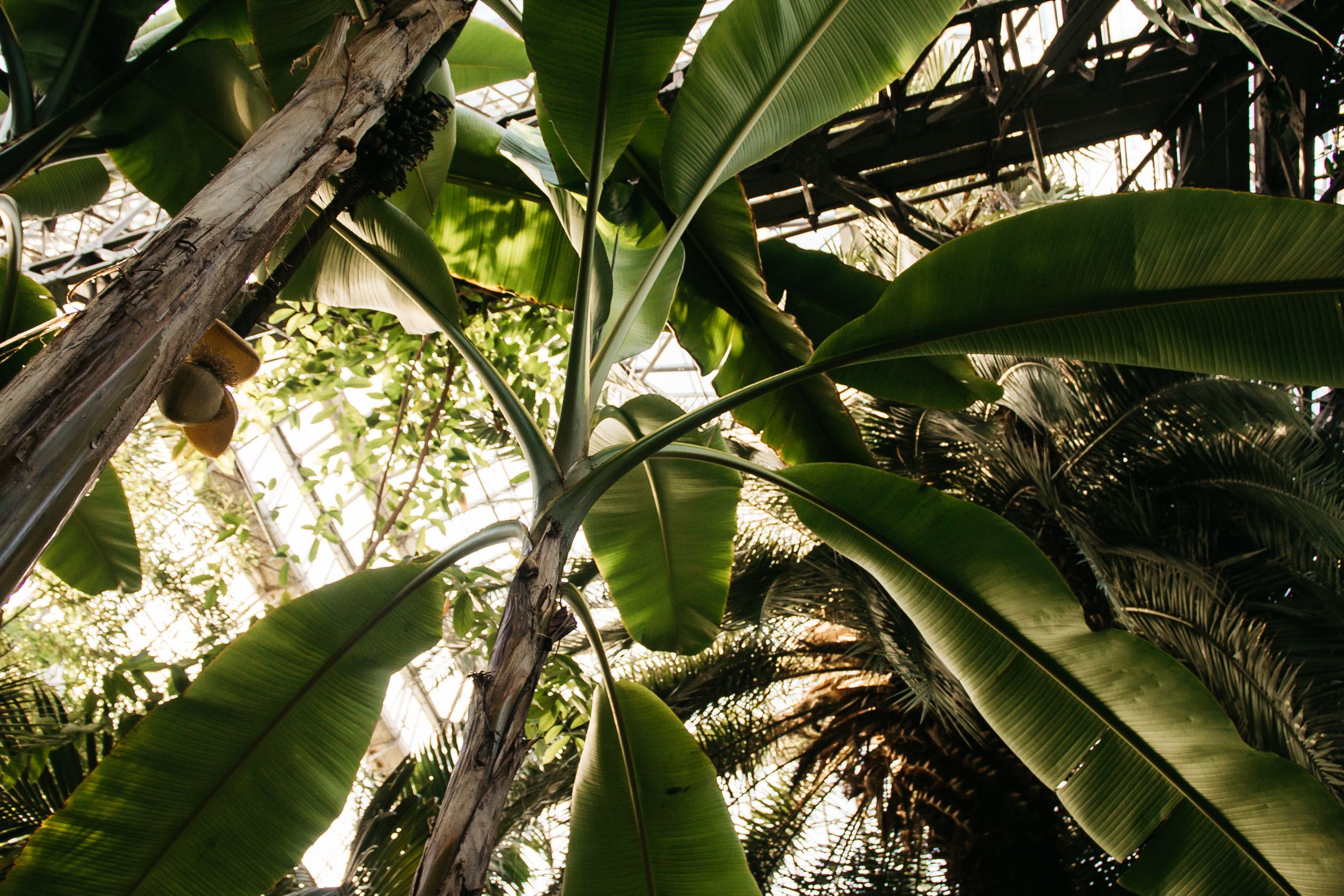
Indoor banana plants create an instant jungle feeling with their huge leaves. They look exciting in photos and plant shops. The regret starts when we realize they grow quickly and need a lot of space, light, and humidity.
Their leaves tear easily, brown at the edges, and can look messy in dry rooms. They rarely produce fruit indoors, so most people only get the maintenance without the reward. A smaller bird’s nest fern or rubber plant gives a bold tropical look with less size pressure.
Citrus Trees
Indoor citrus trees sound dreamy because they promise glossy leaves, fragrant flowers, and homegrown lemons or oranges. The idea is beautiful, but the reality can be difficult. Citrus trees need much more light than many windows provide.
Without strong sunlight or grow lights, they may drop leaves and struggle with pests such as scale. They also need careful feeding and watering. A dwarf calamondin can work for experienced plant owners, but beginners may prefer a hardy jade plant or rubber plant.
Peace Lily
Peace lilies are often praised as easy houseplants because they tolerate lower light and show white blooms. They can be forgiving in the right home. Still, many people regret buying them because they are toxic to pets and can wilt dramatically.
Their flowers can also create pollen mess, and sensitive people may dislike the dust. If pets are part of the household, a safer choice, such as a parlor palm or certain peperomias, may be a better option. We should always choose plants based on the people and animals living in the space.
Best Easy Houseplants to Buy Instead
If we want greenery without constant plant drama, we should focus on resilient indoor plants that handle normal homes well. Snake plants, ZZ plants, pothos, heartleaf philodendrons, spider plants, peperomias, and parlor palms are strong choices for many beginners. They tolerate missed waterings, average humidity, and ordinary indoor light better than many trendy plants.
We should also match the plant to the room before buying. A bright window can support succulents, citrus, and some flowering plants. A lower-light corner is better for ZZ plants, snake plants, pothos, or philodendrons. A humid bathroom can help ferns and calatheas, but a dry living room may ruin them.
Conclusion
The most regrettable houseplants are usually the ones we buy for looks without checking their real care needs. A plant can be gorgeous in a shop and still be a poor fit for our light, air, water, space, pets, or schedule. We save money, time, and frustration when we choose plants for our actual home instead of an ideal greenhouse.
A beautiful indoor garden does not need to be difficult. The best houseplants are the ones that stay healthy with the care we can realistically give. When we choose wisely, our plants become part of a calmer home instead of another stressful responsibility.