A clean house can still be working against you if your routine is full of tiny mistakes. The strange part is that many people scrub harder, buy more products, and spend more time cleaning, yet the home still looks dusty, streaky, or slightly stale by the end of the day. That is usually because the problem is not laziness; it is the method.
Most cleaning mistakes look harmless at first. A rushed wipe here, a dirty mop there, a scented spray hiding a bad smell, or a vacuum that gives up before the room does. These common habits can turn a simple chore into a long, frustrating cycle, so here are the cleaning mistakes that may be making your home dirtier than it needs to be.
Cleaning Without a Plan

Cleaning without a plan feels fast at the beginning, but it usually wastes time. You start with the kitchen counter, notice the floor, move to the bathroom, return to the sink, and suddenly the whole house looks half done. This scattered approach makes chores feel bigger because your brain keeps switching between tasks.
A better method is to choose the rooms, gather the supplies, and clean in a clear, ordered sequence. Even five minutes of planning can stop you from walking back and forth for clothes, sprays, trash bags, and vacuum attachments. Once the routine has a simple path, the job feels less chaotic, and the house starts looking cleaner much faster.
Starting With the Floor
Starting with the floor is one of the easiest ways to clean the same space twice. Dust, crumbs, hair, and lint fall from shelves, counters, tables, light fixtures, and upholstery after you have already mopped or vacuumed. That means your freshly cleaned floor becomes the landing zone for everything you forgot above it.
The smarter move is to work from the top down. Dust ceiling corners, wipe shelves, clean counters, shake crumbs from chairs, then finish with the floor. Gravity is going to do its job anyway, so your cleaning routine should work with it rather than fight it.
Using the Wrong Product on Delicate Surfaces
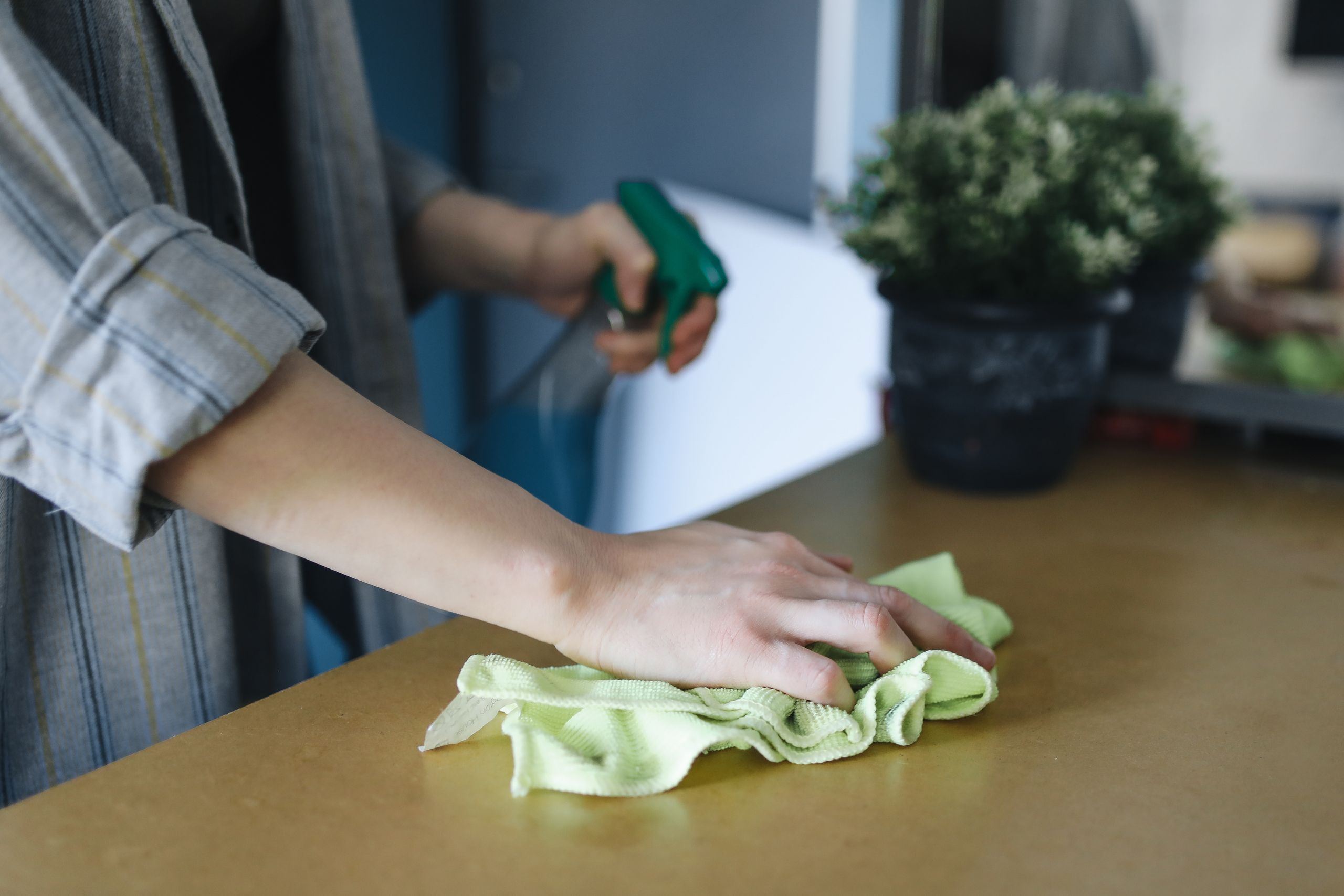
A strong cleaner can feel like the answer when a stain refuses to move. The problem is that harsh or abrasive products can scratch finishes, dull countertops, strip sealants, damage wood, or leave cloudy marks on glass and metal. Sometimes the damage does not show immediately, but the surface slowly loses its shine over time.
The fix is simple but important. Match the product to the material before spraying, scrubbing, or soaking anything. Marble, stainless steel, natural wood, painted cabinets, glass, tile, and sealed stone do not all need the same treatment, so reading the label can save your home from expensive mistakes.
Scrubbing Too Soon
Many people spray a cleaner and start scrubbing right away. That turns cleaning into pure muscle work when the product may need a little time to loosen grease, grime, soap scum, or sticky buildup. When you rush the process, you often scrub harder than necessary, increasing the risk of scratching the surface.
Let the cleaner sit for the time recommended on the label. This waiting period helps the formula break down the mess before you wipe it away. It feels slower for a moment, but it can save effort, protect surfaces, and make the final result look smoother.
Keeping Too Many Cleaning Products
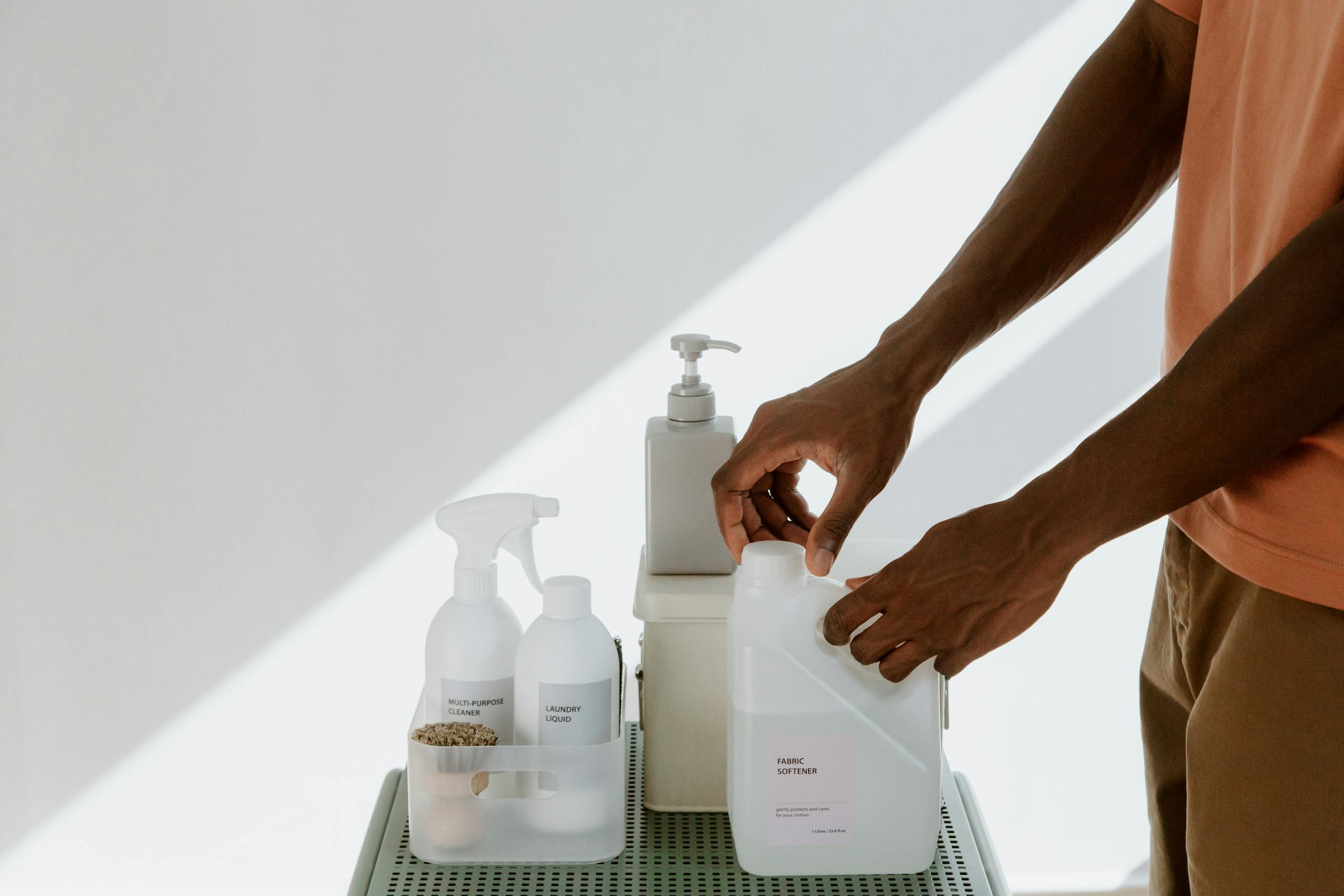
A crowded cleaning cabinet can make chores harder, not easier. Too many bottles mean more decisions, more confusion, and a higher chance of using the wrong product in the wrong place. It also tempts people to combine products, which can be dangerous when certain chemicals react.
A simple cleaning kit is usually more effective. Keep a good all-purpose cleaner, dish soap, glass cleaner, disinfectant for the right surfaces, microfiber cloths, and a product made for tougher bathroom or kitchen buildup. When the supplies are organized and limited, cleaning becomes faster and safer.
Forgetting to Clean the Cleaning Tools
Dirty cleaning tools can quietly spread grime around the house. A mop that smells musty, a sponge full of old food particles, a vacuum with a clogged filter, or a dusty duster can make surfaces look clean while leaving behind bacteria, odors, and debris. At that point, the tool becomes part of the mess.
Wash microfiber cloths after use, rinse mop heads properly, empty vacuum canisters, clean filters, and replace old sponges often. These small habits make a big difference because clean tools do better work. A fresh cloth or properly emptied vacuum can make the same chore look completely different.
Leaving Surfaces Wet
Wet surfaces often look clean at first, then dry into streaks, spots, rings, and cloudy patches. Bathroom fixtures, mirrors, glass tables, stainless steel appliances, and faucets are especially quick to show water marks. This makes the room look unfinished even after you spent time cleaning it.
The final dry wipe is what gives many surfaces that polished look. Use a clean microfiber cloth to dry faucets, mirrors, glass, sinks, and shiny appliances after cleaning. This small finishing step can turn a basic wipe down into a cleaner, brighter result.
Relying on Air Fresheners Instead of Finding the Odor

Air fresheners can make a room smell pleasant for a short time, but they do not solve the source of the smell. A scented spray cannot fix a dirty trash can, damp laundry, pet mess, old food in the fridge, mildew, or a dusty carpet. When fragrance sits atop a bad odor, the room can smell even stranger.
Find the cause first, then add scent only if you still want it. Empty the trash, air out the room, wash fabrics, clean drains, check hidden corners, and use baking soda where appropriate. A truly fresh home should smell clean because the odor is gone, not because it has been covered up.
Conclusion
Cleaning should make life feel lighter, not turn every room into a battle. Most of the biggest mistakes come from rushing, using the wrong products, ignoring labels, skipping tool care, or trying to cover problems instead of fixing them. Once those habits change, the same amount of effort can produce a much better result.
A cleaner home does not always require more products or longer hours. It often needs a smarter order, cleaner tools, safer choices, and a little patience. The next time your chores feel harder than they should, the problem may not be the mess in your house, but the routine you have been taught to trust.