Bullying does not always look like a dramatic school hallway scene. Sometimes it looks like a child who suddenly hates school, deletes messages too quickly, stops eating lunch with friends, or says they are “fine” with a face that clearly says they are not.
The scary part is that many adults miss the early signs because bullying often hides behind jokes, group chats, fake friendships, and quiet fear. If we want to stop bullying before it damages a child’s confidence, we have to stop treating it like normal childhood drama.
Bullying can follow a child from the classroom to the phone, from the bus stop to the bedroom, and from one cruel comment to weeks of anxiety. These are the dangerous mistakes parents, schools, and kids often make before bullying grows into something much harder to control.
Calling Bullying “Just Teasing” Until the Child Shuts Down
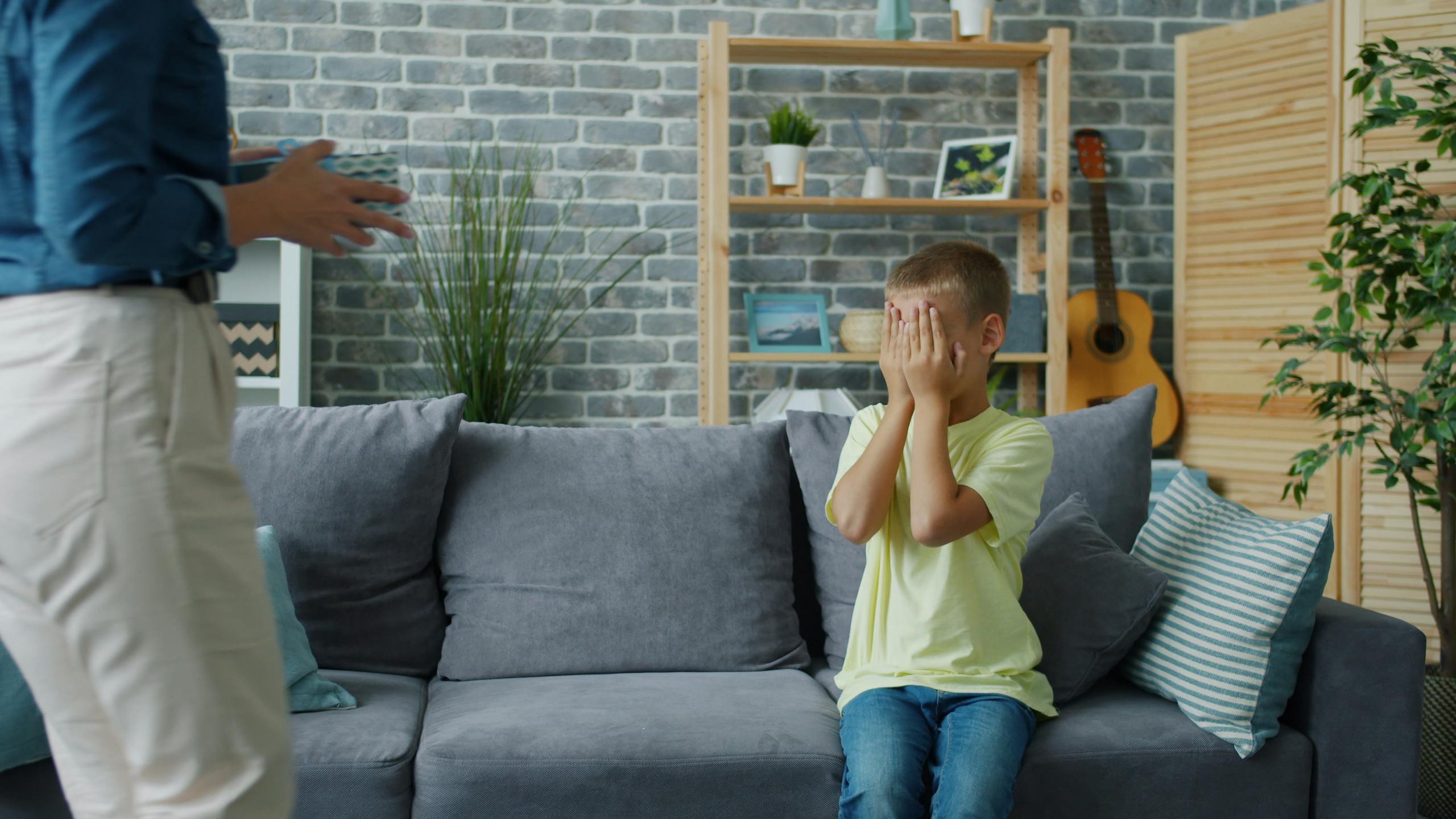
One of the biggest mistakes is softening the problem with harmless words. Adults may call it teasing, joking, rough play, or kids being kids, but a child knows when laughter is being used as a weapon.
If the same person keeps humiliating, threatening, excluding, or targeting a child, we should treat it as a pattern, not a personality clash. Children often stop talking when adults make the problem sound smaller than it feels.
They may think nobody will believe them, or worse, that they are being too sensitive. The first step in stopping bullying is naming it clearly and calmly so the child feels protected instead of embarrassed.
Waiting Too Long to Take the First Report Seriously
Bullying rarely disappears because adults hope it will. A child who reports repeated cruelty is usually already tired, scared, or ashamed by the time they finally speak. Waiting for “more proof” can give the bully more time to control the situation.
We should listen closely the first time a child says someone keeps bothering them. Ask what happened, where it happened, who saw it, how often it happens, and what the child fears will happen next. A calm first response can decide if the child keeps trusting adults or goes silent.
Telling Kids to Ignore Everything, Even When It Gets Worse

Ignoring a bully can help in small moments, especially if the bully wants a loud reaction. But telling a child to ignore every insult, threat, shove, rumor, or online attack can make them feel abandoned. Some bullying grows stronger when nobody challenges it.
A better approach is to teach smart responses. The child can stay calm, move away, stay near safe people, document what happened, and report the pattern to a trusted adult. Ignoring should be one tool, not the whole plan.
Letting Cyberbullying Feel Like “Just Online Drama.”
Cyberbullying can feel even more painful because it follows a child home. A cruel post, a fake account, a group-chat insult, an embarrassing photo, or a private-message threat can spread faster than any hallway rumor. The phone becomes a doorway for fear.
We should teach children not to respond in anger, because screenshots live longer than emotions. They should save proof, block or restrict the person, report the account, and tell a trusted adult. Online bullying is still bullying, and it deserves the same serious response as face-to-face harassment.
Forgetting That Bystanders Can Stop the Damage Faster

Bullying often grows in front of an audience. The bully may want laughter, silence, attention, or approval from the group. If everyone watches and nobody acts, the target feels even more alone.
Children need to know they do not have to fight the bully to help. They can sit with the person being targeted, refuse to laugh, get an adult, send a kind message, walk away with the victim, or report what they saw. Small brave actions can break the bully’s power faster than a long speech.
Rushing to Rescue Without Giving the Child a Voice
Parents naturally want to protect their child, but rushing into school angry can sometimes make things worse. The child may fear retaliation, embarrassment, or losing control of the situation. If adults take over completely, the child may stop sharing details.
We should ask the child what they want to happen and explain what adults must do for safety. The child should feel included in the plan, even when adults need to step in. A good bullying response protects the child without making them feel powerless.
Failing to Keep a Clear Record of What Happened

Bullying can be denied easily when there is no record. The bully may say it was a joke, the witnesses may stay quiet, and adults may struggle to see the full pattern. That is why documentation matters.
Parents and students should write down dates, times, places, names, screenshots, messages, damaged items, witnesses, and what was said or done. The record should stay simple and factual. A clear paper trail helps schools respond faster and makes it harder for serious bullying to be brushed aside.
Treating the End of the Incident as the End of the Hurt
Even after bullying stops, the child may still carry the fear. They may avoid certain places, distrust classmates, lose confidence, or feel nervous every time their phone lights up. Ending the behavior is important, but healing goes beyond stopping the bully.
Children need steady support after the crisis. That may include check-ins, counseling, safe friendships, teacher support, family time, confidence-building activities, and reminders that the bullying was not their fault. A child should not have to rebuild alone after being repeatedly hurt.
Conclusion
Bullying becomes more dangerous when adults minimize it, children hide it, bystanders excuse it, and schools treat it like ordinary conflict. The damage can start quietly, but it can grow into fear, isolation, anger, and long-lasting shame if nobody steps in. That is why every report deserves attention.
Stopping bullying does not mean teaching children to become tougher in silence. It means teaching them that cruelty has limits, help is real, and their safety matters. When parents, schools, friends, and bystanders respond early, bullies lose the one thing they depend on most: control.