The empty bedroom looks harmless at first. The door stays closed, the bed stays made, and everyone pretends the space will be handled eventually. Then, eventually, it becomes months, and the room slowly becomes a dusty reminder that the house has changed, but the design has not caught up.
Empty nesting should feel like a fresh chapter, not a quiet design mistake hiding behind a closed door. We finally get extra space, fewer daily demands, and a chance to build a home that fits the life we are living now.
Yet many empty nesters waste that opportunity by keeping the room frozen, filling it with clutter, or rushing into makeovers that look nice but serve no real purpose. The problem is not the empty room itself. The problem is what we do with it.
Turning the Room Into a Clutter Graveyard
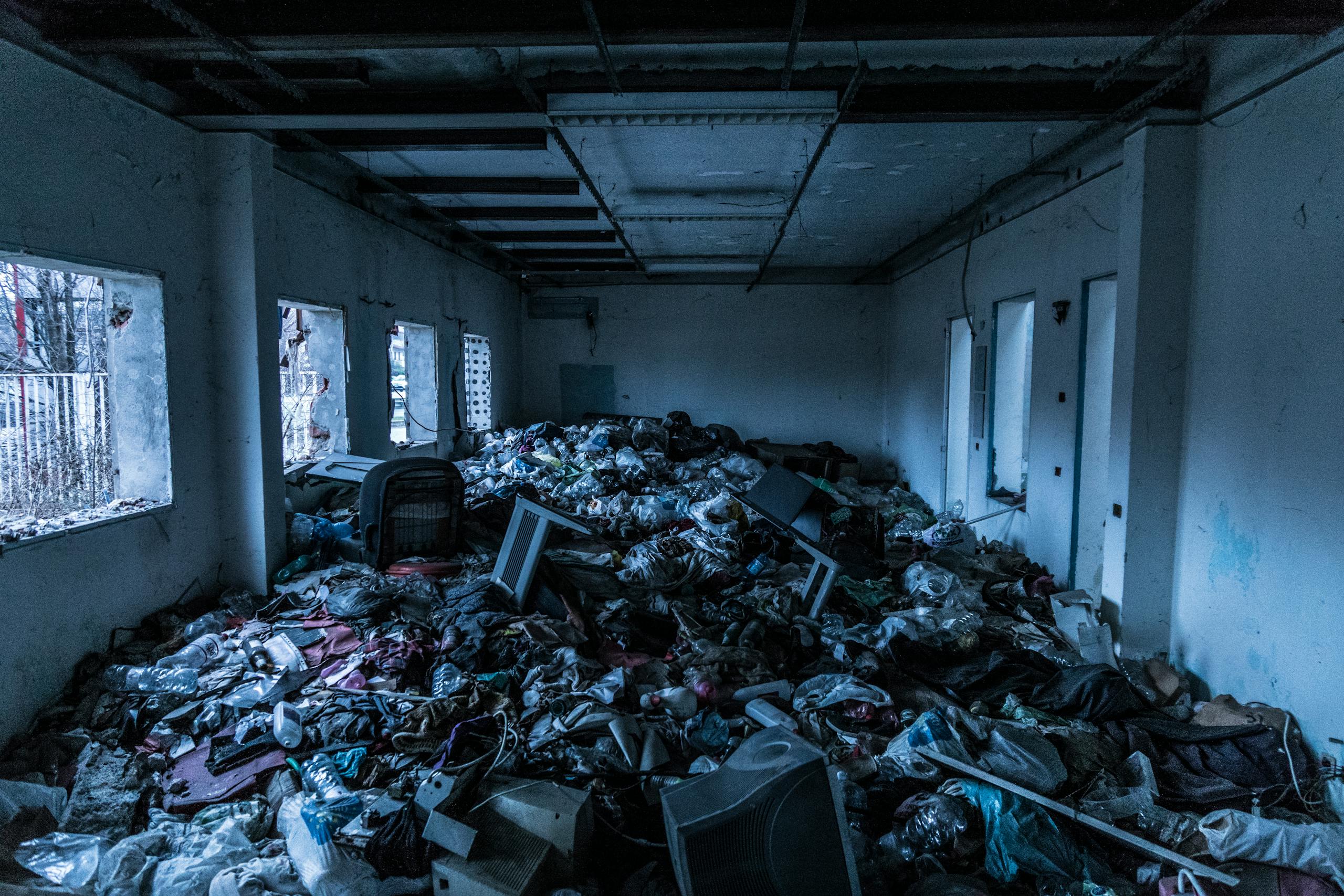
The fastest way to ruin an extra room is to treat it like a storage unit. Old school papers, outdated bedding, broken electronics, forgotten clothes, holiday boxes, and random household items slowly take over the space. What begins as a temporary holding area becomes a permanent mess that nobody wants to touch.
This kind of room drains energy from the home. Every time we open the door, we are reminded of unfinished decisions and delayed organization. Instead of enjoying the freedom of a new space, we feel trapped by piles of things that no longer belong to our current life.
A better approach is to clear the room before assigning it a new purpose. We can keep meaningful items, donate what still has value, and remove anything that only adds guilt. A spare room cannot become a peaceful office, guest suite, gym, or reading room when it is buried under past clutter.
Keeping It Frozen Like a Shrine
Memories matter, but turning a child’s old bedroom into a shrine can quietly keep the whole house stuck. Some empty nesters leave the posters, trophies, bedding, furniture, and childhood items exactly where they were. The room becomes less of a bedroom and more of a time capsule nobody really uses.
That may feel comforting at first, but it can also make the home feel emotionally heavy. The child has moved into adulthood, but the room still belongs to a version of life that has already passed. Instead of creating space for the next chapter, we keep reopening the same old one.
The healthier choice is balance. We can save a few meaningful keepsakes, frame a favorite photo, or create a small memory corner. The rest of the room deserves a new identity that supports the people still living in the house every day.
Rushing Into a Makeover Without a Purpose
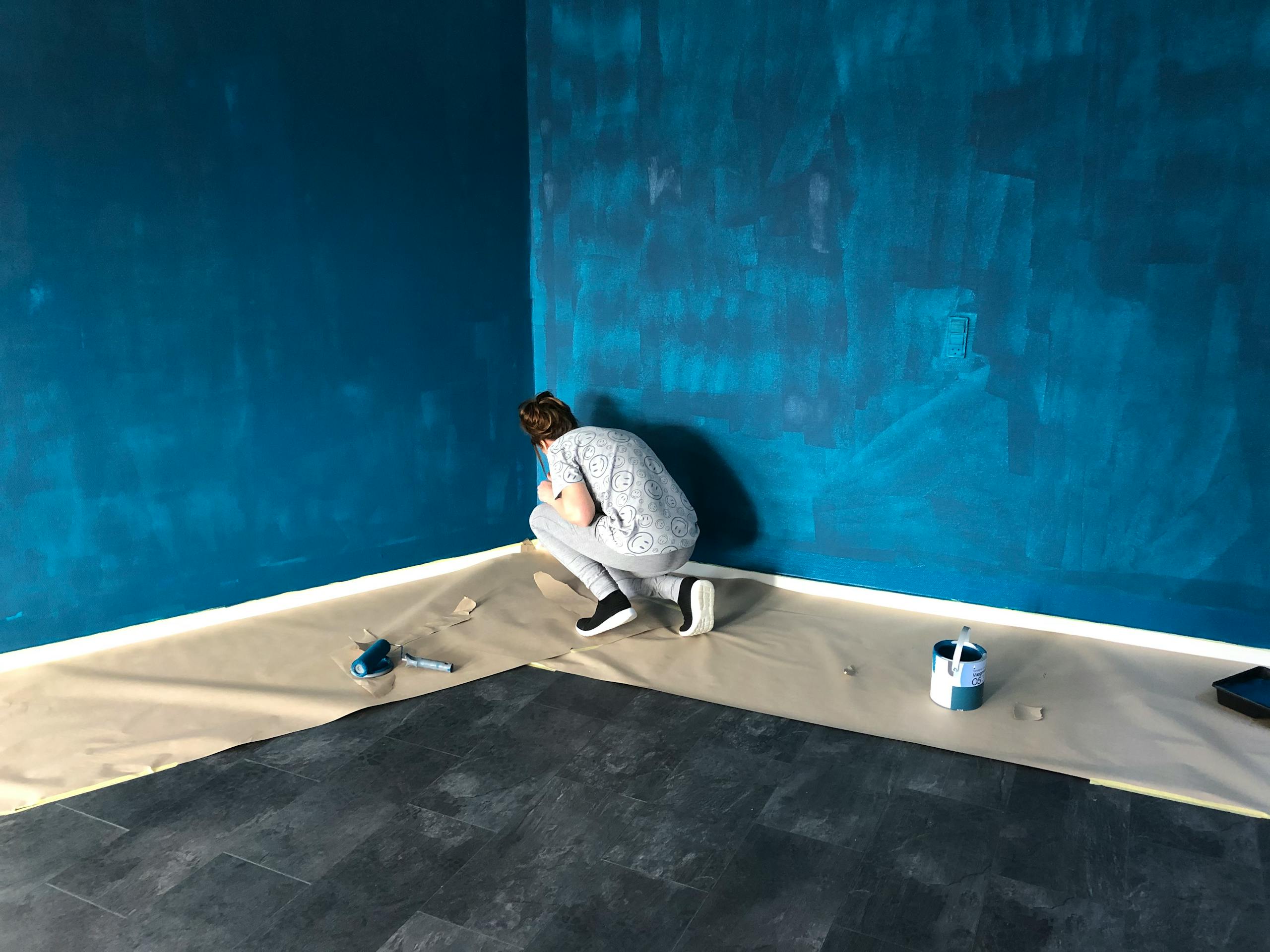
Some empty nesters make the opposite mistake and redesign too quickly. They buy paint, rugs, shelves, desks, chairs, lamps, and decor before deciding what the room should actually look like. The makeover feels exciting at first, but the room soon becomes another attractive space with no real function.
A room without purpose becomes expensive guesswork. A desk may sit unused. A guest bed may take over the floor. A large chair may look beautiful, but it blocks the closet. The space may look better than before, yet still fail to improve daily life.
Before spending money, we need to ask one clear question. What problem should this room solve? It might need to help us work, rest, create, exercise, host guests, store items neatly, or enjoy hobbies. Once the purpose is clear, every purchase becomes smarter.
Creating a Guest Room Nobody Uses
A guest room sounds practical, especially when adult children, grandchildren, relatives, or friends may visit. The mistake is designing a full guest room that sits empty for most of the year. The bed stays untouched, the linens collect dust, and the room becomes more decorative than useful.
This can be a waste of valuable space. A room that serves only occasional guests offers little everyday comfort. Before long, the bed becomes a folding station for laundry, the dresser collects random items, and the room loses its charm.
The smarter choice is a guest room that works harder. A daybed, sleeper sofa, Murphy bed, or compact bed can leave room for a desk, a reading chair, a craft table, or a storage wall. Visitors still feel welcome, but the room also serves as the household’s space between visits.
Trying to Make One Room Do Everything
A multi-purpose room can be brilliant, but only when it is designed with discipline. The trouble starts when one room is forced to become a home office, guest room, gym, craft studio, storage area, pet room, and meditation corner at the same time. That is not a flexible design. That is chaos with furniture.
When too many functions compete, none of them work well. The treadmill blocks the closet, the craft supplies crowd the desk, the guest bed swallows the floor, and storage bins destroy the calm. The room becomes busy, awkward, and frustrating to use.
A better flex room needs one main purpose and one or two supporting functions. A guest room with a reading corner works. A home office with a sleeper sofa works. A workout room with a meditation corner works. The room should feel layered, not overloaded.
Ignoring Lighting, Color, and Comfort

Many empty-nest rooms fail because they rely on the same old overhead light, tired wall color, and leftover furniture. A room can be clean and organized but still feel dull, cold, or uncomfortable. If the lighting is harsh, the paint feels wrong, or the chair hurts your back, nobody will want to spend time there.
Lighting changes everything. A home office needs task lighting. A reading room needs a warm floor lamp. A craft room needs bright, clear light. A meditation room needs softness. When lighting is ignored, even expensive furniture can look flat and lifeless.
Color should also match the room’s purpose. Calm colors work well for rest and focus; richer shades suit a library or lounge; and brighter tones energize a hobby room. Comfort finishes the job. Good seating, soft texture, proper layout, and easy movement turn a spare room into a space we actually enjoy.
Buying Furniture That Crowds the Space
A former bedroom often looks bigger after the old furniture is removed, but that open feeling can be misleading. Many empty nesters rush to buy oversized desks, bulky sofas, queen beds, large cabinets, or workout machines that quickly swallow the room. The space becomes cramped before it ever becomes useful.
Crowded rooms create daily irritation. Doors cannot open fully, closets become hard to reach, walkways disappear, and furniture feels wedged into place. A room meant to feel freeing starts to feel smaller than it did before.
The fix is simple but often ignored. Measure first. Think about door swings, outlets, windows, closet access, and walking space. Choose furniture that fits the room, not furniture that looks good in a showroom or online photo. In a spare room, empty space is not wasted. It is part of the comfort.
Forgetting the Room Should Fit the Next Stage of Life
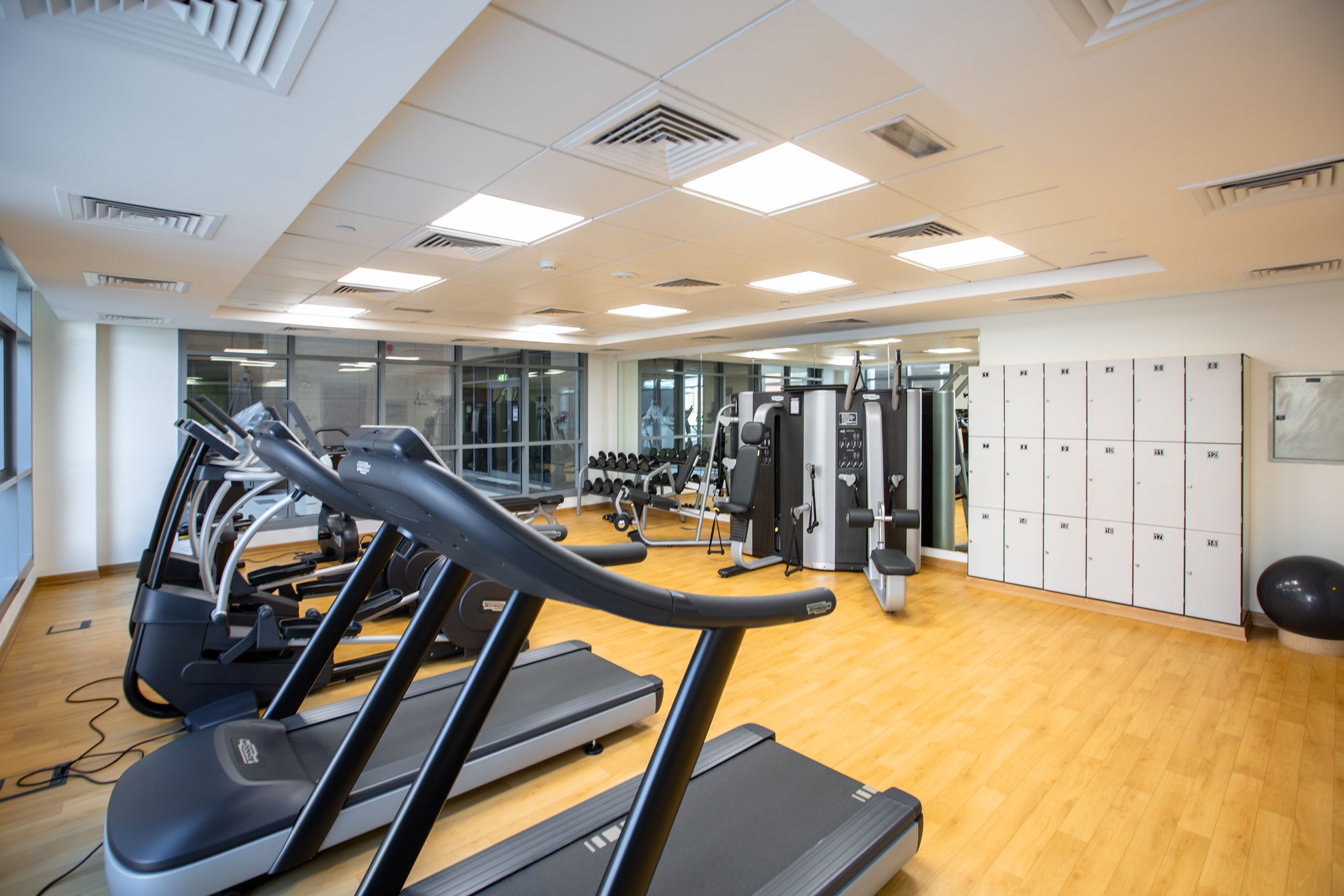
The biggest mistake is designing the room for a fantasy rather than for real life. Some people build gyms they never use, lounges they never sit in, craft rooms for hobbies they rarely pursue, or guest rooms for visitors who come so rarely.
Others forget aging-in-place needs and fill the room with slippery rugs, poor lighting, narrow paths, and awkward furniture.
An empty-nest room should support the life we are actually living now. It should make daily routines easier, not create another place to clean, avoid, or regret. If the room does not match our habits, it will eventually become another closed door.
The best design is honest. We should ask what would truly make the house better. More calm? More storage? More creativity? Better sleep for guests? A private office? A reading retreat? A room that fits the next stage of life will always feel more satisfying than a room built only for appearances.
Conclusion
An empty room can become one of the most valuable spaces in the home, but it can also become one of the easiest to waste. Clutter, emotional hesitation, poor planning, oversized furniture, weak lighting, and unrealistic design choices can turn a fresh opportunity into a quiet regret.
The good news is that these mistakes are avoidable. We do not need a huge budget or dramatic renovation to make the room useful. We need a clear purpose, smart storage, comfortable furniture, better lighting, and the courage to let the room evolve.
Empty nesting is not the end of the home’s story. It is the moment we get to redesign part of the house around comfort, freedom, and the life we are ready to enjoy now.