Inflation is back in America’s face, and this time, the pain feels personal. It is hiding in the grocery aisle, flashing at the gas pump, sitting inside the rent notice, and showing up in the electric bill that somehow looks rude before anyone even opens it. Americans are tired of being told the economy is “holding up” when their wallets look like they have been through a street fight.
The latest inflation jump is not just another economic headline. It is a warning sign for families who already cut back, traded down, skipped extras, and squeezed every dollar until it begged for mercy. When prices rise faster than comfort, the middle class starts living like every month is a financial emergency.
Grocery Carts Are Becoming More Expensive and Less Full

The grocery store has become one of the clearest places where inflation humiliates the average American household. People walk in with the same shopping list, buy fewer items, and still leave wondering how the total got so high. Meat, cereal, snacks, coffee, eggs, produce, and basic household goods now feel like tiny budget ambushes waiting on every shelf.
This is why grocery inflation feels more painful than many other expenses. Families cannot simply stop eating until prices cool down. They shift to store brands, skip favorite items, buy cheaper cuts, stretch leftovers, and pretend smaller portions are “meal planning.” Inflation does not just raise food prices. It changes how families feed themselves.
Gas Prices Are Turning Every Errand Into a Costly Decision
Gas prices hit Americans with a special kind of disrespect because driving is not optional for millions of people. In many communities, people need cars to reach work, school, daycare, medical appointments, grocery stores, and family obligations. When fuel prices rise, even a simple errand starts feeling like a financial calculation.
The problem gets worse because fuel does not stay at the pump. Higher transportation costs can push up prices for food, retail goods, deliveries, airline tickets, and services. That means Americans are paying for expensive fuel even when they are not driving. Inflation rides in the truck, the plane, the delivery van, and eventually, the receipt.
Rent Keeps Eating the Paycheck First
Rent has become one of the biggest reasons many Americans feel trapped. A family can cancel subscriptions, stop eating out, and ignore every sale email in the inbox, but rent still arrives like a bully on schedule. Once housing costs take the biggest bite, the rest of the budget has to survive on scraps.
This is where inflation becomes emotionally exhausting. People may earn more than they did a few years ago, but rising rent can swallow the raise before it ever improves daily life. The paycheck grows on paper, yet the breathing room disappears in reality. That gap between income and survival is where frustration grows.
Electricity Bills Are Getting Harder to Ignore
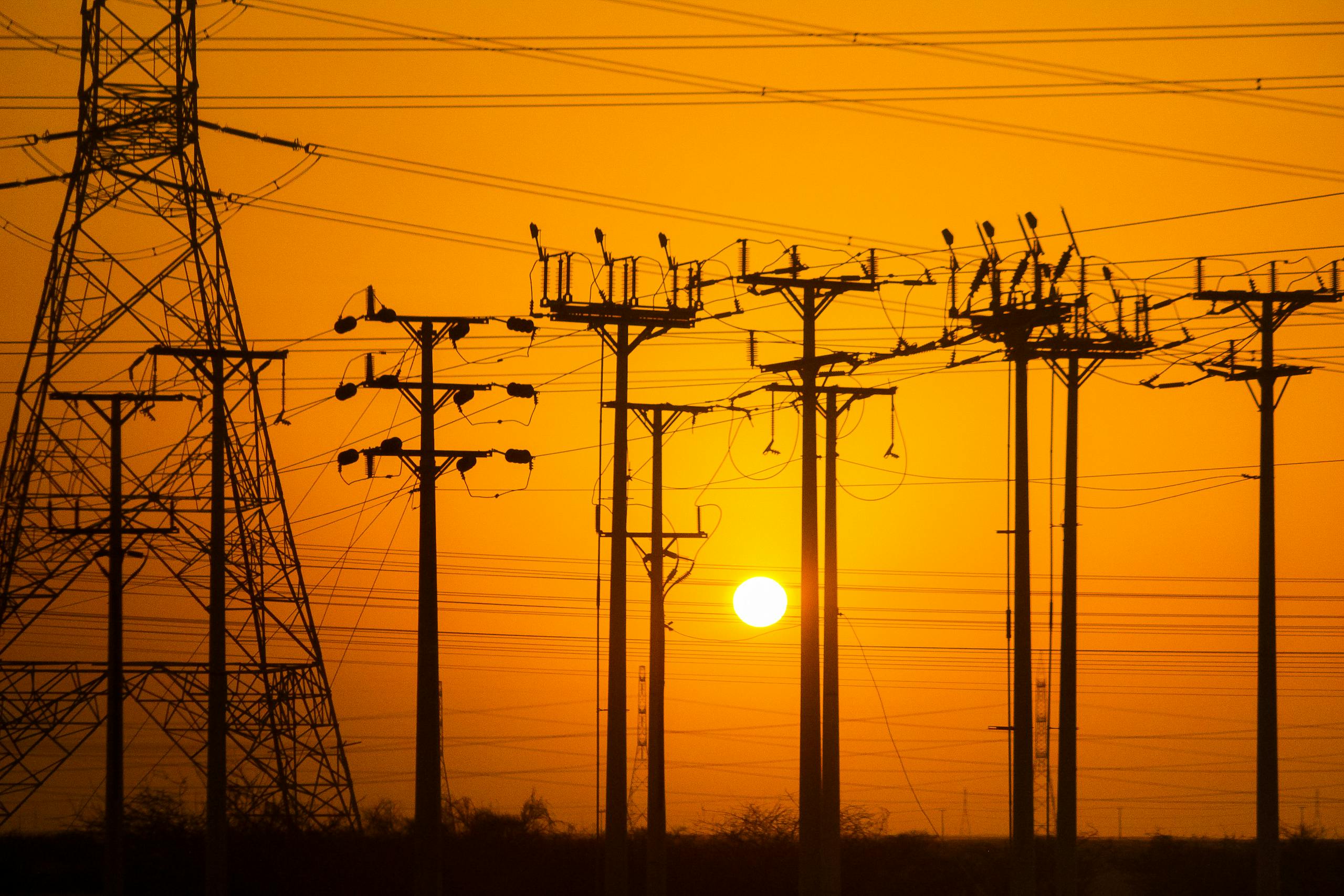
Electric bills are becoming another ugly part of the inflation story. Families are using more devices, cooling homes during hotter months, paying for basic appliances, and dealing with utility rates that feel less forgiving than before. For households already stretched by food and rent, a higher power bill can feel like the final insult.
The rise of power hungry data centers adds another layer to the anxiety. As artificial intelligence expands, data centers are expected to consume much more electricity in the years ahead. That does not mean every utility bill is caused by AI, but many Americans are starting to wonder why ordinary families must conserve and pay more while massive tech infrastructure demands more energy from the same strained grid.
Wages Are Not Keeping Up With Real Life
One of the cruelest parts of inflation is that people can work hard and still feel poorer. A raise does not feel like a raise when groceries, rent, insurance, gas, and utilities climb at the same time. Americans are not imagining the squeeze. They are living through the math every payday.
This creates a deeply frustrating situation for workers. They may be earning more dollars, but those dollars are doing less work. That is why inflation feels like a pay cut wearing a disguise. It does not announce itself as lost income. It simply makes every normal expense more aggressive.
Small Luxuries Are Quietly Disappearing
Inflation does not only attack necessities. It also steals the little pleasures that make life feel human. A coffee on the way to work, a family pizza night, a weekend movie, a birthday dinner, or a short road trip can start feeling irresponsible when the budget is already gasping.
This is where inflation becomes more than an economic problem. It changes mood, relationships, and routines. Families argue more about money, friends cancel plans, parents say “maybe next time” more often, and people start measuring joy against bills. The damage is quiet, but it is real.
Credit Cards Are Becoming a Survival Tool
More Americans are leaning on credit cards to bridge the gap between income and expenses. At first, it feels like a solution. A grocery bill goes on the card, then a car repair, then a utility bill, then an emergency expense that could not wait. The balance grows quietly until the interest becomes its own monthly problem.
This is one of the most dangerous ways inflation spreads. Higher prices push people into debt, and then debt makes future months harder. A household that was already stretched now has to fight rising prices and rising interest payments at the same time. Inflation does not just empty wallets. It can trap families in a cycle that keeps getting harder to escape.
The Middle Class Is Losing Its Sense of Security
The middle class used to be built around a simple promise. Work hard, pay your bills, save a little, take care of your family, and slowly move forward. Inflation has made that promise feel weaker. Many Americans are doing the right things and still feel like they are sliding backward.
This is why the anger around inflation runs so deep. People are tired of being told to budget better when the real problem is that every basic cost has become harder to carry. They are tired of trimming small expenses while housing, food, fuel, insurance, and utilities devour the big money. Inflation makes responsible people feel irresponsible, and that is a brutal way to live.
Conclusion
Inflation is not just a number in a government report. It is the smaller grocery bag, the skipped dinner out, the postponed car repair, the rising rent notice, the credit card balance, and the paycheck that no longer stretches far enough. Americans feel the pressure because it touches the parts of life they cannot easily avoid.
The harsh truth is that inflation does not need to explode to cause damage. It only needs to stay high long enough to wear families down month after month. For millions of Americans, the question is no longer whether prices are rising. The question is how much longer ordinary households can keep absorbing the hit before something finally breaks.