Buying a home used to feel like the finish line. For many Americans now, it feels like signing up for a bill that never stops growing. The mortgage gets all the attention, but property taxes are the quiet cost that can sneak into the monthly payment, raise escrow, and turn a once affordable house into a yearly financial headache.
This is where homeownership gets uncomfortable. Two families can buy similar homes in different states and end up living in completely different financial realities. One homeowner may pay a few hundred dollars a year, while another pays thousands just to keep living in a home they already bought.
That gap matters more today because American homeowners are already dealing with high insurance premiums, repair costs, utility bills, and mortgage rates that have made housing feel heavier than ever. Property taxes are not just a line on a county statement. They are one of the biggest reasons a house can become harder to afford over time.
The Property Tax Problem Most Homebuyers Notice Too Late

A home’s sticker price does not tell the full story. Many buyers focus on the down payment, mortgage rate, and monthly loan payment, then get blindsided by the tax bill after closing. In many states, property taxes are rolled into escrow, which means a rising tax bill can push the monthly payment higher even when the mortgage rate stays fixed.
That is the trap. A homeowner may believe they are locked into a predictable payment, only to find that the local tax bill has climbed due to reassessments, school funding needs, local budgets, or rising property values. The mortgage did not change, but the payment still went up.
This is especially painful for families already stretched by groceries, car payments, health costs, and insurance. A few hundred extra dollars a month may not sound dramatic to policymakers, but it can feel brutal in a household budget that is already tight.
New Jersey Is Still the Property Tax Nightmare
New Jersey remains the state that many homeowners fear when property taxes come up. The state has the highest effective real estate property tax rate in the country, and the average bill on a median-value home can climb close to five figures. That is not a small inconvenience. That is a yearly financial burden that can rival several months of groceries, car payments, or retirement contributions.
The problem feels even worse because New Jersey home values are not low enough to soften the blow. A high tax rate combined with expensive housing creates a punishing formula. Many families accept the cost because they want strong schools, safe suburbs, or proximity to New York and Philadelphia, but the bill still lands hard every year.
Illinois Makes Affordable Homes Feel Less Affordable
Illinois shows that lower home prices do not always protect homeowners from painful property taxes. The state has one of the highest effective property tax rates in America, which means buyers can still face a large annual bill even when homes look cheaper than those in coastal markets.
This can be especially frustrating for middle class homeowners. A house may seem manageable at first, but once taxes are added, the monthly cost looks very different. For many Illinois families, the issue is not just buying the home. It is surviving the ongoing cost of keeping it.
Connecticut Turns Comfort Into a Costly Commitment

Connecticut has long been associated with expensive living, and property taxes are part of that pressure. Homeowners in the state face a tough combination of high property values, high local costs, and one of the nation’s highest effective tax rates.
For families moving into desirable school districts or commuter towns, the tax bill can become a serious long term commitment. The home may feel like a smart investment, but the yearly cost can limit savings, delay retirement goals, and make downsizing feel less like a choice and more like an escape.
New Hampshire Shows the Dark Side of No Income Tax
New Hampshire often looks attractive because it does not have a traditional state income tax on wages. That sounds like a win until homeowners look closely at property taxes. The state relies heavily on property taxes, which shift a major cost directly onto homeowners.
This is a reminder that Americans should never judge a state’s affordability by one tax category. A state can look tax friendly on income and still feel expensive once the property tax bill arrives. For homeowners, the money has to come from somewhere, and in New Hampshire, it often comes through the house.
Vermont Makes Scenic Living Expensive
Vermont sells a beautiful picture of American life. Small towns, quiet roads, mountain views, and historic homes all make the state feel peaceful. The property tax bill can quickly ruin some of that romance.
The state ranks among the most expensive for effective property tax rates. For homeowners who moved there for calm, space, or retirement, the recurring bill can become an unpleasant surprise. Beauty is part of Vermont’s appeal, but the cost of owning property there can be much less charming.
New York Homeowners Get Squeezed Beyond the City

New York’s housing pain is not limited to the city. Across suburbs and many upstate communities, property taxes can become a major cost of staying put. The statewide effective rate is high, and the final bill can become especially painful in areas with expensive homes and school driven local budgets.
This is why so many homeowners in New York feel trapped. Selling may mean leaving a community they love, but staying may mean paying thousands of dollars in taxes every year. For retirees and families on fixed budgets, that pressure can become harder to ignore.
Texas Proves No State Income Tax Does Not Mean Cheap Living
Texas is often marketed as a lower tax escape, especially for people leaving high cost states. The lack of a state income tax is real, but homeowners still face serious property tax pressure. In many Texas communities, local governments depend heavily on property taxes to fund schools, services, and infrastructure.
As home values have risen in places like Austin, Dallas, Houston, and fast-growing suburbs, tax bills have become harder for many homeowners to swallow. The state may still be attractive for many reasons, but buyers should not mistake no income tax for no tax pain.
Nebraska Quietly Hits Homeowners Hard
Nebraska does not always appear in national conversations about expensive housing, which makes its property tax burden feel more surprising. Home prices are often lower than in coastal states, but the effective tax rate is high enough to make ownership more expensive than many buyers expect.
That matters because affordability is not only about the sale price. A lower priced home can still carry a stubborn yearly tax bill. In Nebraska, the property tax burden can quietly eat into the savings that buyers thought they were getting from a cheaper housing market.
Wisconsin Adds a Tax Bite to Midwest Living
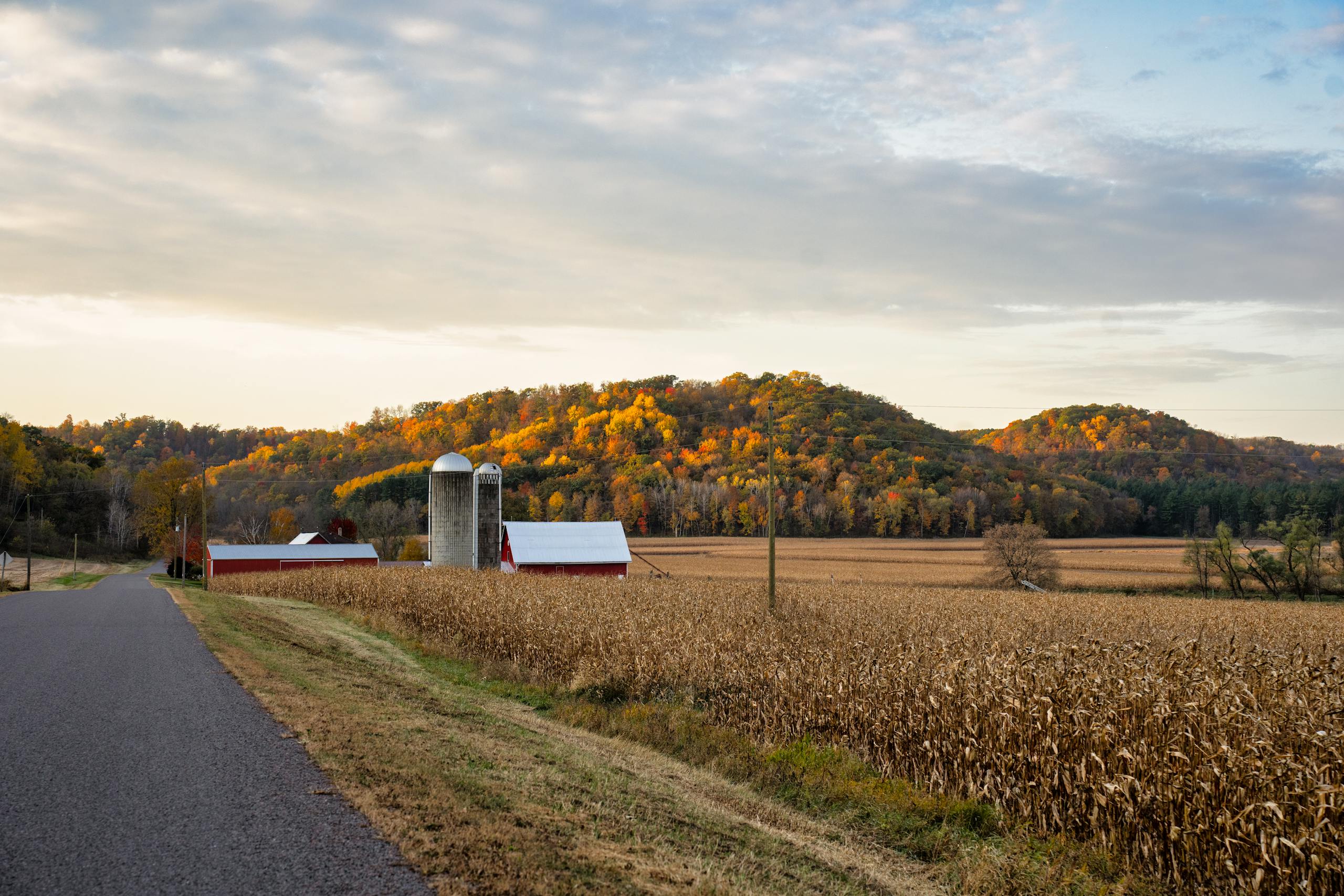
Wisconsin can look like a practical place to own a home. Many communities offer relative affordability, family friendly neighborhoods, and a slower pace than major coastal markets. Yet the state’s property tax rate remains high enough to make homeowners feel the bite.
For families comparing states, Wisconsin is a reminder to run the full monthly cost. A lower mortgage can still come with a higher escrow payment once taxes are included. The house may be affordable on paper, but the yearly tax bill can change the whole story.
Iowa Makes Low Home Prices Less Comforting
Iowa’s housing market is usually more affordable than many parts of the country, but its property tax rate is still among the highest. That creates a strange trade off. Buyers may get a lower home price, but they still face a tax burden that feels heavy relative to the property’s value.
This can frustrate homeowners who expected Midwest affordability to mean fewer financial headaches. The final bill may not match New Jersey or Connecticut in dollar terms, but it can still take a meaningful bite out of household income. In a tight budget, that bite matters.
The States Where Property Taxes Hurt Less
Some states give homeowners more breathing room. Hawaii, Alabama, Nevada, Arizona, Colorado, South Carolina, Idaho, Delaware, Tennessee, and Utah rank among the lowest for effective real estate property tax rates. On paper, these states look far friendlier to homeowners.
Still, low rates do not always mean low bills. Hawaii and Colorado are clear examples because home values can be very high. A low rate on an expensive home can still create a tax bill that demands attention.
The strongest low tax advantage often appears in states where low rates coincide with more affordable home prices. Alabama, South Carolina, Tennessee, Delaware, and parts of West Virginia can be especially attractive to homeowners seeking lower recurring costs. For retirees, young families, and buyers trying to stretch every dollar, that difference can be powerful.
Why Americans Should Stop Comparing Mortgage Payments Alone
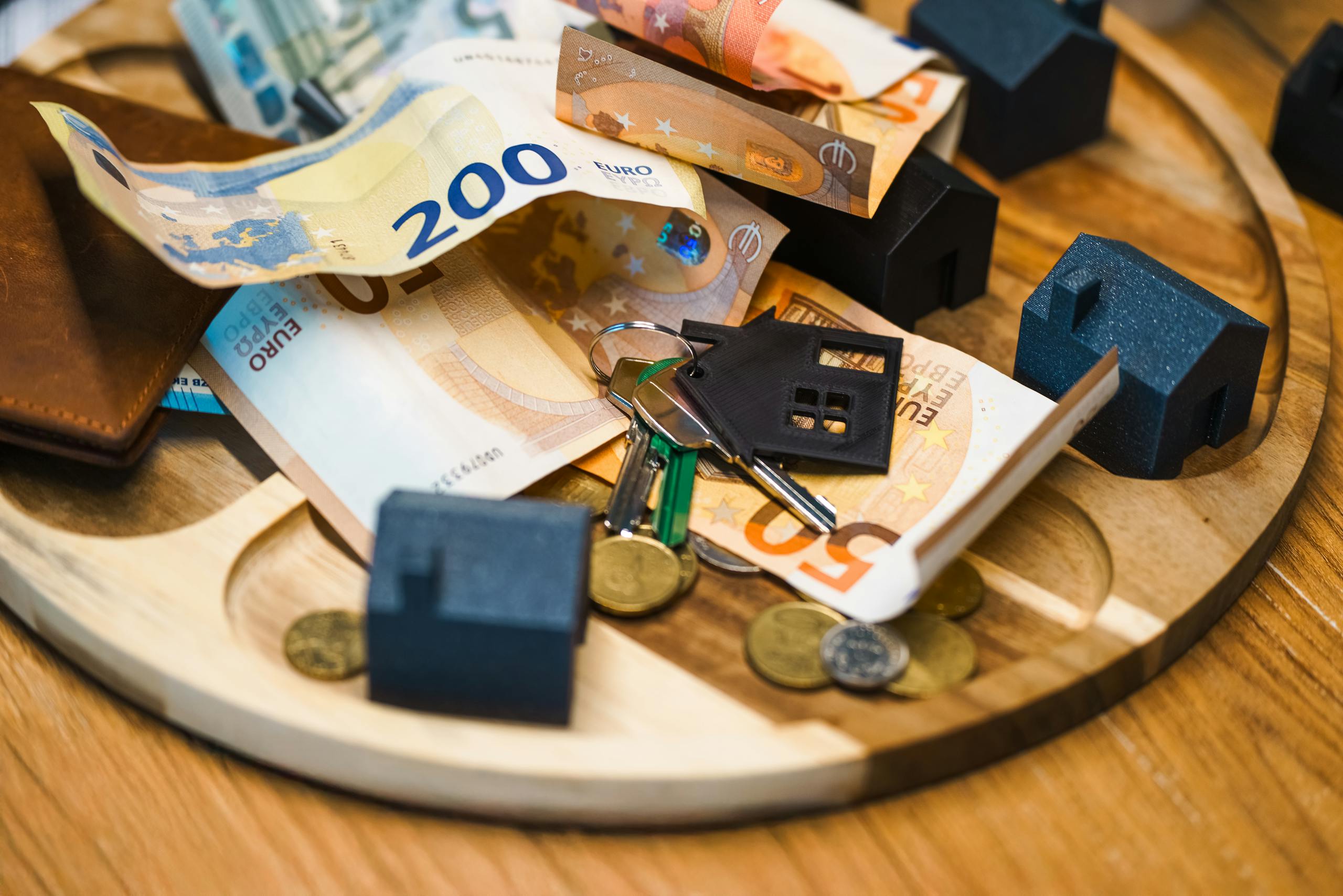
The old question was simple. Can we afford the mortgage? Today, that question is not enough. We need to ask whether we can afford the full cost of ownership.
That means principal, interest, property taxes, homeowners’ insurance, HOA fees, utilities, maintenance, repairs, and emergency savings. Property taxes are among the most dangerous because they can rise over time. A payment that feels comfortable in year one can become stressful by year five.
This is why a home in a low tax state can sometimes be safer for a household budget than a slightly cheaper home in a high tax state. The purchase price matters once. The tax bill comes back every year.
The Property Tax Trap Retirees Cannot Ignore
Property taxes can become especially painful in retirement. Many Americans dream of paying off the mortgage and living comfortably in the home they worked for decades to own. Then they realize the tax bill does not retire with them.
A retired homeowner may no longer have a mortgage, but they still have property taxes, insurance, utilities, maintenance, and medical costs. In high-tax states, that can make staying in the family home difficult. The house may be paid off, but it is not free.
This is why older homeowners should check senior exemptions, homestead programs, assessment freezes, and local tax relief rules. These programs vary widely by state and county, but they can make a real difference. Missing them can mean paying more than necessary for years.
How Homebuyers Can Avoid a Property Tax Shock
Before buying a home, we should check the property’s actual tax bill. State averages can help, but they do not replace county level and city level numbers. Two homes in the same state can have very different tax bills depending on local rates, exemptions, and school districts.
We should also ask whether the home will be reassessed after purchase. In some areas, a sale can trigger a higher assessed value, which means the previous owner’s tax bill may not reflect what the new buyer will pay. That mistake can create an ugly surprise after closing.
A smart buyer should also compare the full monthly payment, not just the mortgage quote. If the taxes make the payment uncomfortable, the house is already giving you a warning. A beautiful kitchen does not fix a budget that gets squeezed every month.
Conclusion
Property taxes are one of the quietest ways homeownership becomes more expensive in America. They do not feel as dramatic as a bidding war or a high mortgage rate, but they can drain a household year after year. In states like New Jersey, Illinois, Connecticut, New Hampshire, Vermont, New York, Texas, Nebraska, Wisconsin, and Iowa, the burden can be especially hard to ignore.
The biggest lesson is simple. A house is not affordable just because the listing price looks reasonable. We have to look at the tax rate, the assessed value, the actual yearly bill, and the chance that the bill could rise later.
For American homeowners, property taxes are not just a government charge. They are a permanent cost of staying home. Before buying, moving, retiring, or downsizing, we need to ask the question that matters most: Will this house still feel affordable when the tax bill shows up again next year?