Hosting can feel expensive before anyone even walks through the door. Food, drinks, decorations, games, cleaning supplies, and last-minute extras can quietly turn a simple gathering into a budget problem. Still, there are unique ways to entertain house guests without breaking the bank, without a bare table, an awkward silence, or the same tired movie night everyone has done before.
We can create a warm, memorable experience by focusing on atmosphere, conversation, shared activity, and thoughtful planning. Guests rarely remember how much we spent. They remember how relaxed they felt, how much they laughed, and how naturally the evening flowed. That is where smart hosting wins.
Budget-Friendly House Guest Entertainment Starts With a Clear Hosting Theme
A clear theme gives the gathering shape before we spend any money. Instead of buying random snacks, decorations, and activities, we choose a single,simple idea to guide every decision. A “cozy café night,” “backyard picnic,” “retro game evening,” “comfort food potluck,” or “travel-at-home dinner” can make the event feel intentional without requiring expensive supplies.
The theme also helps guests know what to expect. A relaxed board-game night feels different from a candlelit dinner, and a Sunday brunch feels different from a late-night dessert bar. When the theme is clear, even inexpensive items look more polished because they belong together. We spend less because every choice has a purpose.
Create a DIY Snack Bar Instead of Serving a Full Meal
A full dinner can quickly become the most expensive part of hosting. A DIY snack bar gives guests variety while keeping the cost under control. We can build a popcorn bar with seasonings, a nacho station with simple toppings, a baked potato bar, a toast bar, or a mini sandwich board using affordable ingredients bought in bulk.
This style works because it feels interactive. Guests enjoy building their own plates, and the host does not have to manage complicated timing in the kitchen. A few bowls, labels, and serving spoons can make basic foods feel fun and generous. The goal is abundance through presentation, not luxury through price.
Turn the Living Room Into a Low-Cost Tasting Experience
A tasting night can feel fancy without requiring expensive wine, imported cheese, or gourmet ingredients. We can organize a chocolate tasting, tea tasting, coffee tasting, soda tasting, cookie tasting, hot sauce tasting, or homemade dip challenge. Each guest can rate flavors, guess ingredients, or vote for the best one.
The beauty of this idea is that small portions go a long way. A few affordable items can stretch across many people because the activity is about comparison, conversation, and surprise. We can add scorecards, simple categories, and a “winner” at the end to make it feel planned. The experience becomes the entertainment.
Host a Potluck With a Creative Twist
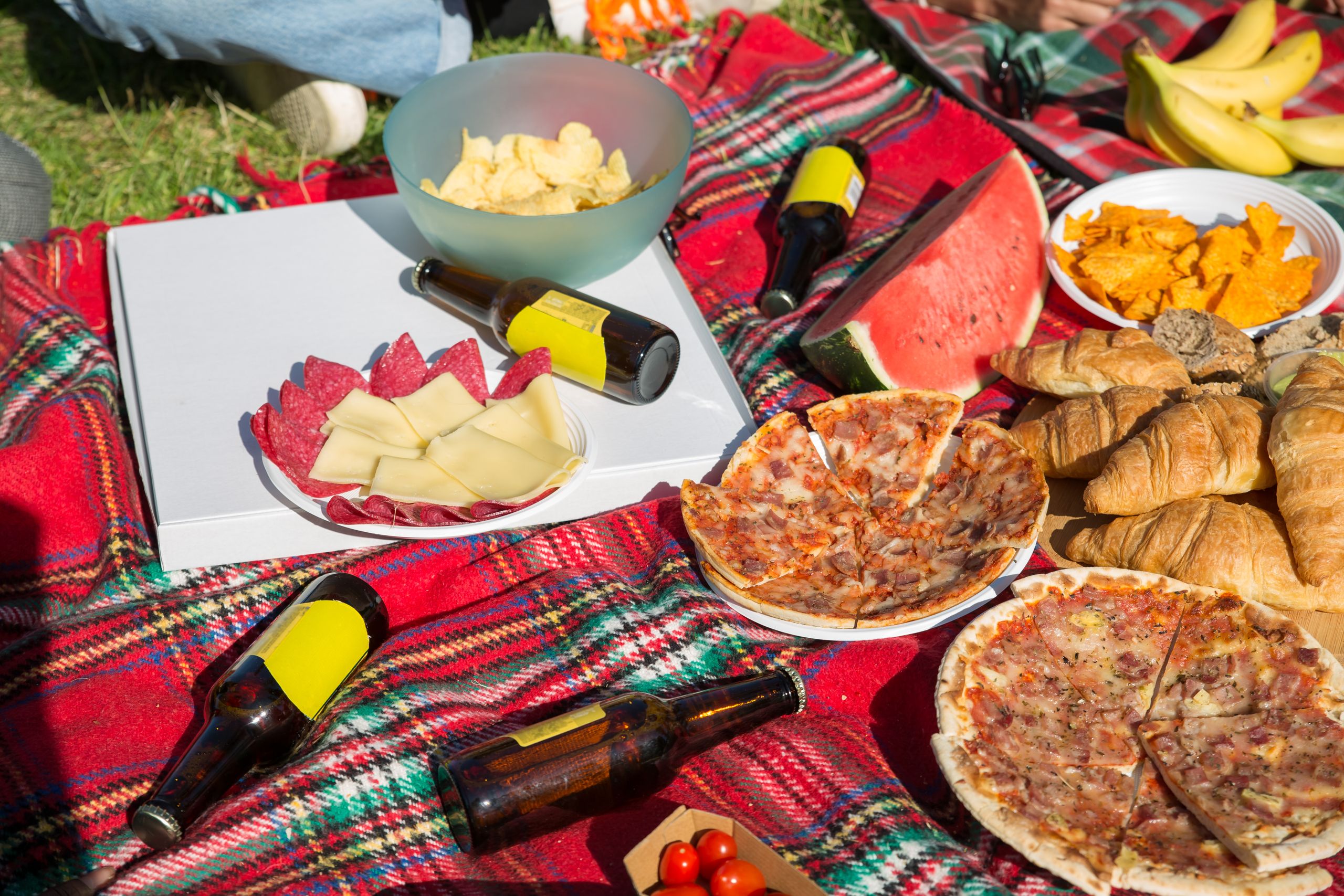
A regular potluck can feel predictable, but a themed potluck turns shared food into a real activity. We can ask guests to bring a dish from childhood, a meal under $10, a family recipe, a comfort food, or something inspired by a favorite movie. This removes pressure from the host and gives everyone a reason to talk.
Creative potlucks work best when the instructions are simple. Guests should not feel they need to cook something complicated or expensive. The point is storytelling. A basic pasta dish, homemade cookies, or a simple salad can become interesting when people explain why they chose it.
Use Conversation Cards to Make Guests Feel Connected
Good conversation is one of the cheapest forms of entertainment, yet many hosts leave it to chance. Conversation cards can be handmade with paper, written in a notes app, or printed from free templates. The questions should be warm, playful, and easy to answer.
Strong prompts include “What is a small thing that instantly improves your mood?” or “What food reminds you of home?” We can also ask guests to choose between funny options, tell a short story, or share a harmless opinion. This keeps the room lively without forcing anyone into uncomfortable personal territory.
Plan a House Tour Game With Hidden Details
A simple home can become part of the entertainment with a hidden detail game. Before guests arrive, we place small objects, notes, stickers, or clues around common areas. Guests must spot them during the evening and write down what they find.
This works especially well for casual gatherings because it gives people something playful to do between conversations. The game can be subtle, funny, or themed around the event. We might hide tiny paper stars, movie quotes, fake “museum labels,” or silly facts about household items. It costs almost nothing and gives the night a memorable twist.
Create a Playlist Challenge Instead of Hiring Entertainment
Music shapes the mood of a gathering, but we do not need a DJ to make it feel special. A playlist challenge lets every guest add one or two songs before the event. During the gathering, guests can guess who chose each song or explain why they picked it.
This turns background music into a shared experience. It also helps guests feel included before they even arrive. We can create rounds such as “best throwback song,” “song that makes you clean faster,” or “song you secretly love.” The result is personal, funny, and free.
Make a Movie Night Feel Like a Private Screening

Movie night becomes more exciting when we treat it like an event. We can create simple tickets, arrange seating with pillows and blankets, dim the lights, and serve popcorn in bowls or paper bags. A short pre-movie vote makes the experience feel collaborative.
The key is to add small rituals. Guests can vote for “best snack,” predict the ending, or discuss the funniest scene afterward. We can also choose a theme such as mystery night, comfort comedy, nostalgic childhood movies, or international film night. The movie may be familiar, but the setup makes it feel fresh.
Organize a No-Spend Game Tournament
Games bring energy to a room, and many require no purchases at all. Charades, trivia, Pictionary-style drawing, “two truths and a lie,” card games, guessing games, and memory challenges can all work with basic supplies. We can create teams to make the room less stiff.
A tournament format adds structure. Guests earn points across several short games, and the winner gets a funny homemade prize. The prize could be a handwritten certificate, the first slice of dessert, or control of the next song. Small stakes create big laughter.
Build a Backyard or Balcony Picnic
Outdoor hosting does not need rented furniture or expensive décor. A few blankets, cushions, string lights, reusable cups, and simple snacks can turn a backyard, balcony, or porch into a charming picnic space. Even a small outdoor corner can feel special when arranged with care.
The setting does much of the work. Fresh air, relaxed seating, and shared food naturally slow the pace of conversation. We can serve lemonade, fruit, sandwiches, chips, and homemade dips. If the weather is cool, warm drinks and blankets can make the gathering feel cozy rather than cheap.
Use a Memory Table to Spark Stories
A memory table is a small display of photos, postcards, souvenirs, old books, travel items, or meaningful objects. Guests can browse the table and ask questions. It creates conversation without requiring a formal activity.
This idea works well because people connect through stories. A photo from a past trip, a childhood item, or a funny souvenir can open the door to laughter and deeper conversation. We can also ask guests to bring one small item of their own. The table becomes a shared museum of personal moments.
Host a Cook-Together Night Instead of Cooking Alone
Cooking for guests can feel stressful and expensive, but cooking with guests turns the meal into entertainment. We can choose simple foods like homemade pizza, tacos, dumplings, pancakes, pasta, or salad bowls. Everyone gets a small task, and the kitchen becomes part of the experience.
The best cook-together meals are flexible. Guests can choose toppings, sauces, fillings, or spice levels. Mistakes become funny rather than embarrassing because everyone is involved. This approach reduces hosting pressure and makes the meal feel more personal.
Create a Home Café or Dessert Lounge
A home café is one of the easiest ways to impress guests on a budget. We can serve coffee, tea, hot chocolate, lemonade, or simple mocktails with a small dessert plate. Add soft music, handwritten menu cards, and a cozy seating arrangement.
Desserts do not need to be expensive. Brownies, cookies, fruit, pudding cups, banana bread, or store-bought treats arranged nicely can feel generous. The “menu” creates the illusion of choice, even when the ingredients are simple. Guests enjoy the charm because it feels thoughtful.