In Salisbury, Maryland, a church that once brought hundreds of Haitian residents together every week has become a symbol of a community facing uncertainty. The end of Temporary Protected Status protections has left many Haitian families worried about their jobs, their futures, and whether they can remain in the country they have called home for years.
The parking lot outside the Word of Life Center once reflected the energy of a growing Haitian community. Sundays were filled with worship, community gatherings, English classes and events that helped families build connections across Maryland’s Eastern Shore.
Now, many seats inside the church remain empty. Pastor Roosevelt Toussaint says attendance has dropped significantly because some community members are afraid to leave their homes after the expiration of TPS protections for Haitians.
The changes have affected more than church services. Community events have been canceled, families have become more cautious, and organizations that support immigrants have seen growing demand from people looking for information and guidance.
A Church That Became a Place of Comfort During a Time of Fear
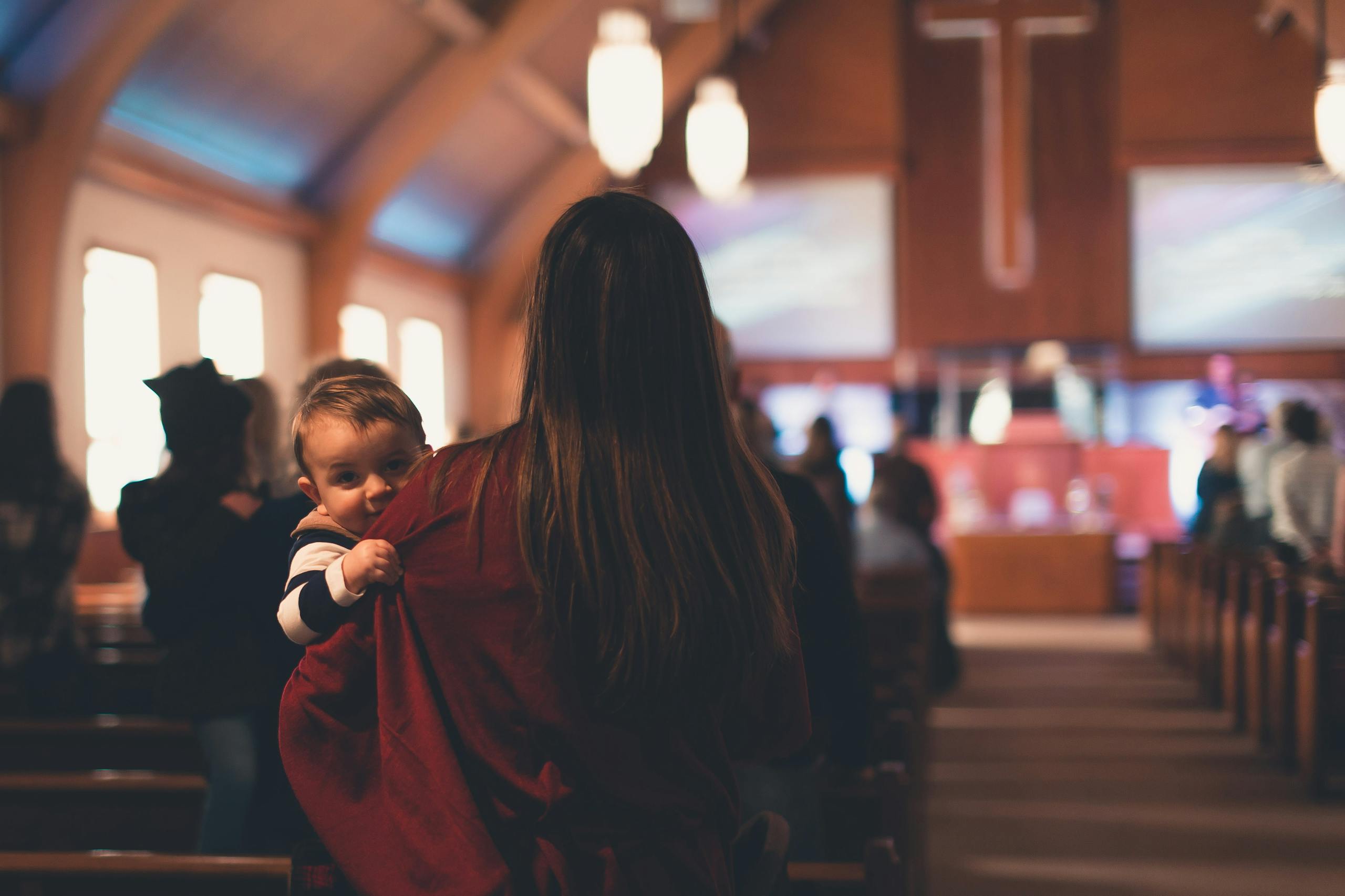
For nearly three decades, Pastor Roosevelt Toussaint has watched the Word of Life Center grow into a central part of Salisbury’s Haitian community. Since becoming pastor in 1995, he has seen the church serve as a place for worship, education and support.
During a recent Sunday service, Toussaint delivered a message focused on staying strong during difficult circumstances. Speaking in Haitian Creole, he encouraged his congregation not to allow fear to control their lives.
“I’m praying this afternoon that God can make you invisible to the enemy,” Toussaint told worshippers. “They put a lot of terror in your heart. But God has come to tell you: Do not be afraid!”
The pastor also shared a message for President Donald Trump, asking the administration to consider the lives of Haitian residents affected by the policy change. “We’re expecting you to have compassion for our people,” Toussaint said. “They haven’t done anything wrong.
What the End of Temporary Protected Status Means for Haitians
Temporary Protected Status is a humanitarian program created by Congress in 1990. It allows people from countries facing dangerous conditions, including natural disasters, conflict, or extraordinary circumstances, to remain temporarily in the United States and receive work authorization.
The United States first granted TPS to Haitians after the devastating 2010 earthquake that caused widespread destruction throughout Haiti. The protection was extended multiple times as Haiti continued facing serious challenges, including political instability and security concerns.
TPS does not provide permanent residency or citizenship. However, for many Haitians, it allowed them to work legally, support their families, and create stable lives in American communities.
The decision to end TPS protections has placed many long term residents in an uncertain position. Some now face questions about whether they can continue working, remain with their families, or return to a country they left years ago.
Maryland Workers Face Economic Uncertainty After Losing Protection
The impact of TPS expiration reaches beyond immigration status. Many Haitian residents in Salisbury work in industries that play an important role in Maryland’s Eastern Shore economy.
Haitian workers are employed in areas such as poultry processing, agriculture, healthcare, and caregiving. Local organizations say these workers have contributed to their communities for years while supporting businesses and families.
Leila Borrero Krouse, an immigration specialist with CATA, a nonprofit organization that supports farmworkers, said many immigrants come to the United States seeking opportunity and stability. “Most come to take jobs that others don’t want,” Krouse said.
The debate over TPS often focuses on immigration policy, but communities affected by the changes are also dealing with practical concerns. Workers who previously had authorization to work must now consider how the loss of protection could affect their employment and daily lives.
Families Worry About Separation and an Uncertain Future
For many Haitian families, the end of TPS represents more than a change in legal status. It creates fear about possible separation between parents, children, and loved ones.
Some TPS holders have lived in the United States for more than a decade. Many have raised children, built careers, and become part of the communities where they live.
Patricia Grace Louis Jacques, a nursing student at Salisbury University, said the uncertainty has affected people close to her. She described a moment when a friend asked her to care for her infant child if she was detained.
“That was the moment I knew things got bad,” Louis Jacques said.
The situation has also affected families where some members have different immigration statuses. Some children of TPS holders are United States citizens, creating difficult decisions for families concerned about what could happen next.
Immigration Advocates Raise Concerns While Officials Defend the Decision
Immigration advocates say many Haitian residents are living with increased anxiety because they fear possible encounters with immigration authorities. Guerline Jozef, president of the Haitian Bridge Alliance, said advocates have heard concerns from Haitians about immigration enforcement actions.
“Instead of them heavily descending communities, they are using tactics to bring those people into their offices,” Jozef said. She described what advocates say are enforcement approaches affecting some Haitian immigrants.
The Department of Homeland Security said it does not discuss ongoing or future immigration operations. The agency defended the decision to end TPS by arguing that the program was designed to provide temporary protection rather than permanent immigration status.
“Temporary Protected Status is exactly that, temporary,” the Department of Homeland Security said in a statement. The agency added that TPS was never intended by Congress to become a permanent immigration program.
The Haiti Crisis Remains at the Center of the Debate
The debate over Haitian TPS comes as Haiti continues facing severe challenges. International organizations have reported widespread displacement linked to gang violence, while humanitarian groups continue aiding vulnerable communities.
Supporters of ending TPS argue that the program must remain temporary, and that governments must eventually decide when conditions allow people to return. They say immigration laws require clear limits and enforcement.
Critics argue that removing protections from people who have spent years living and working legally in the United States creates instability. They say many TPS holders have become deeply connected to American communities.
The disagreement reflects a larger national conversation about immigration policy. It also shows the challenge of balancing enforcement decisions with the realities of people who have built their lives in the United States.
A Community Waiting for Answers
In Salisbury, the effects of the TPS changes are visible in everyday moments. Empty church seats, canceled gatherings, and worried conversations have become reminders of the uncertainty facing many Haitian residents.
The Word of Life Center remains a place of support, but the atmosphere has changed. Many community members are waiting to understand what the future holds after years of building homes, careers and relationships in Maryland.
For Haitian families on the Eastern Shore, the end of TPS is not only a government decision. It is a moment that affects workplaces, churches, neighborhoods, and families who are now waiting for clarity.
As the national debate continues, communities like Salisbury are left facing the human consequences of a policy change that reaches far beyond immigration paperwork.