Dangerous foods can show up almost anywhere, from home kitchens to restaurants. Poor preparation, natural toxins, choking hazards, and contamination can make what seems like a safe meal a health threat.
Food usually feels safe because it is familiar. Still, some foods carry hidden risks from undercooked beans to raw sprouts or mishandled delicacies. It’s these subtle threats that make certain foods more unsettling than they first appear.
Raw Kidney Beans Can Punish A Shortcut
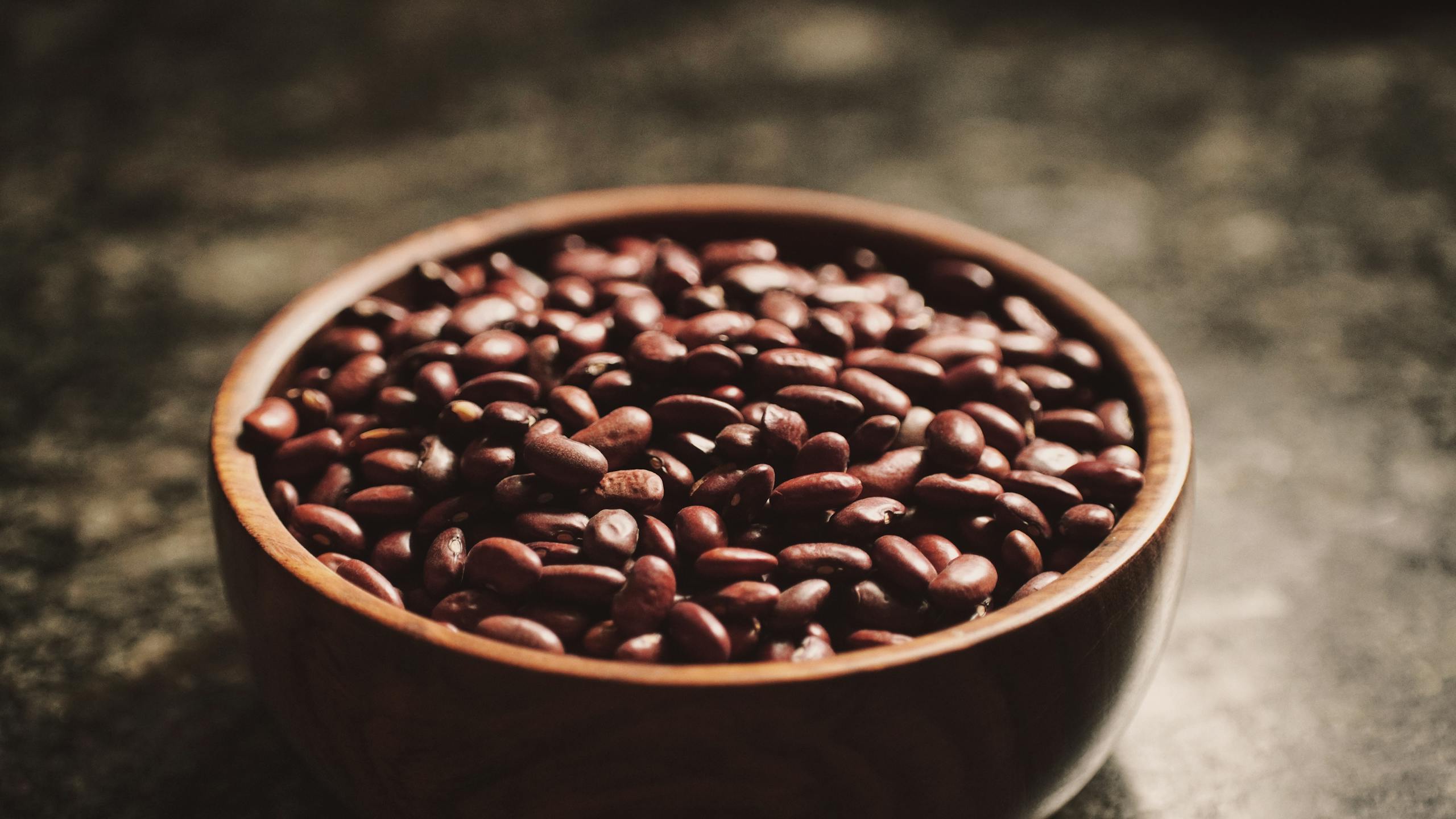
Kidney beans seem harmless because they are common, cheap, and nutritious. The problem is that raw or undercooked kidney beans contain phytohaemagglutinin, a lectin that can cause sudden and intense gastrointestinal illness. People often get into trouble when they cook dried beans too gently, especially in slow cookers that may not reach a strong enough boil. The beans soften, the meal looks finished, and then the stomach pays the price.
The safety step is not complicated, but it cannot be skipped. Dried kidney beans should be soaked, drained, and boiled hard before simmering or adding them to slow-cooked dishes. Canned kidney beans are usually safe because they have already been cooked during processing. Raw bean poisoning may not sound as dramatic as pufferfish poisoning, but anyone who has experienced severe vomiting and diarrhea from a pot of undercooked beans knows the lesson quickly. Beans need real heat, not wishful thinking.
Wild Mushrooms Can Look Innocent And Act Deadly
Wild mushrooms are among the most dangerous foods because deadly varieties can look deceptively ordinary. Death cap mushrooms and some other toxic species contain amatoxins, which can damage the liver and lead to organ failure. The cruel part is that symptoms may seem like ordinary stomach trouble at first. A person may experience vomiting, diarrhea, cramps, and nausea, then briefly feel better before the more serious damage becomes clear. That delay can make mushroom poisoning especially dangerous.
Foraging is not a hobby that rewards guesswork. Apps, photos, folk sayings, and casual comparisons are not enough to identify safe mushrooms. Some poisonous varieties closely resemble edible ones, and cooking does not remove many of the dangerous toxins. Unless a trained expert has confirmed the mushroom, it should stay out of the kitchen. The forest can offer beautiful ingredients, but it can also offer perfect-looking traps.
Cassava Needs Respect Before It Becomes Food

Cassava feeds millions of people worldwide and remains a vital staple in parts of Africa, Latin America, Asia, and the Caribbean. The danger comes from cyanogenic glycosides, natural compounds that can release cyanide if cassava is eaten raw or processed poorly. Bitter cassava usually carries more risk, but even sweet cassava needs proper handling. Peeling, soaking, fermenting, drying, grating, and boiling all help reduce the hazard when done correctly.
Cassava is a perfect example of a food that is not evil, just demanding. Traditional preparation methods exist for a reason. Problems appear when people take shortcuts, face food shortages, or use poorly processed cassava flour. Cyanide poisoning can cause dizziness, vomiting, rapid breathing, confusion, seizures, and death in severe cases. We should not dismiss cassava, as many communities have safely eaten it for generations. We should respect the knowledge that makes it safe.
Raw Elderberries Are Not The Same As Elderberry Syrup
Elderberry has gained a glowing health halo, especially in syrups, gummies, teas, and wellness products. That popularity can make the raw plant seem safer than it is. Raw or unripe elderberries, along with leaves, stems, bark, and roots, can contain cyanide-producing compounds. Eating them raw can cause nausea, vomiting, diarrhea, stomach cramps, weakness, and more serious symptoms in larger exposures. The comforting word “natural” does not cancel out plant chemistry.
Proper cooking changes the story. Heat can eliminate the main toxin risk in elderberries, which is why cooked syrups, jams, and properly prepared products are safer. The mistake is treating wild elderberries like blueberries and eating handfuls straight from the plant. We should also be careful with homemade preparations, as stems and leaves should not be crushed to make juices or syrups. Elderberry may belong in the kitchen, but only after the risky parts and raw shortcuts are removed.
Rhubarb Leaves Should Never Join The Pie
Rhubarb stalks can make an old-fashioned, bright, tart dessert unforgettable. Rhubarb leaves are a different story. The leaves contain toxic compounds, including oxalic acid and soluble oxalates, which can irritate the digestive system and strain the kidneys. Eating rhubarb leaves can cause burning in the mouth and throat, nausea, vomiting, weakness, and, in severe cases, more serious poisoning symptoms. The stalk is the treat. The leaf is not food.
This danger is easy to avoid because the plant draws a clear line for us. Trim away the leaves and use only the stalks. Do not blend the leaves into smoothies, feed them into “zero waste” recipes, or assume cooking will make them edible. Rhubarb is one of those foods where tradition has already done the safety work. Generations made pies from the stalks and left the leaves alone. That is still the best rule.
Nutmeg Turns Dangerous When People Treat It Like A Drug

Nutmeg is wonderful in tiny amounts. A little pinch can warm up custards, cookies, coffee drinks, and holiday dishes. The danger begins when people swallow large spoonfuls to chase a high. Nutmeg contains myristicin and related compounds that can cause nausea, vomiting, dizziness, agitation, hallucinations, confusion, rapid heartbeat, and dangerous sedation. What sounds like a harmless pantry experiment can become a frightening, toxic episode.
The problem is dosage. Culinary use is normally small, scattered, and safe for most people. Recreational misuse is the risk. Social media dares and curiosity can make nutmeg seem like a legal shortcut to intoxication, but the experience is often miserable and medically risky. We should keep nutmeg where it belongs, on top of food, not inside a challenge. A spice should make a dessert smell better, not send someone to the emergency room.
Truly Raw Cashews Are Not The Snack People Imagine
Cashews sold as “raw” in grocery stores are usually not truly raw in the dangerous sense. They are generally steamed or heat-treated before sale. That matters because cashew shells contain urushiol, the same irritating compound associated with poison ivy. Contact with improperly processed cashews can cause painful skin reactions, and eating contaminated or poorly processed nuts can create serious problems for sensitive people. The glossy snack in a store bag has already undergone important safety checks.
The danger is greatest with unshelled or improperly processed cashews, especially outside regulated commercial channels. We should not crack open cashew shells and eat the nuts casually like peanuts. Cashews are safe for most people when bought from reliable sources, but the “raw” label can be misleading. In this case, processing is not a flaw. It is the reason the snack is edible.
Cherry Pits Become Risky When Crushed
Cherries are sweet, bright, and easy to enjoy by the handful. The pit is the problem. Cherry pits contain amygdalin, a compound that can release cyanide when crushed, chewed, or ground. Swallowing one whole pit by accident is usually less concerning because it may pass through intact. Chewing pits, blending them into recipes, or crushing them for homemade extracts creates a much bigger risk.
This is one of those hazards where behavior matters more than the fruit itself. The cherry flesh is not the issue. The hard inner seed is. Parents should be especially careful around children, as pits can also pose a choking hazard. Home cooks should avoid recipes online that call for crushed cherry pits without expert guidance. A cherry should end at the fruit, not continue into the seed.
Apricot Kernels Are A Wellness Trend With A Cyanide Problem
Apricot kernels have been marketed online as natural remedies, immune boosters, and even cancer-fighting foods. Marketing is dangerous. Apricot kernels contain amygdalin, which can break down into cyanide in the body. Cyanide poisoning can cause weakness, dizziness, breathing trouble, bluish skin, seizures, coma, and death. The risk becomes even more troubling because some people eat kernels in concentrated amounts, trusting health claims that do not match the danger.
The safest advice is to avoid eating apricot kernels as a supplement. The kernel is not the same as the soft fruit. A food can be plant-based, traditional, or sold in health stores and still be unsafe. This is especially important for people looking for cancer cures or miracle treatments online. Real treatment decisions belong with qualified medical professionals. Apricot kernels should not be treated as medicine, and they should not be treated as a casual snack.
Moonfish And Other Mercury Concerns Need Moderation

Moonfish, also known as opah, is a large ocean fish that can appear on restaurant menus and seafood counters. Like many large predatory or long-lived fish, it can raise concerns about mercury exposure. Mercury does not behave like bacteria. Cooking does not remove it. The issue is accumulation over time, especially for pregnant people, breastfeeding people, young children, and anyone advised to limit higher-mercury seafood.
Fish still belongs in a healthy diet for many people because it can provide protein, omega-3 fatty acids, and other important nutrients. The smart move is variety and moderation. Choose lower-mercury fish more often, follow serving guidance for children and pregnancy, and avoid making one large ocean fish the centerpiece of every week. Seafood is not a villain. Repetition and poor choices create the risk.
Hot Dogs Are A Serious Choking Hazard For Young Children
Hot dogs seem harmless because they are familiar, soft, and easy to serve. For young children, their shape is the problem. A round slice can fit into a small airway like a plug. The texture can also make it hard for a child to chew completely before swallowing. That is why pediatric safety guidance lists hot dogs among the classic choking-risk foods.
Parents and caregivers can reduce the danger by cutting hot dogs lengthwise, then cutting them into small, irregular pieces. Coin-shaped slices should be avoided for toddlers and young children. Kids should sit down while eating and should not run, play, laugh hard, or lie down with food in their mouths. A hot dog does not need to be banned forever, but it does need to be prepared like other foods with known risks.
Conclusion
The most dangerous foods are not always the strangest foods. Some sit quietly in home kitchens, lunch boxes, health food stores, and on restaurant menus. The real danger appears when we mistake familiarity for safety. We can still enjoy bold flavors, global dishes, traditional ingredients, and adventurous meals, but we need to know where the line is.