The Lincoln Memorial Reflecting Pool renovation has brought one of Washington’s most familiar views back into public focus, but the return of the water has not quieted the argument around it. From a distance, the long pool still catches the Washington Monument, stretches toward the Lincoln Memorial, and gives visitors the classic National Mall image they came to see. Up close, however, the new “American flag blue” basin makes the scene feel different, and that difference has turned a maintenance project into a national debate.
We are no longer looking at a simple repair job. The Reflecting Pool’s blue paint has become a fight over history, public money, preservation, politics, and the way America treats its most symbolic spaces. A landmark designed to feel solemn and restrained now sits at the center of a louder question: should a national memorial be cleaned and modernized at speed, or should its quiet historic character be protected even when it looks worn?
The Lincoln Memorial Reflecting Pool renovation brought the water back, but not the calm.
When water began returning to the National Mall Reflecting Pool in early June 2026, the most obvious question was visual. Would the pool still reflect the Washington Monument? Would the Lincoln Memorial still hold that familiar place at the end of the water? Would the view still feel like Washington, or would the new blue basin change the mood entirely?
The answer is complicated. The reflection still appears, and many visitors will still get the photo they want. The Washington Monument can still shimmer across the surface, especially in the right light. Yet the basin underneath now carries a stronger personality. The old gray tone helped the water look quieter, deeper, and more somber. The new blue surface makes the pool look brighter and more intentional, which is exactly why the reaction has split so sharply.
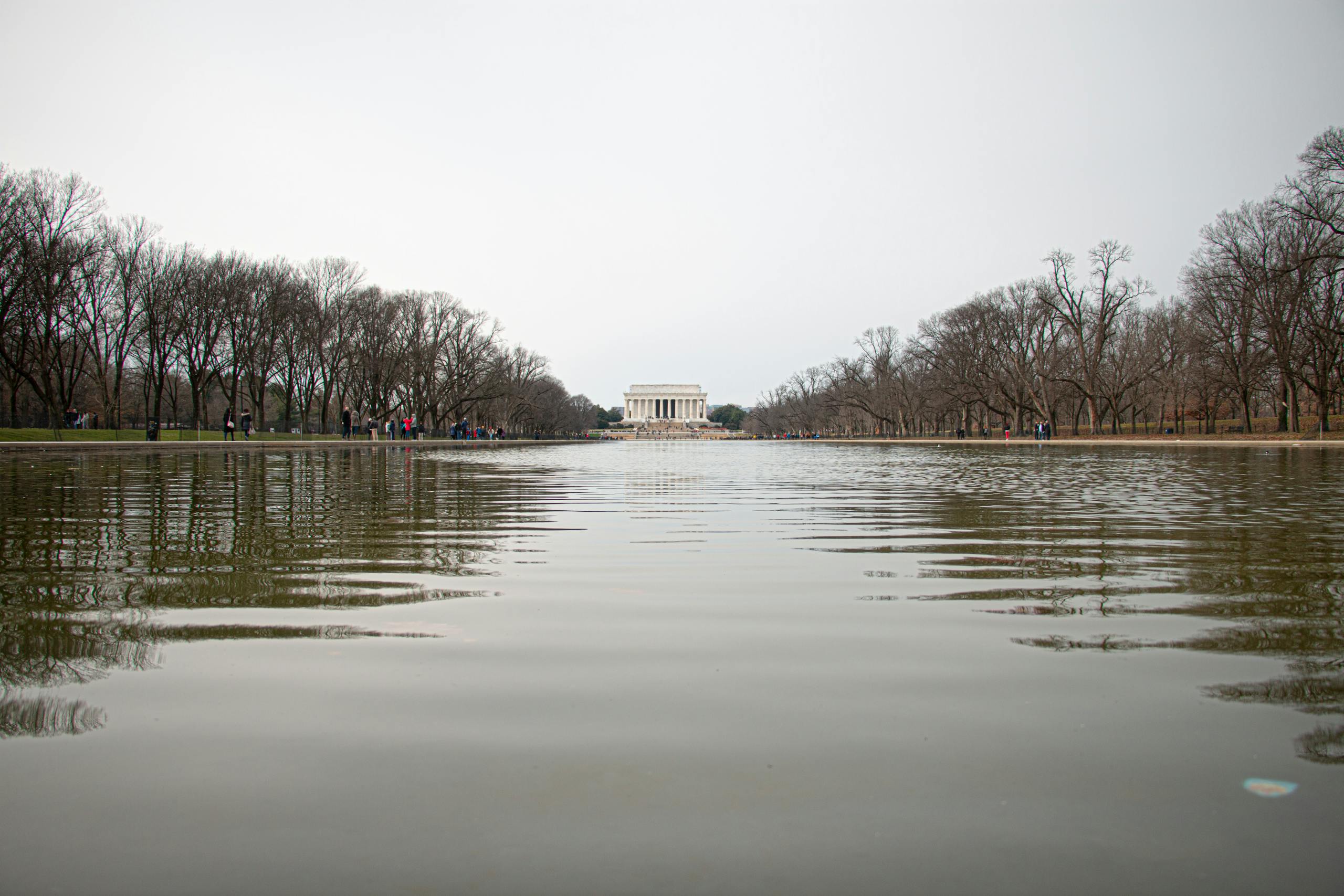
The American flag blue Reflecting Pool now feels more designed than historic.
The phrase “American flag blue Reflecting Pool” sounds patriotic on paper, but on the National Mall, color is never just color. The Reflecting Pool sits between the Lincoln Memorial and the Washington Monument, two of the most symbolic structures in the country. That long strip of water does not exist to entertain the eye. It exists to frame memory.
That is why critics have focused so heavily on the basin color. A blue swimming pool can look clean, fresh, and inviting in a private home or resort. On the National Mall, the same color can feel too decorative for a memorial landscape. The older gray basin blended into the water, letting the monuments dominate. The new blue basin demands attention in a way the previous surface did not.
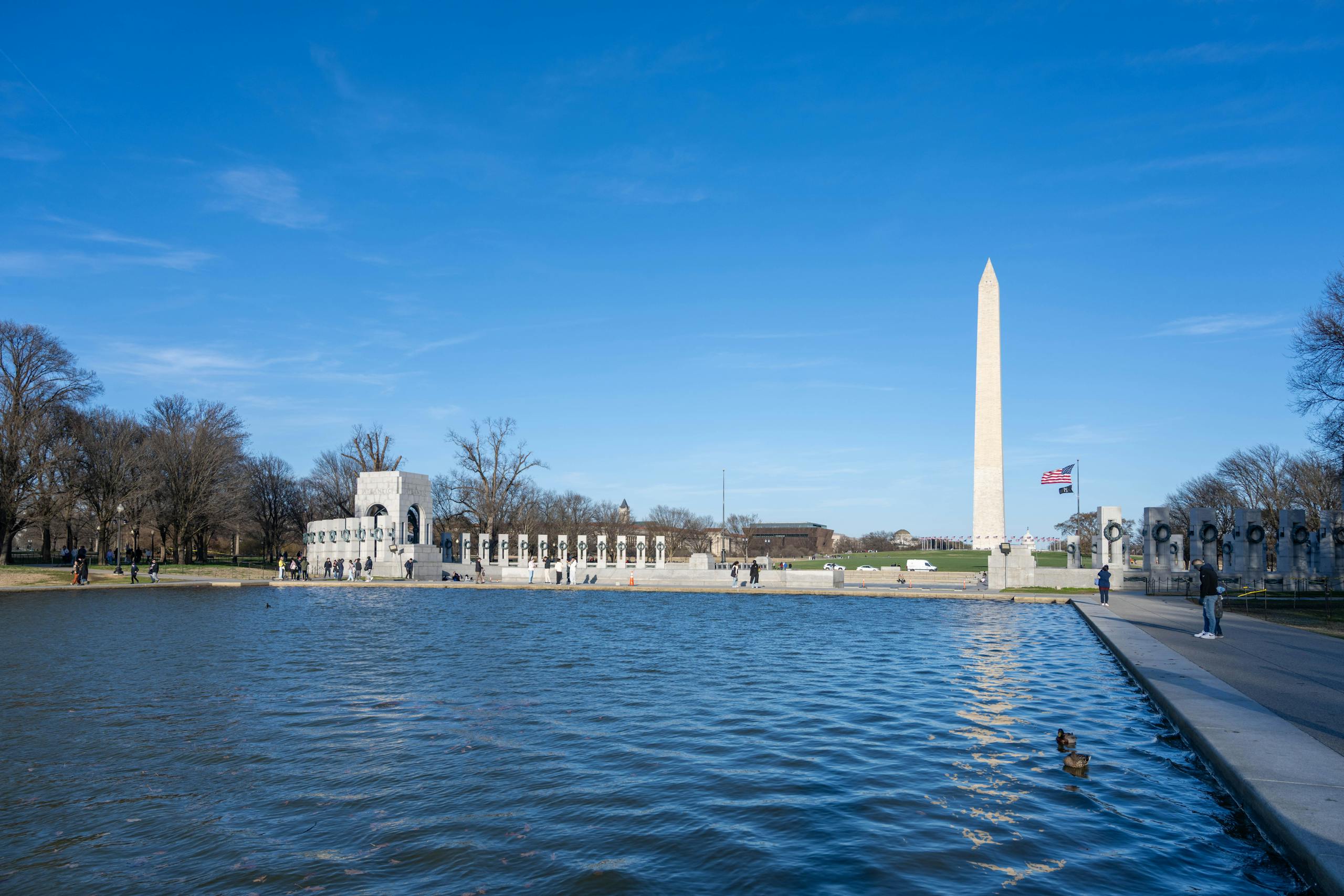
The Reflecting Pool lawsuit turned a paint job into a preservation fight.
The Reflecting Pool lawsuit, filed by The Cultural Landscape Foundation, sharpened the debate. The organization argued that the project changed a defining historic feature of the pool without completing the proper preservation review. Its concern was not simply that the color looked different. Its concern was that a historic landscape had been altered in a way that could change how people experience the site.
That argument matters because the Lincoln Memorial Reflecting Pool is not a blank public surface. It is part of a designed national landscape with a century of meaning attached to it. When officials change the appearance of a place like this, preservationists expect a public process, expert review, and a clear explanation of how the change protects the site’s historic character. Without that, even a cleaner pool can look like a rushed political signature.
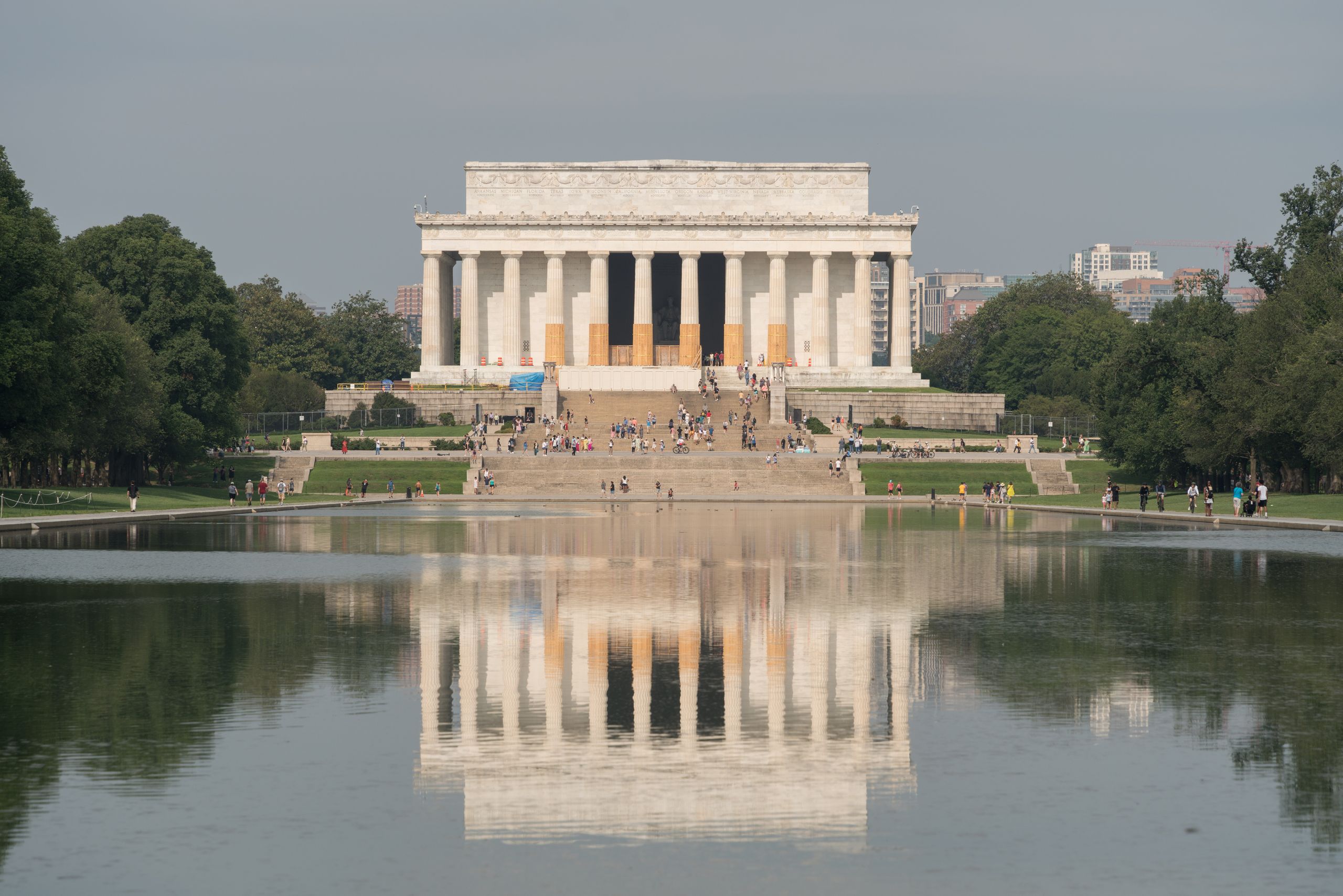
The cost gap made the Trump Reflecting Pool renovation harder to ignore
The Trump Reflecting Pool renovation also became a money story. Trump publicly placed the work at about $1.5 million to $2 million, but federal spending records reviewed in news reports showed contracts totaling far more. That gap gives the story a sharper taxpayer angle, because public landmarks are maintained with public trust.
Cost questions become more serious when the project changes a beloved national view. Americans can understand spending money to fix leaks, control algae, repair infrastructure, and keep a landmark safe. They may react differently when a project first presented as a relatively modest improvement appears to involve much larger contract totals. The debate then moves beyond taste and into accountability.
The algae problem explains why the pool needed attention.
The Reflecting Pool has always looked peaceful, but it has not always been easy to maintain. Algae, murky water, debris, water loss, and filtration problems have followed the site for years. The pool’s postcard beauty depends on constant behind-the-scenes work, and the public usually notices only when the water looks bad.
That history gives the renovation a practical defense. Officials can argue that a darker, more reflective coating helps the pool look cleaner and improves the visitor experience. Nobody wants one of America’s most photographed landmarks to look slimy, green, or neglected. Still, fixing algae does not automatically settle the design question. A solution can be practical and still controversial if it changes the tone of a historic place.
The 2012 repair shows this was never an easy landmark to manage.
The Reflecting Pool underwent a major rehabilitation years before the current blue-basin debate. That earlier work was meant to address water loss, structural problems, and sustainability concerns. The goal was to preserve the famous view while making the pool easier to operate and maintain.
That history gives the current renovation more depth. The pool has never been as simple as a long rectangle of water. It is a demanding piece of civic infrastructure hiding inside a national symbol. Every repair has to balance engineering, appearance, cost, and public expectation. The problem with the blue basin is not that the pool needed work. The problem is that the work changed what many people believed the pool should feel like.
The National Mall Reflecting Pool carries more history than most visitors realize
The National Mall Reflecting Pool is not just part of a tourist route. It sits inside a landscape connected to some of the most important public moments in American history. The Lincoln Memorial became a backdrop for civil rights protests, mourning, celebration, and national ceremonies. The water between the monuments helps turn that space into a stage.
That is why the color change has emotional weight. A person visiting Washington for the first time may see a cleaner pool and move on. A preservationist may see the same pool and feel that the place’s quiet drama has been weakened. Both reactions can exist at once. The pool is a landmark people experience personally, but it is also a shared national object that no single administration fully owns.
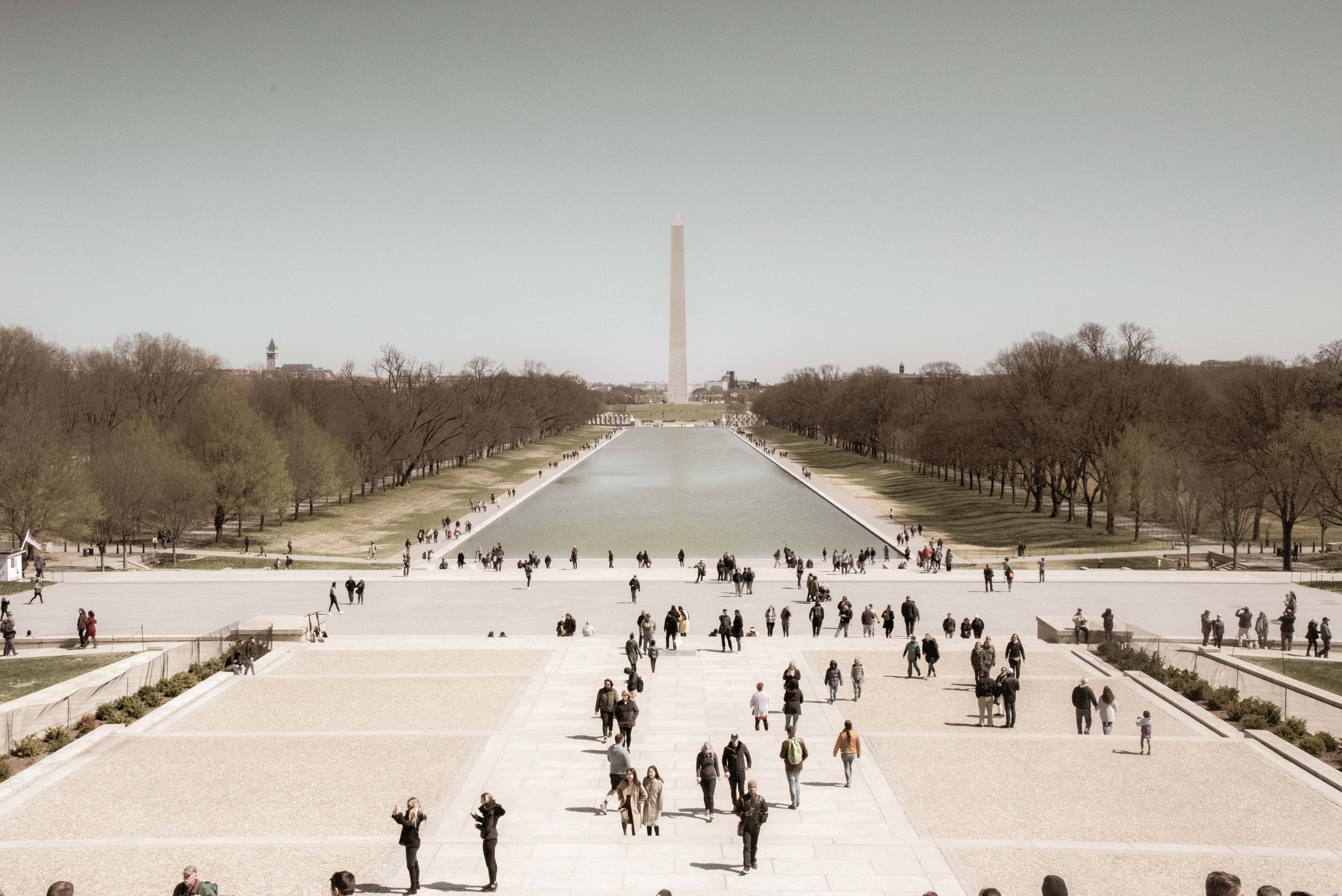
Trump’s wider Washington makeover makes the pool debate feel larger.
The blue basin debate also connects to Trump’s broader interest in reshaping Washington’s ceremonial spaces. Plans and comments around other capital projects, including a proposed promenade near the Lincoln Memorial, make the Reflecting Pool feel like one piece of a larger effort to put a visible stamp on the capital. That context changes how people interpret the renovation.
Supporters may see a president trying to make Washington cleaner, brighter, and more impressive before major national celebrations. Critics may see a pattern of legacy-building through public landmarks. The Reflecting Pool now sits between those two stories. It is either a beautification project that finally fixed an embarrassing eyesore or a political makeover that moved too fast through a historic space.

actionsports/ 123rf
The new blue basin creates a different visitor experience.
For many tourists, the renovated Reflecting Pool will still deliver the essential experience. They will stand near the Lincoln Memorial, raise their phone, and capture the Washington Monument reflected in the water. The image will still feel grand, patriotic, and instantly recognizable.
Yet visitors who know the older look may sense a change. The pool may feel brighter, flatter, or less solemn depending on the light. The blue bottom may make the water look cleaner, but it can also make the surface feel less mysterious. That is the strange tension at the center of the renovation. The pool may photograph well and still feel different in person.
The real fight is over who gets to change America’s shared spaces.
The deepest question is not whether the Reflecting Pool’s blue paint looks good. The deeper question is who gets to decide how a historic national landscape should look. Public monuments do not work like private property. Their meaning builds across generations, and their appearance becomes part of the public memory.
That is why preservation review matters. It slows officials down. It forces public explanation. It gives historians, landscape experts, agencies, and citizens a chance to weigh in before a symbolic place changes. Some people may see that process as red tape. In a place like the Lincoln Memorial Reflecting Pool, it is closer to a guardrail.
A cleaner pool does not erase the messy questions.
The renovated Reflecting Pool may look cleaner now, and that matters. A national landmark should not feel abandoned, stained, or poorly maintained. Visitors deserve a dignified space, and the National Mall should reflect care rather than neglect.
Still, cleaner does not automatically mean better. A blue basin can solve one visual problem while creating another. A faster project can satisfy a deadline while raising questions about review. A patriotic color can be intended as a sign of respect and still feel distracting in a memorial landscape. That is what makes this renovation more compelling than a simple before-and-after story.
The Lincoln Memorial Reflecting Pool renovation is now part of the monument’s story.
The Lincoln Memorial Reflecting Pool renovation will likely be judged over time, not in one week of refilling. The real test will come at sunrise, at sunset, during crowded summer visits, after storms, through algae season, and during national ceremonies. If the pool stays clean and the reflection remains strong, some critics may soften their stance. If the blue basin continues to dominate the view, the debate may grow.
For now, the water is back, the reflection is back, and Washington has a new argument sitting in one of its most photographed spaces. The Reflecting Pool was built to mirror monuments, but this renovation has made it mirror something else too: the country’s unease over money, power, history, and who gets to repaint the symbols everyone else is asked to share.