An Indianapolis family that spent months hoping for answers now faces the kind of news no family is ever prepared to hear. Makala Pendley, a 30-year-old Indiana mother of seven, was found dead in Mexico after she and her children were reported missing earlier this year.
The case has drawn attention far beyond Indiana because it touches several painful questions at once. We are looking at a missing mother, seven young children found alive in another country, a pregnancy, an arrest, and a family now trying to bring the children back to the United States.
What began as a search for a missing Indianapolis woman has turned into a cross-border tragedy involving law enforcement in Indiana and Mexico. It has also left many Americans asking how a mother and her children could vanish for months before the case ended in such a devastating discovery.
The Indianapolis Mother at the Center of the Case
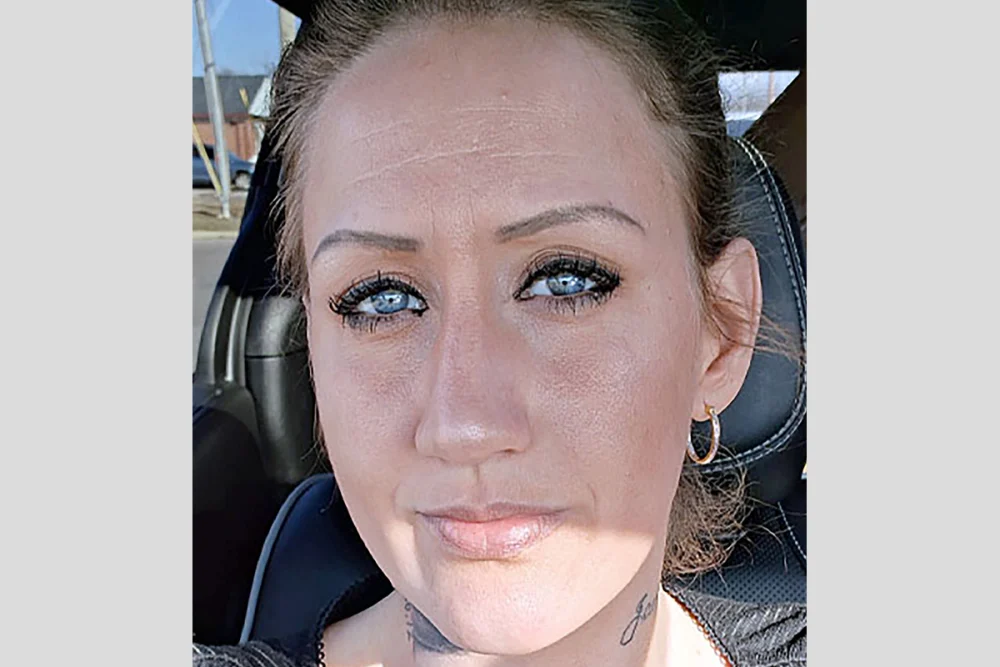
Makala Pendley was first known to her family as a mother. She was 30 years old, from Indianapolis, and had seven children, ranging in age from an infant to a 12-year-old. Her name entered national headlines after she and the children were reported missing in February.
According to missing child records, the children were last seen in Indianapolis on February 23, 2026. The children were believed to be with their mother, which made the case especially urgent because it involved several minors and a parent who could not be easily reached.
For relatives, this was never just a case number. It was a family crisis that stretched across months, across state lines, and eventually across an international border. The longer the silence lasted, the more frightening the situation became.
The February Disappearance That Started in Indiana
The search began in Indiana, but the trail quickly became more complicated. Pendley and her seven children were connected to a missing persons alert that placed them in Indianapolis before they were later located in Mexico.
That detail changed the shape of the case. We were no longer looking at a local missing-persons story within one city. We were looking at a situation that required coordination between American authorities, Mexican authorities, family members, and officials trying to protect children caught in the middle.
For Indianapolis residents, the case feels especially unsettling because it shows how quickly a local family emergency can become international. A mother and her children can disappear from familiar streets, and within weeks, the answers may depend on agencies in another country.
The Discovery in Chiapas Changed Everything
The most painful turn came in June, when Pendley’s body was found in the Mexican state of Chiapas. Mexican authorities identified the location as an area near Zinacantán, a municipality in southern Mexico.
Authorities said the body was found along a dirt road. Reports from Mexican officials and local outlets said investigators were treating the death as violent and suspicious from the start. Once Pendley was identified, the family’s search moved from fear to grief.
This discovery prompted a new, more serious investigation. The question was no longer only where Pendley had been. The question became who killed her, what happened in the final days of her life, and whether warning signs had been missed before the tragedy.
Seven Children Were Found Alive in Mexico
One major part of the case brought relief, even in the middle of grief. Pendley’s seven children were found alive in Mexico and placed under the protection of authorities.
That update matters because the children had been missing alongside their mother. For months, their safety was one of the family’s deepest fears. The discovery that they were alive gave relatives something to hold onto after receiving the worst possible news about Pendley.
Still, the children’s future remains a central concern. Their family is now focused on getting them back to relatives in the United States, where they can be cared for after months of uncertainty and the loss of their mother.
Authorities Are Calling the Case Femicide
Mexican authorities have described Pendley’s killing as a femicide. That term is used in Mexico for the gender related killing of a woman or girl, and it carries serious legal and social weight.
The use of that word signals that investigators are not treating the death as a random or ordinary homicide. It suggests authorities believe the circumstances fit a pattern of violence against women that Mexico’s justice system recognizes as a specific crime.
For American readers, the term may feel unfamiliar, but the issue behind it is not. Domestic violence, coercive control, intimate partner abuse, and violence against women are problems that cross borders, languages, and income levels. Pendley’s case is now being viewed through that larger lens.
The Arrest of Joseph “N” Raised New Questions
Mexican authorities said they arrested Pendley’s partner, identified publicly as Joseph “N,” in connection with the case. Officials described him as the main suspect and said he was in custody.
Because the case is still moving through the legal system, the language matters. An arrest is not the same as a conviction. Authorities will still need to present evidence, and the courts will determine the outcome.
Still, the arrest has intensified public attention. Families following the story want to know what investigators believe happened, whether the children witnessed anything, and how long authorities had been aware of the family’s situation before Pendley was found dead.
A Family Now Facing Grief and Responsibility
For Pendley’s relatives, the next stage is not only about mourning. It is also about responsibility. Seven children have lost their mother, and the family is now trying to help them return to a stable home.
That kind of grief is practical as well as emotional. There are travel issues, custody questions, legal arrangements, documents, counseling needs, and the cost of caring for children who have lived through a frightening ordeal.
This is why the case has stirred such a strong response online. Readers are not only reacting to the violence. They are thinking about what happens afterward, when cameras move on, but children still need food, clothes, school, therapy, family, and a sense of safety.
This Story Hits Indiana So Hard
The local angle matters because Pendley was not a distant name to the people who loved her. She was an Indiana mother whose children were tied to Indianapolis, whose disappearance was reported through Indiana channels, and whose family is now trying to bring those children home.
For many Hoosiers, the case raises hard questions about family protection systems, missing person alerts, and how authorities respond when children may be traveling with a parent under uncertain circumstances. It also reminds residents that not every missing case remains within a single jurisdiction.
Indiana families reading this story may see a terrifying possibility. A family can be in crisis, cross a border, and suddenly, the people trying to help must navigate different laws, agencies, and timelines.
What We Still Do Not Know
Several important questions remain unanswered. We do not yet have a full public timeline of Pendley’s movements in Mexico. We do not know every step the authorities took after the family was first located. We also do not know what the children may have experienced during the months they were missing.
Investigators have not publicly laid out all the evidence connected to the suspect. They have not fully explained how Pendley became separated from the children or what happened in the hours before her body was found.
Those gaps matter. In a case this sensitive, speculation can spread quickly. The responsible approach is to separate what officials have confirmed from what the public still wants to know.
What Happens Next for the Children
The most urgent question now is what happens to the children. Authorities have said they are safe and under protection, but safety is only the first step.
The children will likely need family placement, medical checks, emotional support, legal guidance, and a calm transition after months of disruption. Their relatives will also need help navigating the process of bringing them back from Mexico to the United States.
For the family, justice for Pendley and care for the children are now connected. One is about accountability for what happened. The other is about giving seven young lives a chance to recover from what they have lost.