American culture dominates media, politics, and global trends, but many behaviors unintentionally frustrate the rest of the world. From politics to travel habits, what seems normal domestically can feel arrogant, wasteful, or tone-deaf internationally. Ignoring these patterns makes Americans appear self-centered, oblivious, or insensitive on the global stage.
Understanding how certain habits are perceived abroad can improve cultural awareness, humility, and international respect. Here are ten behaviors that often irritate people outside the United States.
Election Interference
America’s history of meddling in foreign elections fuels resentment. Funding campaigns, spreading propaganda, and covertly influencing leadership decisions create distrust and anger abroad. While promoting democracy at home, these interventions abroad are often seen as hypocritical and disrespectful, leaving other nations frustrated by the contrast between domestic ideals and foreign actions.
Military Overreach
Frequent military interventions and a massive global presence are widely criticized. Drone strikes, regime changes, and overseas bases often disrupt societies and economies, fostering distrust. Locals may view U.S. involvement as self-serving rather than humanitarian, contributing to the perception that Americans care more about defense budgets than global peace.

Pill Culture
Direct-to-consumer drug advertising and over-reliance on medication are uncommon elsewhere. Many countries keep pharmaceutical guidance strictly between doctors and patients, making American self-diagnosis seem reckless. Sharing prescription stories casually or normalizing medication for minor issues is often mocked internationally as the overmedicalizat
ion of ordinary life.
Tipping Excessively Abroad
Americans tend to tip far beyond local norms, assuming gratuity is always required. In countries where service workers earn living wages, excessive tipping can distort expectations and create awkwardness. Well-intentioned generosity can come across as condescending or unnecessary, signaling a lack of awareness of local customs.
Calendar and Seasonal Obsession
Many Americans reference holidays, seasons, or school breaks specific to the U.S., assuming universal understanding. Phrases like “this fall” or “Spring Break” often confuse or frustrate international audiences. Such time-zone and cultural assumptions highlight a lack of global perspective and a tendency to view the world through an American lens.

Road Ahead / unsplash
Individualism Over Safety
Prioritizing personal freedom over communal welfare frustrates international observers. Disregarding public health guidelines, lax gun laws, or individual choice over collective safety appears reckless to people from countries with strong social contracts. Excessive focus on personal rights can make American behavior seem self-centered or irresponsible.
Overemphasis on Ancestry
DIY DNA tests and an obsession with claiming heritage often reduce deep-rooted cultures to consumer-friendly labels. Americans claiming identity without lived experience in that culture can be perceived as trivializing history. Outsiders often find this boastful and culturally tone-deaf, highlighting a disconnect between ancestry and authentic understanding.
Continental Naming
Referring to the United States as “America” and its citizens as “Americans” erases the existence of North and South American countries. This linguistic habit suggests arrogance and global insensitivity. Neighboring nations see it as a subtle assertion of dominance rather than neutral shorthand, generating frustration across the hemisphere.
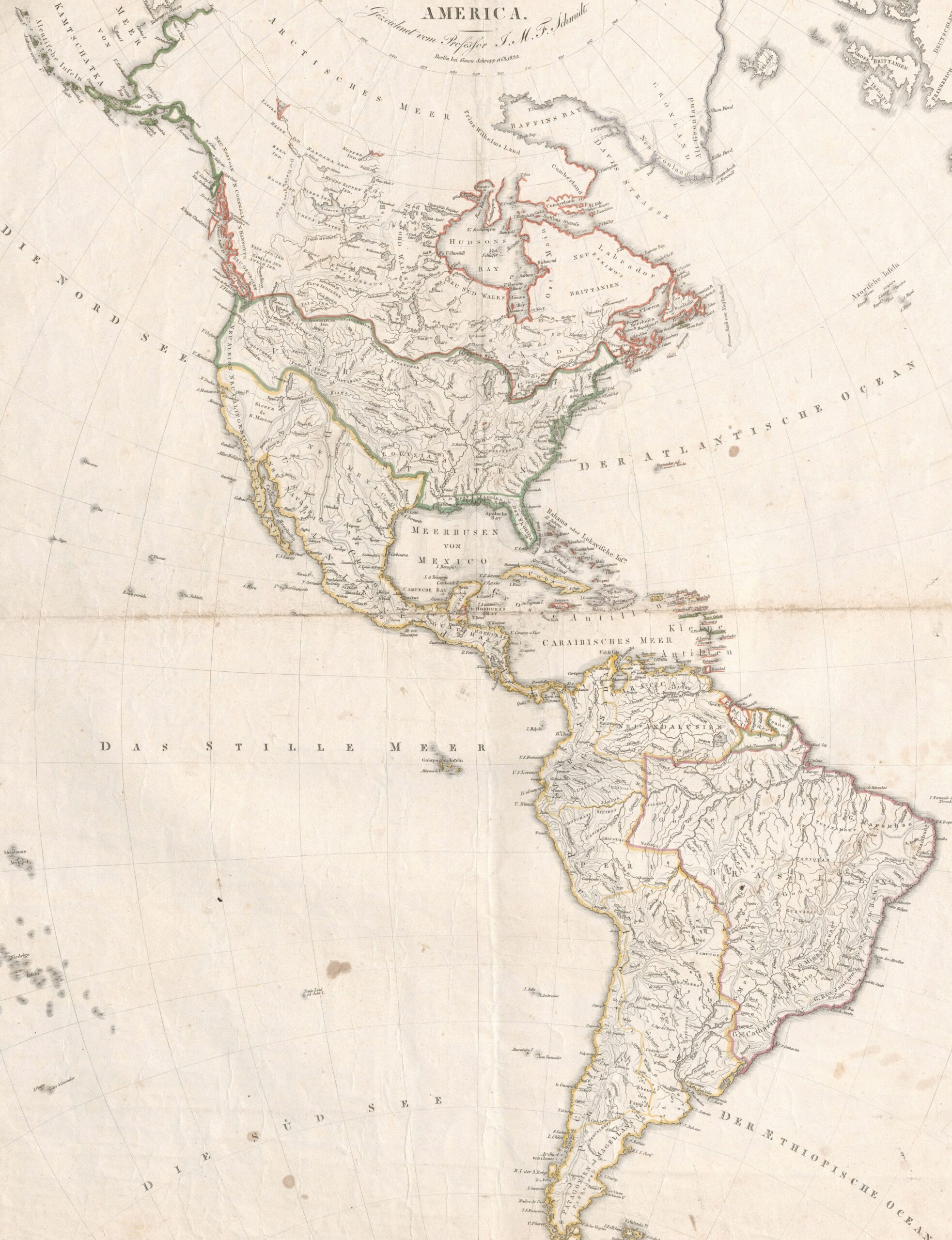
Europeana / unsplash
Sticking to Imperial Units
Despite science and international norms, Americans often resist the metric system in daily life. Using pounds, inches, and Fahrenheit complicates global trade, shipping, and collaboration. This insistence appears outdated and insular, frustrating international partners who must unnecessarily adapt to uniquely American measurements.
Weak Global Geography
Limited knowledge of world geography is surprising, given America’s cultural influence. Mispronunciations, inaccurate assumptions, or a lack of awareness about foreign nations can seem careless or arrogant. This gap amplifies the perception that Americans are globally uninformed despite their country’s dominant international presence.

Kyle Glenn / unsplash
Conclusion
Many American habits that feel normal domestically can frustrate the rest of the world, from cultural assumptions to global politics and travel behavior. Recognizing these patterns allows for more thoughtful international engagement, humility, and cultural awareness. Adjusting these behaviors doesn’t erase national identity; it fosters respect, understanding, and smoother cross-cultural interactions.