Patriotism used to feel simple for many families. You stood for the anthem, grilled hot dogs on the Fourth of July, argued about football, and believed the country would somehow keep getting better.
Now, the mood feels more complicated. At grocery stores, kitchen tables, office break rooms, and school pickup lines, many Americans are carrying a quiet mix of love, frustration, exhaustion, and doubt.
That does not mean they hate the country. Often, it means they expected more from it.
The reasons some people are not proud to be American usually come from lived experience, not slogans. They come from bills that keep rising, leaders who keep fighting, communities that feel ignored, and promises that sound beautiful but feel far away.
Many Feel the American Dream Has Become Too Expensive
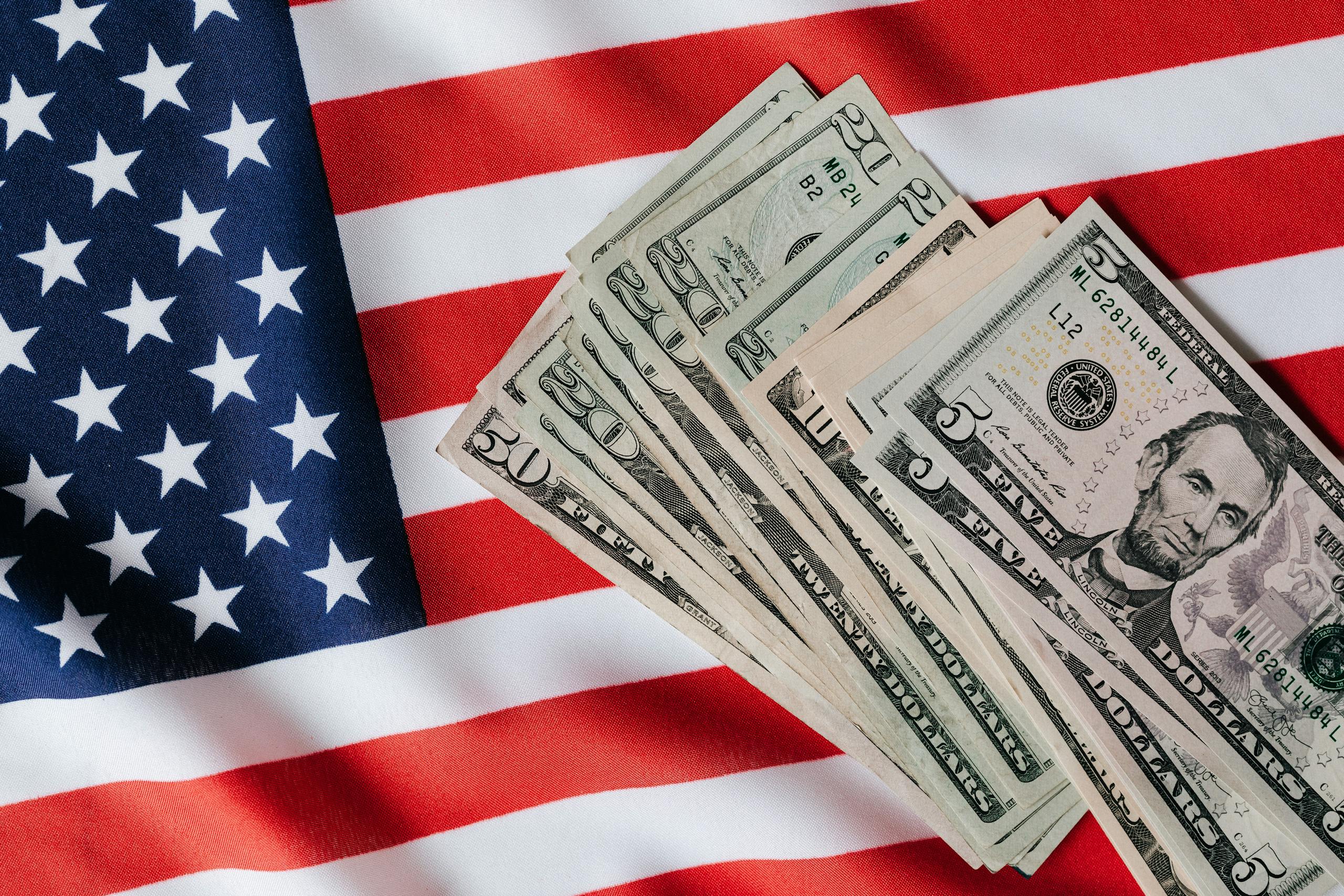
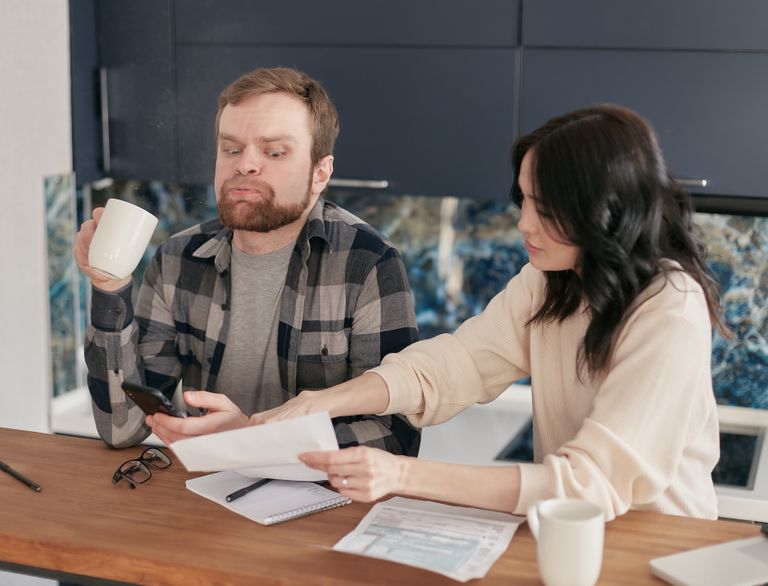
For many people, pride gets harder when everyday survival feels like a monthly obstacle course. Rent, groceries, gas, insurance, childcare, and debt can turn a decent paycheck into a disappearing act.
When people work full-time and still feel behind, the national story starts to feel less inspiring. It is difficult to feel proud of opportunity when opportunity looks like three jobs, delayed doctor visits, and a credit card balance that never seems to shrink.
Public Trust Has Been Badly Damaged
A country can have flags everywhere and still suffer from deep distrust. Many Americans look at government, big institutions, media battles, and corporate power and feel like no one is truly accountable.
That feeling has numbers behind it. Public confidence remains painfully low, with many Americans saying their trust in government is near historic lows, making pride harder to sustain.
Some People Are Tired of Political Fighting
Political disagreement is normal in a democracy. What wears people down is the constant sense that every issue has become a battlefield, from school boards to holiday dinners.
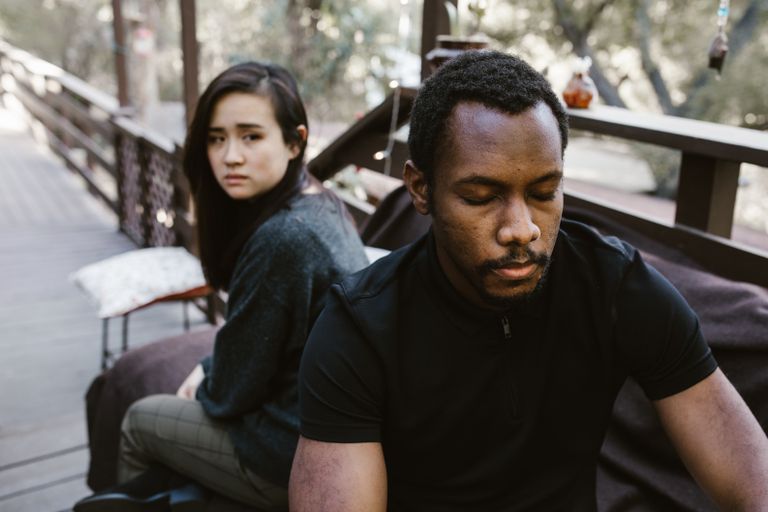
Many Americans feel trapped in a country where neighbors talk past each other, and families avoid basic topics to keep the peace. That kind of tension can make national pride feel less like unity and more like a costume people put on for public events.
Healthcare Costs Make the Country Feel Cruel
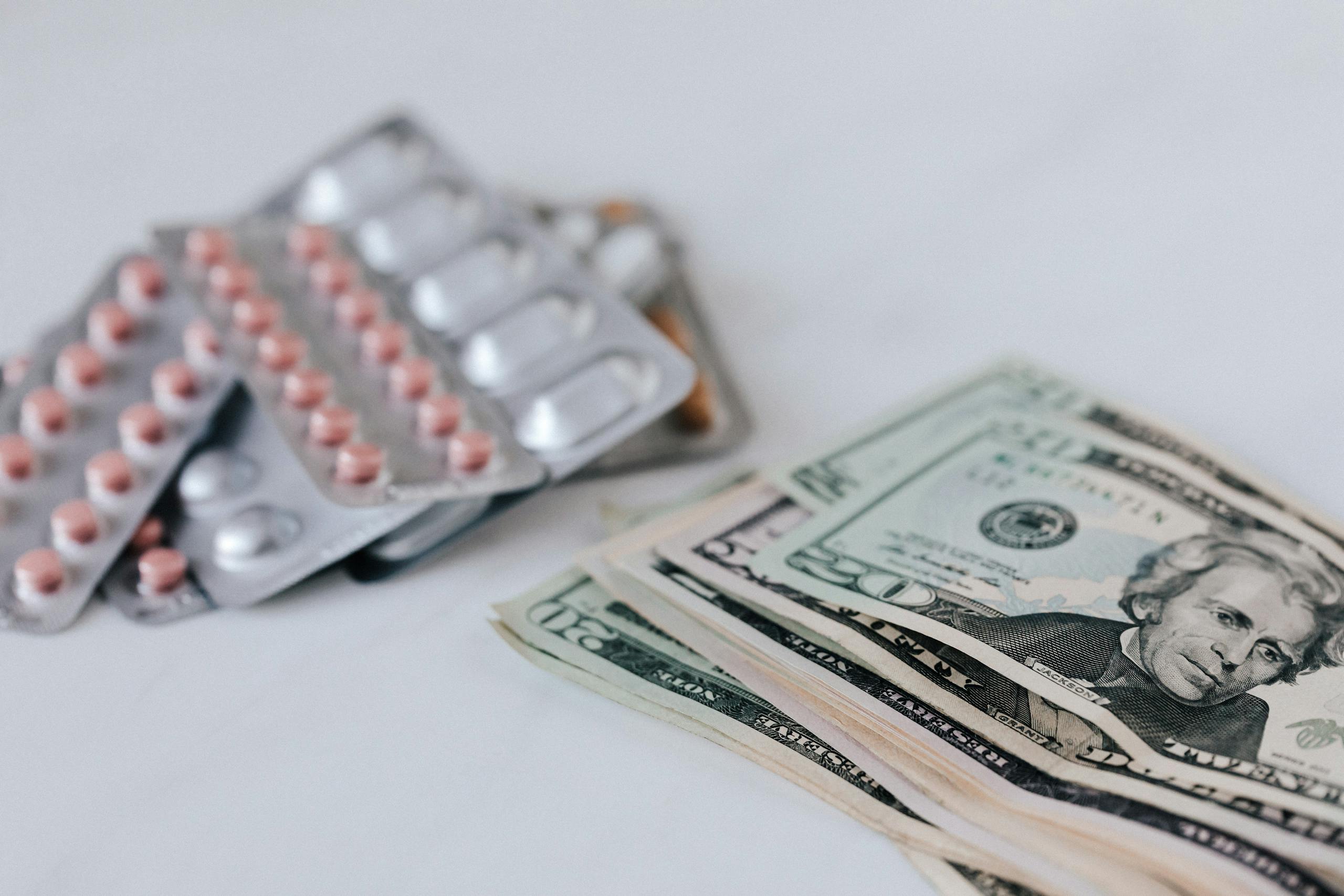
Nothing shakes faith in a country like fearing a medical bill more than the illness itself. Many Americans know someone who delayed care, rationed medication, skipped dental work, or stayed in a bad job because they needed insurance.
That fear is not imaginary. Many adults say one unexpected medical bill could push them into debt, and that reality makes some people wonder why basic care feels so risky in such a wealthy nation.
Housing Feels Out of Reach for Too Many Families
Home used to be one of the great symbols of American stability. For many younger adults, renters, single parents, and working families, it now feels like a locked door, with prices still rising.
People see starter homes disappear, rent eat up paychecks, and neighborhoods become unaffordable for the people who keep them running. When housing becomes a luxury instead of a foundation, pride can turn into resentment.
Inequality Makes Success Feel Rigged
Americans have always accepted ambition. What many people struggle with now is the feeling that hard work matters less when wealth, access, family background, and zip code shape so much of a person’s future.
The frustration grows when people see luxury on one side and unpaid bills on the other. A country can celebrate winners, but it loses emotional trust when too many people feel the race began before they even reached the starting line.
Some Are Ashamed of How History Is Handled

Many Americans love their country but feel uneasy about how it handles its painful history. Slavery, segregation, broken treaties, immigration backlash, and discrimination are not distant footnotes for families who still live with the effects.
Pride gets complicated when people feel the country wants celebration without honesty. For them, being proud does not mean pretending the past was clean. It means wanting the truth told without fear.
Daily Costs Have Made Freedom Feel Smaller
Freedom sounds grand in speeches, but many people measure it in daily choices. Can they afford groceries, take time off, change jobs, raise children, move safely, or handle an emergency without panic?
Many households have adjusted their lives because higher prices have changed how they spend, save, and plan. When money stress controls every decision, freedom can start to feel more symbolic than real.
Some Feel America Treats People Unequally
Many people lose pride when they believe justice depends on money, race, fame, politics, or social status. They see different outcomes for different people and begin to question whether the rules are truly shared.
This feeling can show up in policing, schools, courts, workplaces, healthcare, and public life. Even people who deeply love the country may struggle to feel proud when fairness seems uneven.
National Pride Itself Has Become More Divided
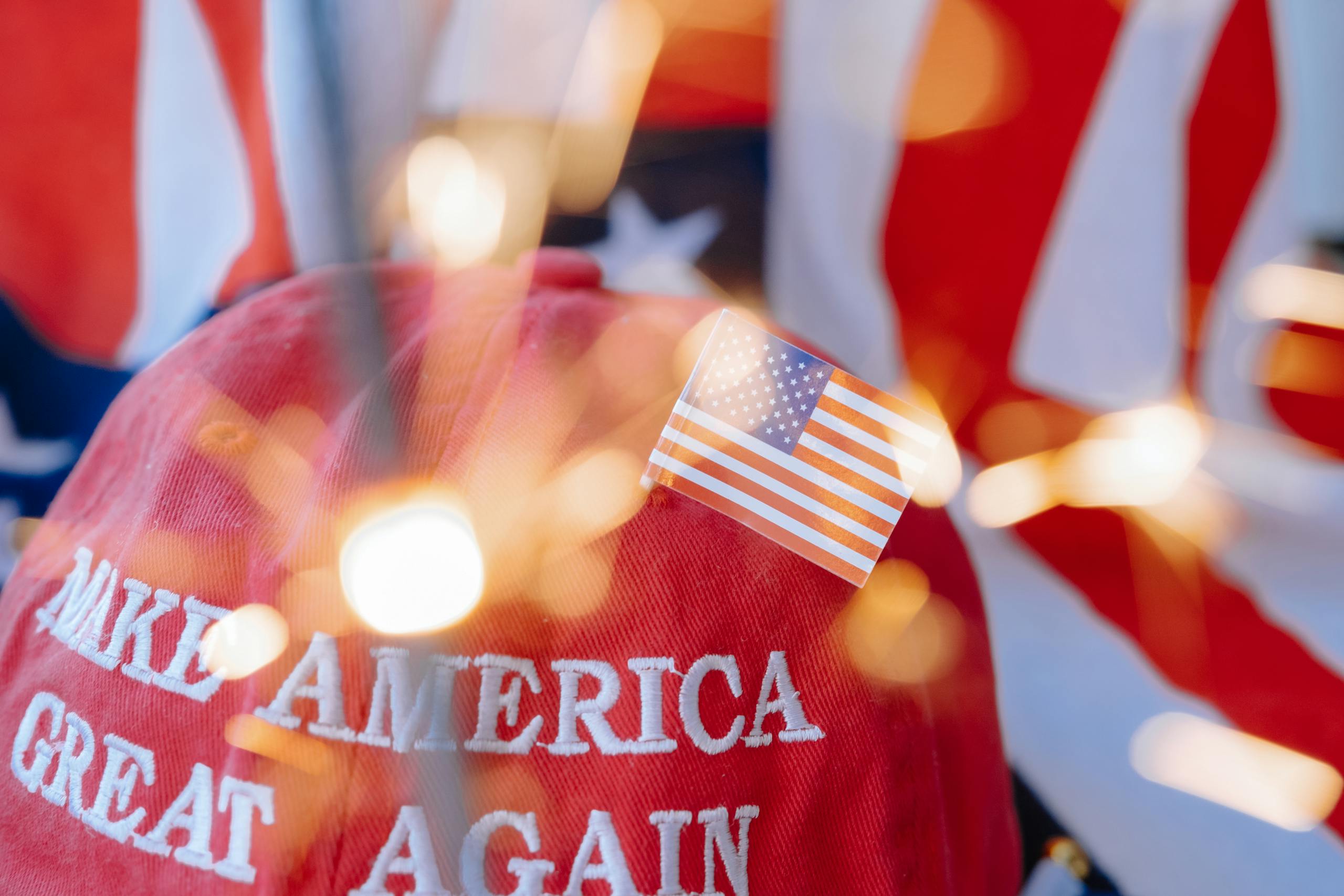
For some Americans, patriotism now feels like a political test instead of a shared emotion. People may feel pressured to prove they love the country in one specific way, or they may feel judged for criticizing it at all.
Recent polling showed that national pride fell to a record low, suggesting this feeling is broader than a few loud opinions. Many people are not rejecting America completely. They are wrestling with what pride should mean when love and disappointment live in the same heart.
Key Takeaway
The reasons some people are not proud to be American are not always rooted in bitterness. Many come from people who care deeply and feel let down by the gap between the country’s promises and their daily reality.
Some still love the flag, the music, the landscapes, the communities, the freedoms, and the chance to build a life. But love gets harder when healthcare feels dangerous, rent feels impossible, politics feels poisonous, and record housing unaffordability makes stability feel out of reach.
Real pride does not need blind loyalty. It can hold gratitude and criticism at the same time. For many Americans, the real question is not whether the country is worth loving. It is whether the country is willing to become worthy of the hope people still keep giving it.