A hot dog changes character from one city to the next, and the toppings, sauces and buns do most of the work. Some styles grew out of Depression-era street carts, while others began with immigrant-run stands or a late-night bagel cart. Here are eight regional hot dog styles and stands, from Chicago to Seattle.
1. Chicago-style hot dog: A garden of toppings on a bun
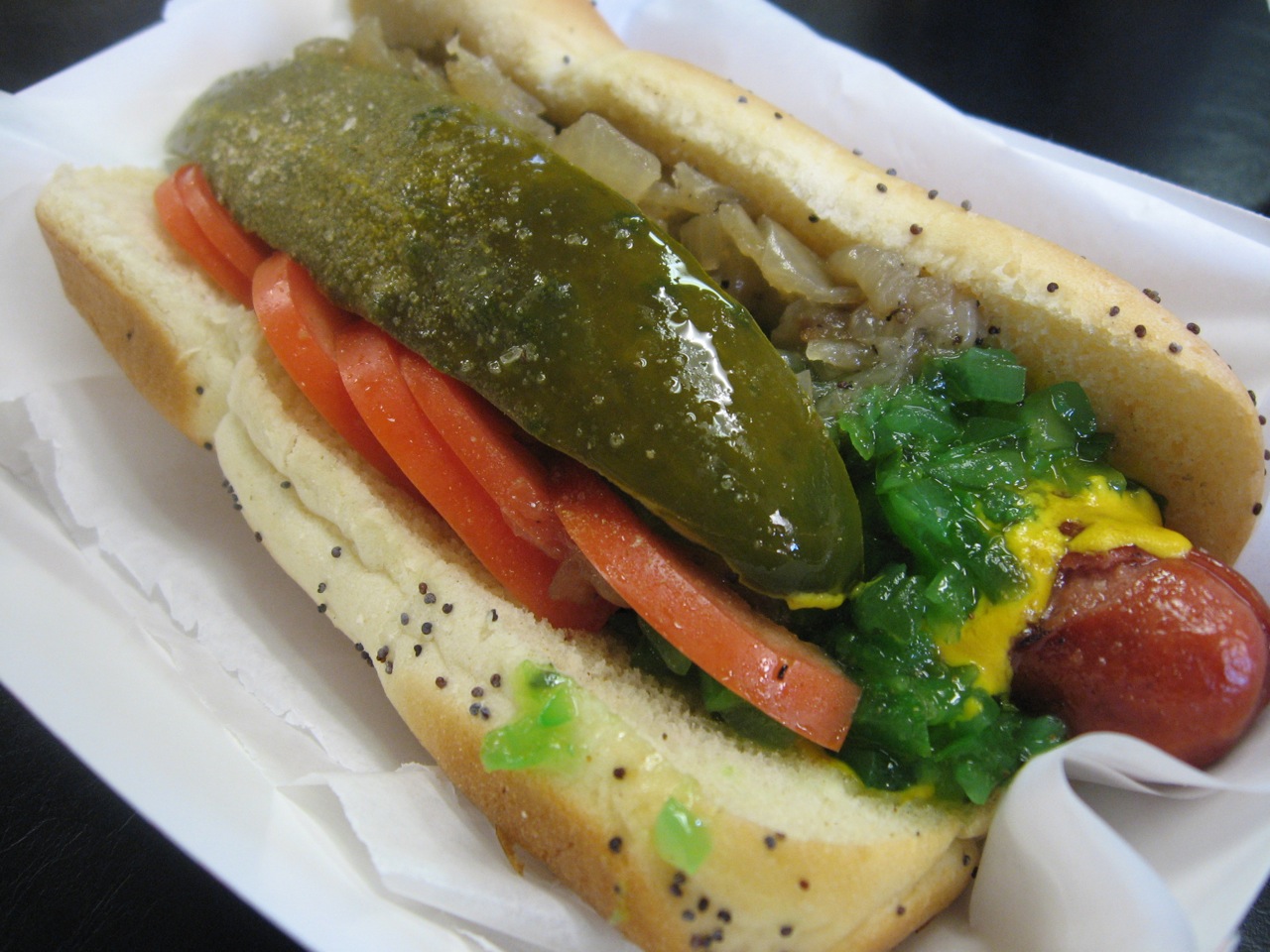
The Chicago-style dog is built on a pile of condiments. According to Vienna Beef, the Chicago company founded in 1893, the classic setup includes yellow mustard, green relish, sport peppers, celery salt and pickles, with giardiniera as another option.
The company says the style got its start with street cart vendors during the Great Depression, when a hot meal on a bun sold for five cents. Vienna Beef traces its own sausages to Austro-Hungarian recipes shown at the 1893 World’s Columbian Exposition, and the dog still carries the city’s name.
2. Coney Island hot dog: Beanless chili sauce, Detroit rivalry
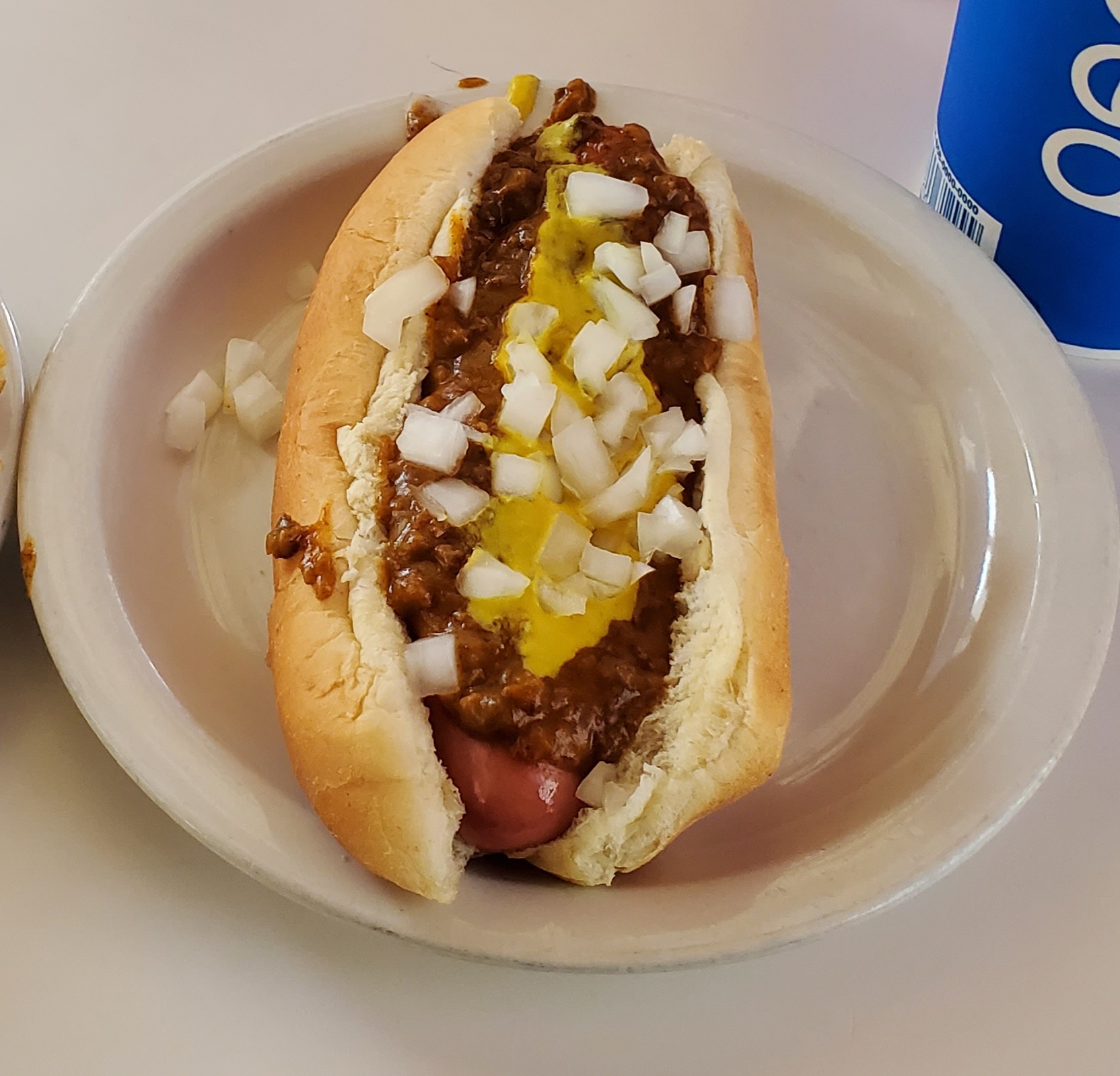
A Coney dog is a wiener in a bun topped with a savory meat sauce, and Wikipedia credits early twentieth-century immigrants from Greece with inventing it in the United States. Michigan versions usually carry a beef heart sauce, stripes of yellow mustard and chopped onions.
In Detroit, American Coney Island was founded in 1917 by Greek immigrant Constantine “Gust” Keros. Lafayette Coney Island opened next door in 1924, run by his brother, and the two have been rivals ever since. Detroit sauce is a beanless chili, which is the main difference from a chili dog.
3. Sonoran hot dog: Bacon-wrapped on a bolillo
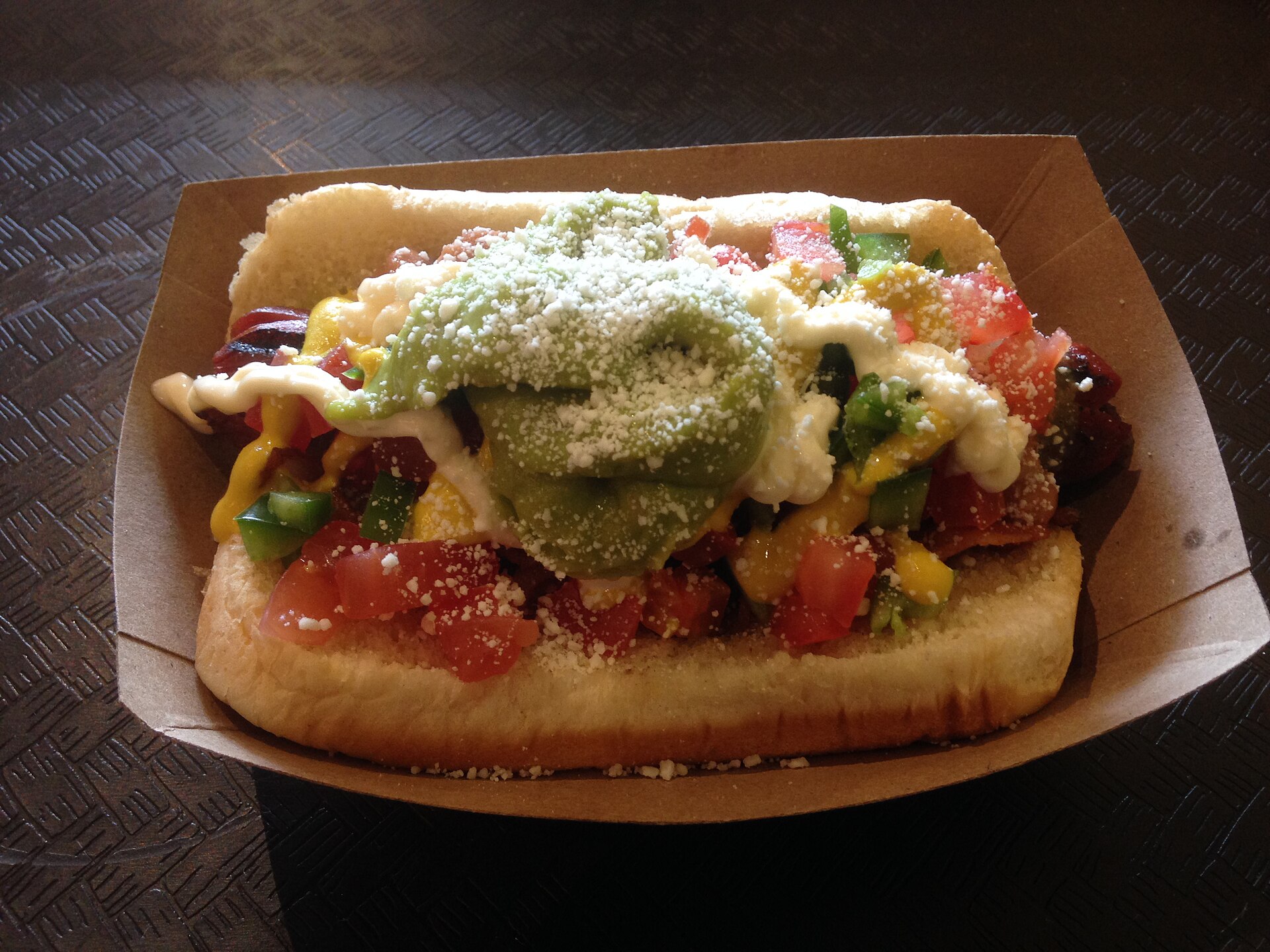
The Sonoran dog is wrapped in bacon, grilled and served on a bolillo-style bun, according to Wikipedia. Toppings include pinto beans, onions, tomatoes, mayonnaise, mustard and jalapeno salsa.
It was created in Hermosillo, the capital of Mexico’s Sonora state, in the late 1980s, though some theorize it existed as early as the 1940s. It is most popular in Tucson, Phoenix and southern Arizona, where vendors called dogueros sell it from street carts. El Guero Canelo won a James Beard America’s Classics award for its version in 2018. The style is a staple of the region’s food scene.
4. Seattle-style hot dog: Cream cheese and grilled onions
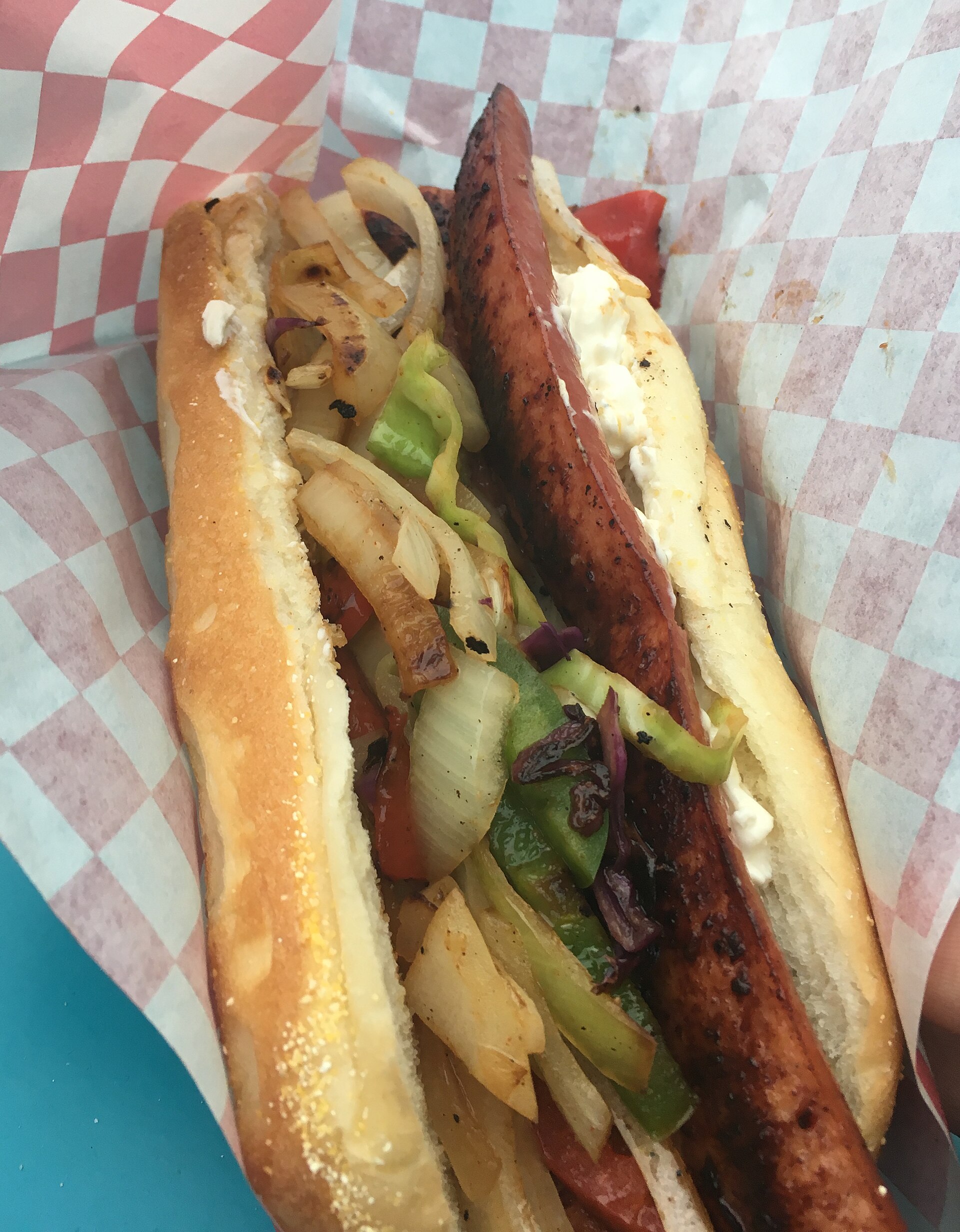
The defining topping is cream cheese, often spread on the bun, with grilled or caramelized onions among the most popular additions, according to Wikipedia. Jalapenos, sauerkraut and Sriracha also turn up.
The style was invented in 1989 in Seattle’s Pioneer Square by Hadley Long, a vegetarian vendor from Ohio who sold bagels from a cart and added hot dogs to meet late-night demand. He used bialy-style buns and insisted they were bagel dogs, not hot dogs. Sales grew outside bars and music venues during the 1990s, and the Mariners added the dog at Safeco Field in 2010.
5. Michigan hot dog: A Plattsburgh meat-sauce original
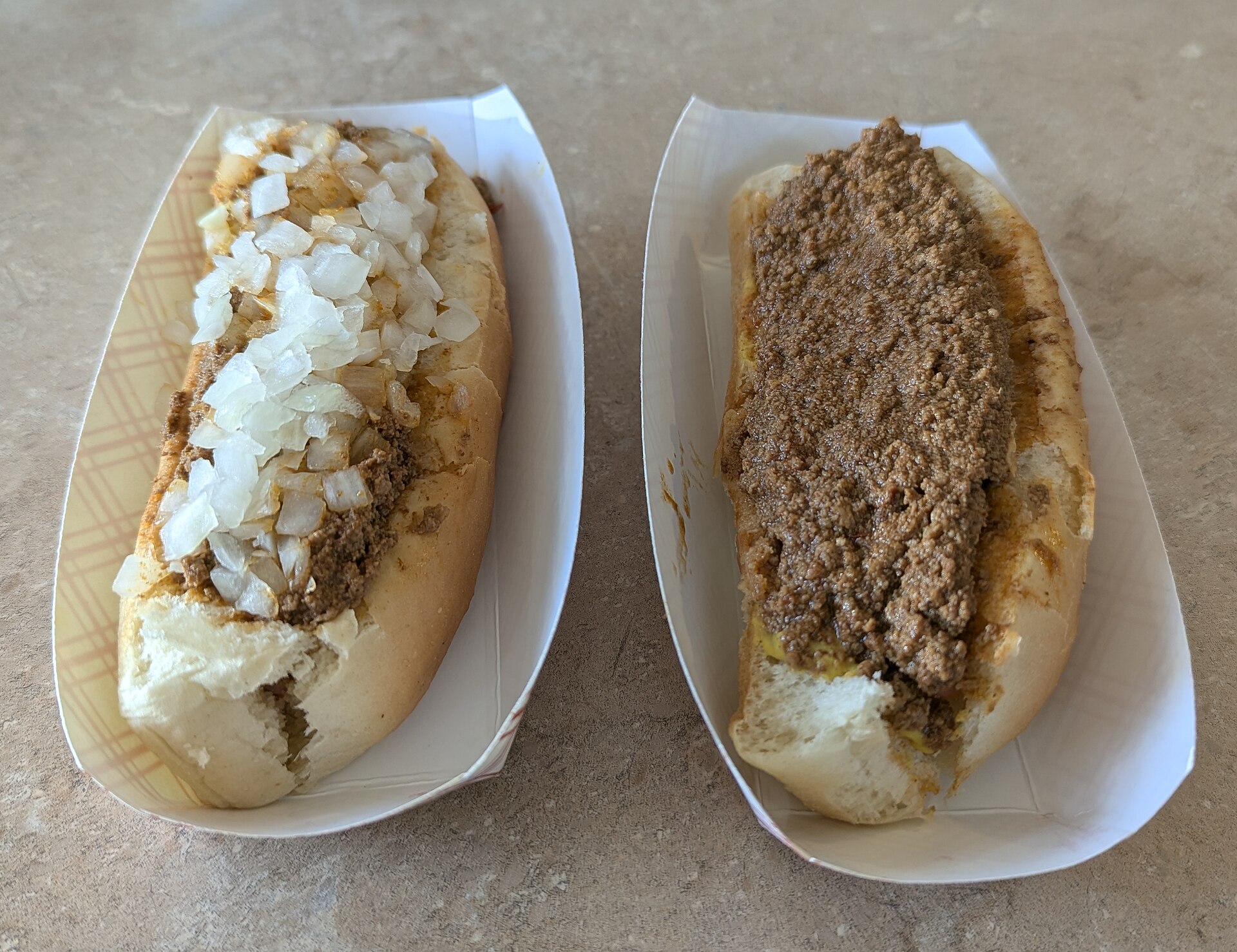
Despite the name, the Michigan is a Plattsburgh, New York, specialty. The Town of Plattsburgh says it is traditionally a natural casing hot dog in a split top bun, covered in a specially seasoned meat sauce, with optional mustard and onions.
The town says the Michigan arrived in the 1920s and was advertised as early as 1927, while the origin of its name is buried in local lore. In 2022 the William G. Pomeroy Foundation gave the town a Hungry for History marker. Gus’ Red Hots, Ronnie’s Michigan Stand, Clare & Carl’s, McSweeney’s Red Hots and Michigans Plus all take part in a local passport.
6. Half-smoke: Washington’s spicier, coarser sausage
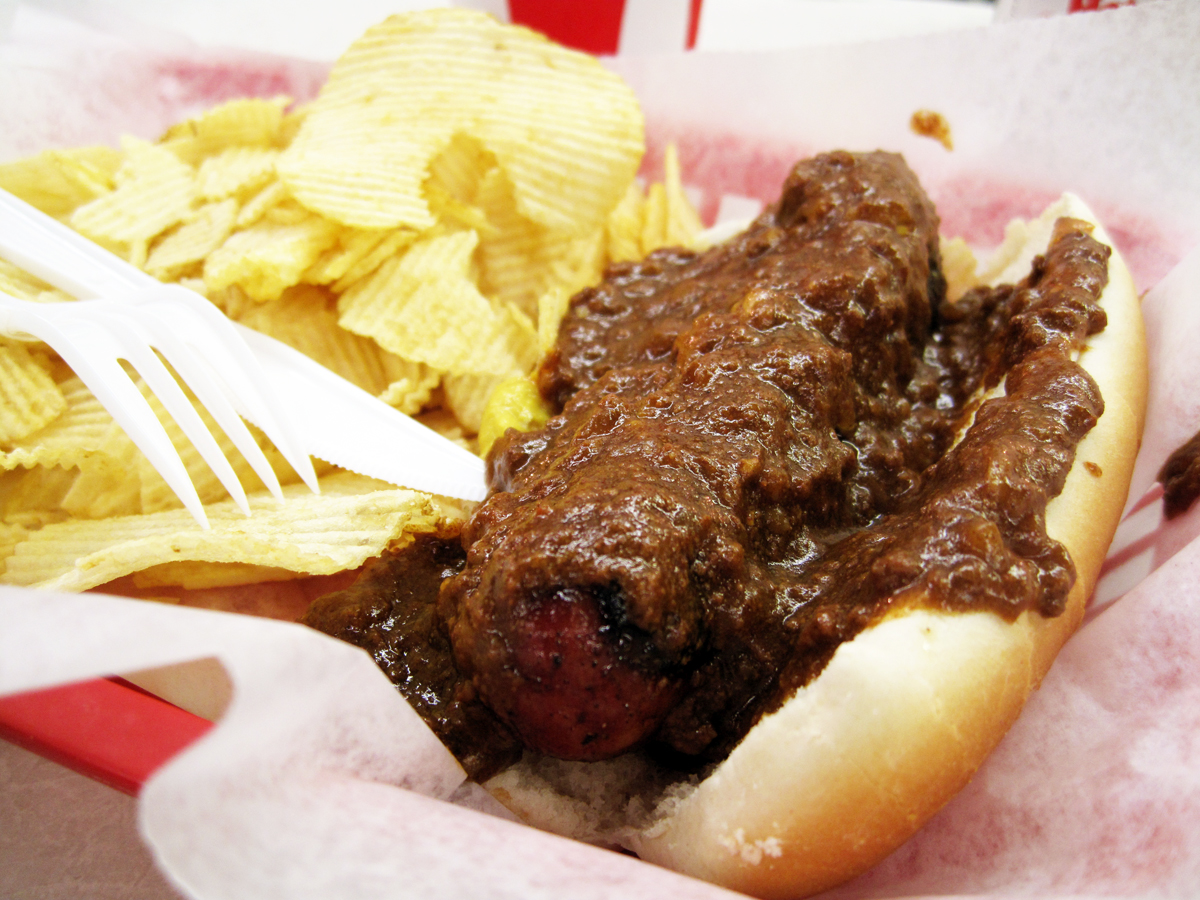
The half-smoke is the signature of Ben’s Chili Bowl, which opened on August 22, 1958, on U Street in Washington, D.C. The restaurant’s story also notes a U Street sign reading “Chili Smokes.”
According to Wikipedia, a half-smoke is larger, spicier and made with more coarsely ground meat than a regular hot dog, often half pork and half beef. It is typically served with onion, chili sauce and herbs. Briggs & Company is thought to be the originator, and several theories explain the name, from the meat mix to the way the sausage was cut and grilled.
7. Corn dog: The hot dog on a stick
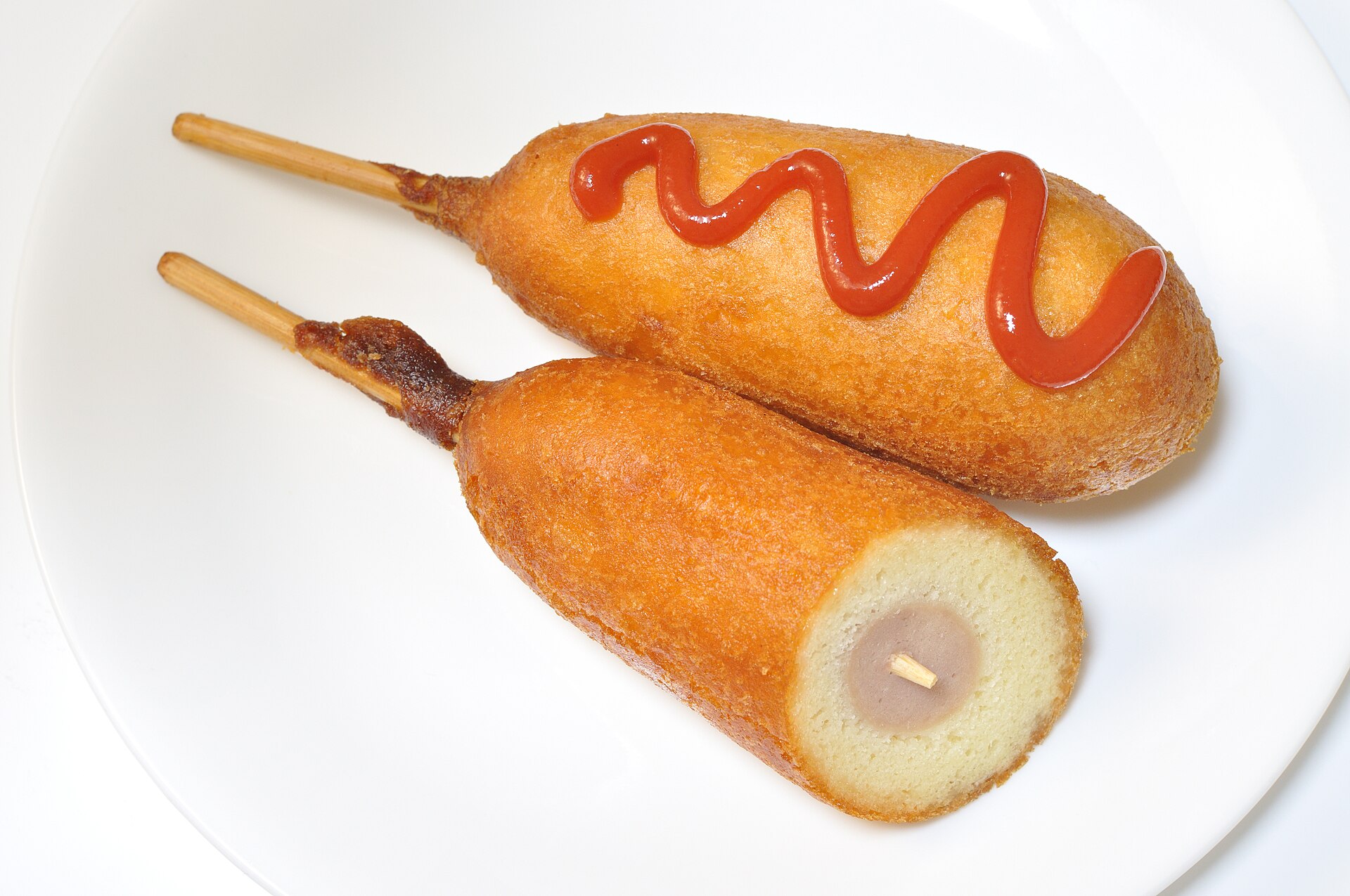
A corn dog is a hot dog skewered, battered and fried golden brown. The Cozy Dog Drive In in Springfield, Illinois, says its Cozy Dog debuted on June 16, 1946, at the Lake Springfield Beach House, according to Enjoy Illinois.
Ed Waldmire Jr. developed the stick-served version after encountering a cornbread-baked corn dog in Muskogee, Oklahoma, and a fellow student, Don Strand, created the batter. The restaurant found its permanent home on Route 66 in 1949, and the family says it still makes the dog just like grandpa did. It is served with a large portion of french fries.
8. Nathan’s Famous: A nickel dog on Coney Island
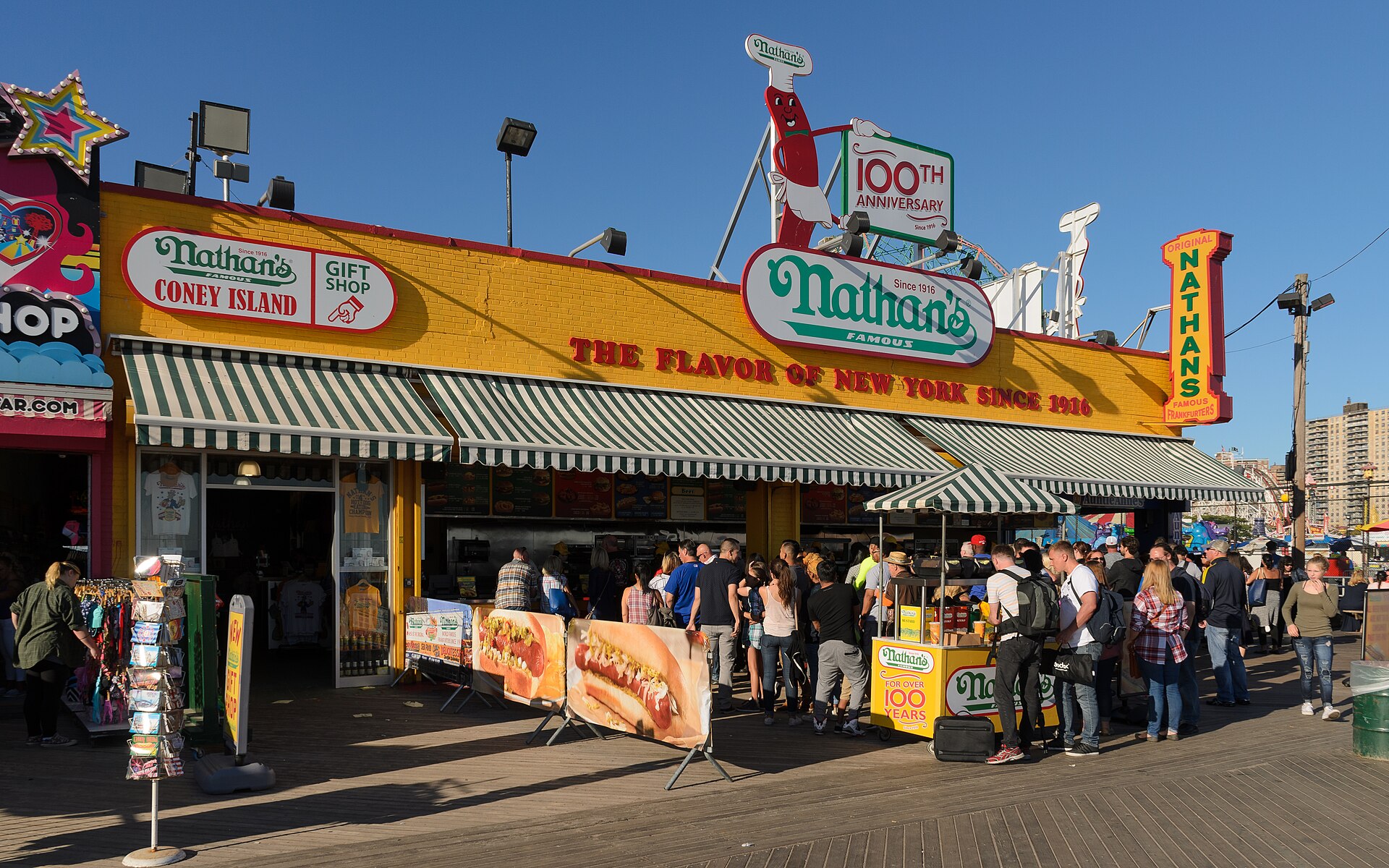
Polish Jewish immigrant Nathan Handwerker and his wife, Ida, opened the stand in Brooklyn’s Coney Island in 1916, according to the Jewish Telegraphic Agency. They had saved $300 and sold hot dogs for a nickel, half the price at nearby Feltman’s, using Ida’s secret spice recipe.
The business expanded over the next half century and went public in 1968. The first hot dog eating contest was held in 1972, and in 2016 the corner of Surf and Stillwell Avenues was co-named Nathan and Ida Handwerker Way. The agency says the brand now has more than 350 locations in 12 countries.
This article was produced with AI assistance and edited for accuracy against the sources linked above.