Fast food chicken sandwiches have pulled off one of the greatest tricks in American eating. They look safer than burgers, sound lighter than fried platters, and sit on the menu with just enough lettuce and pickles to seem harmless. Then the numbers show up, and the whole story changes.
The problem is not chicken. The problem is what fast food chains do to it before it reaches the tray. They brine it, bread it, fry it, salt it, sauce it, and tuck it into a soft bun that turns a simple protein into a full blown sodium trap. For Americans already eating too much salt, these sandwiches are not just another quick lunch.
They are one more everyday habit that can quietly push blood pressure, cholesterol, and calorie intake in the wrong direction.
McDonald’s McChicken
The McChicken ranks lower on the danger list, but that does not make it innocent. Its biggest advantage is size. Compared with the oversized crispy chicken sandwiches dominating modern fast food menus, the McChicken is smaller and less extreme.
Still, it is a fried, processed chicken sandwich with mayonnaise and a refined bun. Americans often treat it like a cheap add on rather than a full meal, which creates another problem. One McChicken may not seem outrageous, but pairing it with fries, nuggets, and soda turns a small order into a fast food pileup.
Dairy Queen Original Chicken Strip Sandwich
Dairy Queen’s Original Chicken Strip Sandwich sounds like a simple comfort food order, but chicken strips bring their own hidden cost. Instead of one plain piece of chicken, this sandwich uses fried strips that carry breading, seasoning, and oil.
That matters because sodium does not arrive from one place. It builds in layers. The chicken, breading, sauce, and bun all contribute, and by the time the sandwich is finished, the “quick bite” becomes another salty lunch Americans barely notice.
Culver’s Crispy Chicken Sandwich
Culver’s has a friendly, Midwestern image, which can make its crispy chicken sandwich seem less alarming. The sandwich does not look flashy or excessive. That is exactly why it can be misleading.
The sodium level is the main concern. A basic crispy chicken sandwich can still use up a large share of the daily sodium limit before fries or dipping sauce enter the picture. The plain look makes it easier to underestimate, which is often the most dangerous part.
Jack in the Box Chicken Sandwich
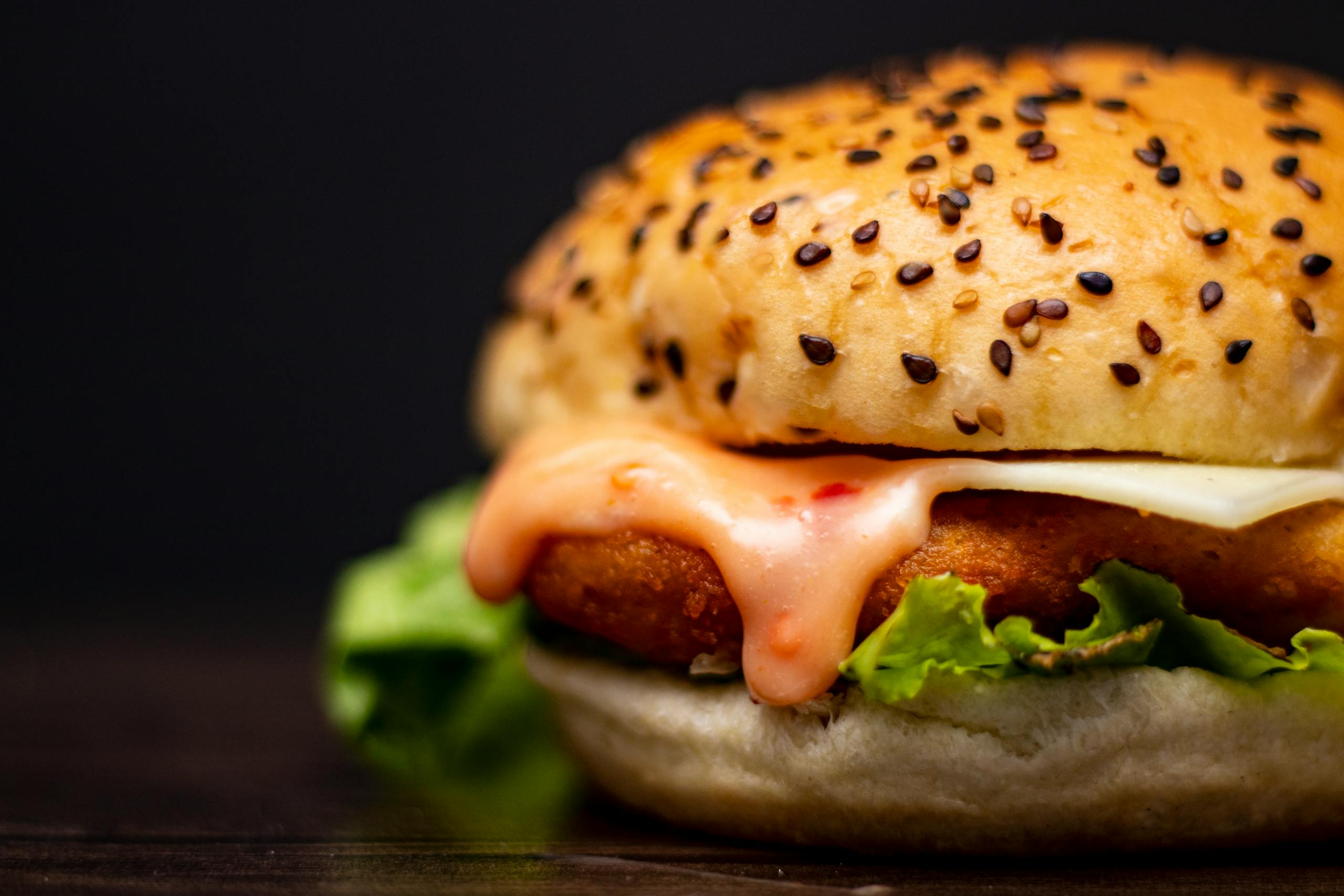
Jack in the Box has never tried to sell itself as a wellness destination, but its chicken sandwich still benefits from the “chicken is better” assumption. Many customers see it as a lighter alternative to burgers, tacos, or loaded late night meals.
The problem is the saturated fat and fried coating. Once chicken is breaded, fried, and paired with sauce, it stops behaving like a lean protein. It becomes another greasy fast food item wearing a healthier costume.
A&W Crispy Chicken Sandwich
A&W’s Crispy Chicken Sandwich feels old fashioned and familiar, especially next to louder, trendier fast food releases. Familiarity can be dangerous. It makes a salty, fried sandwich feel like no big deal.
The issue is the mayo, seasoning, and fried chicken combination. Lettuce adds color, but it does not undo the sodium. A sandwich like this shows how little it takes for a seemingly simple lunch to become a high salt choice.
Chick-fil-A Chicken Sandwich
Chick-fil-A’s classic chicken sandwich is one of the most beloved fast food items in America, and that popularity makes its nutrition profile more important. It looks clean and simple. A bun, chicken, and pickles do not seem like a nutritional disaster.
The sodium tells a different story. That signature flavor comes from seasoning and brining, and those choices add up fast. The sandwich may not look loaded, but it still carries enough salt to make it a poor daily habit.
Arby’s Classic Chicken Sandwich
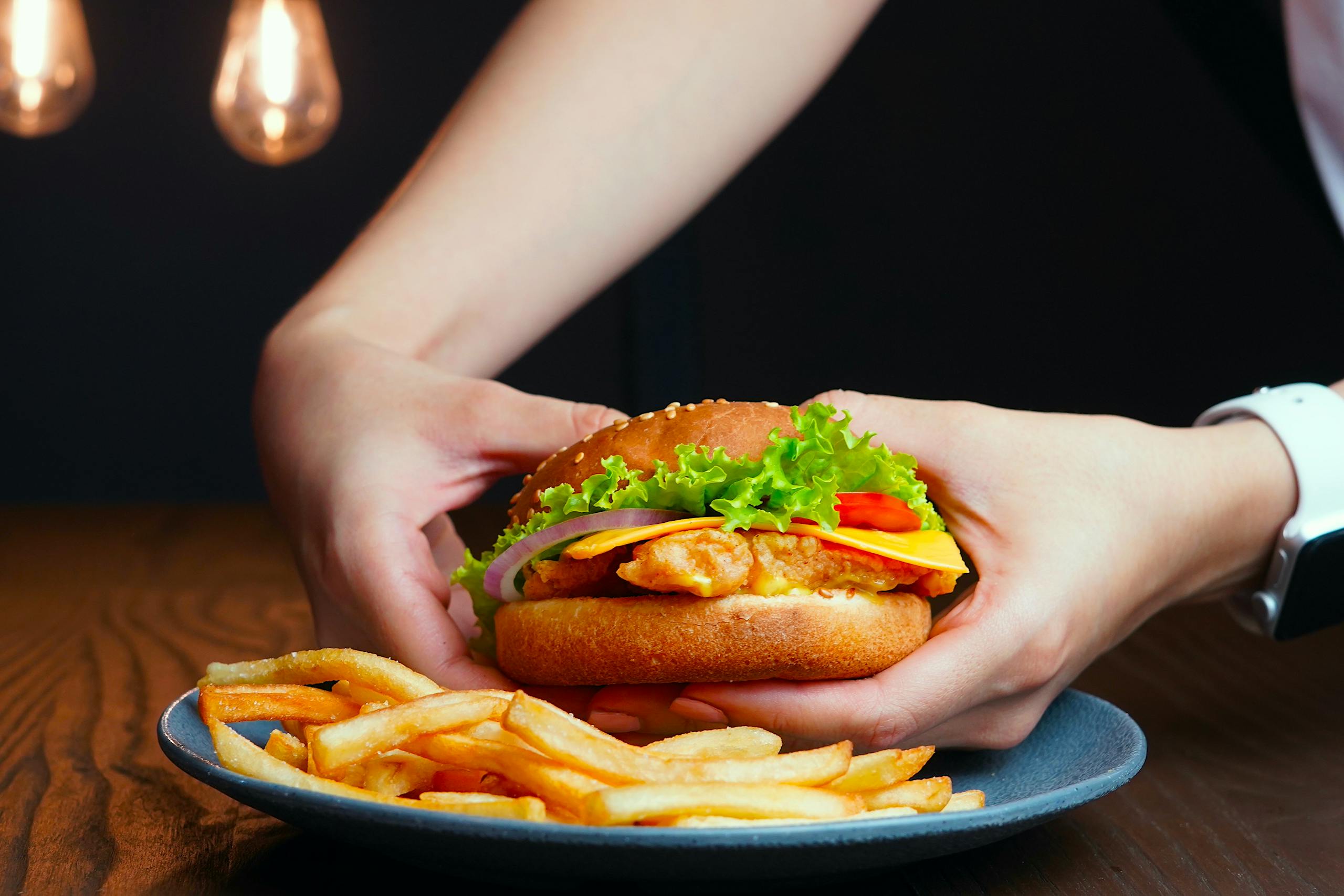
Arby’s Classic Chicken Sandwich uses crispy chicken, lettuce, tomato, mayo, and a toasted bun. The vegetables give it a fresh appearance, but they cannot carry the meal nutritionally. The fried fillet and mayo are doing most of the heavy lifting.
This is where many Americans get fooled. A slice of tomato does not cancel out a salty fried chicken patty. The sandwich may feel more balanced than a burger, but it still brings significant fat and sodium.
Wendy’s Classic Chicken Sandwich
Wendy’s leans hard on its fresh image, but freshness does not automatically mean light. The Classic Chicken Sandwich still contains fried chicken, sauce, and a bun. It is a fast food comfort item, not a heart smart lunch.
Its sodium level is the biggest red flag. A sandwich with this much salt can become a problem before the combo meal even starts. Add fries and a soft drink, and the meal quickly moves from convenient to costly.
KFC Classic Chicken Sandwich
KFC’s Classic Chicken Sandwich is not pretending to be a salad. It comes from a chain built on fried chicken, so the high fat and sodium should not surprise anyone. Still, the sandwich format makes it feel less extreme than a bucket meal.
That is part of the trap. A single sandwich feels contained, even when it delivers a heavy hit of calories, fat, and sodium. It gives Americans the comfort of fried chicken in a portable form, but the body still has to process the same salty, oily load.
Shake Shack Chicken Shack

Shake Shack’s Chicken Shack feels more upscale than most fast-food chicken sandwiches. The crispy chicken breast, pickles, lettuce, buttermilk herb mayo, and potato bun all sound carefully built. The problem is that premium wording does not erase fast food math.
The buttermilk mayo adds richness, and the fried chicken brings sodium and fat. This sandwich proves that a more expensive chicken sandwich is not automatically a healthier one. Sometimes it is just a better dressed indulgence.
Conclusion
Fast food chicken sandwiches are not the harmless burger alternative Americans want them to be. Many are fried, salty, fatty, and drenched in enough sauce to turn a quick lunch into a health burden. The worst ones on this list prove that chicken can be just as risky as beef when it is breaded, fried, brined, and buried under mayo.
That does not mean nobody should ever eat one. It means we should stop pretending the word “chicken” makes the meal automatically smart. The better move is to treat crispy chicken sandwiches as occasional fast food indulgences, not everyday lunches. In a country already eating too much sodium, that small shift can make a real difference.