A death sentence already carries a heavy silence. In America, people often picture years of appeals, court filings, prison isolation, execution dates, protests, victims’ families, and debates about justice. The process is grim, but it is also public enough that names, dates, methods, and legal fights often become part of the record.
Outside America, the death penalty can look very different. In some countries, executions are announced only after they happen. In others, families may receive little warning, drug crimes can lead to death, and the true number of executions may stay hidden behind government secrecy. What Americans debate in courtrooms and newsrooms can be handled elsewhere with far less visibility.
That difference is what makes the topic so disturbing. Capital punishment is not a single global system with a single set of rules. It changes from country to country, shaped by politics, religion, drug policy, national security fears, and how much power the state holds over the accused. The same word, execution, can mean very different things depending on where someone is sentenced.
The death penalty outside America shocks many readers because it raises a brutal question about justice. Is the goal punishment, deterrence, revenge, public warning, political control, or closure for victims? Around the world, the answer often depends less on moral certainty than on who controls the courts, prisons, and information.
Some Countries Keep the Real Execution Numbers Hidden

One of the darkest differences outside America is secrecy. In the U.S., executions are usually tracked by state, date, inmate name, method, and legal history. The process remains controversial, but the public can often follow it. In some countries, the real number of people executed is treated like a state secret.
That secrecy changes everything. In 2025, at least 2,707 executions were recorded worldwide, the highest number Amnesty International has recorded since 1981, excluding China, where figures are believed to be in the thousands but remain hidden as official state secrets.
When a government controls the numbers, the public cannot fully judge the system. The punishment becomes darker because even the scale is kept out of view.
Drug Crimes Can Lead to Death Sentences
Many Americans associate the death penalty mainly with murder cases. That does not mean the U.S. system is free from controversy, but the public debate usually centers on homicide, victims, appeals, and the most serious violent crimes. In several countries, however, drug-related offenses can still carry death sentences. That shocks many people because the punishment reaches far beyond intentional killing.
This is where international criticism becomes especially sharp. In 2025, five countries were known to have carried out executions for drug-related offenses, and close to half of the known executions were tied to those cases, according to the drug-related offenses reporting.
Critics argue that drug crimes do not meet the international threshold for the most serious crimes. Supporters in those countries may call it toughness, but opponents see a system using death as a tool of fear.
Hanging Still Exists in Modern Justice Systems
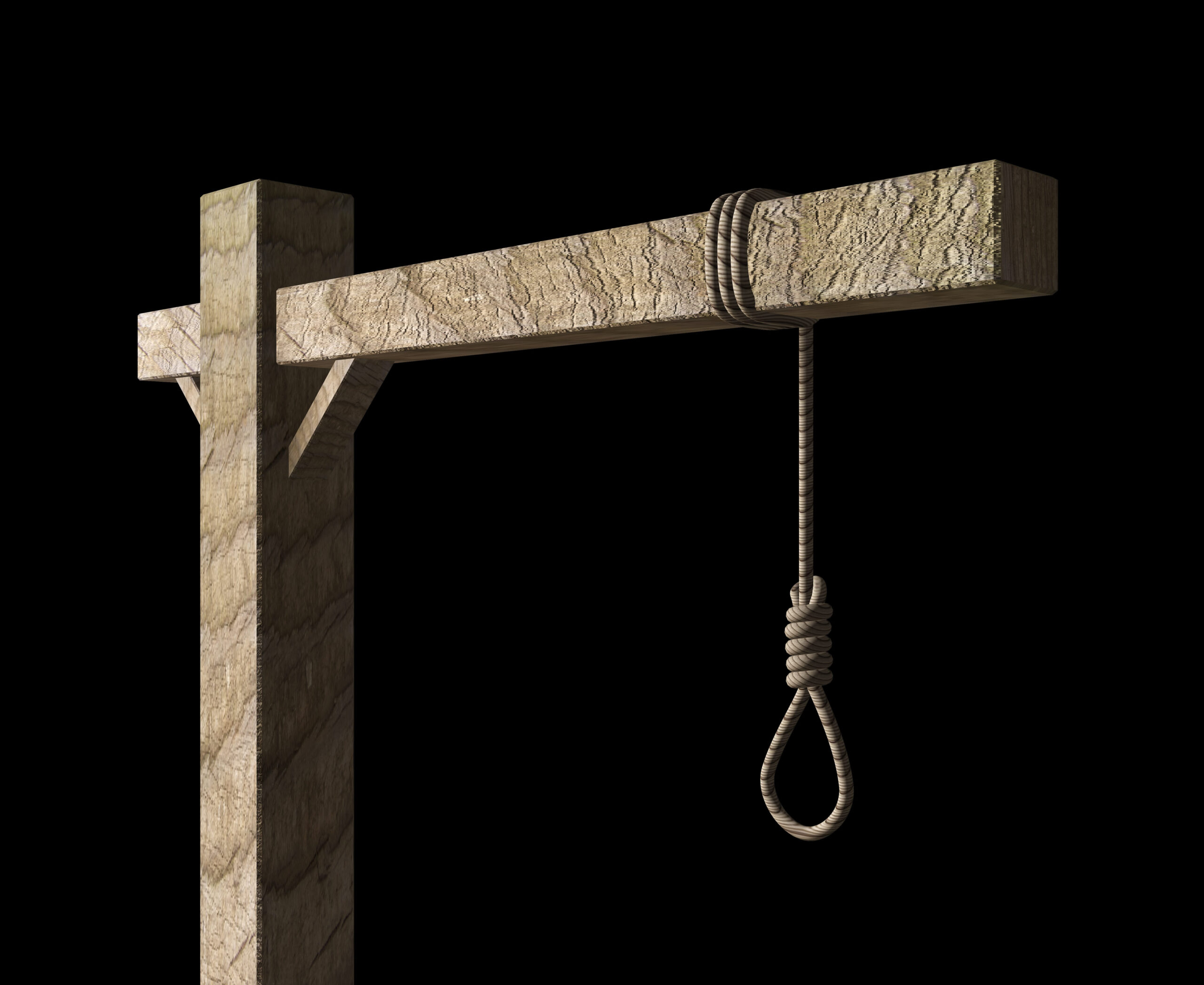
For many Americans, hanging sounds like something from an old history book. In the U.S., modern death penalty debates usually focus on lethal injection, firing squad laws, electrocution, or newer controversies like nitrogen hypoxia. Outside America, hanging remains part of the execution landscape in some countries. That alone can surprise readers who assume modern states have moved away from older methods.
The disturbing part is not only the method, but what it represents. Hanging can feel blunt, public in memory even when private in practice, and tied to a harsher image of state punishment.
Cornell’s Death Penalty Worldwide project notes that retentionist countries continue to use several methods, many of which raise concerns under international human rights standards around cruel or degrading punishment through methods of execution. The method serves as a reminder that modern law does not always entail modern restraint.
Beheading Is Still Used as a state punishment.
Beheading is one of the execution practices that most Americans find hardest to imagine as part of a modern legal system. It carries a medieval image, even when used today under formal criminal law. The shock comes from the gap between official courtroom language and the harshness of the punishment itself. For many readers, it makes the death penalty feel less like a procedure and more like a spectacle.
This is not a topic that needs graphic description to feel dark. The existence of the method alone shows how differently countries define justice, deterrence, and state authority. In places where beheading is authorized or carried out, the message is not only that the person is punished. It is that the government has chosen a form of punishment designed to be feared.
Shooting Can Be Used as a Formal Execution Method
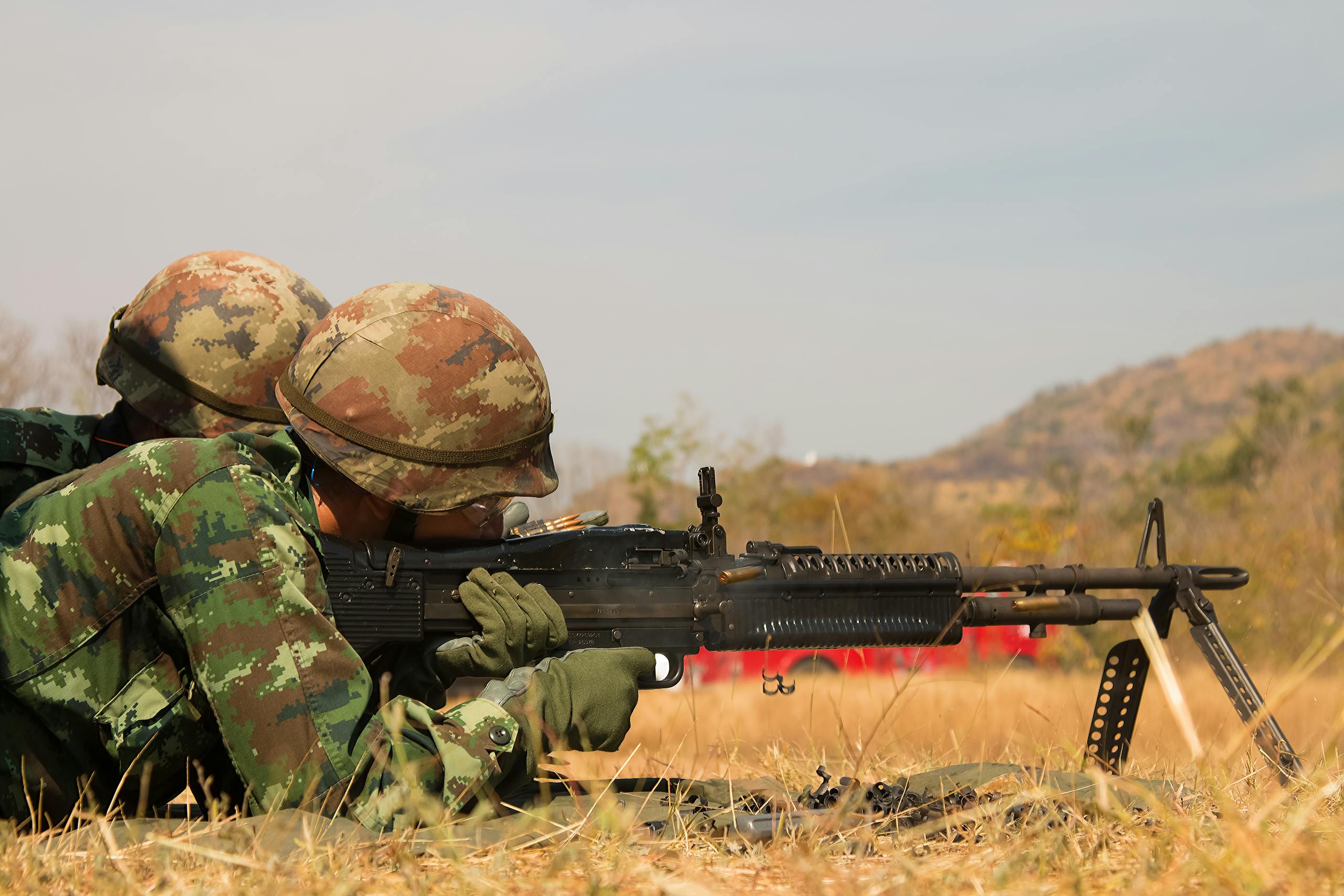
Shooting as a state execution method can feel shocking because it blurs the line between criminal punishment and military-style force. Americans may know firing squads from U.S. history or from rare modern debates, but outside America, shooting still appears among documented global execution methods.
The image is stark, even when carried out under official law. It makes punishment feel direct, physical, and final.
This method also raises hard questions about what governments want executions to communicate. A shooting can be framed as quick or practical by supporters, but critics see a harsh display of state power. Global reporting has listed shooting among methods used in recent years, along with hanging, beheading, lethal injection, and nitrogen gas asphyxiation, in death penalty report findings.
For many Americans, the contrast is unsettling because it shows how different the final act of punishment can look.
Public Executions Can Turn Punishment Into a Warning
The American death penalty is controversial, but executions are not usually public spectacles. They are generally conducted within prison facilities, with limited witnesses and a formal procedure. In some parts of the world, however, public or semi-public executions have been reported or historically used as a warning to the wider population. That changes the meaning of punishment.
A public execution is not only about the person sentenced. It is also about the crowd, the fear, and the message the state wants to send. Human rights critics argue that public punishment can become political theater, especially when governments seek to project strength or silence dissent. The darker question is whether justice is being served or whether fear is being staged.
Trials Can Move Faster Than Americans Expect
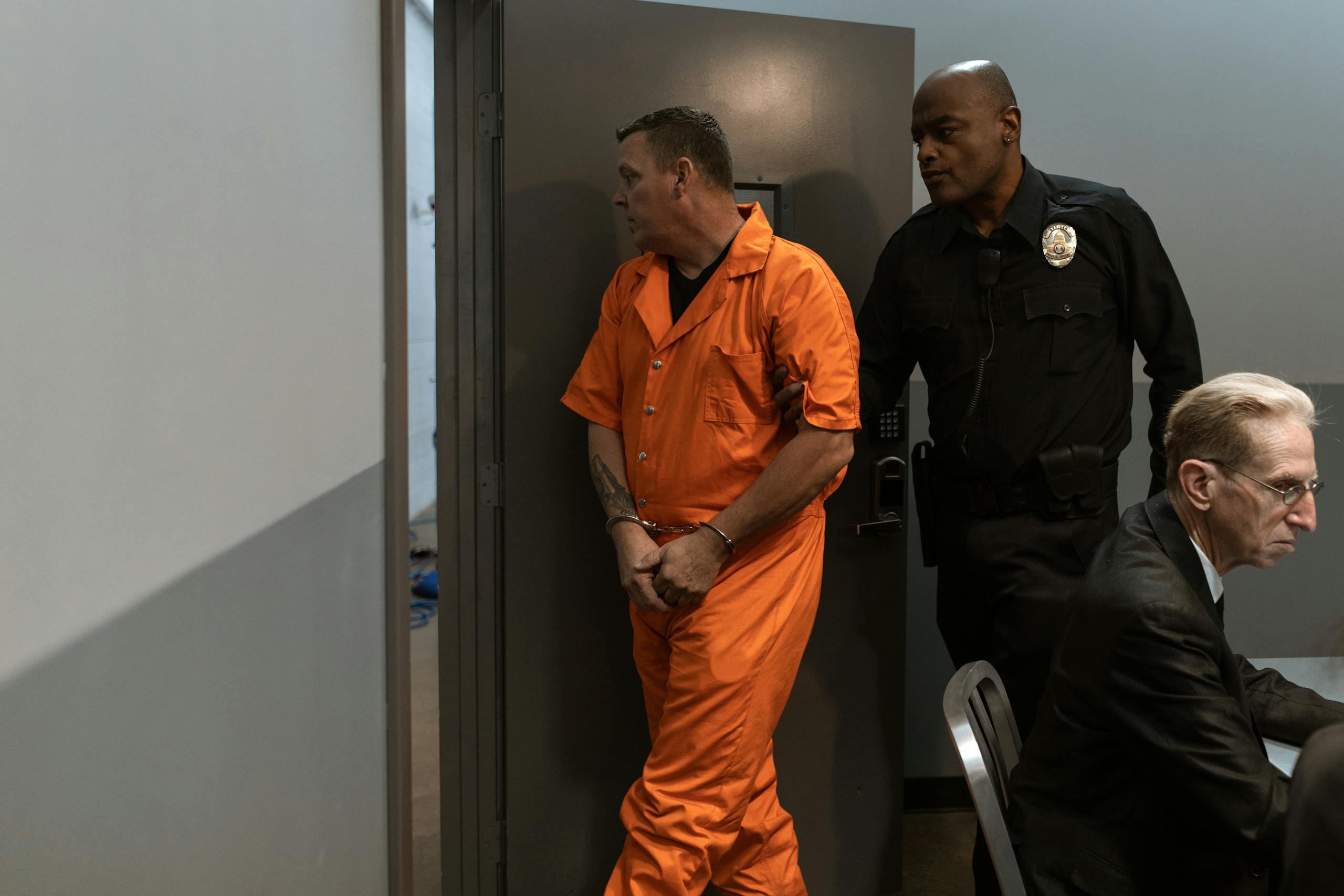
Americans are used to long death penalty appeals, even when many people criticize the delays. A capital case can move through trial courts, appeals courts, federal challenges, clemency requests, and years of legal review. That does not guarantee fairness, but it creates a slower and more visible process. In some countries, capital cases can move with far less transparency.
That speed can become alarming when trials involve national security accusations, terrorism charges, mass proceedings, weak legal representation, or political pressure. A death sentence becomes especially troubling when the public cannot tell whether the defendant had a fair chance to fight the case.
International human rights standards warn that the death penalty, where it exists, should be limited to the most serious crimes and surrounded by strict safeguards under human rights standards. When those safeguards are weak, the punishment looks less like justice and more like state certainty, with insufficient scrutiny.
Families May Be Left With Silence Instead of Closure
The death penalty is often discussed in courts, crimes, governments, and moral arguments. But families live inside the waiting. Outside America, some families may face more secrecy around execution dates, final visits, burial arrangements, or official notice. They may learn too late, receive limited information, or struggle to get basic answers from authorities. That kind of silence becomes its own punishment.
This reality complicates every easy argument about justice. Victims’ families may also want answers, safety, and accountability. The condemned person’s relatives may feel shame, grief, fear, and helplessness. When a state keeps the process hidden, both sides can be left with more questions than peace. The execution ends a life, but it does not always end the damage around it.
Conclusion
The death penalty outside America can look darker because it often moves through different systems of power, secrecy, and punishment. Some countries hide the numbers, execute people for drug crimes, use methods that shock foreign observers, or treat executions as public warnings.
Others move cases through systems where transparency and due process are harder to verify. The result is a global picture that feels uneven, unsettling, and deeply political.
This does not mean America’s death penalty is simple or clean. The U.S. still faces intense debates over wrongful convictions, racial disparities, execution methods, long death row stays, mental illness, and whether the state should ever take life. But compared with countries where the true numbers are secret, or the crimes punished by death reach far beyond murder, the global contrast is hard to ignore.
The darkest truth is that execution is never only about the person condemned. It is also about what a society wants the punishment to say. Should the death penalty be justice, fear, closure, power, or proof that the state can do the one thing no court can undo?