Modern food trends can seem unusual, but American home cooks have been experimenting with surprising combinations for generations. During the middle of the 20th century, convenience ingredients and elaborate presentations helped produce dishes that now look almost unbelievable.
Gelatin molds, canned meats, decorative salads, and unusual party recipes appeared in cookbooks and advertisements. Some were intended for everyday meals, while others helped hosts impress their guests. Here are eight trends that reveal how much American cooking and entertaining have changed.
1. Suspending Vegetables in Gelatin
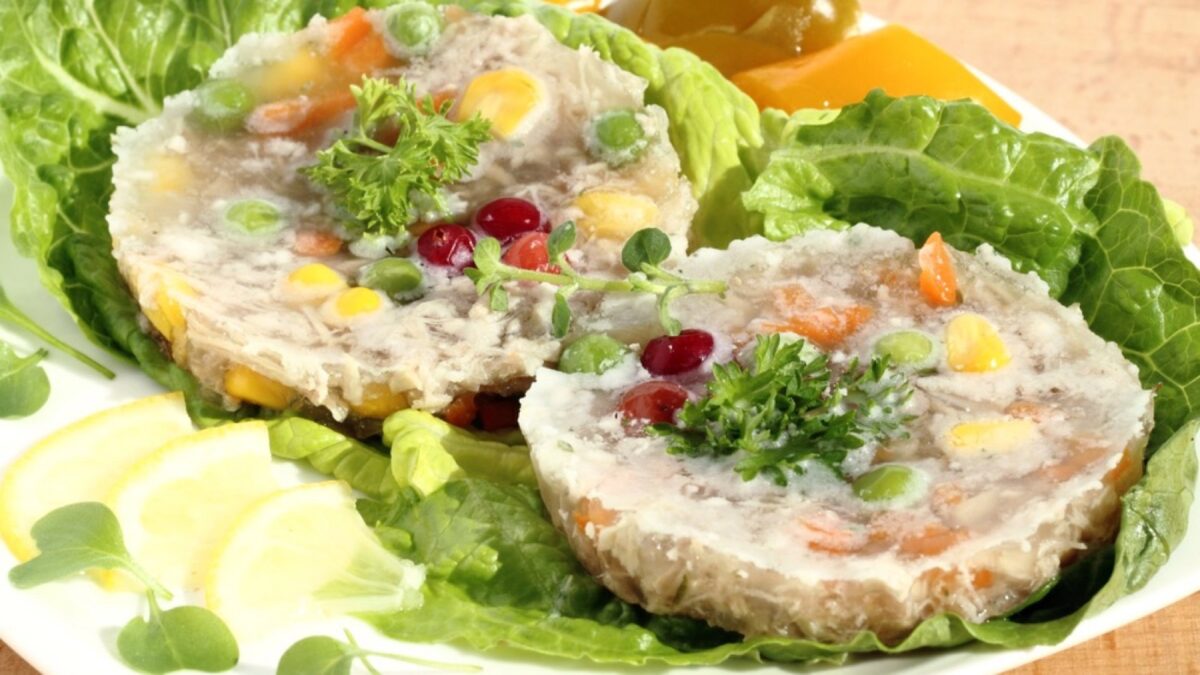
Savory gelatin salads became a recognizable feature of mid-century American entertaining. Cooks suspended vegetables such as carrots, cabbage, and celery inside flavored or unflavored gelatin.
The finished dish was often unmolded onto a plate and decorated with lettuce or mayonnaise. Its shape could be as important as its flavor.
The Smithsonian’s food history research documents the popularity of molded salads during the 1950s. Modern diners may find the combination unfamiliar, but it once represented an attractive prepared-ahead dish.
2. Turning Sandwiches Into Cakes
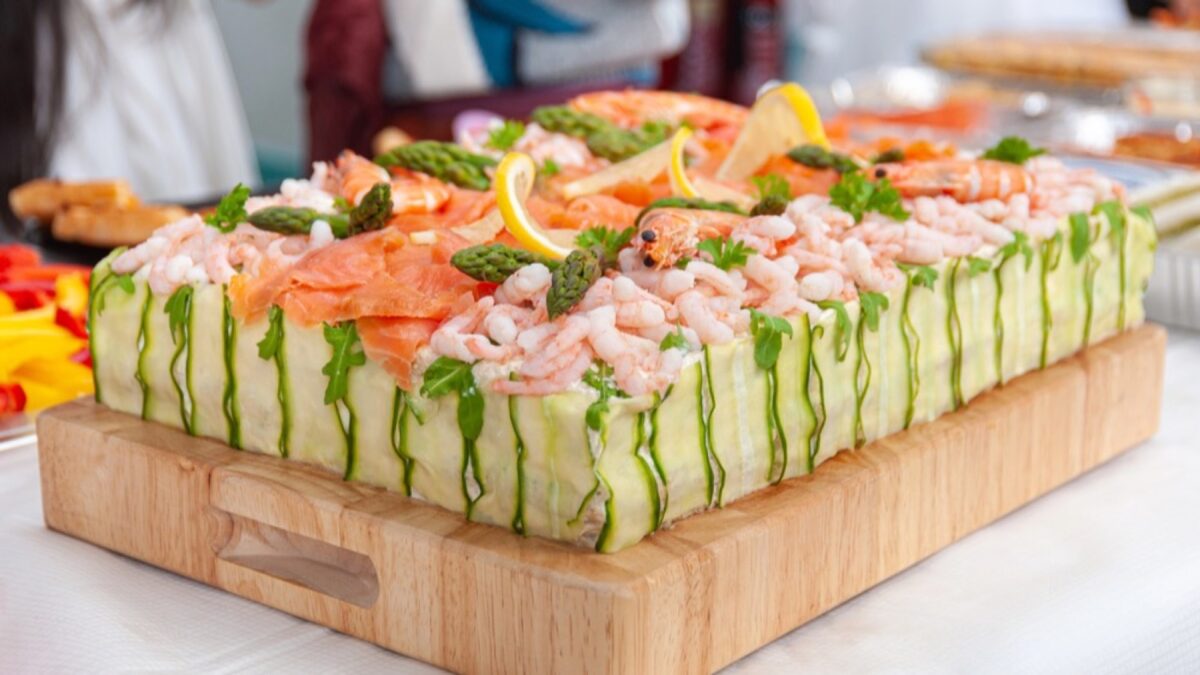
The frosted sandwich loaf looked like a decorated cake until someone cut into it. Layers of bread contained savory fillings such as chicken salad, egg salad, or ham spread.
Cream cheese or another savory spread covered the outside. The loaf could then be decorated with vegetables, olives, or herbs.
Its elaborate appearance made it suitable for parties and celebrations. Preparing the dish required patience, but it created a centerpiece from familiar sandwich ingredients.
3. Cooking Entire Meals in One Oven Session
Mid-century cookbooks often promoted menus designed around efficient oven use. Several dishes could be prepared at similar temperatures, reducing the need to cook everything separately.
A main course might be accompanied by potatoes, vegetables, and another baked dish. The technique was particularly helpful when preparing meals for a large family.
This approach wasn’t inherently strange, but some suggested combinations were unusual. The Smithsonian documents a 1950s budget oven meal that included a crown roast made from hot dogs.
4. Making Meat Look Decorative
Some party recipes transformed familiar meat into elaborate shapes. Bologna could be glazed, studded with cloves, or presented as a large centerpiece.
The idea reflected an emphasis on visual presentation. A relatively ordinary ingredient could become suitable for entertaining through careful decoration.
The Smithsonian describes an example of barbecued bologna from a mid-century cookbook. It demonstrates how home cooks experimented with inexpensive processed meats.
5. Serving Fruit With Mayonnaise
Fruit salads weren’t always the sweet mixtures familiar today. Some mid-century recipes combined pears, pineapple, or other fruit with mayonnaise, cheese, and lettuce.
These dishes reflected a broader definition of salad that included both sweet and savory ingredients. Their unusual combinations were sometimes presented as elegant or refreshing.
A look at older American food trends includes examples of the surprising combinations that continued into the 1960s. Many remain regional traditions rather than universally forgotten foods.
6. Turning Hot Dogs Into Dinner Centerpieces
Hot dogs were not limited to buns and cookouts. Recipe developers used them in casseroles, decorative arrangements, and baked dishes.
Some preparations involved arranging sausages in circular patterns or combining them with vegetables and starches. The goal was to make an inexpensive ingredient look suitable for a family meal.
These experiments reveal how recipe developers responded to convenience foods. A familiar product could be marketed as the starting point for an entirely new dinner.
7. Treating TV Dinners as Modern Progress
Frozen TV dinners became symbols of convenience during the 1950s and 1960s. Instead of preparing several dishes separately, customers could heat a complete meal in a divided tray.
The product reflected changing household routines and the growing popularity of television. The Library of Congress explains that Swanson helped popularize the TV dinner in 1954, although the concept had earlier predecessors. Today’s frozen meals are familiar, but the original aluminum trays and their connection to television culture remain distinctive.
8. Using Gelatin as a Main Course
Gelatin wasn’t restricted to dessert. Some recipes used it to hold vegetables, meat, eggs, or seafood together in a cold savory dish.
These preparations could be served as a salad or luncheon centerpiece. Their appearance was often carefully arranged to display the ingredients through the gelatin.
Modern diners may question the appeal, particularly when familiar hot foods appear inside a cold mold. Yet the dishes reflected the technology and presentation standards of their time.
Why Did These Trends Become Popular?
Mid-century food culture combined changing technology with enthusiasm for convenience and modern living. Refrigerators, electric appliances, canned ingredients, and packaged products gave home cooks new possibilities.
Advertising and magazines encouraged experimentation. Recipes that looked unusual today could appear sophisticated when introduced.
Not every household followed every trend, and some dishes were already controversial during their popularity. Food preferences have always varied.
What makes these recipes interesting is the way they capture a particular moment in American history. They show how people used new products to express creativity, hospitality, and changing ideas about modern life.