Dinner shouldn’t have to become a disagreement, but food affects household budgets, daily routines, and the amount of work required to keep a family running. Small differences can accumulate when couples never discuss them.
One person might plan meals carefully, while the other regularly buys groceries that nobody uses. Someone may enjoy cooking but resent always being responsible for cleaning. These eight habits can create unnecessary tension, especially when expectations remain unspoken.
1. Assuming One Person Will Always Cook
In some households, one partner gradually becomes responsible for nearly every meal. The arrangement may work initially, particularly when that person enjoys cooking.
Problems can develop when circumstances change or the workload becomes overwhelming. Preparing dinner involves more than the time spent at the stove.
Someone must decide what to cook, check ingredients, shop, prepare food, and clean afterward. Recognizing those responsibilities makes it easier to divide them fairly.
2. Buying Food Without Checking the Refrigerator
Impulse purchases can seem harmless until a household discovers several unopened packages of the same ingredient. Fresh produce may spoil while newer groceries take up space.
Checking the refrigerator and pantry before shopping helps prevent duplication. A shared shopping list can also reduce confusion when both partners purchase household supplies.
The goal isn’t to control every purchase. It’s to make spending more intentional and reduce food waste.
3. Criticizing Every Meal
A partner who regularly complains about seasoning, portion sizes, or ingredients can make cooking feel discouraging. Even well-intentioned comments may become frustrating when they occur after every meal.
Constructive feedback works better when delivered respectfully. Discussing preferences during meal planning gives the cook time to make adjustments.
It also helps to recognize the effort involved in preparing dinner. Appreciation doesn’t mean pretending to enjoy food you dislike.
4. Refusing to Eat Leftovers
Leftovers can save time and money, but not everyone enjoys eating the same dish repeatedly. When one partner refuses them, the other may feel pressured to prepare additional meals.
Agreeing on how leftovers will be used helps avoid unnecessary conflict. Some dishes can be frozen, while others can become sandwiches, soups, or casseroles.
Food safety matters more than saving money. The USDA recommends refrigerating leftovers promptly and generally using refrigerated leftovers within three to four days.
5. Spending Too Much on Takeout
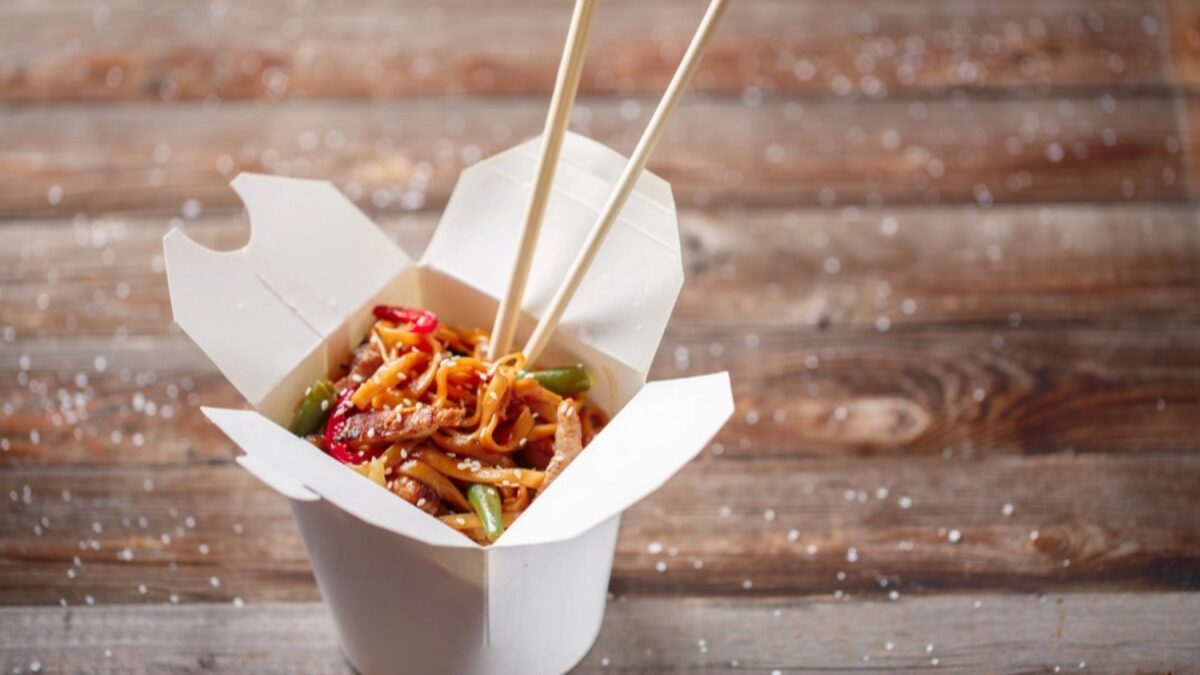
Ordering dinner can be convenient after a demanding day. But frequent restaurant purchases may become a source of tension when couples have different spending priorities.
The problem may not be takeout itself but the absence of an agreed budget. Setting an approximate monthly amount allows couples to enjoy convenience without surprising each other. Planning a few quick meals for busy evenings can also reduce the temptation to order automatically.
6. Leaving All the Cleaning to One Person
Cooking produces dishes, countertops that need cleaning, and ingredients requiring storage. When one partner prepares food and also handles every part of cleanup, the workload can become uneven.
A common arrangement is for one person to cook while the other washes dishes. Other couples prefer sharing both responsibilities.
A discussion of household labor highlights how disagreements over dishes can reflect larger concerns about fairness and responsibility. The same principle applies to food preparation.
7. Ignoring Each Other’s Dietary Needs
Food preferences aren’t always optional. Allergies, medical conditions, religious practices, and other dietary requirements can affect what someone can safely or comfortably eat.
A household meal plan should account for those needs rather than expecting one person to manage them alone. This might involve avoiding certain ingredients or preparing components separately.
Clear communication is especially important when allergies are involved. Ingredient labels and precautions against cross-contact can be necessary for safety.
8. Never Planning Dinner in Advance
Without a plan, couples may reach the evening hungry and uncertain about what to prepare. A simple question about dinner can become frustrating when both people expect the other to decide.
Weekly meal planning doesn’t require choosing elaborate recipes for every day. Listing a few practical options and keeping staple ingredients available may be enough.
The plan should remain flexible because schedules change. Its main purpose is to reduce unnecessary daily decisions.
A Better Approach to Shared Meals
Food disagreements rarely disappear simply because one person makes all the compromises. Couples benefit more from discussing preferences, responsibilities, and spending expectations openly.
No single division of cooking duties works for every household. What matters is finding an arrangement both partners understand and consider reasonable.
A shared meal can be one of the most enjoyable parts of the day. Making the work behind it fair and manageable helps preserve that experience.