A heavy hand with the salt shaker can feel like the end of dinner, but you can rescue most soups and sauces with a few smart adjustments. The trick is knowing what actually works and avoiding kitchen myths that waste time.
Almost every home cook has experienced it: a soup that suddenly tastes like seawater, a gravy that overwhelms the meal, or a sauce that went too far after a little extra seasoning. The good news is that an oversalted dish does not always need to be thrown away.
The most reliable fix is simple, reduce the salt concentration by adding more unsalted ingredients or liquid. Once the balance improves, small flavor adjustments can bring back the depth and richness the dish was supposed to have.
Start by diluting the salt
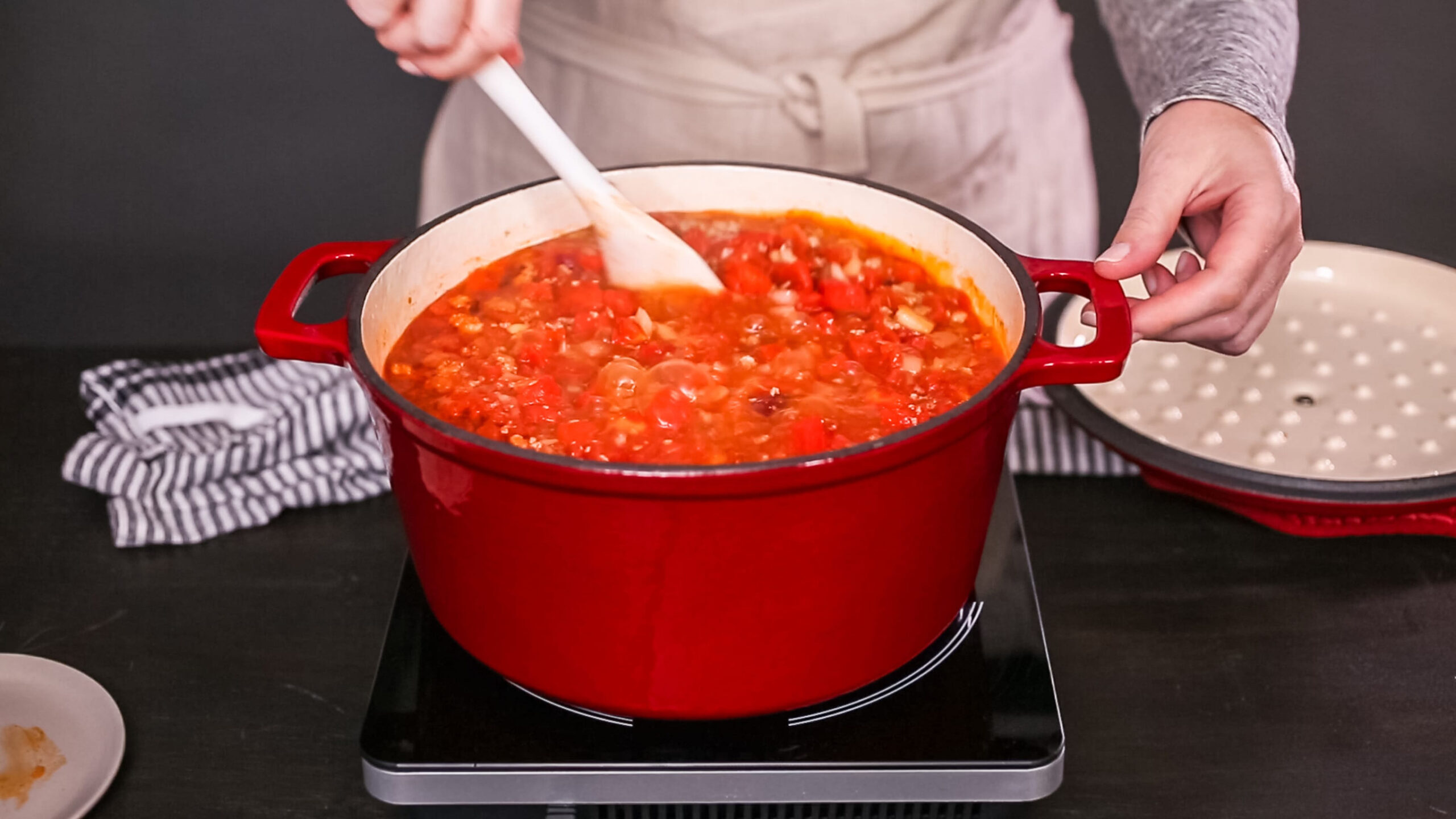
The fastest rescue method for most soups, stews, and broth-based sauces is adding more unsalted liquid. A splash of water or unsalted stock can lower the salt concentration without changing the dish too dramatically.
Add the liquid gradually, a few tablespoons at a time, then stir and taste before adding more. For soups with plenty of broth, unsalted stock is often the better choice because it adds body and flavor while correcting the salt level.
The same idea works for sauces. You can usually improve a salty gravy by whisking in unsalted stock, water, milk, cream, or an unseasoned puree. The important part is going slowly. Adding too much liquid at once can leave the dish bland and watery.
Add more unsalted ingredients to save the pot

Sometimes the best solution isn’t adding liquid, but increasing the amount of food in the dish. Unsalted cooked rice, pasta, beans, potatoes, vegetables, meat, or tomatoes can help spread the salt across more food.
This does not mean those ingredients magically pull salt out of the dish. The common idea that potatoes act like a salt sponge is misleading. They help because they add more unsalted volume, which changes the overall balance.
For example, you can often rescue a salty chicken soup by adding cooked rice, extra vegetables, and more unsalted chicken stock. The final pot becomes larger, but the saltiness per serving becomes much more manageable.
Make another batch if the dish is seriously salty
If a soup or sauce is extremely oversalted, small fixes may not be enough. The most dependable solution is to make more of the same recipe without salt and combine the two batches.
This approach works because it corrects the ratio instead of trying to cover up the problem. It takes more effort, but it often saves a dish that would otherwise be impossible to serve.
This method is especially useful for large pots of soup, chili, pasta sauce, or gravy prepared for family meals or gatherings.
Balance the flavor after fixing the salt

Once the salt level is under control, the dish may need a little help restoring its original flavor. Several ingredients can improve the overall taste, but use them carefully.
A small amount of acid, such as lemon juice, lime juice, or vinegar, can brighten a dish and reduce the harsh impression of saltiness. Start with a tiny amount, stir well, and taste before adding more. Too much acid can create a completely different problem by making the dish sour.
A touch of sweetness can also help certain recipes. Tomato sauces, barbecue sauces, chili, and some curries may benefit from a small pinch of sugar, a little honey, or naturally sweet ingredients like unsalted tomatoes. The goal is balance, not turning a savory dish into dessert.
Rich ingredients can also soften the flavor. Cream, milk, plain yogurt, coconut milk, or unsalted butter can work well in creamy soups, curries, and sauces where those flavors fit naturally.
Fix common dishes the right way
Different types of dishes need different solutions.
For soup or stew, begin with unsalted stock or water. Let it simmer briefly so the flavors combine again, then taste. If it becomes too mild, rebuild flavor with herbs, garlic, onion, spices, lemon, or fresh vegetables instead of adding more salt.
For tomato or pasta sauce, add unsalted crushed tomatoes, tomato puree, roasted vegetables, or a little water. Avoid simmering the sauce for too long after correcting it because evaporation removes water while leaving salt behind, which can make the problem return.
For gravy, thin it with unsalted stock or water first. If the texture becomes too loose, restore thickness with a starch slurry or a small amount of a flour-and-butter mixture. Extremely salty gravy is often best fixed by preparing a separate unsalted gravy base and mixing it in.
For creamy sauces and curries, try adding cream, coconut milk, plain yogurt, blended unsalted vegetables, or additional protein and vegetables that match the recipe.
Skip these common salt-fixing mistakes
One of the biggest kitchen myths is that dropping a raw potato into salty soup will remove the salt. While potatoes absorb some liquid, they do not selectively remove salt from the entire dish. They only help if they increase the amount of unsalted food.
Another mistake is reducing a salty sauce further. As water evaporates, the salt remains behind, which can make the dish taste even saltier.
Also avoid adding more salty ingredients while trying to fix the problem. Regular broth, bouillon, soy sauce, Parmesan, salted butter, olives, cured meats, and other salty additions can quickly push the dish further in the wrong direction.
Prevent the problem next time
The easiest way to fix oversalted food is to avoid oversalting in the first place. Season gradually and taste as you go, especially when using ingredients that already contain salt.
Stock, cheese, canned foods, cured meats, jarred sauces, and seasoning blends can all add more salt than expected. Remember that soups and sauces often become saltier as they cook down because water evaporates.
Adding the final amount of salt near the end of cooking gives you more control and makes it easier to adjust the flavor before serving.
A salty mistake does not have to ruin dinner. With the right correction, a soup or sauce can often come back better balanced and just as enjoyable as planned.