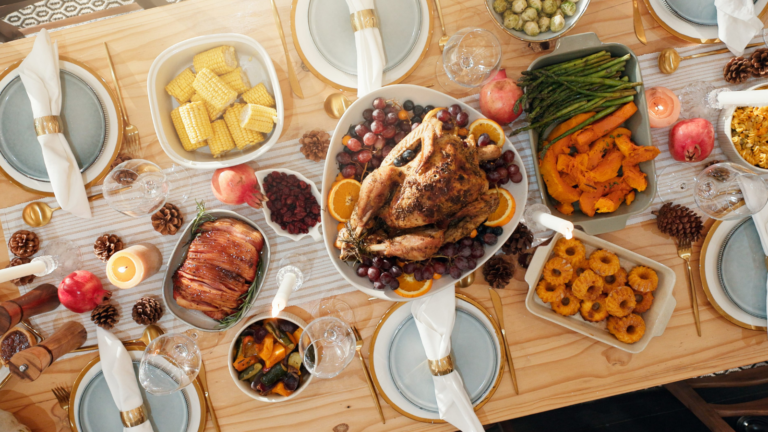
Walking up to the butcher counter should be simple. You pick your meat, ask a few questions, and head home with something delicious for dinner. But sometimes, the things customers say can make a butcher’s job harder than it needs to be.
It’s not always about rudeness. Many shoppers have misconceptions about meat freshness, quality, pricing, and preparation. With beef prices continuing to climb, understanding what you’re buying matters more than ever.
According to the USDA’s September 2026 Food Price Outlook, retail beef and veal prices were 5.9% higher in August than a year earlier. That makes it especially important to get good value at the meat counter.
Whether you’re visiting a neighborhood butcher shop or your supermarket’s meat department, here are eight things worth rethinking before your next shopping trip.
“Give Me the Brightest Red One. That’s the Freshest.”
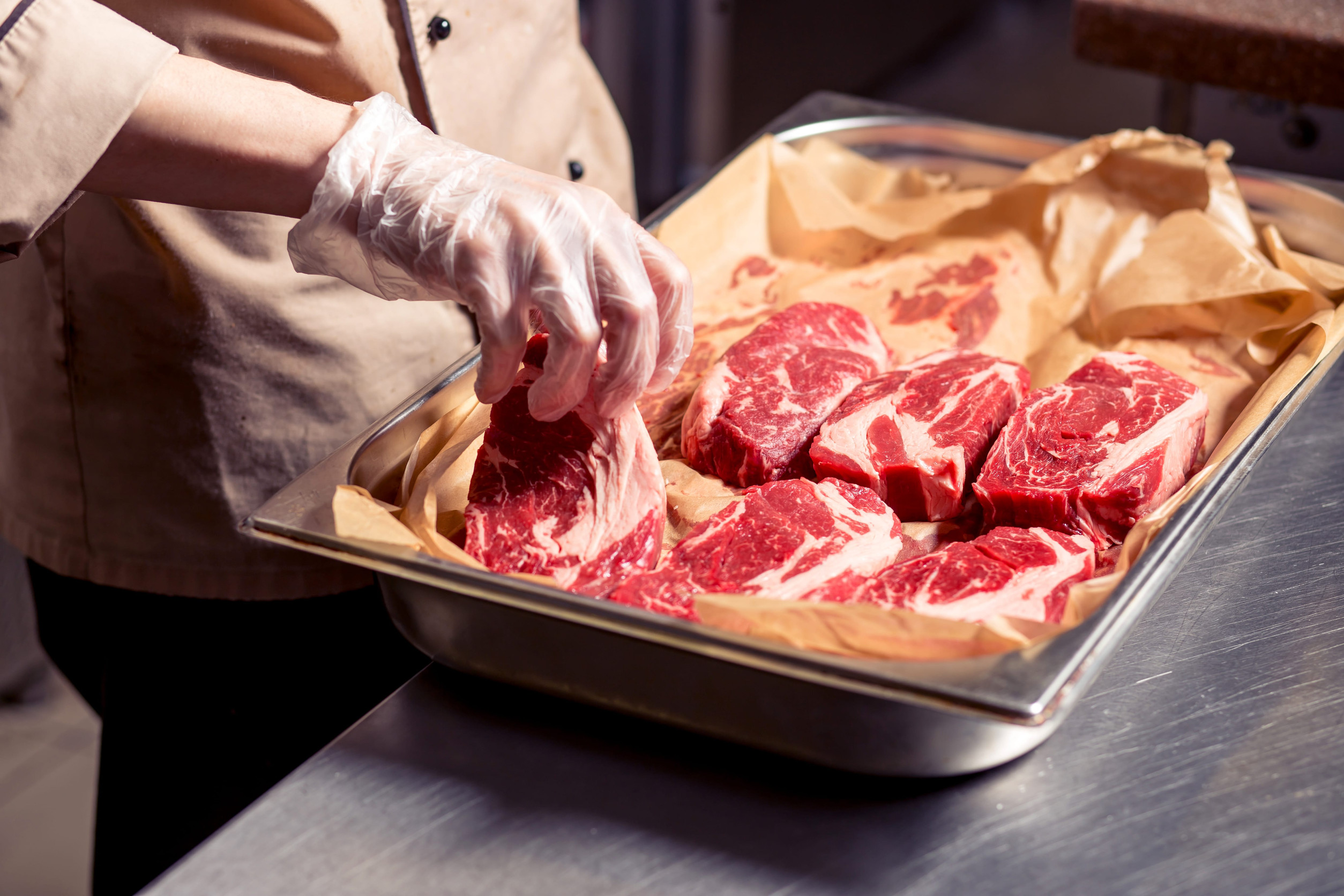
It’s easy to assume the reddest steak in the display case is the freshest. After all, bright red looks appealing, while darker meat can seem less appetizing.
But meat color isn’t quite that simple.
According to the USDA, beef gets its color from a protein called myoglobin, which changes appearance depending on oxygen exposure. Vacuum-sealed beef can look purplish-red, while beef exposed to oxygen often turns bright cherry-red.
Neither color automatically tells you which piece is fresher.
Even some browning can happen naturally without indicating spoilage.
Instead of choosing solely by color, ask your butcher about the packaging, storage, and when the meat was prepared.
A better question would be, “Can you explain the color difference and recommend the best option for dinner tonight?”
“The Sell-By Date Passed, So This Meat Is Spoiled.”

Seeing yesterday’s date on a package might make you put it back immediately. However, a sell-by date isn’t necessarily a sign that the meat has gone bad.
The USDA explains that sell-by dates primarily help stores manage inventory. They aren’t automatic food safety expiration dates.
How meat has been handled and refrigerated matters, too.
That doesn’t mean you should ignore dates or assume older meat is always safe. Improperly stored meat can become unsafe even before the date printed on its package.
If you notice an approaching sell-by date, ask whether the store offers a markdown.
You might even find a good deal on something you plan to cook right away.
Just remember that proper refrigeration and safe storage still matter more than scoring a bargain.
“All Ground Beef Is Basically the Same.”
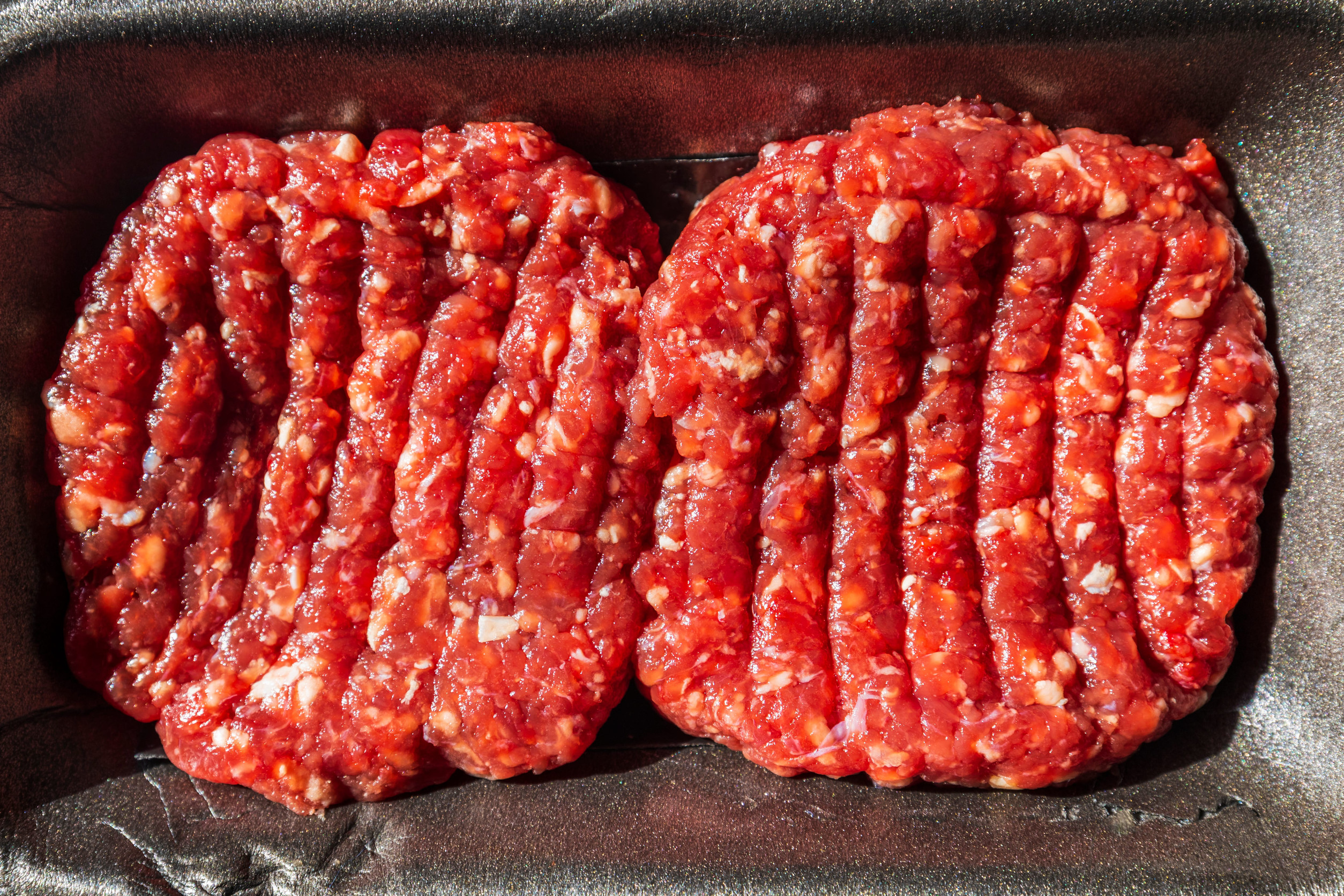
Ground beef might look similar across packages, but the differences can become obvious once you start cooking.
A leaner blend doesn’t behave the same way as one with more fat.
For example, a fattier grind may produce a richer, juicier burger, while leaner ground beef might work better for someone who prefers less grease in a meat sauce.
According to USDA guidance, ground beef and hamburger can contain up to 30% fat, though the rules for added fat differ.
Your butcher may also offer different grinds or blends depending on the store.
Rather than grabbing the first package you see, explain what you’re making.
Try asking, “What ground beef would you recommend for burgers compared with spaghetti sauce?”
That small conversation could make a noticeable difference in your finished meal.
“You Guarantee This Will Stay Fresh All Week, Right?”
Buying meat several days before cooking can seem convenient, especially when you’re planning meals for a busy week.
But expecting your butcher to guarantee freshness regardless of what happens after purchase isn’t realistic.
Once meat leaves the store, you’re responsible for its storage conditions.
USDA refrigerator guidelines recommend storing raw ground meat and poultry for only one to two days at 40°F or below. Fresh beef, pork, lamb, and veal steaks, chops, and roasts generally have a three-to-five-day refrigerator window.
Those aren’t unconditional promises, either.
If you’re shopping Monday for Sunday’s barbecue, freezing your purchase may be the smarter option.
Tell your butcher when you plan to cook and ask whether freezing makes sense.
You’ll get more useful guidance than asking for a guarantee nobody can reasonably provide.
“Frozen Meat Is Always Lower Quality.”
Some shoppers treat frozen meat like a disappointing backup option.
But frozen doesn’t automatically mean inferior.
According to USDA guidance, meat kept continuously frozen remains safe indefinitely, although its quality can gradually decline. Packaging, storage time, and freezer burn can affect how it tastes.
Freezing can also make specialty cuts easier to buy when you aren’t planning to cook them right away.
Of course, not every frozen product will taste or cook exactly like its never-frozen counterpart.
The sensible approach is to ask questions rather than dismiss it immediately.
Find out whether the meat was previously frozen, how it’s packaged, and whether freezing could affect the texture of your planned dish.
You might discover that the frozen option works perfectly well for your recipe.
Related: 5 Frozen Meals Seniors Should Avoid
“I Don’t Need the Details. Just Give Me Your Best Steak.”
Here’s a question that sounds straightforward but can leave your butcher guessing.
What exactly makes a steak the best?
For one shopper, it’s rich marbling and tenderness. For another, it’s a leaner cut that cooks quickly without costing a fortune.
Cooking method matters just as much.
A steak destined for a hot skillet needs different qualities from a cut intended for slow cooking.
Your budget also changes the recommendation.
Instead of asking for the absolute best steak, tell the butcher what you’re preparing, how many people you’re feeding, and how much you’re comfortable spending.
Something like, “I’m cooking steak for two in a skillet, and I’d like to spend under $30,” gives the butcher something useful to work with.
The best choice isn’t always the most expensive one.
Related: Chicago Stole New York’s Steakhouse Crown And Meat Lovers Are Booking Flights to the Windy City
“The Supermarket Charges Less, So You’re Ripping Me Off.”
Nobody enjoys paying more than necessary, especially when grocery bills already feel expensive.
But accusing a butcher of overcharging without a fair comparison can create unnecessary tension.
Two steaks might look similar while differing in USDA grade, marbling, trimming, and preparation.
Labor and sourcing costs can also influence pricing.
That doesn’t mean a more expensive cut is automatically better, or that independent butcher shops always provide superior products. Supermarket meat departments can also offer excellent service and knowledgeable professionals.
If you spot a price difference, simply ask what’s behind it.
You can also share your budget and ask for a comparable, less expensive alternative.
Most importantly, compare equivalent cuts and grades before deciding whether you’re getting good value.
“Trim Out All Those White Streaks.”
Not everyone enjoys fatty meat, and asking a butcher to remove excess exterior fat is perfectly reasonable.
However, there’s an important difference between outside fat and the thin white streaks running throughout a steak.
Those internal streaks are called marbling.
According to the USDA, marbling is one of the characteristics used to grade beef quality, including Prime, Choice, and Select.
Unlike an exterior fat cap, marbling is distributed within the muscle. A butcher can’t simply trim it all away while leaving the steak intact.
If you prefer leaner meat, asking for a different cut or grade is often more practical.
You can still request exterior fat trimming where the shop offers that service.
The goal is to describe what you enjoy rather than request something that isn’t physically practical.
Ultimately, your butcher can be one of the most useful people to talk to during a grocery trip. A few thoughtful questions about cuts, prices, cooking methods, and storage can help you shop more confidently and bring home meat that better suits your dinner plans.
Other Posts You May Like
- 10 Foods You Should Never Wash, According to Food-Safety Experts
- 7 Items You Should Never Buy at the Grocery Store