Single-serve coffee makers sound like the perfect solution for busy mornings. Pop in a pod, press a button, and enjoy a fresh cup of coffee without measuring grounds or cleaning a messy filter. What’s not to love?
Apparently, quite a few things.
According to the National Coffee Association’s Spring 2026 findings, 85% of Americans who drank coffee the previous day enjoyed it at home, while 28% used a single-cup brewer. It’s easy to understand why these convenient machines have become popular.
But convenience comes with trade-offs. From expensive coffee pods to frustrating maintenance routines, single-serve machines have drawbacks that aren’t always obvious until you’ve been using one for months.
Before giving up your traditional coffee maker, here are seven disadvantages worth considering.
Coffee Pods Can Get Surprisingly Expensive
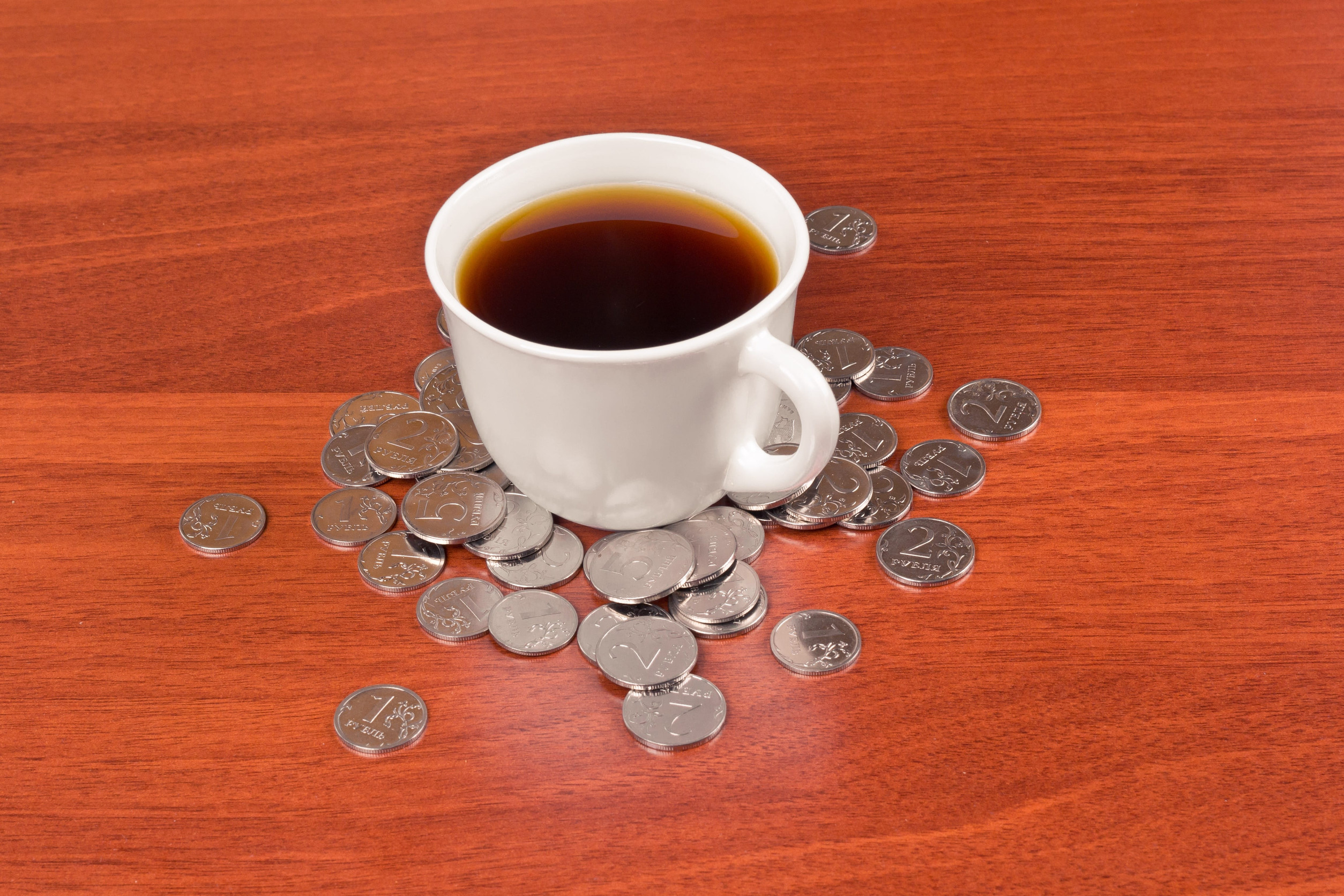
That little coffee pod might look harmless, but buying hundreds of them throughout the year can seriously increase your coffee budget.
Consider Folgers Classic Roast. Target listed a 24-count box of K-Cups for $15.69, putting each serving at about 65 cents. Meanwhile, a 25.9-ounce container of Folgers ground coffee cost $14.39.
Using 13 grams of ground coffee per 8 ounces of brewing water, the traditional option works out to approximately 25 cents per serving.
Now imagine drinking two cups daily.
You could spend around $477 annually on those Folgers pods compared with $186 using the ground coffee. That’s roughly $291 more for the convenience of pressing a button.
Nespresso Melozio capsules cost even more in the checked listing, at $1.40 per serving.
Of course, prices vary, and brewing strength matters. However, if saving money is a priority, traditional coffee makers deserve a second look.
Disposable Pods Create More Packaging Waste
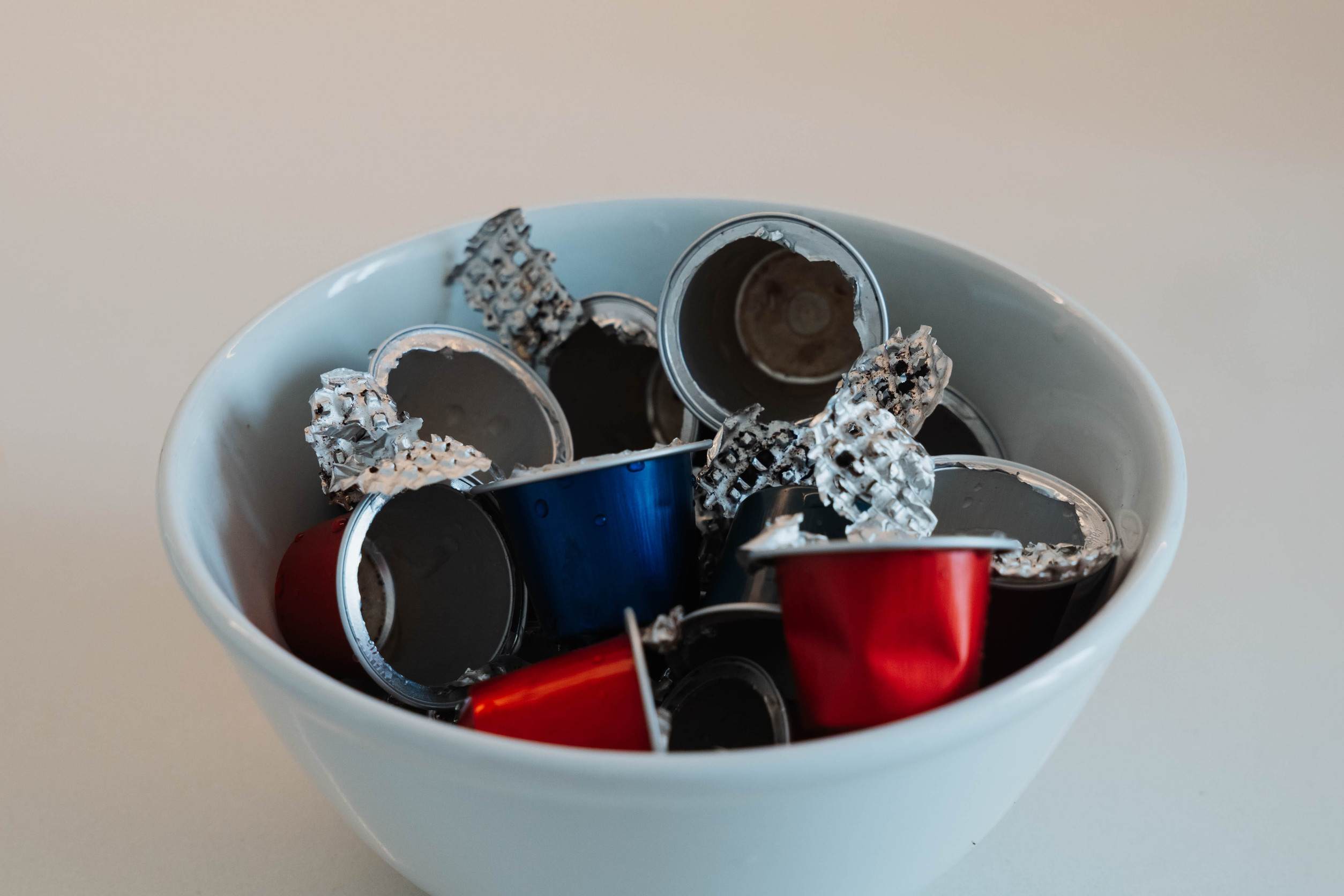
One coffee pod doesn’t seem like much garbage. Unfortunately, those little containers add up quickly.
Someone who drinks two cups daily goes through about 730 pods a year. That’s 730 individual pieces of packaging to dispose of.
And here’s where things get complicated.
Not every recycling program accepts used coffee pods, even when their materials are technically recyclable. Some require special collection programs, while others need additional preparation before disposal.
Nespresso offers a free recycling-bag program with UPS returns for customers in the continental United States. However, that still means collecting used capsules and arranging their return.
In 2024, the Securities and Exchange Commission also penalized Keurig over inadequate disclosures concerning recycling companies’ concerns about accepting its pods.
The practical lesson? Don’t assume a recycling symbol means your local collection service will take your capsules.
If reducing disposable packaging matters to you, a reusable coffee filter could be a better option.
You Have Less Control Over Your Coffee
Coffee enthusiasts know that making a great cup involves more than pouring hot water over grounds.
Coffee variety, grind size, amount used, and brewing method can all affect the final flavor.
Unfortunately, disposable coffee pods make some of those decisions before you even open the package.
With sealed capsules, the coffee dose and grind are already determined. You can choose from available varieties and sometimes adjust brewing strength, but you can’t fully customize what’s inside.
Nespresso Vertuo machines, for example, use capsule barcodes to automatically control several brewing settings.
That’s convenient if you want consistent results, but less appealing if you enjoy experimenting.
The good news is that some Keurig machines support reusable filters, so you can use your favorite ground coffee.
Before purchasing any machine, check which pods it accepts and how much brewing control it actually provides.
Cleaning and Maintenance Are Still Necessary
One major selling point of single-serve machines is how little effort they require.
Unfortunately, that doesn’t mean they’re maintenance-free.
Coffee residue, mineral deposits, and everyday use can affect performance. You still need to clean water reservoirs and drip trays, and many machines require periodic descaling.
According to the Keurig K-Express instructions, descaling is recommended about every three months or when the machine signals it’s needed.
Nespresso similarly recommends descaling every three months or after 300 capsules, whichever comes first.
Then there’s the expense.
A Nespresso descaling kit was listed at $10.99 for two treatments, while a 14-ounce bottle of Keurig descaling solution was priced at $13.99 at Smith’s.
Neither expense is enormous, but regular maintenance adds another task and potentially another cost to your coffee routine.
Traditional drip machines need cleaning, too. The important point is that buying a pod machine doesn’t eliminate the responsibility.
Freshness and Flavor Options Can Feel Limited
Grinding fresh coffee beans just before brewing can be satisfying.
The aroma fills the kitchen, and you can adjust the grind and coffee quantity until you get the flavor you want.
Disposable coffee pods don’t offer quite the same experience.
Because the coffee is already ground and sealed, you cannot grind it immediately before brewing or alter its original grind size.
That doesn’t automatically make capsule coffee inferior.
A 2024 study examining packaged coffee pods found that storage conditions affected certain chemical characteristics, although the tested coffees generally remained acceptable to consumers after 180 days at 25°C.
Sealed capsules can preserve coffee successfully, but they limit your ability to experiment with freshness.
If you enjoy trying beans from local roasters or changing your brewing recipe, a grinder and traditional brewer may give you more freedom.
Related: 6 Classic Kitchen Gadgets That Define Generational Cooking
Repairs Can Be Frustrating and Costly
Imagine waking up, inserting your favorite coffee pod, and discovering that your machine refuses to brew.
Not exactly the morning you planned.
Some single-serve machines can develop problems involving blocked needles, mineral buildup, or interrupted water flow.
Fortunately, certain issues can be resolved through cleaning and troubleshooting.
However, internal repairs are another story.
Keurig’s K-Express instructions state that the appliance isn’t designed for user servicing beyond recommended cleaning and maintenance.
The machine comes with a one-year limited warranty, but an out-of-warranty problem may leave you deciding whether repair is worthwhile.
For perspective, a K-Express was listed at $109.99, while a K-Mini Mate cost $79.99.
These prices don’t prove that pod machines break more often than traditional brewers. They simply show why replacement costs are worth considering.
Keep your receipt, follow the maintenance instructions, and contact customer support before assuming a malfunctioning machine needs replacing
Related: The 10 Dirtiest Places in Your Home (and Exactly How We Clean Them Properly)
Making Coffee for Several People Takes More Effort
Single-serve coffee makers are fantastic when you’re making coffee for yourself.
But what happens when six relatives arrive for breakfast, and everyone wants a cup?
Suddenly, that convenient little machine becomes a one-person coffee station.
You’ll need to insert a pod, brew a serving, remove the used pod, and repeat the process for each person.
Some machines, including the K-Express, support back-to-back brewing without waiting to reheat. Still, each drink requires its own brewing cycle.
A traditional carafe machine can be more practical when several people want coffee at once.
For example, a 60-ounce carafe has enough nominal capacity for six 8-ounce servings in one batch.
Of course, single-serve machines make sense when household members drink coffee at different times or prefer different varieties.
If your kitchen regularly serves a crowd, however, a carafe brewer or hybrid machine such as the Keurig K-Duo may be a smarter choice.
Is a Single-Serve Coffee Maker Really Worth It?
Single-serve coffee makers aren’t necessarily bad purchases. They’re convenient, easy to operate, and useful for households where everyone prefers a different coffee.
However, the ongoing cost of pods, packaging disposal, limited customization, and maintenance can make them less attractive than they seem.
Before buying one, consider how much coffee you drink, how many people you’re serving, and whether convenience outweighs the extra cost.
After all, the best coffee maker isn’t necessarily the one with the fanciest buttons. It’s the one that makes your mornings easier without making your wallet miserable.
Other Posts You May Like
- How to Clean a Keurig Coffee Maker and Remove Scale Buildup
- 10 Things You Should Never Plug Into a Power Strip, According to Fire Safety Experts