Summer has a way of making spending feel urgent. The patio looks empty, the beach bag looks tired, the kids need school supplies soon, and the old air conditioner suddenly sounds like it is losing a fight with July. Retailers know this mood well, so they price many warm-weather items for convenience, not savings.
The smartest summer shoppers do not stop buying. We simply stop buying at the wrong moment. Many seasonal products reach their peak demand in June and July, then slide into markdown territory as stores need shelf space for fall, back-to-school, and holiday inventory. These are the summer purchases we should avoid at full price, especially when waiting a few weeks can keep more cash in our pockets.
Outdoor Furniture That Looks Best Right Before Prices Fall
Patio sets, Adirondack chairs, outdoor sectionals, umbrellas, and fire pit tables can make a backyard feel like a private resort. The problem is timing. Early summer is when everyone wants the same upgrade, so retailers have little reason to slash prices on the best-looking pieces. We pay more because we are shopping at the emotional peak of backyard season.
A better move is to inspect what we already own, replace only what is broken, and wait for deeper clearance as summer moves toward late August and Labor Day. Stores do not want bulky outdoor furniture taking up space when fall merchandise arrives. Memorial Day can bring early discounts on patio furniture and grills, but deeper pressure often builds later in the season as retailers clear remaining stock.
Grills That Cost More When Everyone Wants to Cook Outside

A grill feels like a summer necessity, especially when every weekend suddenly smells like burgers, ribs, and corn on the cob. That demand gives retailers leverage. Gas grills, pellet grills, charcoal grills, and outdoor cooking accessories are often heavily promoted at the start of summer, but a sale sign does not always mean the lowest price of the season.
Unless the old grill is unsafe, we should avoid rushing into a full-price upgrade in June or July. Late summer can be a stronger buying window because stores need room for fall inventory, and shoppers become less obsessed with outdoor cooking. The same logic applies to grill covers, smoker boxes, utensil sets, and replacement parts. Buying after peak grilling excitement often gets us the same backyard setup for far less.
Laptops, Tablets, and Tech Bought Between Better Sale Windows
Summer can be a dangerous time to buy electronics without a plan. Laptops, tablets, headphones, monitors, printers, and phones often sit between major discount cycles, especially if we buy simply because a college semester or work project is approaching. We may see decent promotions, but decent is not the same as strategic.
For 2026, Amazon has confirmed that Prime Day will take place in June in the United States and several other countries, changing the usual July shopping rhythm for many tech buyers. Back-to-school promotions and Labor Day sales can also bring competitive prices on laptops and accessories. Before we buy any major device in the summer, we should check whether a larger sale event is days or weeks away.
Outdoor Gear at the Peak of Adventure Season
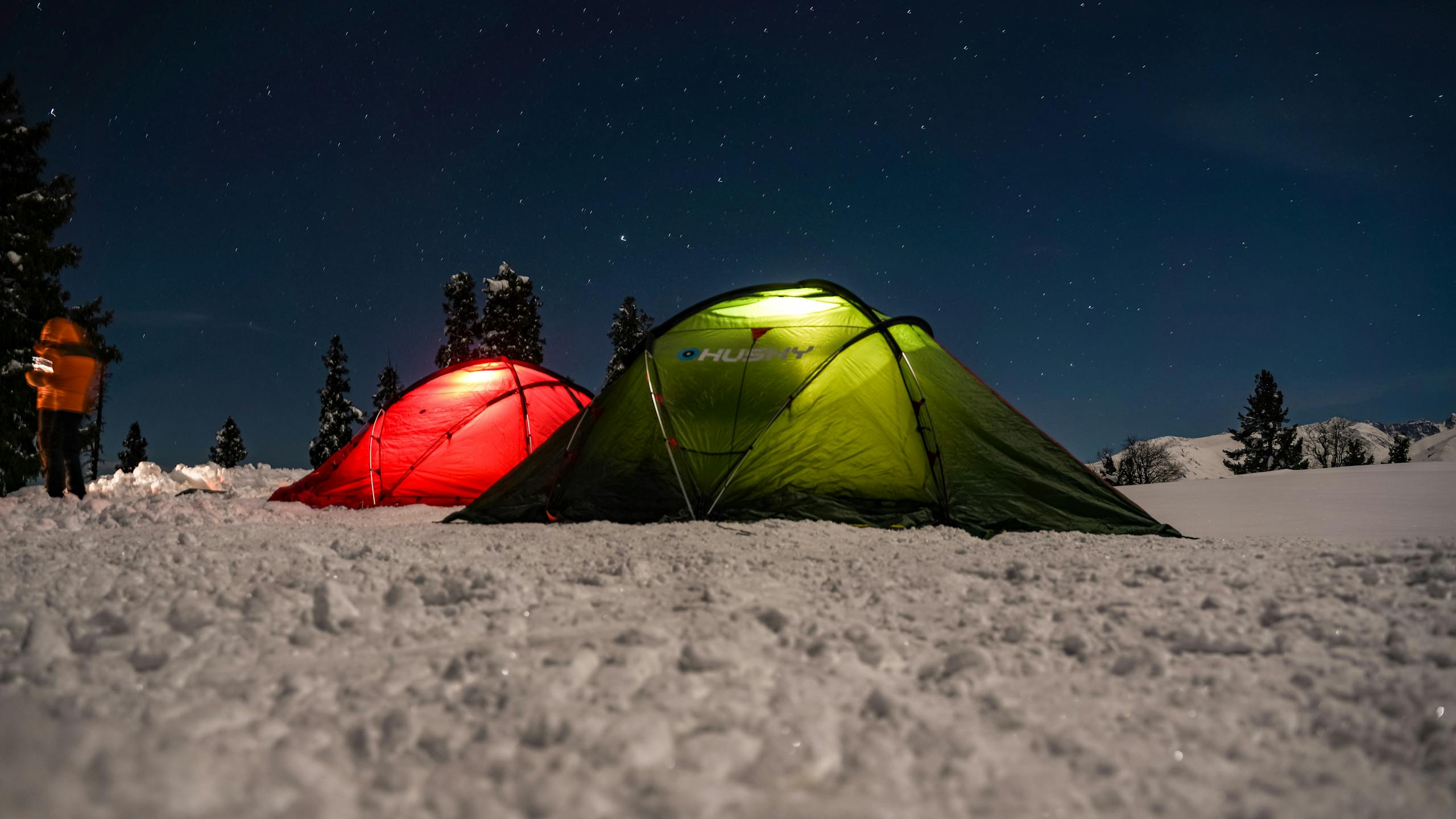
Camping tents, kayaks, paddleboards, hiking packs, fishing gear, coolers, and bicycles look most tempting when the weather invites us outside. Retailers understand that outdoor dreams are strongest in summer. That is why popular models can hold their price during June and July, especially when families are planning road trips, beach weekends, and camping escapes.
Waiting until late summer or early fall can make a major difference. Stores need space for hunting gear, cold-weather apparel, holiday inventory, and next-season models. We should rent, borrow, or buy used if we need gear for one trip, then shop clearance later for items we will use repeatedly. That approach separates one-time excitement from long-term value.
Sunglasses That Ride the Same Summer Markup Wave
Sunglasses feel small, but a full-price pair can still hurt the budget, especially when designer frames are involved. Summer gives sunglasses their strongest retail spotlight. People lose pairs at the beach, leave them in rental cars, scratch them in bags, and replace them quickly without a second thought.
We should avoid buying expensive sunglasses just because they are displayed near the checkout or promoted as a beach essential. Late-season discounts can make premium frames more affordable, and outlet sections often improve as summer inventory ages. For everyday use, polarized protection matters more than a trendy logo. A smart shopper pays for durability and lens quality, not summer panic.
Summer Home Decor That Will Look Cheaper After the Holiday
Summer decor can be charming, but it rarely deserves full price. Beach signs, lemon-print towels, patriotic pillows, Fourth of July wreaths, picnic-themed tableware, and bright seasonal candles all follow a predictable cycle. They look freshest before the holiday or early in the season, then lose retail value quickly once the calendar moves on.
The better move is to shop for next summer at the end of this one. We can grab classic pieces after the holiday rush and store them for later. This works best with neutral outdoor pillows, simple lanterns, reusable serving trays, cotton table linens, and decor that does not scream a specific year. Seasonal style becomes much cheaper when we stop demanding it at the exact moment everyone else wants it.
Indoor Furniture Before Late-Summer and Holiday Promotions

Indoor furniture may not feel like a summer purchase, but many shoppers use summer moves, home projects, and hosting plans as an excuse to upgrade. Sofas, dining tables, mattresses, bed frames, accent chairs, desks, and storage pieces can be expensive when bought without tracking sale cycles. A showroom discount may still leave plenty of room for a better deal later.
Furniture retailers often use holiday weekends and seasonal transitions to move inventory. NerdWallet’s shopping guide lists furniture among notable May buys and points shoppers toward month-by-month timing for major purchases.
If we do not need a couch immediately, waiting until late summer, Labor Day, Black Friday, or the end of the year can yield stronger pricing and more room to negotiate delivery or assembly fees.
Handbags and Accessories During Midseason Rotation
Handbags, wallets, belts, scarves, jewelry, and small accessories move through fashion cycles quickly. Summer collections often start losing shelf priority when fall lines arrive, even though many pieces still work year-round. This creates a useful opening for shoppers who prefer classic style over trend chasing.
We should look for structured bags, neutral leather, simple hardware, and versatile colors that can move from summer to fall without looking seasonal. Trend-heavy straw bags, neon pieces, and vacation-only accessories need deeper discounts to make sense. A timeless handbag at midseason clearance can last for years. A full-price impulse bag may feel old before the next season starts.
Small Kitchen Appliances Before Cyber Monday Season
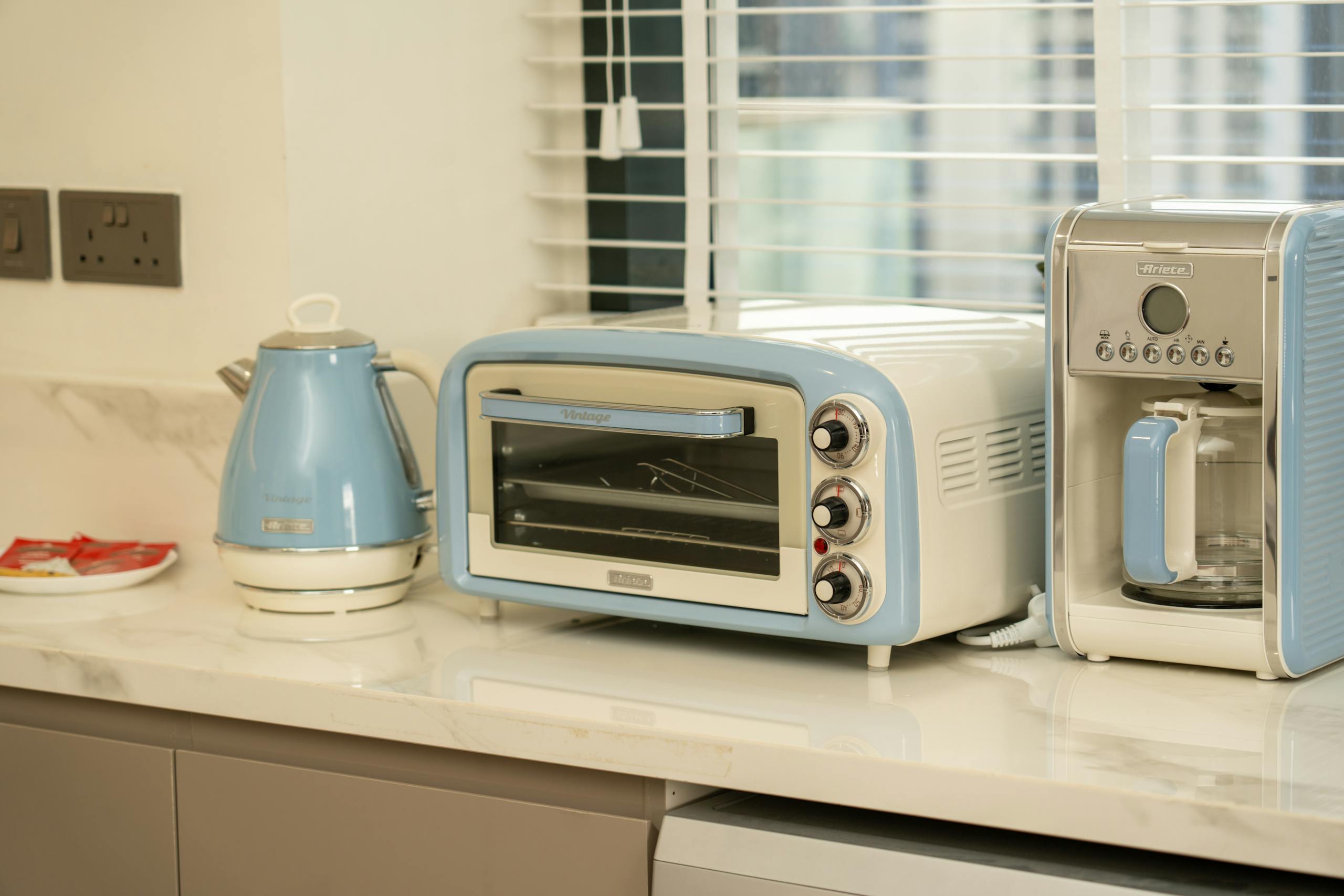
Air fryers, coffee makers, blenders, stand mixers, food processors, toaster ovens, and ice cream makers are easy summer impulse buys. We imagine smoothies, iced coffee, backyard snacks, and quick meals. Retailers know that kitchen gadgets sell well when people want easier routines.
Still, summer is not always the best time to buy small appliances. NerdWallet’s monthly buying guide notes that Cyber Monday is often a strong moment for small kitchen appliances, including air fryers, stand mixers, blenders, and coffee machines.
Unless we need the appliance immediately, we should wait for bigger online sale periods and compare bundle deals, coupon codes, and warranty coverage.
Bicycles Bought Before Shops Need Floor Space
Bikes are most exciting when the weather is perfect. That makes summer a tough time to negotiate. Families shop for kids’ bikes, commuters look for e-bikes, and casual riders finally decide to replace the rusty garage model. Popular sizes and colors can move quickly, which keeps prices firmer.
Late summer and early fall can improve our chances of finding better deals because shops need room for new models and cold-weather equipment. We should also consider tune-up costs, helmets, locks, lights, racks, and replacement tubes before judging the real price of a bike. A discounted bicycle with expensive add-ons may not beat a better-equipped model at a slightly higher sticker price.
Conclusion
The best summer deal is not always the loudest one. It is the purchase that matches real need, good timing, and a fair total cost. A bright sale banner can still hide a weak discount, especially during peak demand for outdoor furniture, grills, swimwear, luggage, cooling products, and summer gear.
We save more when we think one season ahead. Buy swimwear when summer is winding down. Buy winter clothing when nobody wants to touch a coat. Watch tech around Prime Day, back-to-school, and holiday sale windows. Let retailers chase our dollars instead of letting summer urgency chase us into full-price mistakes.