Grocery shelves have quietly filled with allulose since 2019, when regulators first agreed to treat the rare sugar differently on paper than the label suggests. That gap between regulation and marketing copy now sits at the center of a wave of litigation reaching yogurt, protein bars, energy drinks and cereal.
The allulose gap that started it all
Allulose occurs naturally in small amounts in figs and raisins, though the version used in packaged food is produced through enzymatic conversion for commercial manufacturing.
Under federal law, it is also classified as a monosaccharide, the same broad category that includes glucose and fructose.
The Food and Drug Administration broke from that classification in April 2019, issuing draft guidance that let manufacturers exclude allulose from Total Sugars and Added Sugars listings.
The agency finalized that position in October 2020, explicitly framing it as enforcement discretion rather than a formal rule, pending further rulemaking that has still not concluded.
Judges revive the Chobani case after FDA weighs in
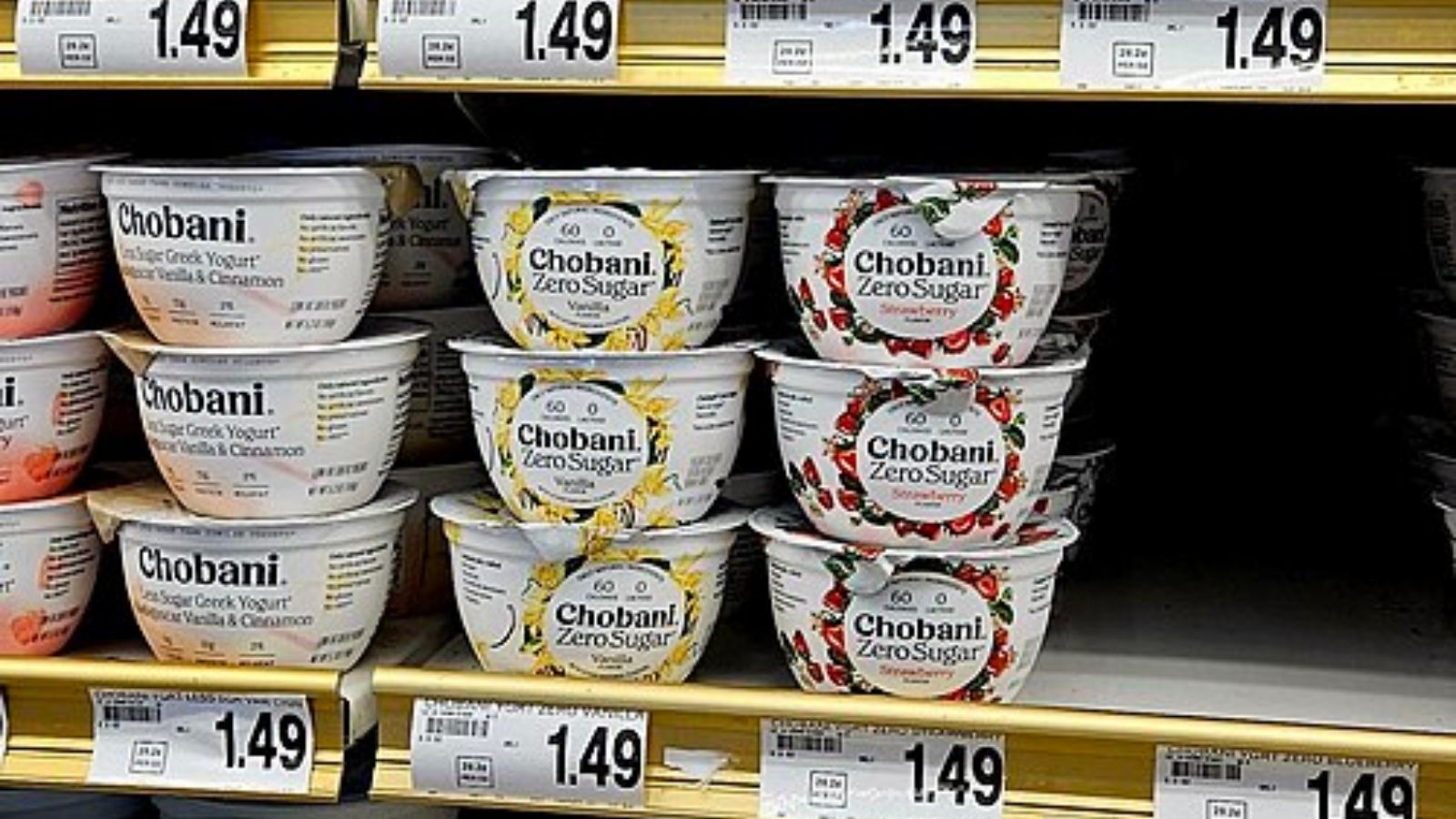
On July 27, the Seventh Circuit reversed a lower court dismissal in Franco v. Chobani, No. 25-2087, clearing named plaintiffs Jason and Abigail Franco to pursue claims that Chobani’s Zero Sugar yogurt misled them. The couple says they bought the product at a Costco in Oak Brook, Illinois, in 2023, and would have skipped it or paid less had they known each serving contained four grams of allulose.
Writing for the panel, Judge Kirsch found that an FDA amicus brief undercut Chobani’s defense, noting the agency’s brief is thorough and its reasoning is valid. The ruling sends the case back to the district court, where Chobani must now face discovery instead of an early exit.
The Francos originally sued under dozens of state consumer protection statutes rather than a single federal claim. This strategy has become common in food labeling suits precisely because it gives plaintiffs several legal paths if one state’s law proves harder to satisfy than another.
A decade-long fight over what counts as sugar
Chobani leaned on the FDA’s 2020 guidance as a shield, arguing the agency had effectively blessed allulose exclusion while formal rulemaking stayed pending, a process opened in 2019 and still unresolved six years later.
The Seventh Circuit rejected that shield, holding that federal regulation 21 C.F.R. 101.9(c)(6)(ii), which defines sugar to include all monosaccharides, was never superseded by informal agency guidance.
That distinction between binding regulation and non-binding guidance is now the throughline running through nearly every allulose lawsuit moving through federal courts this year, according to food law analysis published after the ruling.
The docket is spreading past one yogurt brand.
By late August, the litigation had moved well beyond Chobani. Trade outlet Nosh reported that David Protein and Liquid Death each face proposed class actions over allulose-sweetened products marketed as zero sugar, with Liquid Death fighting two separate suits tied to its energy drinks.
Two of those filings landed on the same day and named specific brands. On August 24, California resident James Williamson sued Liquid Death’s parent company in the Northern District of California (case number 3:26-cv-08839-AGT), alleging its Sparkling Energy cans carry a 0g Sugar claim while allulose sits second on the ingredient list in all four flavors.
That same day, WK Kellogg faced a proposed class action in the Central District of California over Special K cereals advertised as zero added sugar despite allulose syrup in the formula, according to Law360.
A pesticide ruling could still complicate the picture
Food lawyers are also watching a case unrelated to sugar. In June, the Supreme Court ruled in Monsanto Co. v. Durnell that federal pesticide law can preempt certain state lawsuits when a federal agency reviewed and specifically declined to require the warning plaintiffs wanted on a label.
Chobani’s legal strategy relies on federal preemption, hoping that the FDA’s regulatory guidance on allulose will protect it from state-level consumer deception lawsuits. This strategy directly mirrors how Monsanto historically used the EPA scientific reviews and approved product labels to shield itself by arguing that federal agency actions preempted state-law failure-to-warn claims.
Whether that argument survives contact with a food labeling statute built differently from federal pesticide law remains untested.
Discovery, not a verdict, decides what happens next
None of the revived cases have reached a jury. The Seventh Circuit’s ruling means Chobani must turn over internal records and face fact-finding on whether real shoppers were misled at scale, a bar that food labeling class actions frequently fail to clear once discovery begins.
Settlements, quiet label changes or dismissals after discovery all remain plausible outcomes. Companies facing similar suits are watching Chobani’s case for a signal before deciding whether to fight or reformulate.
For now, four grams on a nutrition panel are enough to separate a product called zero sugar from one a court might call something else entirely.