Some recipes disappear because they were never that good. Others simply get pushed aside when something quicker and easier comes along. Boiled salad dressing belongs in that second category, and its story is worth revisiting.
Long before grocery store shelves were packed with ranch, creamy Italian, and countless bottled dressing varieties, home cooks had another way to give their salads a little personality.
It involved eggs, vinegar, mustard, sugar, and a saucepan.
Known as boiled salad dressing, or sometimes cooked salad dressing, this old-fashioned condiment appeared in American recipes throughout the 1940s. It was tangy, creamy, and surprisingly versatile.
You probably won’t find a jar labeled “boiled dressing” next to your favorite ranch today, but this homemade classic hasn’t completely disappeared.
What Exactly Was Boiled Salad Dressing?
Despite its rather unappetizing name, boiled salad dressing was anything but plain.
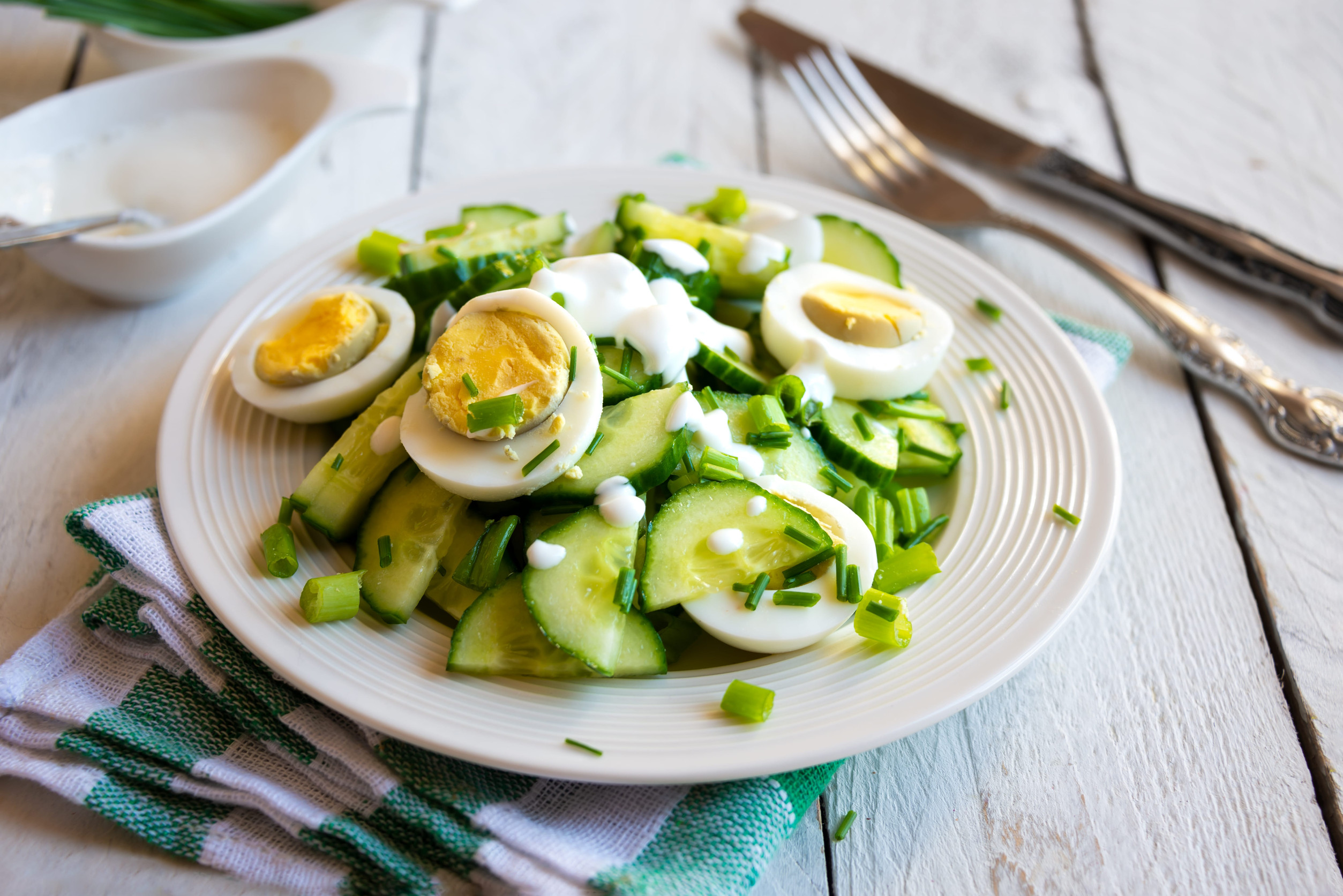
The traditional preparation combined eggs, vinegar, sugar, salt, and mustard. Some recipes also added milk, cream, butter, or flour to make it thicker and richer.
Unlike mayonnaise, which gets much of its texture from emulsified oil, boiled dressing could develop its creaminess through gentle cooking.
And here’s the funny part: The dressing didn’t necessarily have to boil.
Many recipes instructed cooks to heat the ingredients slowly, often using a double boiler, until the mixture thickened.
The result was a smooth, tangy dressing with a little sweetness and a noticeable mustard kick.
In fact, Garden & Gun once compared its flavor to a marriage between hollandaise sauce and vinaigrette.
That’s a pretty impressive description for something with such an ordinary name.
It Was Already Old-Fashioned in the 1940s
While boiled salad dressing is closely associated with vintage American cooking, it wasn’t invented during the 1940s.
Its history stretches back much further.
According to the culinary reference site CooksInfo, boiled dressing appeared in Britain and North America during the 1800s.
Historical cookbooks also show how the recipe traveled through generations.
A 1900 North Carolina church cookbook featured an early version, while a 1921 Atlanta Woman’s Club cookbook included another example.
By the 1940s, Americans were still preparing the dressing at home.
One particularly interesting example appeared in the April 26, 1946, edition of the Greenbelt Cooperator, a Maryland newspaper.
The recipe used eggs, vinegar, sugar, salt, and mustard. After cooking the mixture until thick, readers were instructed to let it cool before combining it with sour cream.
The recipe appeared alongside other dishes intended to encourage food conservation during the postwar period.
Clearly, this wasn’t just something pulled from a grandmother’s handwritten recipe box decades later. It was part of the cooking conversation then.
It Wasn’t Just for Green Salads
Here’s where boiled dressing becomes more interesting.
Despite its name, it wasn’t limited to drizzling over lettuce.
A June 13, 1946, edition of The Dade County Times included a cabbage-and-carrot salad recipe that served 50 people.
The ingredient list called for an entire quart of boiled salad dressing.
Imagine preparing enough coleslaw to feed a church gathering and reaching for a homemade cooked dressing instead of a giant container of mayonnaise.
The same newspaper column also featured a horseradish sauce that combined boiled dressing with sour cream and horseradish.
That sauce accompanied ham loaf, showing how useful the dressing could be beyond ordinary salads.
Later Southern cooking traditions also connected boiled dressing with potato salad, pimento cheese, and other familiar dishes.
It was essentially a flexible kitchen staple rather than a single-purpose condiment.
The Surprising Connection to Miracle Whip
Think boiled dressing has nothing to do with what sits in modern refrigerators?
Think again.
One of America’s familiar sandwich spreads has a historical connection to this forgotten recipe.
In July 1948, a Better Homes & Gardens advertisement described Miracle Whip as combining “zesty boiled dressing and fine mayonnaise.”
That’s right. The old-fashioned cooked dressing was familiar enough to appear in advertising for a major commercial product.
Of course, that doesn’t mean Miracle Whip and homemade boiled dressing are identical.
Traditional boiled dressing generally involved cooking an egg-and-vinegar mixture, while Miracle Whip was marketed as a prepared commercial dressing.
Still, the connection is fascinating.
A flavor associated with yesterday’s homemade salads helped shape the way a familiar supermarket product was promoted.
And unlike homemade boiled dressing, Miracle Whip remains available today.
Related: 7 Best Things to Put in a Salad for Flavor and Nutrition
Why Did People Stop Making It?
No one knows exactly when boiled salad dressing suddenly fell out of fashion.
Instead, its reduced visibility seems tied to a broader shift in American kitchens.
As commercially prepared mayonnaise and bottled dressings became easier to buy, there was less practical reason to make dressing from scratch.
Consider the difference.
Making boiled dressing meant measuring ingredients, cooking them carefully, stirring until thickened, and allowing the mixture to cool.
Buying dressing meant opening a jar.
For convenience, the choice was understandable.
Food history also shows how the bottled dressing business expanded during the mid-20th century.
For example, Ken’s Steak House opened in Massachusetts in 1941, and its founders began bottling dressing for sale in 1958.
That doesn’t prove bottled dressings single-handedly displaced boiled dressing, but it illustrates how convenient alternatives became an increasingly visible part of American food culture.
The homemade recipe didn’t vanish overnight. It simply became less prominent as supermarket choices expanded.
Can You Still Make This Dressing Today?
Absolutely, and you don’t need to uncover a dusty cookbook to find instructions.
Modern versions are still available in publications such as Yankee Magazine, Deep South Dish, and The Kitchen Whisperer.
The recipes differ, which is part of the charm.
Some use evaporated milk and cream. Others incorporate butter, flour, water, or celery seed.
For anyone interested in recreating the flavor, the basic approach is straightforward: combine the ingredients in a tested recipe, heat gently while stirring until thickened, and follow its cooling and storage directions.
Because the dressing contains eggs and sometimes dairy, it’s better to use a tested modern recipe with clear cooking and refrigeration instructions than to guess from an incomplete historical one.
Once prepared, try it with coleslaw or potato salad, two dishes closely associated with the dressing’s culinary history.
You might discover why earlier generations kept returning to it.
Maybe This Old Dressing Deserves Another Chance
Not every vintage recipe needs a comeback. Some are simply interesting reminders of how differently people once cooked.
But boiled salad dressing has something going for it.
It’s made from familiar ingredients, offers a distinctive sweet-and-tangy flavor, and works in more than one dish.
Most importantly, it represents a time when even something as simple as salad dressing could involve a little kitchen creativity.
So next time you reach for your usual bottled favorite, consider trying this overlooked classic.
Sometimes the most interesting thing you can bring back to the dinner table isn’t a new recipe. It’s one that has been waiting generations to be rediscovered.
Other Posts You May Like
- The Salad That Gets Better Overnight and It’s the Smartest Thing You Can Make This Week
- 9 Best Salad Ingredients You Need to Try for the Ultimate Salad Experience