Artificial intelligence feels weightless when we use it. We type a question, wait a few seconds, and receive a polished answer, image, plan, or summary that once required hours of human work. That smooth experience masks a bigger truth: AI’s real damage emerges when billions of tiny digital actions are stacked into one global machine. One person using AI for a project is harmless. Millions of people using AI at scale can impose serious environmental, social, and cognitive costs.
AI is not a cartoon villain waiting to destroy humanity overnight. Its danger lies in hidden scale, waste, reliance, and subtle shifts in learning, trust, and fairness. Here are seven ways AI is quietly harming our world and why your everyday prompt may be part of a much larger problem.
Massive Energy Consumption
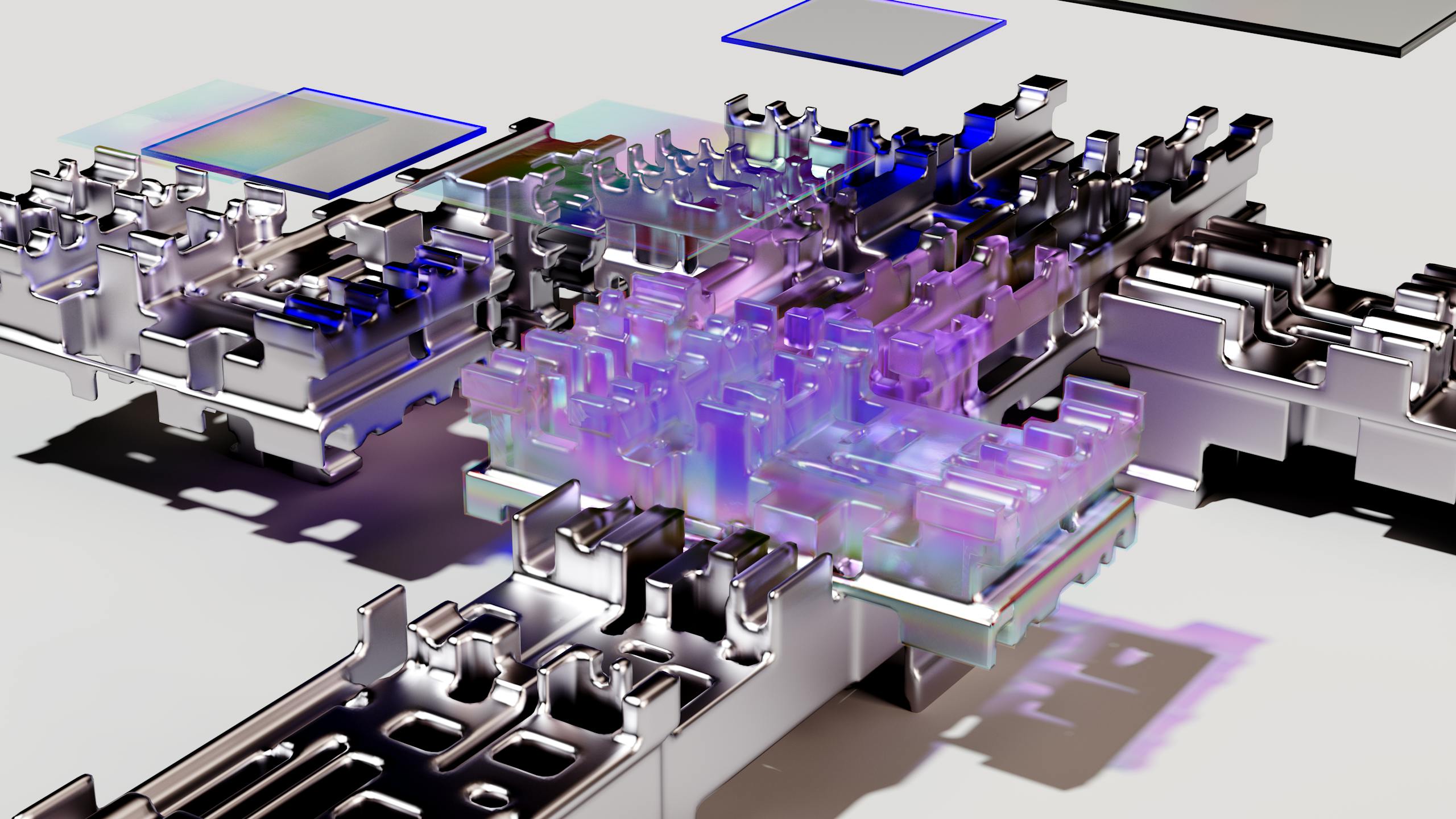
AI models run on data centers packed with high-performance chips. Training a large model can consume as much electricity as hundreds of households over a year, and everyday use adds continual demand. Every AI search, text generation, image creation, or video output requires servers working around the clock. One prompt seems harmless. A billion prompts a day becomes an industrial event, straining power grids and raising emissions.
The real impact grows when companies push richer media, faster responses, and larger models. Each upgrade may be more efficient, but the total global energy consumption can still rise, quietly escalating AI’s environmental footprint.
Water Strain from Cooling Systems
Energy is only part of the story. Cooling high-performance servers often requires large quantities of water. In drought-prone regions or areas with aging water infrastructure, the expansion of AI can intensify local water stress. Communities may face reduced water availability while distant users demand endless AI computations.
Even with closed-loop cooling and recycled water, rapid AI growth can outpace efficiency gains. Every new server, every model retraining, every AI task adds hidden pressure on a resource most people never consider when interacting with a screen.
E-Waste Explosion
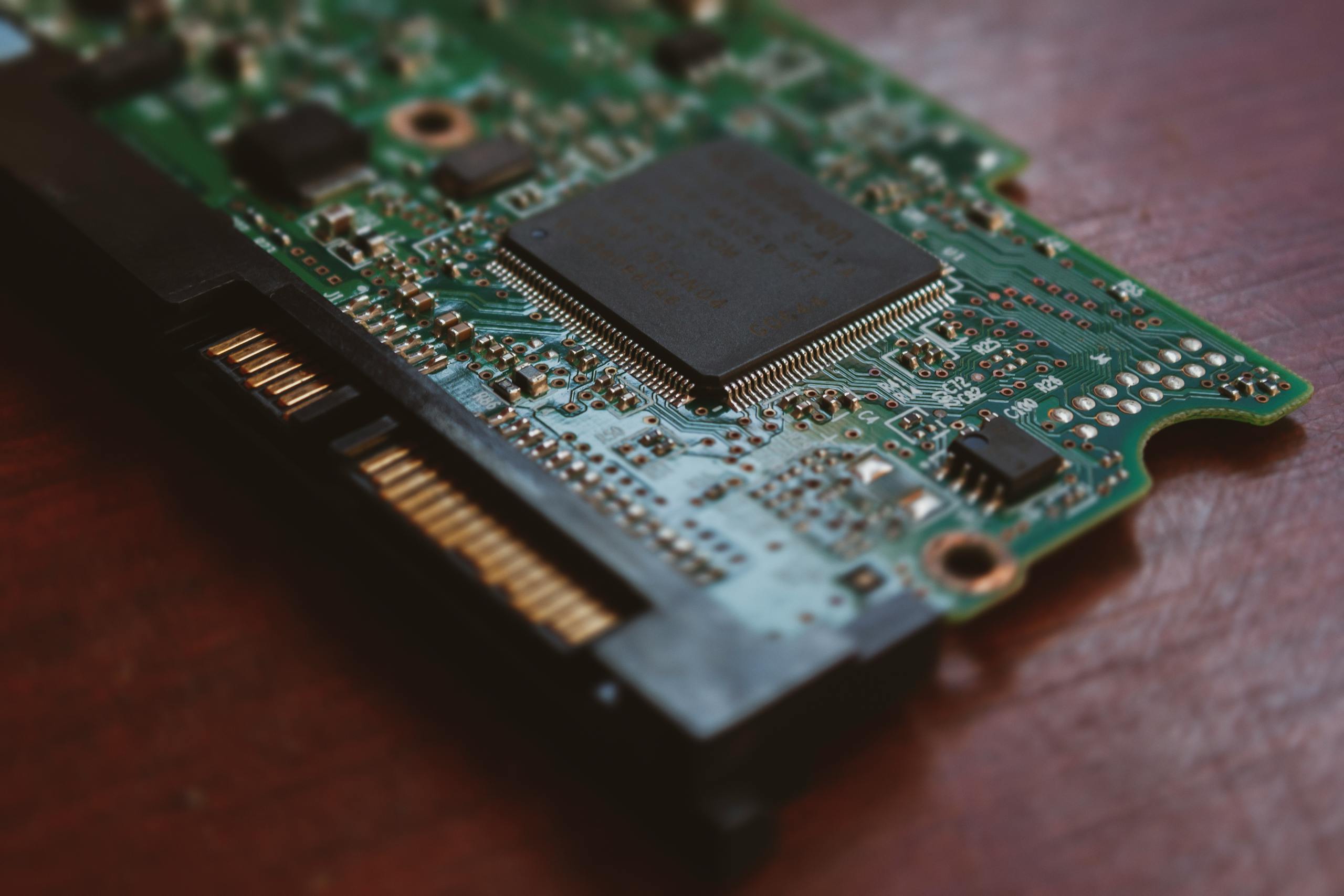
AI hardware has a limited lifespan. Servers, chips, cooling systems, and networking equipment quickly become obsolete as models demand higher performance. This leads to mounting electronic waste, often handled in informal recycling centers, posing risks of toxic exposure.
The polished AI interfaces users enjoy hide mountains of discarded electronics, rare metals, and hazardous substances. If every AI upgrade produces another surge of e-waste, the cost is externalized, with environmental and community damage far from the people generating the demand.
Weakening Human Learning
AI can act as a tutor or a shortcut. Used thoughtfully, it helps students understand complex concepts, generate ideas, or check their reasoning. Used carelessly, it removes the struggle essential to learning.
Students or workers who rely entirely on AI for answers, drafts, or problem-solving risk losing their judgment, memory, and critical-thinking skills. The result is a generation that can produce polished outputs but lacks the cognitive muscle to understand, challenge, and innovate independently.
Dependence Undermining Critical Thinking

AI tools often provide confident answers, even when wrong. This can train users to prioritize convenience over verification, leading to a slow erosion of critical thinking. Repeated reliance on AI for research, decision-making, or writing can leave people less capable of reasoning without machine assistance.
This pattern is subtle. It accumulates through thousands of small interactions in which speed beats judgment, gradually reshaping how humans evaluate information and make decisions.
Workplace Disruption and Inequality

AI is often marketed as a productivity tool, but it can quickly become a replacement strategy. Entry-level tasks are automated first, disrupting career ladders and reducing opportunities to gain skills. Workers may face pressure to adopt AI to keep up, while others are replaced entirely.
This creates a labor dynamic where efficiency is valued over growth, and companies enjoy short-term gains while long-term human skill development suffers. Jobs, dignity, and opportunity can all be quietly diminished under the guise of progress.
Flooding the Internet with Low-Quality Content
Generative AI can produce massive volumes of text, images, and video. This abundance creates “content pollution,” making it harder for users to distinguish quality information from noise. Deepfakes, synthetic media, spam articles, and automated misinformation challenge trust online.
The damage is not just digital clutter. It erodes confidence, fosters skepticism, and amplifies manipulation. AI’s convenience becomes a liability when scale overwhelms verification, accountability, and discernment.
FINAL THOUGHTS
AI is not inherently harmful, but scale, careless deployment, and unexamined reliance amplify its cost. By using AI consciously, limiting unnecessary tasks, and keeping human judgment central, we can enjoy its benefits without letting hidden harms accumulate. The real question is not whether AI exists. It is how we choose to use it responsibly across learning, work, and society.