A family home can hide more than dirty dishes, school schedules, and bills on the counter. Sometimes it hides fear. Sometimes, the people outside see a normal house, while the people inside are living under rules no one else can hear.
That is what makes the Jalonni Blackshear case so chilling. It was not just a murder case. It was a case about control, silence, abuse, and a child whose report to police became part of a deadly chain of events.
Blackshear, a former Alaska correctional officer, has now been sentenced to 150 years in prison for killing his wife, Raechyl Blackshear, and their 14-year-old daughter, Jayla, identified in court records by her initials. The sentence brings a legal ending, but the story behind it still feels painfully unfinished.
For families watching from the outside, the case raises a harder question than how long he will serve. It asks how many warning signs can live inside a home before the rest of the world finally sees them.
A 150-Year Sentence for Two Lives Taken

Anchorage Superior Court Judge Garton sentenced Jalonni Blackshear on June 2, 2026, after he pleaded guilty to two murder counts in the deaths of his wife and daughter. The plea agreement gave him 75 years for each killing, served one after the other, creating a 150-year sentence.
That structure matters. The court did not treat the deaths as one event with two victims folded into a single punishment. It treated each life as separate, each loss as separate, and each murder as worthy of its own sentence.
A Child’s Report Started the Timeline
The case began after Jayla reported on March 30, 2022, that she had been sexually abused. Prosecutors said she did not initially name the perpetrator, but her father became the primary suspect as investigators moved forward.
That report became the point where private fear met public authority. Prosecutors said Blackshear then persuaded Raechyl to bring Jayla to the Anchorage Police Department so the girl could recant. On April 3, 2022, Raechyl took her daughter to the police. Authorities later said it was the last time law enforcement saw them alive.
A Mother and Daughter Vanished From Their Own Routines
The first signs of horror did not come as a dramatic scene. They came through absence. Raechyl did not return to work. Jayla did not return to school. Ordinary places that expected them suddenly had empty spaces.
That is one of the cruelest parts of domestic violence cases. The alarm often sounds in missed shifts, unanswered messages, canceled appointments, and silence that does not feel normal. By the time police went to the family home for a welfare check, the truth was already waiting upstairs.
Police Found Them Inside the Anchorage Home
On April 15, 2022, Anchorage police found Raechyl and Jayla dead in an upstairs bedroom of their home. Prosecutors said both had been shot in the head. The case quickly moved from concern to homicide investigation.
Local reporting later noted that Blackshear had been a former correctional officer and that the killings followed Jayla’s abuse report. The most recent Alaska coverage described the sentencing and plea details, including the charges dismissed under the agreement, in a report by a former corrections officer.
The Phone Messages Made the Case Even Colder
After the murders, investigators said Blackshear took Raechyl and Jayla’s phones and used them to make it seem as if they were still alive. That detail turns the case from brutal to almost unbearable.
Authorities said messages were sent from the phones, including communications with surviving children. The court later described his actions as cruel and calculated. It was not only that Raechyl and Jayla were killed. It was that their voices were allegedly used after death to delay suspicion and preserve control.
A Cross-Country Arrest Added Another Layer
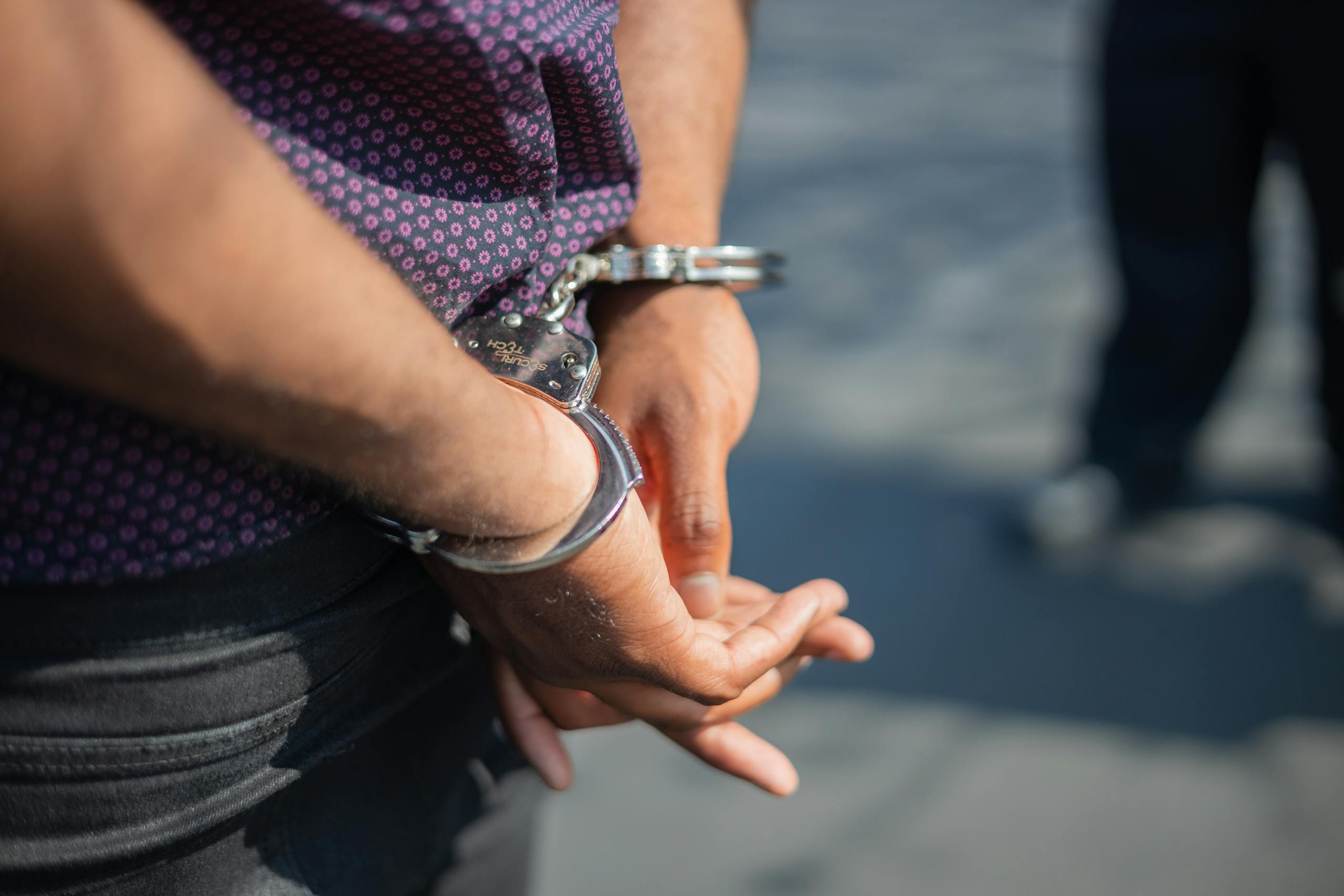
Blackshear left Alaska in April 2022, and investigators later tracked phones connected to Raechyl and Jayla across several East Coast states. He was eventually taken into custody in New York.
NBC New York reported at the time that law enforcement tracked him to Staten Island, where he was arrested after a search involving federal and local authorities. That Staten Island arrest added a fugitive trail to a case already filled with grief.
The Judge Framed the Murders as Control
At sentencing, Judge Garton accepted the agreement between the state and Blackshear, but the court’s findings went beyond the murders themselves. The judge found that Blackshear had subjected family members to years of physical violence and his wife and daughters to sexual violence.
That finding changes how the story should be understood. This was not presented as a sudden family tragedy with no past. The court described a home where silence was part of the system, and where Blackshear’s ability to keep abusing his family depended on that silence.
The Plea Avoided a Trial but Left a Heavy Record
Blackshear had faced multiple charges, including murder, sexual abuse of a minor, sexual assault, incest, evidence tampering, and forgery. Under the plea agreement, he pleaded guilty to the murder counts while the remaining charges were dismissed.
For the public, that can feel complicated. Dismissed charges do not erase the disturbing facts described by prosecutors and the court. They show how plea deals can trade a full trial for certainty, a severe sentence, and a way to spare surviving loved ones from reliving every detail in court.
The Family’s Grief Still Carries Forward
Even after a guilty plea, the people who loved Raechyl and Jayla are left with a loss no sentence can repair. Alaska’s News Source reported that family and friends reacted after the plea, with loved ones describing anger, grief, relief, and the lasting hole left in the family’s grief response.
That emotional aftermath matters because murder cases often end in legal language. Counts. Sentences. Pleas. Agreements. But families live in a different vocabulary. They live with birthdays missed, empty chairs, stolen future memories, and the knowledge that someone should still be here.
The Case Leaves a Warning No Sentence Can Fix
The 150-year sentence sends a strong message, but it cannot answer every question. It cannot undo the silence inside the home. It cannot return Raechyl to her children. It cannot give Jayla the life she was supposed to grow into.
The Jalonni Blackshear case is terrifying because it shows how abuse can hide behind family roles, job titles, routines, and closed doors. A father. A husband. A correctional officer. A house that looked ordinary enough from the outside. If a child finally speaks, will the people around her know how quickly danger can move?