Two young Fremont women, Harshita Nair and Mahial Sran, died after officials say rising tides swept them into the ocean near a dangerous Santa Cruz County beach area known for strong surf, keyhole rock passages, sneaker waves, and repeated rescues.
A Quiet Beach Visit Turned Into a Santa Cruz Coast Tragedy
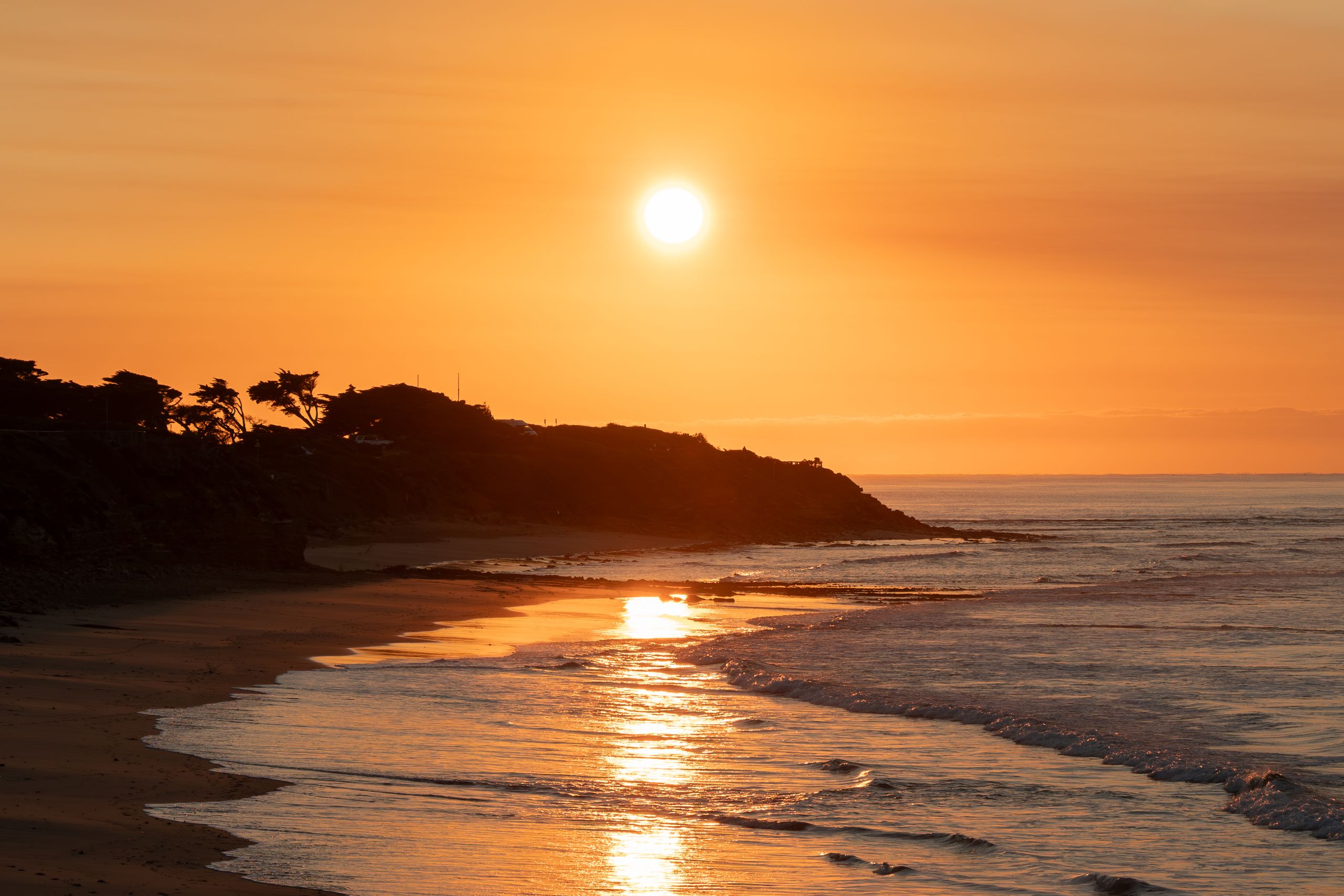
We often think of the California coast as a place for rest, sunsets, photographs, and a few quiet hours away from daily pressure. But along the rugged Santa Cruz County shoreline, beauty can change into danger within minutes, especially when rising tides, narrow rock passages, and powerful surf meet people who may not realize how quickly the ocean can move.
Officials say two young women from Fremont, California, Harshita Nair, 21, and Mahial Sran, 20, died after being swept into the ocean near the Panther Beach, Yellow Bank Beach, and Bonny Doon Beach area on Wednesday, June 10, 2026.
The two friends were reportedly believed to have been sleeping near a natural archway known locally as the keyhole, a coastal rock opening that can become dangerous when the tide comes in.
What makes this tragedy especially painful is how ordinary the moment appeared before it turned fatal. This was not a story of reckless thrill seeking or a dramatic ocean stunt. It was a quiet beach visit involving two young women with futures still unfolding, in an area that first responders say has already required repeated rescues in recent weeks.
Who Were Harshita Nair and Mahial Sran?
Harshita Nair and Mahial Sran were both from Fremont, a Bay Area city where their deaths have left families, friends, former classmates, and college communities stunned. Reports identified Nair as a legal studies student at UC Berkeley and Sran as a public health student at San José State University. Both were young, ambitious, and connected to the same Fremont high school community.
Their story has resonated across California because it carries the kind of detail that makes tragedy feel close to home. These were not anonymous names in a rescue report. They were students, friends, daughters, and classmates. They had plans beyond the beach. They had academic goals, families waiting for them, and futures that should have stretched far beyond one afternoon on the coast.
When we read about ocean deaths, it is easy to focus only on the hazard. But in this case, the human loss is the center of the story. Two families are now facing the impossible task of grieving young women who left for what should have been a normal day near the water and never returned home.
What Officials Say Happened Near the Keyhole Arch
According to officials and local reports, emergency crews responded shortly after 5 p.m. on June 10 to a water rescue call near the Santa Cruz County coastline. The women were believed to have been near the keyhole, a natural archway between beach areas that people sometimes use as a passage toward Yellow Bank Beach.
The danger of a place like the keyhole is that it can look manageable when the tide is lower. A visitor may walk through, sit nearby, take photos, or rest without fully realizing that the same route could later be cut off by incoming water. Once the tide rises, the safest path out may disappear, and waves can rush into spaces that looked dry or calm earlier in the day.
Rescue crews reportedly pulled both women from separate areas of the shoreline. One was transported by helicopter toward medical care, while the other was carried up from the beach by rescuers. Despite the response, both women later died.
This is why first responders have repeatedly warned that the Santa Cruz County coast is not only dangerous in the water. It can also be dangerous near rocks, caves, arches, cliffs, and narrow passages where the tide can trap people before they realize they are in trouble.
Why Bonny Doon, Panther Beach, and Yellow Bank Beach Can Be So Dangerous
The stretch of coastline near Bonny Doon Beach, Panther Beach, and Yellow Bank Beach is dramatic, scenic, and tempting for visitors. It has cliffs, rock walls, sea caves, arches, pocket beaches, and views that draw locals, students, photographers, and tourists. But the same geography that makes it beautiful also makes it unforgiving.
Unlike wide, flat, lifeguarded beaches where people can easily move inland, parts of this Santa Cruz coastline include steep access points and rock formations that limit escape routes. When the tide rises, a dry patch of sand can shrink quickly.
A path through rocks can become a trap. A wave can surge farther than expected. A person who is asleep, distracted, or unfamiliar with the area may have little time to react.
The ocean does not need a storm to become deadly. Sneaker waves can rush up the shore after a period of calm. Rip currents can pull swimmers away from the beach. High tides can flood low areas. Large breaking waves can knock people off their feet. In narrow coastal formations, these hazards become even more serious because there may be no simple way to run.
For beachgoers, the lesson is not that every beautiful beach should be feared. The lesson is that remote or rocky beaches require more caution than they appear to demand. We cannot judge safety by how peaceful the beach looks at one moment. We have to judge it by the tide, the surf forecast, the escape route, and the warnings from local agencies.
The Fifth Rescue in a Month Along the Same Santa Cruz Coastline
One of the most alarming details in the official response is that this was reported as the fifth rescue in about a month along the one-mile stretch between Yellow Bank Beach and Bonny Doon Beach. That pattern matters because it shows this was not an isolated emergency in a random place.
When multiple rescues happen in the same coastal area within a short period, it suggests that visitors may be repeatedly underestimating the same hazards. Some may not know how fast the tide moves. Some may not recognize rip currents.
Some may trust a calm looking beach without realizing that long period swells can send sudden water much farther inland. Others may enter caves or keyhole passages without checking whether the tide will block the way back.
We should see this tragedy as part of a larger beach safety warning for California’s rugged coast. A dangerous location does not always announce itself with signs of chaos. Sometimes it looks like a peaceful cove.
Sometimes it looks like a perfect place to nap. Sometimes it looks safe because other people are nearby. But if the tide is rising and the surf is unstable, the danger can arrive before a person has time to stand up.
How Sneaker Waves and Rip Currents Catch Beachgoers Off Guard
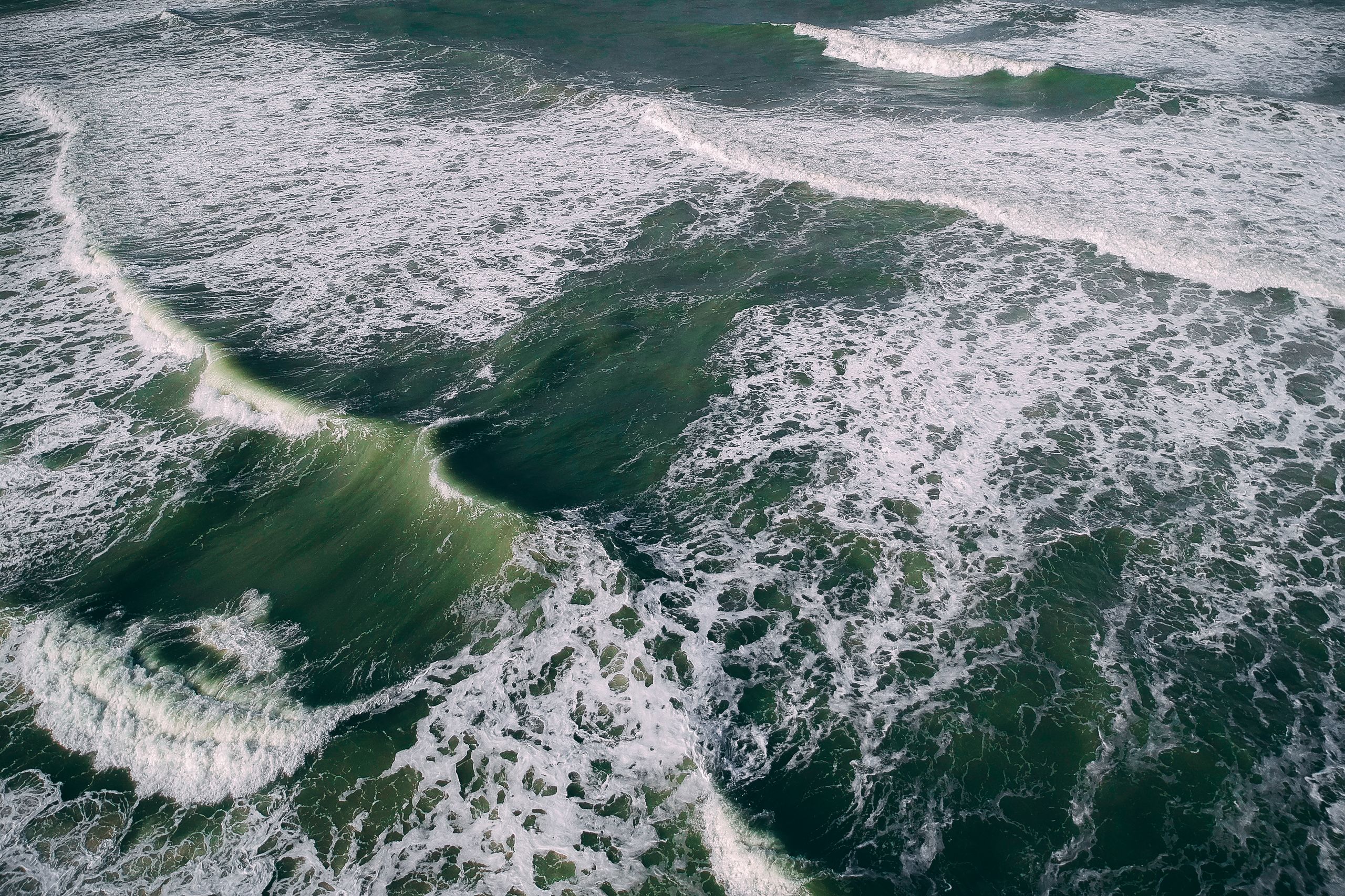
Sneaker waves are especially dangerous because they can arrive after smaller waves create a false sense of calm. A person may stand near the waterline, sit on a rock, walk through wet sand, or rest near a coastal opening while the ocean appears steady. Then one larger wave surges farther up the beach, knocks people down, and pulls them toward the water.
Rip currents are different but equally serious. They are powerful channels of water that move away from shore. They do not pull a person under like a movie scene, but they can pull a swimmer away from the beach and into deeper water. Panic makes the danger worse, especially if a person tries to fight the current directly and becomes exhausted.
This is why official beach safety advice often tells people to stay calm, avoid swimming straight against a rip current, float if needed, call or wave for help, and, when possible, swim parallel to the shore before angling back in.
But the best protection is prevention. If beach hazards are posted, if waves are surging high, or if the beach has caves, rocks, and narrow exits, the safest choice is often to stay well back from the water or avoid that area completely.
What We Should Check Before Visiting a California Beach
Before visiting a beach like Bonny Doon, Panther Beach, or Yellow Bank Beach, we should check more than the weather temperature. A sunny day can still bring dangerous surf. A warm afternoon can still carry strong rip currents. A calm looking beach can still become hazardous when high tide arrives.
We should check tide tables before walking into coves, caves, arches, or narrow beach passages. If the tide is rising, those areas can become dangerous quickly. We should also look for National Weather Service alerts, local sheriff updates, CAL FIRE warnings, and posted signs at beach entrances. These warnings are not background noise.
They are based on conditions that have already injured or killed people. We should avoid sleeping near the waterline, under cliffs, near rock tunnels, or in areas where the ocean could cut off an exit. We should never assume that a dry spot will stay dry. We should also avoid turning our backs to the ocean, especially on beaches known for sneaker waves.
For families, students, and visitors unfamiliar with the Santa Cruz coast, the safest rule is simple: if the beach has cliffs, caves, rocks, narrow passages, or no lifeguard nearby, treat it as a high caution area even if other people are present.
Why This Story Matters Beyond Santa Cruz County
The deaths of Harshita Nair and Mahial Sran matter beyond one beach and one tragic afternoon. They raise a broader question about how coastal communities warn visitors, how beachgoers understand risk, and how quickly a scenic location can become deadly when people do not recognize the ocean’s timing.
California beaches attract millions of people because they promise escape. But not all beaches carry the same risks. Some are built for casual swimming and family visits. Others demand local knowledge, tide awareness, and constant attention. The difference is not always obvious to visitors, especially young people who may arrive for photos, rest, or a quiet day with friends.
In this case, we are reminded that the ocean does not pause for sleep, distraction, or unfamiliarity. A beautiful stretch of sand can still be part of a dangerous marine environment. A natural archway can still be a trap. A calm afternoon can still end in a rescue call.
Beach Safety Lessons After the Deaths of Two Fremont Friends
We should remember Harshita Nair and Mahial Sran first as young women whose lives mattered deeply to the people who loved them. Their deaths should not be reduced to a warning label, but the warning that comes from this loss is urgent.
When we visit the coast, we should know where we are standing, how the tide is moving, and how we will leave if the water rises. We should stay away from keyhole arches, caves, and narrow passages during incoming tides.
We should check official beach hazard statements before entering the water or resting near the shoreline. We should take sneaker waves seriously because they can reach farther than expected and arrive without enough time to react.
The Santa Cruz coastline will continue to draw people because it is beautiful. But beauty is not the same as safety. After the deaths of two Fremont friends near one of California’s most dangerous beach areas, the message is painfully clear: we should never treat the Pacific Ocean as background scenery. It is powerful, fast changing, and capable of turning one quiet moment into a life threatening emergency.