Lemon posset is the dessert for anyone who wants an elegant finish without the pastry work. Cream, sugar, and lemons become a chilled, softly set pudding that you can serve in little glasses or ramekins. No crust to bake, no gelatin to dissolve, and no egg mixture to temper. You do need a saucepan and a refrigerator, though: “no oven” does not mean “no cooking,” and the chilling time is part of the recipe, not a detail to discover when guests arrive.
The version featured here follows food writer Sarah Cook’s lemon posset recipe for Good Food, originally published in May 2013. It makes six individual portions using just three ingredients. Cook pairs hers with homemade shortbread, but that accompaniment requires baking and additional ingredients. We focus on the posset itself, a creamy lemon dessert that requires no oven. Serve it alone, or add a ready-made biscuit for a crisp contrast.
Three Ingredients, One Clever Transformation
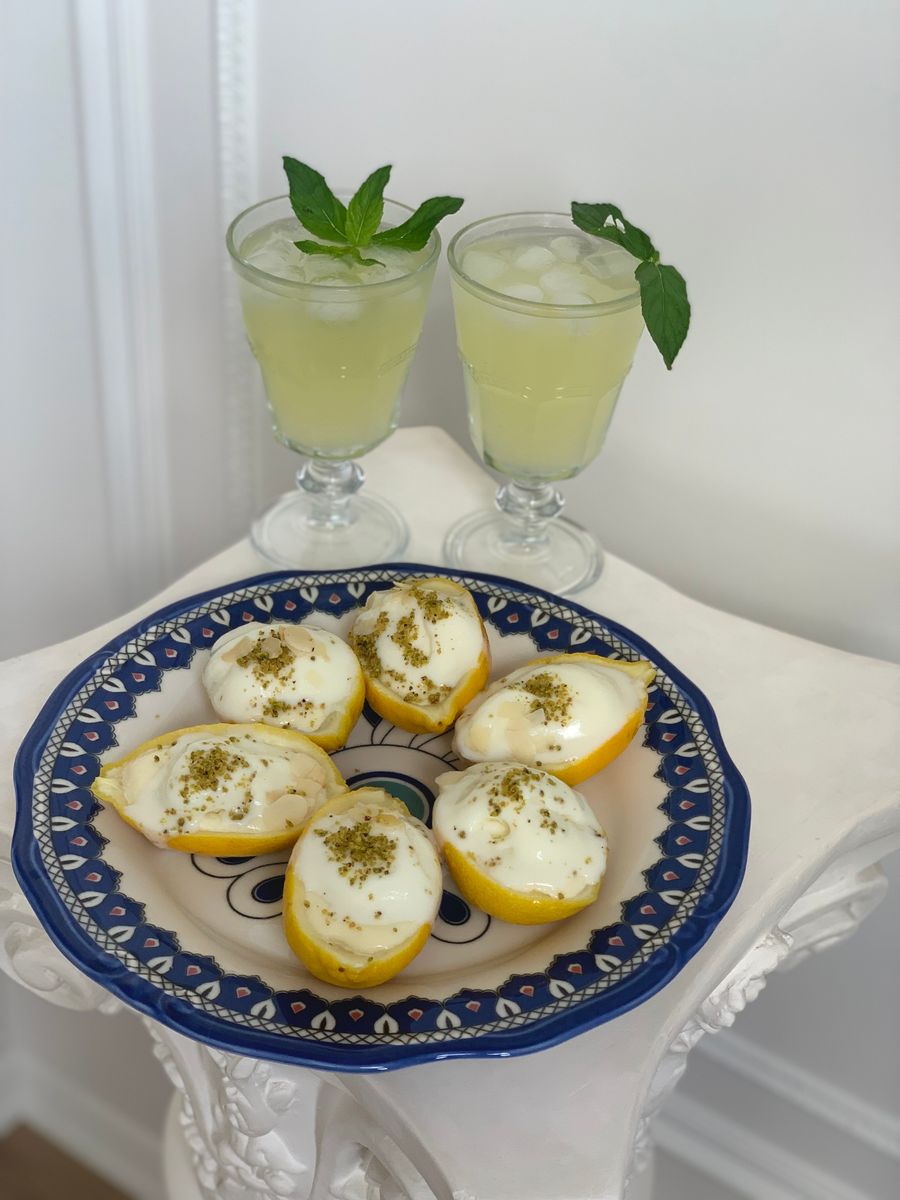
For six portions, gather 600 milliliters of double cream, 200 grams of golden caster sugar, and three lemons. Use the finely grated zest of all three lemons and measure out 75 milliliters of juice. Measuring the juice matters more than assuming three lemons will always produce the same amount. The fruit supplies both aroma and acidity, but they do different jobs: the zest adds fragrance, while the juice helps the cream mixture set.
The short ingredient list is not a gimmick. A modern lemon posset doesn’t need flour, cornstarch, egg yolks, or gelatin to thicken. As Cook’s Illustrated recipe developer Annie Petito explains, “Without egg yolks, flour, cornstarch, or gelatin to coax it into setting, its transformation into a velvety delight seems like magic. But really, it’s science.” Her explanation describes the same underlying cream-and-citrus process, though her recipe uses a different cooking method than Cook’s.
Here is the science in ordinary kitchen language: lemon juice makes the cream more acidic, causing its casein proteins to link together. The cream’s fat helps prevent those proteins from forming the coarse clumps you might associate with curdled milk. Sugar adds sweetness and contributes to the texture. The result is a tender, creamy set rather than a whipped mousse or a firm gelatin dessert. That is why the ingredients are doing considerably more work than their number suggests.
Cream choice is therefore important. Cook’s recipe specifies British double cream; Petito’s separate American formulation uses heavy cream with at least 36% fat. These instructions aren’t interchangeable, so follow a complete recipe developed for the cream you can buy. Do not casually replace the double cream with milk, half-and-half, or a plant-based beverage and expect the same result. The dessert sets because of the dairy’s composition, not because you added something white and liquid to a saucepan.
Related: Root Beer in Pie? This Sweet-and-Salty Peanut Dessert Is the Throwback Nobody Saw Coming
A Brief Simmer, Then the Fridge Takes Over
Put the double cream and sugar in a large saucepan. Heat gently, stirring until the sugar dissolves, then bring the mixture to a simmer and let it bubble for one minute. That is Cook’s specified cooking step. Other posset recipes may call for a longer boil or reduction to a measured volume, but those instructions belong to their own formulations. Don’t combine the shortest timing from one recipe with the quantities from another; the reliable shortcut is to follow a tested method.
Turn off the heat and stir in the lemon zest and the measured 75 milliliters of juice. Divide the mixture among six small pots, glasses, or bowls, then let it cool to room temperature. Once cool, cover carefully and refrigerate for at least three hours. Cook allows the possets to chill for up to 24 hours before serving, making this a useful dessert to prepare ahead rather than an emergency fix five minutes before dinner ends.
The refrigerator isn’t just cooling the dessert; the waiting period is essential to its intended texture. Plan around that minimum three-hour chill instead of treating it as optional. A posset should have the softly set, spoonable character of a creamy pudding, not the airy structure of whipped cream. Cook’s method has no last-minute whipping stage. Once the portions are covered and chilled, the essential preparation is finished, leaving you free to focus on the rest of the meal.
One small restraint will keep the recipe dependable: don’t reduce the lemon juice just because it looks like a lot, or add extra to make the dessert more assertively tart. Petito’s testing shows that acidity affects both whether the posset sets and how it tastes. Her experiments with other fruit juices required adjustments because orange, grapefruit, and pineapple did not behave like lemon. For a first batch, the measured recipe is a better guide than an enthusiastic extra squeeze.
Keep the Finish Simple
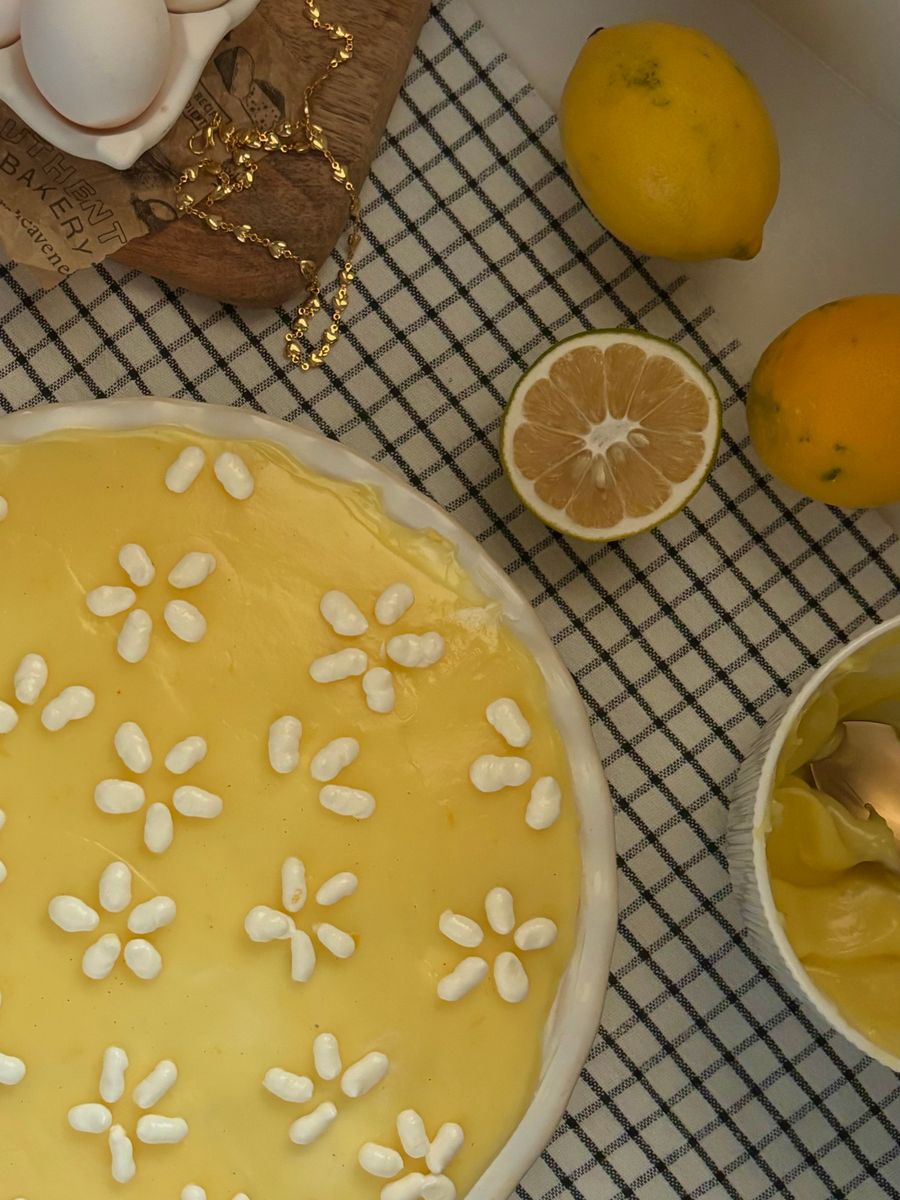
Small serving vessels suit the dessert particularly well because they let you portion it before chilling and bring it straight to the table. Cook recommends individual pots or bowls, while Petito likewise portions her version into cups. No unmolding step or clean slicing is required. A little spoon is enough. The elegant effect comes from the creamy texture and bright citrus flavor, not from balancing three garnishes and a decorative sugar sculpture over the top.
If you want contrast, a ready-made shortbread biscuit can provide it without changing the no-oven premise. Cook’s original recipe serves homemade sugared-almond shortbread beside the posset, explicitly for scooping up the cream. Just keep the distinction clear: the pudding uses three ingredients; a biscuit or any other accompaniment is an extra. For an even simpler presentation, leave the posset alone. Its recipe doesn’t require a topping to complete the flavor or the set.
The real appeal is simplicity with a little planning. Measure carefully, heat the cream and sugar as directed, add the lemon, and chill the portions long enough to set. You are not making an instant dessert, but you are avoiding much of the work that goes into an impressive one. Lemon posset turns three ingredients into a polished final course, and keeps your oven completely uninvolved.
Other Post You Might Also Like
.6 Essential Foods to Keep Your Muscles Strong and Healthy as You Age
.5 Smart Ways to Shop Healthy and Save Money on Groceries