America keeps saying it needs more nurses, but the latest federal student loan shakeup sends a very different message. Graduate nursing programs have been left out of the higher federal loan category reserved for many “professional” degrees, and that decision could make it harder for future nurse practitioners, nurse anesthetists, nurse midwives, and nurse educators to pay for school.
For everyday Americans, this is not just a nursing school problem. It could become a hospital wait time problem, a rural clinic problem, a maternity care problem, and a bedside staffing problem.
The issue is simple enough to feel personal. If fewer nurses can afford advanced training, fewer providers may be available when families need care most. A mother looking for prenatal care, a retiree managing diabetes, a rural patient needing anesthesia, or a stressed parent waiting in an emergency room could all feel the effects later.
This is why the debate over whether nursing counts as a professional degree for federal loan purposes has become so explosive. It touches money, respect, health care access, and the future of one of America’s most trusted professions.
It Makes Nursing School Harder to Afford
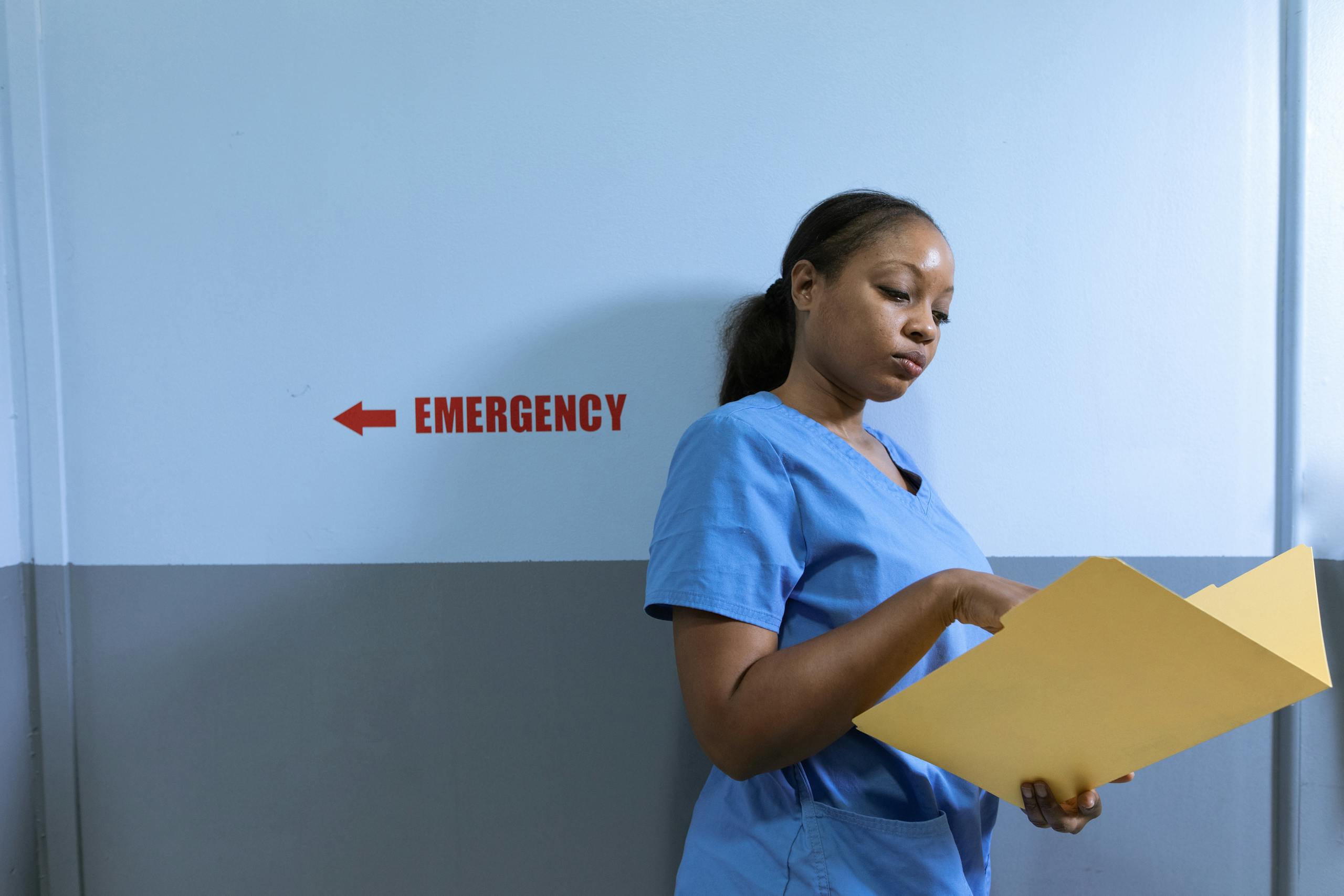
The most immediate concern is money. Graduate nursing programs can be expensive, and many students already depend on federal loans to cover tuition, fees, clinical costs, books, transportation, and basic living expenses. When federal borrowing limits shrink, students do not magically need less money. They simply have to find it somewhere else.
That “somewhere else” often means private loans, employer help, family support, or delaying school altogether. Wealthier students may still find a way through. Working nurses, first generation students, parents, and students from lower income homes may not.
That is where the decision becomes especially harsh. It risks turning advanced nursing education into something only the financially comfortable can pursue, even though America badly needs skilled nurses from every background.
It Pushes More Students Toward Risky Private Loans
Federal loans usually come with protections that private loans often do not offer. They may include income based repayment, deferment options, fixed rates, and access to public service forgiveness programs.
Private loans can be tougher, especially for students with limited credit history or no cosigner. That difference matters when a nurse is entering a demanding career that may not immediately produce a high enough salary to crush debt fast.
This could create a painful trap. A nurse may need an advanced degree to grow professionally but may need expensive private borrowing to pay for it.
If that debt becomes too heavy, the same nurse may avoid public hospitals, rural clinics, nonprofit health centers, or teaching roles because those jobs may not pay enough to make repayment comfortable. The country could lose future nurses in the exact places that need them most.
It Could Scare Nurses Away From Advanced Roles
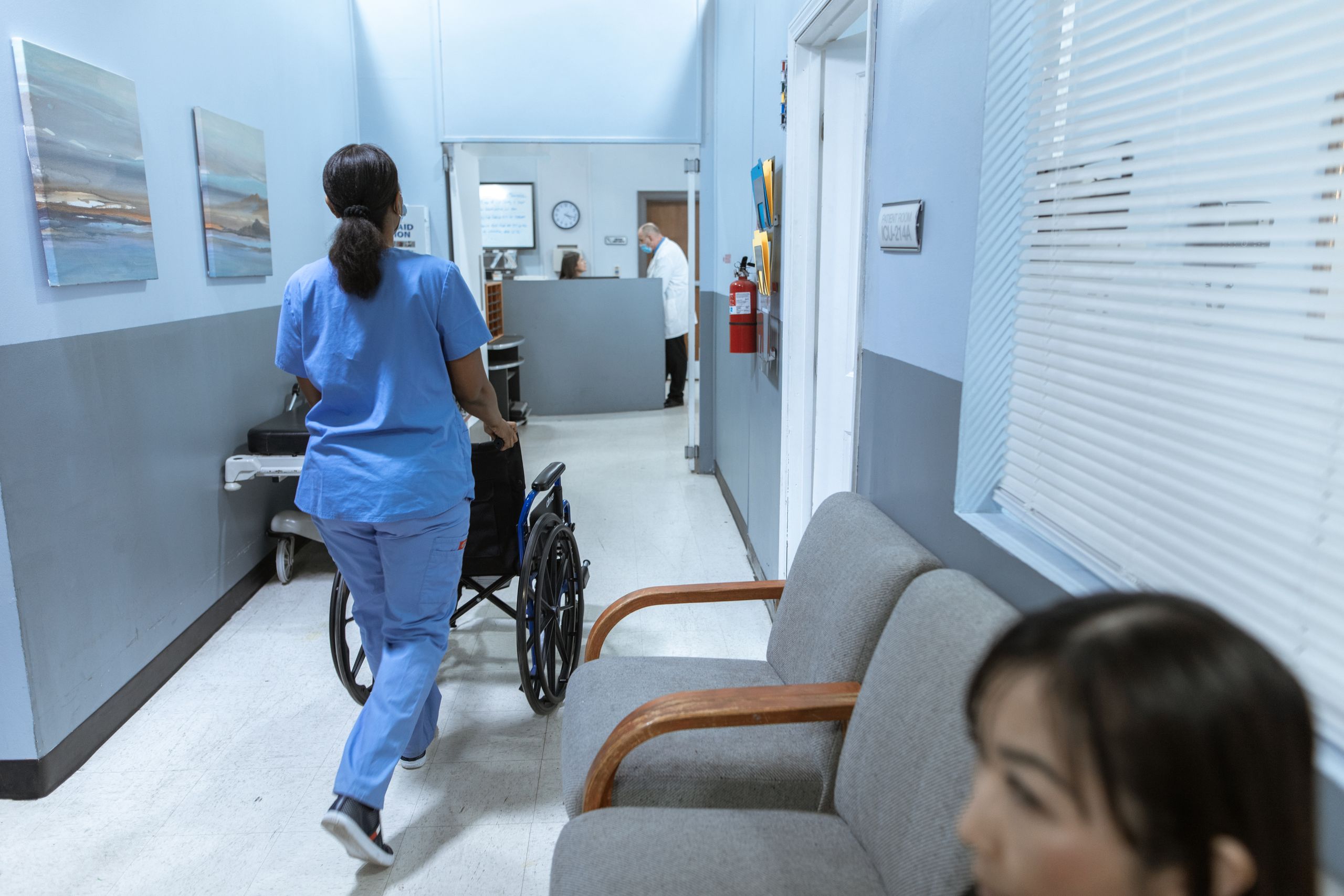
Nursing is already physically and emotionally demanding. Many nurses work long shifts, handle high pressure emergencies, comfort grieving families, manage medication risks, and carry the mental weight of constant responsibility. For a bedside nurse thinking about graduate school, the decision often comes down to sacrifice. Is the cost worth the next step?
Lower federal loan access makes that question harder. Some nurses may look at the tuition, the unpaid clinical hours, the lost income, and the new borrowing limits and decide the risk is too much. That choice may be understandable for the individual, but damaging for the health care system.
America needs more nurse practitioners, nurse anesthetists, clinical nurse specialists, nurse midwives, and nurse educators. Making the path harder does not create more providers. It creates more hesitation.
It Hits Rural America Where Care Is Already Thin
Rural communities could feel the blow faster than large cities. Many small towns rely heavily on advanced practice nurses because physicians can be difficult to recruit and retain.
Nurse practitioners often provide primary care, chronic disease management, preventive care, and urgent visits in places where patients already drive long distances for basic services. Nurse anesthetists also play a major role in keeping rural surgical and emergency services available.
If fewer nurses can afford graduate training, rural hospitals and clinics may face even deeper staffing gaps. That means longer waits, fewer appointment slots, more travel for patients, and more pressure on already stretched facilities.
For Americans outside major metro areas, this is not an abstract policy debate. It could affect whether a local clinic stays staffed, whether a hospital can keep key services open, and whether families can get care close to home.
It Weakens the Pipeline for Future Nurses
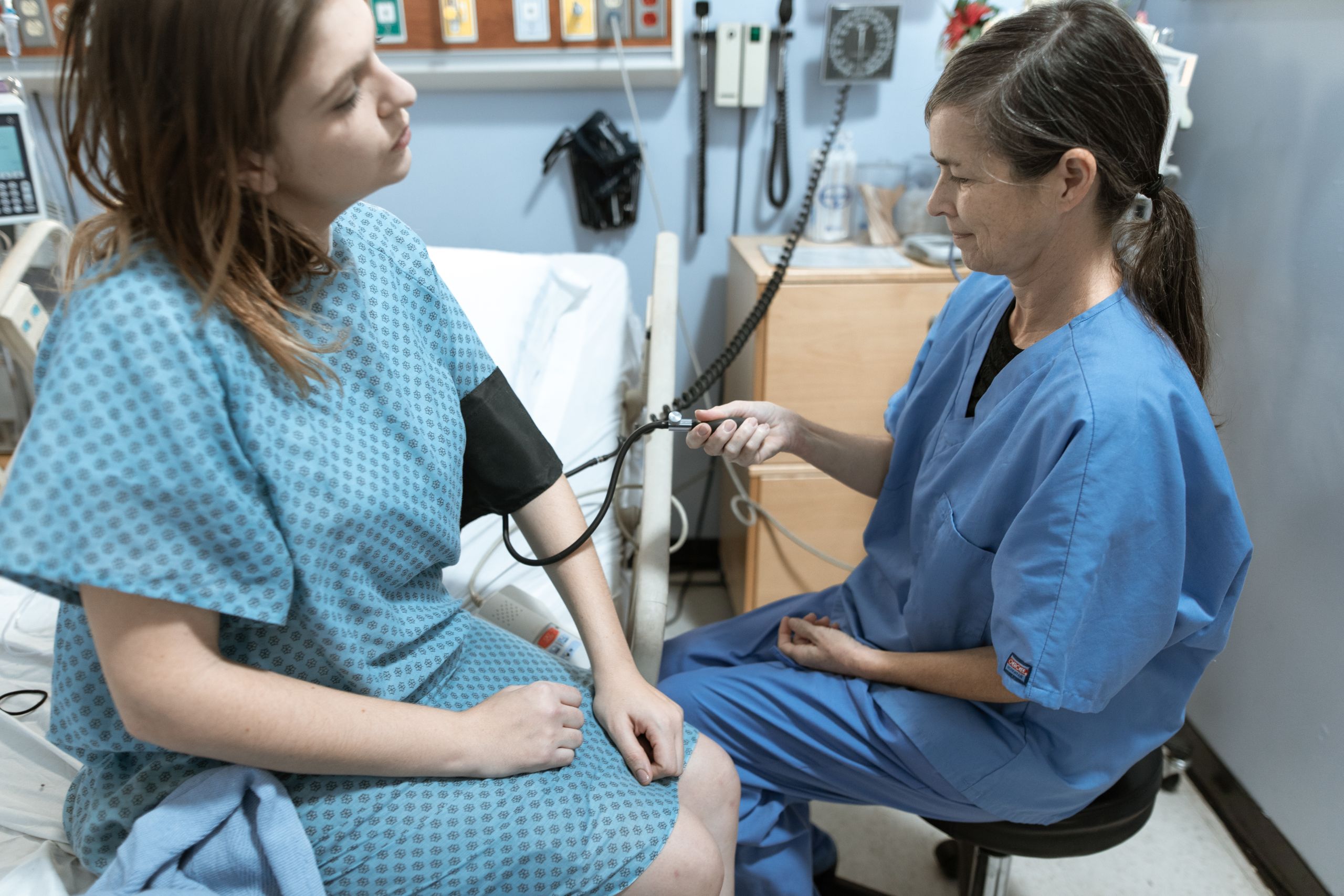
The nursing shortage is not only about people at the bedside. It is also about the people teaching the next generation. Nursing schools need qualified faculty, and many faculty roles require graduate education. If fewer nurses can afford advanced degrees, schools may struggle even more to hire instructors.
That creates a dangerous loop. Fewer graduate prepared nurses can mean fewer nursing faculty. Fewer faculty can mean fewer available seats in nursing programs. Fewer seats can mean fewer new nurses entering hospitals, clinics, long term care facilities, and home health settings.
The public often sees a shortage only when a hospital unit is understaffed, but the shortage usually begins much earlier, inside classrooms and clinical training programs.
It Feels Like a Slap After Years of Calling Nurses Heroes
Americans praised nurses heavily during the pandemic and still rank nursing among the most trusted professions. Nurses were called heroes, frontline workers, essential caregivers, and the backbone of health care. Those words now sound thin to many in the profession when federal policy makes advanced nursing education harder to finance.
The frustration is not just emotional. Nurses are tired of symbolic praise that does not match practical support. A poster that says “thank you” does not pay tuition. A hospital appreciation week does not reduce student debt.
A national speech about the importance of health care workers does not help a nurse cover the cost of a graduate degree. If the country truly depends on nurses, then the education system should not make their advancement feel like a financial punishment.
It Could Make Patient Care More Expensive and Less Available

When the nursing workforce shrinks or fails to grow fast enough, patients often pay the price. Short staffing can increase wait times, strain emergency rooms, delay discharges, reduce appointment availability, and push hospitals to rely on costly temporary staffing. Families may not see the policy behind the problem, but they will feel the result when care becomes slower, farther away, or more expensive.
Advanced practice nurses help fill major gaps in American health care. They manage chronic conditions, support preventive care, deliver babies, provide anesthesia, treat everyday illness, and help keep patients out of overwhelmed emergency departments.
If the education path becomes harder, the country may save money in one federal budget category while creating higher costs across the health care system. That is the kind of shortsighted decision Americans eventually feel in their bills, waiting rooms, and local hospitals.
What Nursing Students Should Do Now
Students considering graduate nursing should move carefully before taking on debt. They should ask each school how the program will be classified under the new loan rules and request a full cost of attendance, not just tuition. Fees, clinical travel, equipment, certification costs, housing, and reduced work hours can change the real price of a program.
Students should also search early for scholarships, state grants, employer tuition support, hospital sponsorships, union education benefits, and service based repayment options. Private loans should be treated with caution because they may offer fewer protections than federal loans.
The smartest move is to compare every funding option before signing anything. The goal is not just to enter graduate nursing school. The goal is to finish without a debt burden that limits every career choice afterward.
What Hospitals Should Do Before the Shortage Gets Worse
Hospitals and clinics cannot afford to ignore this issue. If they need advanced practice nurses, nurse educators, and clinical leaders, they may have to help build the pipeline themselves. That could mean stronger tuition reimbursement, paid education leave, loan repayment packages, school partnerships, residency style training, and clear promotion pathways for nurses who pursue graduate education.
Health systems should also pay attention to who gets pushed out by the new borrowing limits. If students from rural areas, lower income households, and underrepresented communities are most affected, patient access may become even more unequal.
Hospitals need nurses who understand the communities they serve. A nursing workforce shaped mostly by who can afford private debt would be bad for patients, bad for schools, and bad for the future of care.
Conclusion
The decision to leave graduate nursing outside the higher federal loan category may sound like a technical student aid change, but its impact could reach deep into American health care. It makes advanced nursing education harder to afford, pushes students toward private debt, weakens the faculty pipeline, and threatens communities that already struggle to access care.
The people most likely to be affected are not just nursing students. They are patients, families, rural hospitals, public clinics, and overworked bedside teams.
Nursing does not become less professional because of a federal loan classification. Nurses prove their value every day in emergency rooms, maternity wards, ICUs, nursing homes, schools, operating rooms, and neighborhood clinics.
The real danger is that America may keep demanding more from nurses while making it harder for them to grow. If the policy remains unchanged, the country could discover the cost later in the worst possible place: the patient’s bedside.