Canned food built the modern pantry. It gave families cheap meals, backup dinners, long shelf life, and the comfort of knowing something edible was waiting behind a cabinet door. We still have plenty of reasons to respect it, especially when canned tomatoes, beans, pumpkin, salmon, coconut milk, and low-sodium vegetables can save time without wrecking a meal.
The problem starts when convenience becomes a disguise. Some canned foods are less like smart pantry staples and more like expensive shortcuts filled with salt, syrup, preservatives, mushy textures, and disappointing flavor. We do not need to throw away every can in the kitchen, but we should know which ones quietly drain our budget, crowd out better food, and turn a quick meal into a nutritional compromise.
Canned Fruit Cocktail in Heavy Syrup
Canned fruit cocktail looks cheerful on the shelf, but it often turns fruit into dessert, pretending to be produce. The biggest issue is the syrup. Instead of getting the clean sweetness of peaches, pears, grapes, and cherries, we get fruit sitting in extra sugar that adds calories without adding much satisfaction.
The texture also works against it. The fruit pieces often become soft, slippery, and bland after sitting in liquid for months. We are left with a can that feels nostalgic but rarely tastes fresh. A smarter choice is fruit packed in 100 percent juice, water, or extra light syrup. Even better, we can buy frozen fruit because it retains more structure, works well in smoothies, and usually offers better value per serving.
Canned Pasta Meals

Canned pasta is one of the clearest examples of convenience winning over quality. The pasta is usually overcooked before it can even reach the table, so the final meal often becomes soft rings, tubes, or noodles floating in a sweet tomato sauce. It may satisfy a memory, but it rarely satisfies an adult appetite.
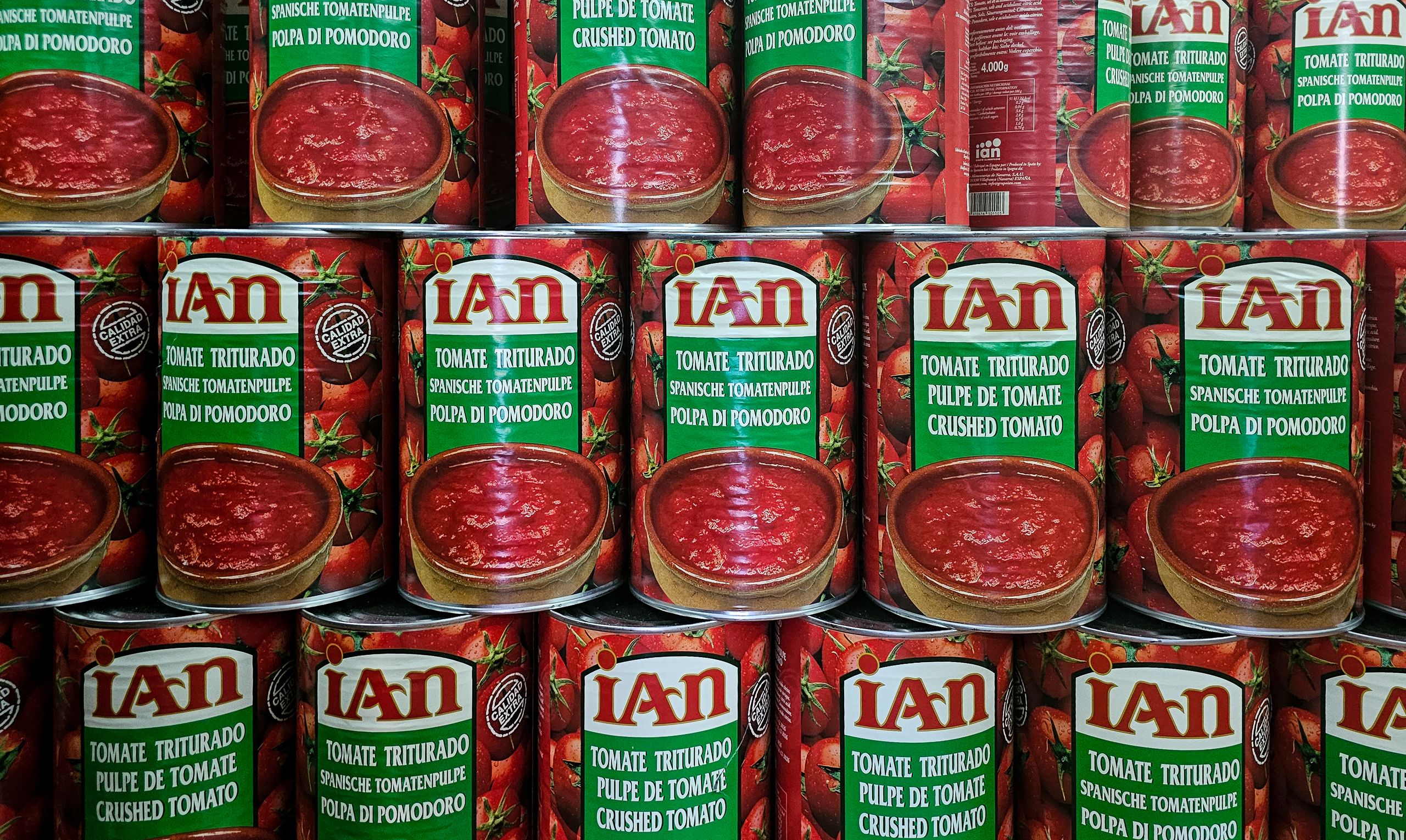
We also need to look at what these meals are replacing. Pasta is one of the easiest pantry foods to cook from scratch. A box of dry pasta, canned crushed tomatoes, garlic, olive oil, and a small amount of cheese can create a better meal in less than 20 minutes. Canned pasta often brings too much sodium, added sugar, and weak protein for something that costs more than the basic ingredients needed to make a fresher version.
Canned Cream Soups
Canned cream soups have a loyal place in casseroles, but they are not the harmless comfort food many shoppers imagine. Cream of mushroom, cream of chicken, and cream of celery often rely more on salt, thickeners, and a creamy texture than on deep flavor. They can make a dish feel rich, but they can also turn a simple recipe into a heavy sodium bomb.
We should be especially cautious with condensed versions because people often use the whole can without thinking about serving size. The label may look reasonable until we realize the can contains multiple servings.
A better pantry move is to use low-sodium broth, milk, mushrooms, onions, and a small amount of flour or cornstarch to make a quick sauce. It tastes fresher, lets us control the salt, and avoids the gluey texture that makes casseroles feel tired.
Canned Refried Beans With Lard

Beans should be one of the smartest foods in the pantry. They are affordable, filling, protein-rich, and useful in tacos, burritos, bowls, soups, and dips. Canned refried beans can still be useful, but many versions bury those benefits under too much sodium and added fat.
The biggest problem is that refried beans are often treated as a ready-made side instead of a base we can improve. Some cans taste flat, salty, and pasty because the beans have been cooked down into a thick mash with little character.
We should look for vegetarian, low-sodium, or fat-free versions when buying them. Even better, we can mash canned pinto or black beans ourselves with cumin, garlic, lime, onion, and a little broth. That gives us the creamy texture without the heavy, dull finish.
Canned Vienna Sausages
Vienna sausages are cheap, shelf-stable, and easy to eat straight from the can, but that convenience comes with a serious quality tradeoff. They are highly processed, salty, soft, and often packed in liquid that does them no favors. The flavor can feel smoky and savory at first, yet the aftertaste often reminds us why fresh protein usually wins.
The nutrition profile is another reason to leave them behind. A good snack should provide useful protein without loading the body with unnecessary sodium and processed-meat additives. Vienna sausages usually move in the opposite direction.
For emergency food storage, canned salmon, sardines, tuna in moderation, low-sodium beans, nut butter, and shelf-stable protein shakes offer better value. For everyday snacking, boiled eggs, Greek yogurt, hummus, roasted chickpeas, or turkey slices make more sense.
Canned Chicken in Brine

Canned chicken promises quick protein, but the eating experience often disappoints. The texture can turn stringy, rubbery, or mushy, especially when the meat has been sitting in salty liquid. Even when it works in chicken salad or soup, it rarely tastes like freshly cooked chicken.
The bigger issue is value. Many cans contain less usable meat than expected once drained, and the flavor often needs mayonnaise, seasoning, sauce, or cheese to become enjoyable. That means we may be buying convenience and then spending more ingredients to fix it.
For quick meals, we are usually better off with rotisserie chicken, batch-cooked chicken breast, frozen grilled chicken strips with cleaner labels, or canned chicken that is clearly labeled low-sodium and packed with simple ingredients.
Canned Chili With Meat
Canned chili sounds like a full meal, but many versions are heavier on sauce, salt, starch, and mystery texture than real substance. Some cans look hearty on the label but open to reveal a thick, salty mixture with small pieces of meat, soft beans, and a flavor that leans more toward seasoning than slow-cooked depth.
We can make a stronger version with very little effort. Canned beans, canned tomatoes, chili powder, onion, garlic, ground turkey or beef, and a little broth create a fresher chili that freezes well. If we still want canned chili for emergencies, we should choose versions with higher fiber, recognizable ingredients, moderate sodium, and enough protein to justify the calories. Otherwise, we are paying for a shortcut that tastes like a shortcut.
Canned Gravy and Creamy Sauces
Canned gravy, canned cheese sauce, and canned cream sauces are pantry traps because they solve a small problem while creating a bigger one. They add instant flavor, but that flavor often comes from salt, thickeners, artificial notes, and a heavy mouthfeel. A spoonful may seem harmless, but many people use half a can or more in one meal.
These products also make home cooking taste less fresh. Gravy should taste like roasted meat, stock, pepper, herbs, and pan drippings. Cheese sauce should taste like actual cheese, milk, and butter. We can make basic gravy in minutes with broth, flour, and seasoning. We can make cheese sauce with milk, shredded cheese, and a little cornstarch. The homemade versions taste cleaner and let us control the richness.
Canned Pie Filling
Canned pie filling is convenient, but it is one of the worst values in the baking aisle. The fruit is often swimming in a glossy gel that tastes sweeter than it tastes fruity. A pie should highlight apples, cherries, blueberries, or peaches, but canned filling can make the fruit feel secondary to sugar and starch.
We should also remember that pie filling is not the same as canned fruit. It is closer to a dessert component and should be treated as such. For better flavor, we can use frozen fruit with sugar, lemon juice, cinnamon, cornstarch, and a small pinch of salt. The result tastes brighter, looks less artificial, and gives us more control over sweetness. Even a quick stovetop compote can beat most canned fillings.
Canned Meat Spreads
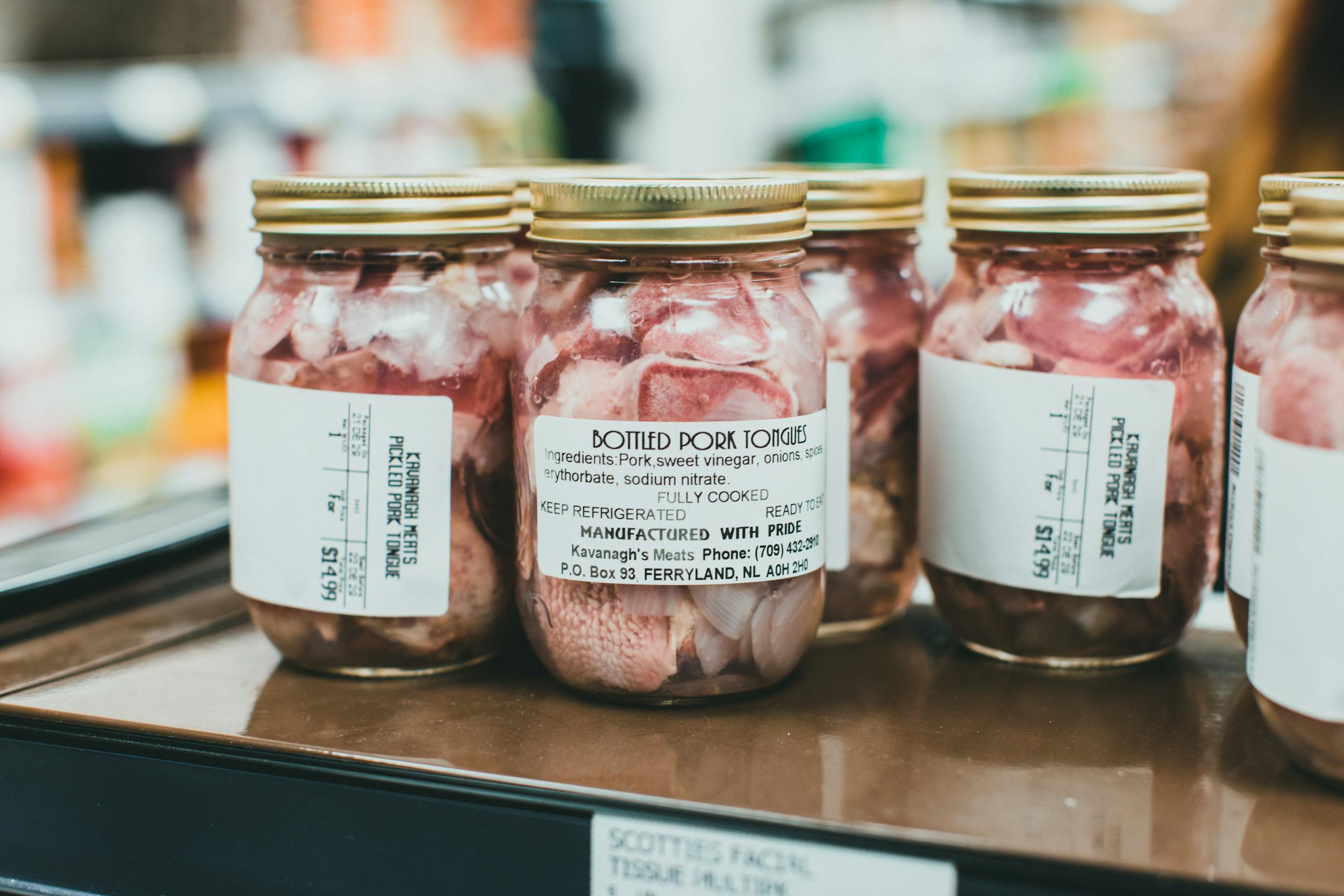
Canned meat spreads and potted meats are built for shelf life, not beauty. They are usually soft, salty, highly processed, and difficult to make appealing without crackers, mustard, pickles, or heavy seasoning. The texture alone is enough to push many shoppers away after one try.
The bigger issue is that these spreads often sit in the pantry as emergency protein, but they are no longer the best option. We have better options now. Peanut butter, shelf-stable hummus cups, tuna pouches, salmon pouches, roasted nuts, canned beans, and protein-rich soups can all provide more appealing nutrition. We should reserve canned meat spreads for rare situations, not regular lunches.
Conclusion
The worst canned foods are not always dangerous in one serving. They are usually disappointing, overpriced, too salty, too sweet, too processed, or too far removed from the food they claim to be. We can still build a strong pantry with cans, but we need to choose cans that help us cook rather than ones that turn cooking into mush.
When we shop with sharper eyes, the pantry gets cleaner fast. We stop wasting money on syrupy fruit, rubbery meat, salty soup, soft pasta, and canned sauces that taste like shortcuts. We make room for canned foods that actually work, including tomatoes, beans, pumpkin, salmon, sardines, coconut milk, and no-salt-added vegetables. That is how we keep the convenience and lose the compromise.