Imagine walking into a family restaurant in 1975. A waitress hands you a paper menu, someone nearby is smoking a cigarette, and the children’s meal probably looks nothing like the colorful branded packages familiar today.
Restaurant dining has changed considerably over the decades. Technology, smoking regulations, food trends, and changing customer expectations have transformed how Americans eat outside their homes. These eight details show what a typical restaurant visit could look like during the 1970s, although experiences differed between regions and establishments.
1. Smoking Sections Were Common
During the 1970s, smoking was permitted in many American restaurants. Some establishments had designated smoking and nonsmoking sections, while others offered little separation.
Customers could encounter cigarette smoke even when they didn’t smoke themselves. The experience was considerably different from dining in many modern restaurants.
Restrictions developed over time as public understanding of secondhand smoke increased. Today’s rules vary by jurisdiction, but indoor smoking is prohibited in many American dining establishments.
2. Printed Menus Changed Less Frequently
Before digital menu boards and online ordering, restaurants primarily relied on printed menus. Updating prices or changing dishes required replacing or modifying physical materials.
Some establishments used paper inserts or boards to advertise daily specials. Others maintained relatively stable menus because regular customers expected their favorite meals to remain available.
The menu itself was part of the restaurant experience. Customers learned about dishes by reading descriptions or asking servers rather than checking photographs and online reviews beforehand.
3. Salad Bars Became an Attraction
Salad bars gained popularity as restaurants explored ways to offer customers more variety. Diners could select vegetables, dressings, and toppings from a shared display.
The concept was particularly attractive to families because everyone could assemble a different salad. Restaurants also used salad bars to distinguish themselves from competitors.
Food safety and maintenance required careful attention, especially when ingredients remained on display. The format continued evolving and eventually became familiar in supermarkets and buffet restaurants.
4. Families Often Dressed Up to Eat Out
For some households, restaurant dining was reserved for birthdays, anniversaries, Sunday outings, or other special occasions. Wearing nicer clothes could be part of the experience.
This wasn’t universal, and casual diners and fast-food restaurants were already popular. But an evening in a traditional sit-down restaurant sometimes carried more formality than today’s quick dining trips.
The distinction reflected household budgets as well as cultural expectations. Families who rarely ate out often treated the occasion as an event rather than a routine convenience.
5. Many Restaurants Offered Large Combination Platters
Family restaurants frequently served meals built around a main dish, potatoes, vegetables, bread, and sometimes dessert. Diners could order a complete plate without constructing a meal from numerous separate items.
These combinations reflected familiar American home cooking. Roast beef, fried chicken, meatloaf, and fish were recognizable choices.
Menus varied substantially by region and restaurant type. But the complete dinner plate remained a common format for customers who wanted straightforward, filling meals.
6. Roadside Restaurants Were Major Travel Stops
Long-distance car travel often involved stopping at familiar restaurant chains. Howard Johnson’s, diners, and other roadside businesses offered predictable menus and convenient access from highways.
For traveling families, recognizing a restaurant sign could help simplify the decision about where to eat. Children might remember the ice cream, while parents appreciated knowing what meals were available.
The growth of national fast-food chains changed this market over time. Many older roadside businesses struggled as competition increased.
7. Technology Played a Smaller Role
Customers didn’t scan QR codes, place orders through smartphone apps, or photograph meals for social media. The interaction generally involved a server, a printed menu, and a bill delivered to the table.
Restaurants relied heavily on personal service and established routines. Regular customers might know staff members and order familiar dishes without consulting the menu.
Modern technology offers convenience, but it also changes the dining experience. Some customers appreciate faster ordering, while others prefer direct interaction with restaurant employees.
8. Eating Out Could Be a Family Tradition
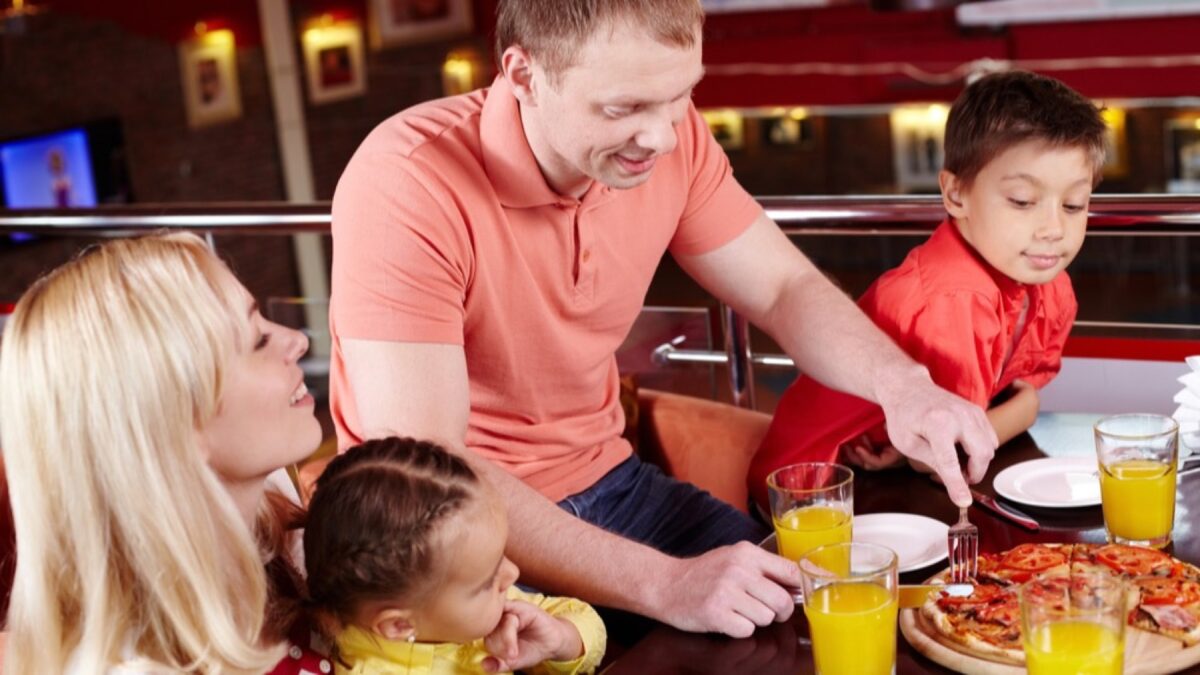
Some households visited the same restaurant after church or on a particular evening each week. Familiar staff, favorite tables, and predictable menus became part of the routine.
The meals weren’t necessarily expensive or elaborate. Often, what mattered was spending time together outside the home. Similar traditions are reflected in the history of American family dinners, which changed alongside employment patterns, convenience foods, and household routines.
How Restaurant Dining Changed
Restaurant culture continued evolving as national chains expanded and customers demanded greater convenience. The Smithsonian’s food history research documents how packaging and convenience reshaped American food habits more broadly. Today’s restaurants offer choices that would have been difficult to imagine in the 1970s, including delivery apps, detailed online menus, and digital payment systems.
But something about the older experience remains familiar. Families still return to favorite restaurants, order dishes they recognize, and create memories around shared meals.