Ticks do not need much space to become a problem. A patch of tall grass, a damp leaf pile, an untreated pet, or a messy corner near the back door can give them enough cover to wait for their next host. Once they reach your yard, porch, carpet, bedding, or pet’s fur, they become more than a creepy nuisance. They can turn a normal home into a place where every itch feels suspicious.
The good news is that we can get rid of ticks around the home by attacking the problem in layers. We need to remove ticks already indoors, treat areas where they hide, clean fabrics and pet areas, reduce tick-friendly conditions outside, and establish a strong prevention routine. A single spray or a quick vacuum may help for the moment, but lasting control comes from making the house and yard inhospitable to ticks.
Deep Clean the Hidden Tick Zones Indoors

Ticks survive better in cluttered, undisturbed spaces. We should remove piles of laundry, stacks of papers, blankets on the floor, unused pet toys, dusty storage bins, and items pushed against the walls. A clean floor gives ticks fewer places to hide and makes it easier to spot new activity.
Baseboards deserve special attention. Ticks can move along wall edges and slip into narrow cracks. Vacuum these areas with a crevice tool, then wipe hard surfaces where practical. If gaps around baseboards, door frames, or flooring are large enough to collect dust and debris, sealing them can reduce hiding spaces.
Pet zones should be cleaned regularly, not just after seeing a tick. Wash pet bedding, vacuum under crates, clean around food bowls, and inspect favorite sleeping spots. If pets rest on couches or beds, those fabrics need regular inspection, too.
Mow the Lawn and Remove Tall Grass Around the Home
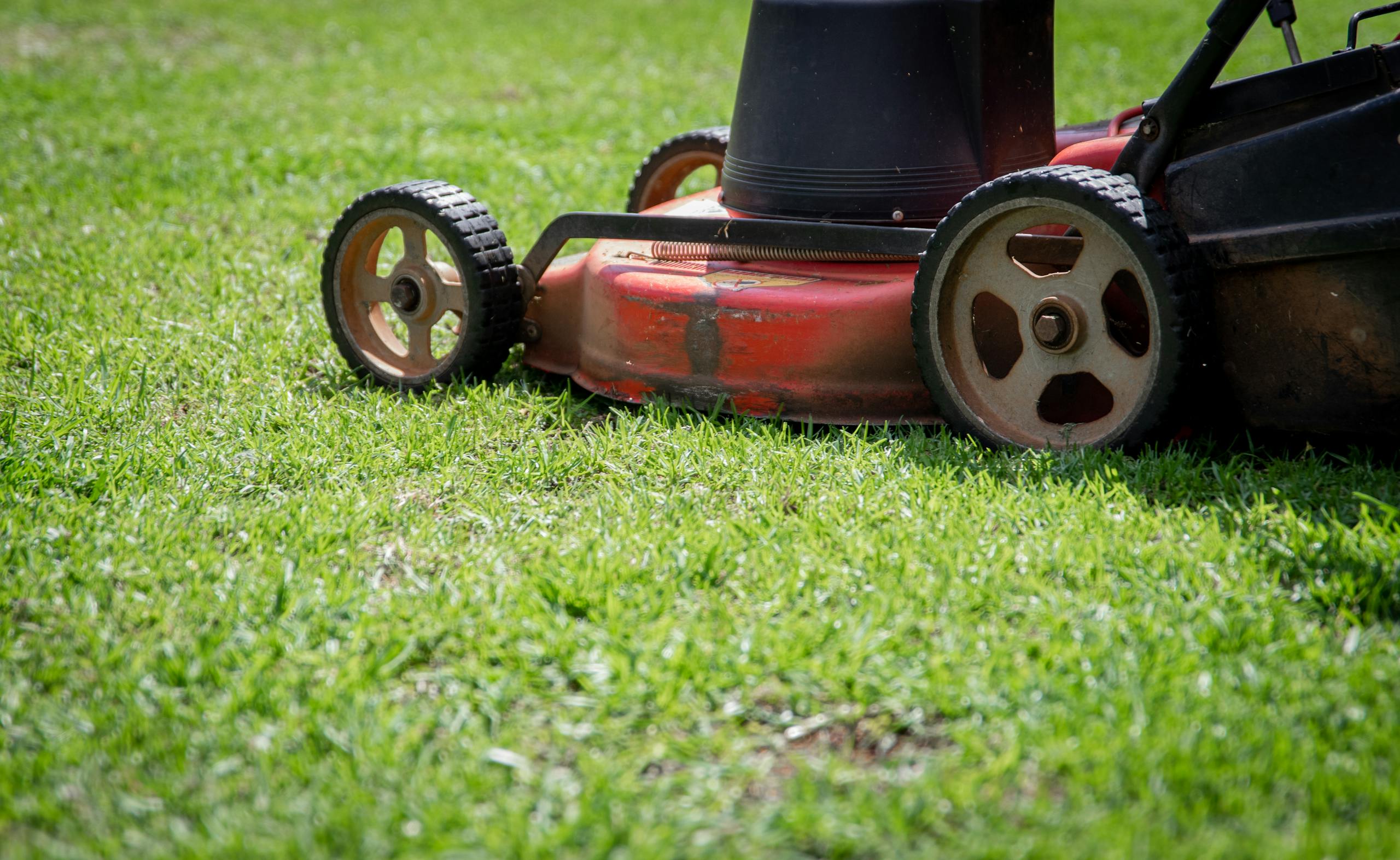
Tall grass is one of the easiest places to remove tick shelters. Keep the lawn cut regularly, especially along fences, sheds, gardens, tree lines, and the sides of the house. These edge zones often collect shade and moisture, making them more attractive to ticks than an open sunny lawn.
Trimming is just as important as mowing. Use an edger or trimmer along walkways, patios, steps, mailboxes, play areas, and around outdoor furniture. Ticks often gather in the messy border areas that people overlook.
Do not let weeds grow against exterior walls. Vegetation touching the house creates a bridge for pests and moisture. Keeping a clean, dry strip around the foundation helps reduce tick hiding spots and improves general pest prevention.
Remove Leaf Litter, Brush, and Yard Debris
Leaf litter creates a damp blanket that helps ticks survive. Rake leaves from lawn edges, garden borders, under shrubs, around decks, and near fences. Pay attention to places where wind pushes leaves into corners and piles.
Brush piles, dead plants, fallen branches, and overgrown shrubs should be cleared or thinned. Ticks prefer shaded, humid areas, so every pile of organic debris gives them protection. Removing these areas also discourages rodents that can carry ticks.
Outdoor clutter matters too. Old furniture, unused pots, stacked boards, tarps, broken toys, and trash can create cool, dark spaces. A tidy yard is not only more attractive; it is less welcoming to ticks.
Create a Tick Barrier with Wood Chips or Gravel
A three-foot barrier of wood chips or gravel can help separate tick-friendly areas from the parts of the yard people use most. This barrier works best between lawns and wooded edges, brushy borders, stone walls, or natural areas. Ticks are less likely to cross hot, dry, exposed material than damp leaf litter or grass.
Place this barrier around the edge of play zones, patios, fire pits, and sitting areas when the yard backs onto woods or overgrown land. It creates a visible boundary and reminds children and pets to stay away from high-risk edges.
A barrier alone will not solve the entire problem, but it adds another layer of defense. It also makes the yard easier to inspect and maintain.
Stack Firewood the Right Way

Firewood piles can attract rodents, and rodents can carry ticks. Stack firewood neatly in a dry, sunny area away from the house. Keep the pile off the ground if possible, and avoid placing it directly against exterior walls.
Do not let leaves, weeds, or brush collect around the woodpile. A messy woodpile becomes a shelter for mice, chipmunks, insects, spiders, and ticks. Keeping it dry and elevated reduces moisture and makes it less inviting.
Bring in only the wood you need. Firewood stored indoors for long periods can harbor insects or ticks that can enter the house. A cleaner system reduces surprises near fireplaces, mudrooms, and garages.
Keep Deer, Rodents, and Wildlife Away from Tick Zones
Ticks often move through the yard with wildlife. Deer, mice, squirrels, raccoons, rabbits, and stray animals can all contribute to tick movement near the home. We may not completely remove wildlife, but we can make the yard less inviting.
Clean up spilled birdseed because it attracts rodents. Place bird feeders away from the house, patios, and play areas. Secure trash cans with tight lids. Remove fallen fruit, pet food, and other food sources that attract animals.
Fencing can help in areas with frequent deer activity. Deer-resistant plants may also reduce browsing near the home. The goal is to keep wildlife away from the areas where people and pets spend most of their time.
Use Outdoor Tick Sprays Carefully

Outdoor tick sprays can reduce tick populations when used correctly. Look for products labeled for ticks and approved for the specific outdoor area you want to treat. Common active ingredients in professional and consumer products include permethrin and bifenthrin, but the label should always guide where, how, and when the product is applied.
Target the right zones. Spraying the middle of a sunny, short lawn may do less than treating shaded edges, brushy borders, fence lines, leaf litter zones, and areas where pets rest. Ticks are usually concentrated in protected transition areas, not evenly spread across every inch of grass.
Professional pest control may be worth it for large properties, recurring infestations, wooded lots, or homes with many pets. A licensed applicator can identify tick habitat, apply products more precisely, and reduce unnecessary exposure.
Protect Pets from Bringing Ticks Indoors
Pets need consistent tick prevention because they often walk through the exact places ticks wait. Dogs should use veterinarian-recommended tick prevention products, especially in areas with heavy tick activity. Options may include oral medications, collars, topical treatments, or other products based on the pet’s age, weight, health, and exposure level.
Cats require extra caution. Never use a dog tick product on a cat unless a veterinarian specifically approves it. Some chemicals that dogs tolerate can be highly toxic to cats. Even contact with a recently treated dog may be risky in some situations, depending on the product.
Daily tick checks are essential for outdoor pets. Feel through the fur slowly and check warm protected areas. Look inside and around ears, under collars, between toes, under front legs, behind back legs, around the tail, and along the belly. Remove attached ticks promptly with tweezers.
How to Remove an Attached Tick Correctly
Use clean, fine-tipped tweezers. Grasp the tick as close to the skin as possible, then pull upward with steady, even pressure. Do not twist, jerk, burn, crush, or coat the tick with oil, petroleum jelly, alcohol, nail polish, or essential oils while it is attached.
After removing the tick, clean the bite area and your hands with soap and water or rubbing alcohol. Place the tick in alcohol, seal it in a bag, wrap it in tape, or flush it if local guidance allows. Some people choose to save the tick in a sealed container for identification if symptoms develop.
Watch the bite area and general health after removal. Seek medical advice if fever, rash, fatigue, headache, muscle aches, joint pain, swelling, or unusual symptoms appear after a tick bite. Early attention matters because tick-borne illnesses can become serious if left untreated.
Use Tick Repellent Before Yard Work and Outdoor Time
Repellent helps reduce bites when we spend time in grass, brush, woods, gardens, parks, or outdoor work areas. EPA-registered repellents with ingredients such as DEET, picaridin, IR3535, oil of lemon eucalyptus, or other approved actives can help protect exposed skin when used as directed.
Permethrin is used on clothing and gear, not directly on skin. Treated boots, socks, pants, and outdoor work clothes can add strong protection in tick-prone areas. Always let treated clothing dry fully before wearing it, and follow the product label closely.
Clothing choices also matter. Wear long pants, long sleeves, closed shoes, and light-colored clothing when entering tick-heavy areas. Tuck pants into socks during yard work or hiking. It may not win a fashion contest, but it creates a simple barrier that ticks have to climb before reaching skin.
Build a Tick Check Routine After Outdoor Exposure
A good tick check should happen after mowing, gardening, hiking, camping, walking the dog, cleaning brush, or sitting near wooded edges. Showering soon after outdoor exposure can help wash away unattached ticks and make it easier to inspect the skin.
Check hidden areas carefully. Ticks often attach behind the knees, under the arms, around the waist, inside the belly button, around the hairlines, behind the ears, between the legs, and under tight clothing lines. Children need help checking places they cannot see.
Outdoor clothes should go straight to heat treatment or washing. Shoes can be inspected near the door. Backpacks, blankets, gloves, and garden kneelers should be checked before being stored indoors.
Conclusion
Ticks around the home are frustrating, but they are manageable when we respond quickly and consistently. Start indoors by removing visible ticks, vacuuming carefully, washing fabrics, treating pet spaces, and checking everyone who may have been exposed. Then move outside and fix the conditions that brought ticks close in the first place.
A tick-free home depends on clean edges, dry firewood, short grass, fewer leaf piles, protected pets, safe repellents, and regular inspections. When those habits work together, ticks have fewer places to hide, fewer hosts to ride, and fewer chances to settle inside the home.