Before avocado toast and elaborate smoothie bowls took over breakfast tables, American families were eating dishes that would leave many younger diners wondering who thought they were a good idea.
Think gelatin salads filled with vegetables, frozen dinners eaten in front of the television, and casseroles made with canned soup. These foods were once ordinary parts of American life, appearing at family dinners, church potlucks, and holiday gatherings. Some have nearly disappeared, while others survive mainly because someone’s grandmother refuses to stop making them.
Jell-O Salads
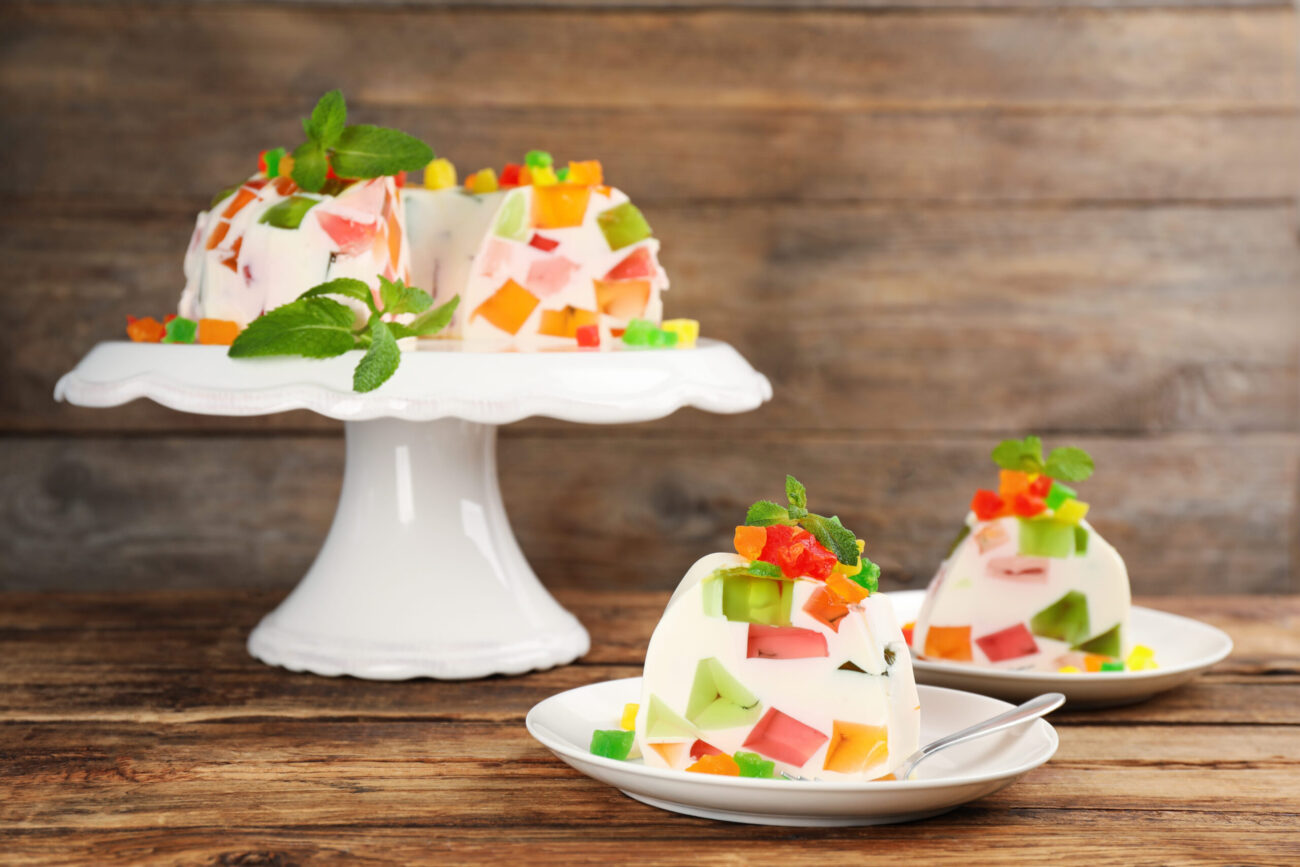
Imagine serving a green gelatin mold containing shredded cabbage, carrots, and mayonnaise at your next dinner party.
For generations of American home cooks, gelatin salads were perfectly respectable dishes. During the 1950s, flavored gelatin and decorative molds became popular tools for creating colorful desserts and savory accompaniments. Some recipes used fruit, while others included vegetables, seafood, or unexpected combinations.
The appeal was partly practical: gelatin dishes could be prepared ahead of time and looked impressive on a dining table. According to HISTORY’s account of Jell-O salad, these creations reflected the era’s enthusiasm for convenience foods and inventive entertaining.
TV Dinners
Dinner once came in a compartmentalized aluminum tray designed to let families eat while watching their favorite shows.
Swanson introduced its famous frozen TV dinners in 1954, offering a convenient meal that went straight from the freezer to the oven. The compartments separated meat, vegetables, and potatoes, making the tray feel almost futuristic to busy households.
The idea took off as television became a fixture in American homes. The Smithsonian National Museum of American History documents how these meals helped transform both convenience cooking and family dining habits.
Tuna Noodle Casserole
This creamy, inexpensive dinner was a lifesaver for families who needed to feed several people without spending much money.
Tuna noodle casserole typically combines canned tuna, cooked noodles, a creamy sauce, and sometimes peas or mushrooms. Many home cooks use canned cream soup as a shortcut, finishing the dish with breadcrumbs or crushed potato chips for a crunchy topping.
It became a familiar comfort food because the ingredients were affordable, easy to store, and simple to combine. Even today, the casserole remains a nostalgic favorite for people who remember coming home to its bubbling, golden top.
Liver and Onions
Liver was once a regular dinner option rather than an ingredient many shoppers deliberately avoid.
Beef or calf’s liver, usually fried with onions, appeared on countless American dinner tables. People valued it as an economical source of protein and nutrients, but its strong flavor and distinctive texture have made it less appealing to many modern diners.
Some families still prepare it because it reminds them of childhood meals or traditional home cooking. Others would happily leave this particular food trend in the past.
Ambrosia Salad
This so-called salad contains ingredients that sound more like a dessert buffet than a vegetable course.
Ambrosia commonly combines canned mandarin oranges, pineapple, miniature marshmallows, and coconut, sometimes mixed with whipped cream or sour cream. Recipes vary from family to family, and some include maraschino cherries or other fruit.
The dish became especially familiar at Southern gatherings, holiday dinners, and potlucks. Its sweet flavor and minimal preparation made it an easy addition to a crowded table.
Salisbury Steak With Brown Gravy
This hearty dinner felt incomplete without a generous pool of gravy.
Salisbury steak consists of seasoned ground beef patties served with brown gravy, often alongside potatoes and vegetables. It became a staple of frozen dinners and inexpensive restaurant meals because it was filling and relatively straightforward to prepare.
Although younger diners may associate it with cafeteria trays, many families still enjoy making it from scratch. Properly browned patties and flavorful gravy can turn this humble dish into a satisfying meal.
Pineapple Upside-Down Cake
This retro dessert makes an ordinary cake look spectacular with a simple flip.
Pineapple rings, maraschino cherries, butter, and brown sugar create a glossy topping beneath a soft cake. Once baked, the cake is inverted so the caramelized fruit becomes the centerpiece.
Its popularity grew as canned pineapple became more available, making the fruit easier for American home cooks to use year-round. The result remains a nostalgic dessert that looks far more elaborate than its preparation suggests.
Related: 10 American Foods Banned Around the World
Creamed Chipped Beef on Toast
Its unflattering nickname, “SOS,” suggests how military humor followed this dish into American kitchens.
Creamed chipped beef consists of thin pieces of dried beef served over toast in a thick white sauce. The meal became associated with military mess halls because it was economical, filling, and easy to feed large groups.
Some people remember it as a beloved breakfast, while others associate it with military service or cafeteria food. Either way, it demonstrates how practical meals can become deeply attached to personal memories.
Deviled Eggs
No old-fashioned potluck seemed complete without a platter of these creamy little bites.
Hard-boiled eggs are halved, then the yolks are mixed with mayonnaise, mustard, and seasonings before being spooned or piped back into the whites. Paprika often supplies the finishing touch.
Deviled eggs remain popular at picnics, holiday gatherings, and family celebrations, though elaborate variations have added ingredients like bacon, herbs, and hot sauce. Their staying power proves that not every vintage food needs rescuing.
Cottage Cheese With Fruit
For many households, a scoop of cottage cheese beside canned peaches counted as a perfectly respectable light meal.
This combination became familiar through diet-conscious menus and the convenience of canned fruit. Cottage cheese provided protein, while peaches, pineapple, or pears added sweetness with little prep.
The pairing still appears on some breakfast and lunch tables, although modern diners may prefer yogurt bowls or smoothies. Its simplicity remains useful when a quick, uncomplicated meal is all that is needed.
Fondue
In the 1960s and 1970s, dipping bread into a communal pot of melted cheese made dinner feel like an event.
Cheese fondue became a fashionable social dining experience in American homes. Guests gathered around a heated pot, spearing bread cubes and dipping them into melted cheese, while chocolate fondue later brought fruit and cake into the picture.
Fondue takes more prep than opening a packet of snacks, but its appeal is getting everyone involved. It has also enjoyed periodic revivals as people rediscover interactive meals and retro entertaining.
Why These Old Favorites Still Matter
Food memories often outlast the dishes themselves.
These meals reflect changing lifestyles, new kitchen appliances, advertising trends, and the practical demands placed on families. Some were designed to save time, others stretched tight budgets, and many became traditions simply because generations grew up eating them together.
Today, even familiar comfort foods can be reinvented. A casserole can use fresh ingredients, a frozen dinner can become a homemade meal, and old-fashioned fries can be improved with a few thoughtful cooking techniques. Sometimes, the best way to appreciate food history is to bring a forgotten recipe back to the table.
Which of these foods did you grow up eating, and which one would you happily bring back for dinner tonight?